Whether you’re logging a dawn approach to a snow couloir, grinding out a single-push alpine route, or just hauling rope and layers up a long moraine, the right pack changes how the day feels. A poorly fitted harness of fabric fights you for every vertical meter; a well-matched one disappears, shifting load to your hips so your legs can keep working. This list gathers six packs that show up often in alpine kits, each tuned for a slightly different mission. Some carry skis or boards, others fold down to fit inside a duffel. Read on to find the one your climbing season is missing.
The Essentials At A Glance
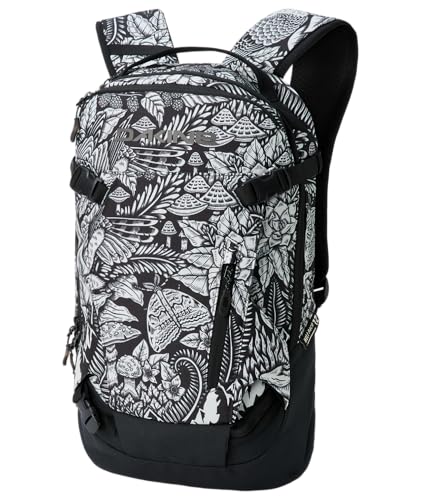
Dakine Women’s Heli Pack Backpack, 12L

Bseash 40L Waterproof Hiking Backpack (Pea-green)

Dakine Poacher 14L Ski & Snowboard Backpack

SKYSPER Anti Theft Hiking Backpack, 18L

Dakine 365 Pack 28L Backpack, Black
Meet The Standout Selections
The Dakine Women’s Heli Pack lands in the smallest camp on this list, and that’s its whole point. At 12 liters it covers the bare essentials for a lift-served day: spare gloves, a snack, a small tool, and a hydration sleeve that quietly does its job. On chairlift mornings you won’t feel the bag swing or creep; the women’s-specific cut sits closer to the back than unisex mini-packs often do.
For resort skiers and snowboarders who carry the bare minimum, this one earns its spot. Backcountry riders needing a shovel, probe, and layers for variable weather should look at the larger Poacher later in the list instead.
Advantages To Know
- Trim 12-liter profile stays out of the way on chairlifts and gondola rides
- Women-specific torso geometry keeps the load closer to your center of gravity
- Easy-access front pocket for sun protection and lip balm you’ll reach for often
- Lighter carry means less fatigue on short touring laps
Things To Consider
- 12 liters is genuinely tight; cramming a shell and a thermos can stretch the seams over time
- No dedicated avalanche-tool pocket, so this is a lift-day pack, not a touring workhorse
Whose Shelf It Belongs On
Resort skiers and snowboarders who keep day kits small and value a quiet, low-bounce fit.
Reach For A Different Pick When
You want full backcountry readiness with safety-tool storage, where the Dakine Poacher 14L is the stronger fit.
The Bseash 40L goes in the opposite direction from the Heli Pack: it’s the hauler on this list. Forty liters of main compartment swallows a sleeping bag, layers, a stove, and food for a couple of nights, with internal and external pockets to keep the mess in check. A included rain cover gives it an edge in wet shoulder seasons when alpine starts get soaked before you reach the ridge.
Compared to the smaller Dakine packs above, this one trades sleek aesthetics for sheer capacity. You’ll feel the difference on long approaches when every spare layer has to come along.
The Upside
- 40L capacity handles overnight alpine bivys and full kit loads
- Bundled rain cover keeps gear dry through wet storm windows
- Multiple compartments and an elastic bungee let you lash overflow to the outside
- Internal hydration bladder pocket for long, dry approaches
Honest Caveats
- Full loads run heavy; a tight hipbelt and proper load adjustment matter on long days
- Bulkier than the Heli Pack or Poacher, so it’s not a quick-grab daypack
- Coated fabrics benefit from air-drying before storage to prevent mildew in seams
Quick Facts
Built With In Mind
Alpinists heading into overnight routes or stormy conditions where dry layers and capacity matter more than nimble weight.
Swap It Out When
You’re chasing vertical in a single push and want ski or board carry, where the Dakine Poacher 14L is a cleaner match.
The Poacher 14L is the most purpose-built alpine-mission pack on this list. Vertical snowboard carry and diagonal or A-frame ski/splitboard carry mean your ride is part of the loadout, not an afterthought. Loop attachments on the front hold a helmet when you’re booting up a couloir, and an oversized fleece-lined goggle pocket keeps optics from getting scratched between laps.
It slots neatly between the trim Heli Pack and the roomier Bseash 40L. Anyone splitting time between resort gates and short tours will recognize the geometry.
Notable Gains
- Three board-carry modes cover skis, splitboards, and boards without adapters
- Helmet attachment loops free up hand space on boot packs
- Fleece-lined goggle pocket protects lenses from zippers and keys
- Compatible with a separately sold DK Impact Spine Protector for harder sends
- 14L capacity swallows shovel, probe, extra gloves, and skins for short tours
Soft Spots
- Spine protector is a separate purchase, which raises the all-in cost
- Not waterproof; a storm day demands a liner for sensitive electronics
Feature Snapshot
Right Fit For
Riders and skiers who split time between sidecountry gates and short tours and want their board on the outside.
Look Elsewhere When
You’re commuting with a laptop and need a padded sleeve, where the Dakine Campus Backpack 25L is the better match.
The Campus 25L is a different animal from the snow-ready packs above: it’s a commuter bag with alpine DNA. Twenty-five liters hits the sweet spot between compact and spacious for a day of classes or office work, and a padded laptop sleeve keeps the device safe from the rest of the load. An insulated pocket pulls double duty for lunch or a thermos on cold mornings.
Compared to the SKYSPER travel pack later in this list, the Campus trades security locks for organization and comfort.
What Works In Its Favor
- 25L holds a full day of books, layers, and a 15-inch laptop without bulging
- Dedicated padded sleeve keeps your device off the bottom of the bag
- Multiple compartments stop the dreaded “everything in one pile” mess
- Insulated pocket is a quiet perk for cold lunches or warm drinks
Points To Keep In Mind
- Not a technical pack: no rope carry or ice tool attachments
- Fabric care matters; spot-cleaning beats machine washing to preserve the sleeve’s padding
Who Should Grab It
Students and commuters who want one bag that handles laptop, layers, and a lunch run.
Where Another Pick Suits Better
You’re traveling internationally with valuables and want RFID and lockable zips, where the SKYSPER Anti Theft Hiking Backpack covers that need.
The SKYSPER 18L packs away into its own pocket when you don’t need it, then opens up into a useful commuter pack for city days or short hikes. RFID-blocking (RFID, or radio-frequency identification, shielding prevents digital skimming of cards and passports) in the middle pocket and lockable zippers on the main compartment are aimed at travelers who navigate busy transit hubs. A hidden zipper on the back panel adds a third layer for passports or cash.
It sits between the ultralight Heli Pack and the bigger Bseash 40L, leaning toward urban and travel use rather than serious mountain days.
Where It Excels
- Packable design fits inside a carry-on for backup-day use
- Lockable main zipper deters casual grab-and-run theft
- RFID-blocking pocket shields cards and passports from skimming
- Hidden back-panel pocket stays flat against your body in crowds
- Lightweight build earns its place as a secondary travel pack
A Few Limitations
- No ski or snowboard carry; not a one-bag solution for snow days
- Smaller capacity than the Bseash 40L means multi-day packing is a stretch
Best Suited To
Travelers and urban commuters who want lockable, RFID-shielded storage and a pack that disappears into luggage.
Consider Something Else When
Your priority is hauling overnight gear or ski carry, where the Bseash 40L or Dakine Poacher 14L handles the mission better.
The Dakine 365 closes the list as the do-most-things pack. Twenty-eight liters splits the difference between the campus bag and the heavy hauler, with three compartments and four pockets keeping layers, books, and tech in their own lanes. A dedicated non-padded sleeve fits most 15-inch laptops, while exterior zippered pockets handle keys, cables, and the small stuff that usually sinks to the bottom.
Versus the smaller Heli Pack, this one actually has room for a change of clothes. Against the Bseash 40L, it skips the snow-ready extras for a cleaner urban build.
Practical Advantages
- 28L daily capacity swallows a change of clothes plus work gear
- Three-compartment layout stops the bottom-of-bag black hole
- 15-inch laptop sleeve keeps the device separate from water bottles
- Quick-access utility pocket speeds up security checks and coffee runs
Trade-Offs To Consider
- Laptop sleeve is non-padded, so a hard case is wise for commuters on bumpy transit
- Daily-driver build, not technical: no rope or ice tool attachment points
Who It Suits Best
Everyday commuters who want enough room for a laptop, a change of clothes, and the gym gear that lives at the bottom of the bag.
A Better Fit Elsewhere
You’re heading into the mountains and need ski carry or a rain cover, where the Dakine Poacher 14L or Bseash 40L makes more sense.
What To Weigh Before Picking An Alpinism Pack
Alpine packs live or die by fit and intent. Capacity is the loudest spec, but volume alone won’t save a bad hipbelt on a long day. Decide first whether the bag is a snow-day, an overnight, a commute, or a travel companion, then match the features to that mission.
Backcountry riders should prioritize board or ski carry, helmet loops, and a fleece-lined goggle pocket. Multi-day trekkers need 35 liters or more, a rain cover, and hipbelt comfort that survives a heavy load. Commuters and students care about laptop protection, organization, and a profile that doesn’t snag on café chairs. Travelers value lockable zippers and RFID shielding more than capacity.
Sizing matters as much as features. Torso length, not height, drives pack fit: measure from the iliac crest (the top of the hip bones) to the C7 vertebra (the bony bump at the base of the neck) and match that number to the maker’s size chart. Hipbelts should cradle the pelvis, not the waist, so the load sits on bone rather than soft tissue. Try a loaded pack before committing; an empty store-floor impression rarely tells the truth.
Key Considerations Across These Picks
Pitfalls Shoppers Hit
A common mistake is buying a pack sized for the trip you want, not the trip you actually do. Forty liters feels luxurious until you spend three hours at the crag hauling unused space. On the other side, a 12-liter pack is a poor match for the first time you decide to bring an extra layer and a thermos. Match capacity to a realistic kit list, not a fantasy one.
Another slip is ignoring torso fit in favor of liters or features. A 28-liter pack that sits two inches too low on your back will punish your lower back long before the day ends.
When Paying More Pays Off
Higher-tier alpine packs usually show their price in three places: hipbelt construction, fabric durability, and carry-system engineering. A reinforced hipbelt transfers load to the pelvis, which is what keeps a heavy pack from trashing your shoulders after mile five. Denser face fabrics resist abrasion from granite and ski edges, while better back panels vent sweat before it soaks your baselayer. None of those upgrades matter on a single lift-served day, but they change the experience on multi-hour objectives where fatigue stacks up fast.
Frequently Asked Questions
What size alpinism backpack do most climbers actually use?
For single-day alpine objectives, 20 to 30 liters is the most common range. Bigger missions with overnight bivy gear push toward 40 liters or more, while resort-only days often fit in 12 to 15 liters.
Can I use a hiking backpack for alpinism?
For low-angle, dry approaches a hiking pack can work, but it usually lacks a reinforced hipbelt, ice-tool attachments, and abrasion-resistant fabric. Dedicated alpine packs handle tools and rough rock better and last longer under those conditions.
How important is a hipbelt on an alpine pack?
Very important under load. A structured hipbelt shifts weight off the shoulders and onto the pelvis, which is the single biggest factor in long-day comfort. On smaller packs under 15 liters, a simple webbing belt is usually enough.
Do I need a waterproof pack for alpinism?
Fully waterproof shells are rare in alpine packs; most use water-resistant fabric plus a rain cover. If you’re regularly in wet storm conditions, prioritize a pack that includes a fitted rain cover or pair your bag with a liner.
How should an alpinism pack fit on my back?
The hipbelt should sit on the iliac crest, with the load pulling into the pelvis rather than the shoulders. The sternum strap, if present, sits roughly an inch below the collarbone, and there should be no gap between the back panel and your spine.