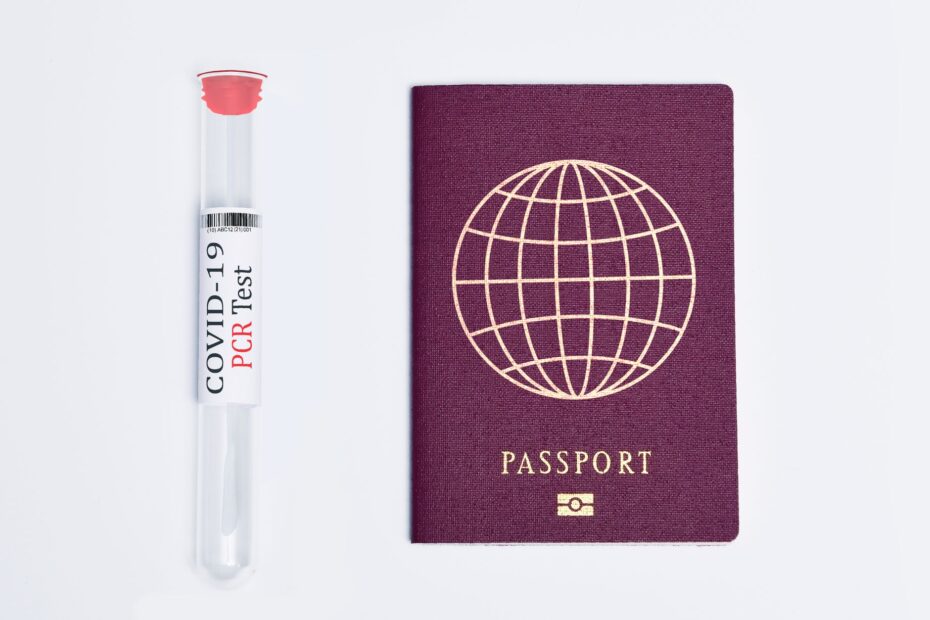
Domestic vs. international travel requirements refer to the documents and airport steps that change once your route crosses a national border. A two-hour flight to Chicago needs photo ID, while a short flight to Canada can involve a passport, entry review, and customs forms. Distance does not control the process.
This comparison covers identification, airline check-in, security, border procedures, baggage, and connections for U.S. travelers planning trips inside or outside the country.
Border Crossings Set the Travel Category
A route remains domestic when every departure, connection, and arrival airport stays inside one country. For example, Boston to Denver through Dallas remains a U.S. itinerary because you do not enter another nation.
Your trip becomes international as soon as it enters another country by air, land, or sea. Miami to Nassau, Detroit to Ontario, and Seattle to Victoria each cross a national border.
Connections Can Change Your Document Needs
Check every airport code and country listed on your booking confirmation, not only the final destination. A Los Angeles-to-New York ticket through Toronto enters Canada, so your documents must meet Canadian transit rules and U.S. return-entry rules.
That foreign connection can add immigration screening, baggage re-screening, or electronic travel permission. Even a short airport stop overseas can place your itinerary under international transit requirements.
| Example route | Trip type | Why it counts |
|---|---|---|
| Atlanta to Phoenix | Domestic | Your entire route stays inside the United States. |
| Newark to San Juan | Domestic-style U.S. route | Your flight does not enter a foreign country, though territorial rules can differ. |
| Seattle to Tokyo through Vancouver | International | Your connection enters Canada before reaching Japan. |
Border Routes Add Entry and Return Rules
Once your itinerary crosses a border, several authorities can affect departure and arrival. Domestic flight requirements center on airport security, airline rules, and local law, while international flight requirements add transit-country rules, destination entry rules, and U.S. return procedures.
Airline check-in requirements can differ even between two flights on the same carrier. A domestic route may need accepted photo ID, while an overseas route can require a passport, visa, health record, or onward ticket before boarding.
| Travel issue | Domestic U.S. trip | International trip |
|---|---|---|
| Identification | Accepted government-issued photo ID is normally enough. | A passport is normally required for air travel. |
| Visa or travel permission | Your route does not involve a visa. | Your nationality and destination can require a visa or electronic authorization. |
| Airport screening | Transportation Security Administration screening applies. | TSA screening applies, along with airline document checks. |
| Border controls | No immigration or customs process applies. | Arrival can include immigration review and a customs declaration. |
| Arrival timing | Your airline sets check-in and boarding cutoffs. | Document review and baggage processing can add time. |
| Health documents | Entry health paperwork is uncommon. | Your destination can require vaccine records, insurance, or health forms. |
This comparison focuses on U.S. departures. Your citizenship and departure country still affect the documents you carry, even on a route that starts in the United States.
Identification Depends on Your Route and Status
At a U.S. airport checkpoint, adult domestic flyers need an accepted government-issued photo ID. A REAL ID-compliant state license works for this purpose, and TSA lists a passport among several accepted alternatives.
Your passport does more than confirm identity abroad. It establishes nationality, which immigration staff use to review visa needs, permitted stay length, and your right to return to the United States.
Air, Land, and Sea Crossings Use Different Documents
International air travel needs a passport book in nearly every case. A U.S. passport card has narrower use for certain land and sea crossings with Canada, Mexico, Bermuda, and Caribbean countries, but it does not work for international flights.
Children, permanent residents, dual nationals, and non-U.S. citizens can face different paperwork. Your child may need a passport and consent documents, while your green card, visa, or foreign passport can shape your return process.
Bring the travel document named on your airline booking exactly as issued. A mismatch between your ticket name and passport name can delay check-in.
Matching identification gets you to check-in, yet many destinations require separate authorization before travel.
Entry Permission Goes Beyond a Passport
A passport valid on your departure date can still fall short at the border. Many countries require three or six months of validity beyond your planned exit date, and some need unused pages for entry stamps or visas.
Check destination-country entry requirements before paying for nonrefundable arrangements. Airline staff review documents at the counter, but their review does not replace a border officer’s decision on admission.
Destination information from the U.S. Department of State can point you toward entry rules, visa details, and local restrictions. Your destination’s immigration authority remains the source for its current admission requirements.
Entry Permission Has Separate Parts
- Passport validity: Your passport must meet the destination’s date and blank-page rules.
- Visa status: Your nationality can require a visa before departure, even for a short visit.
- Electronic permission: Systems such as the Electronic System for Travel Authorization, or ESTA, screen eligible visitors before travel.
- Onward evidence: Your destination can ask for a return ticket, hotel address, or evidence of funds.
- Health records: Your route can require vaccination records, insurance proof, or a health declaration.
Visa rules and ESTA serve different purposes. ESTA lets eligible travelers seek admission to the United States through the Visa Waiver Program, while a visa is a separate entry document issued through a U.S. consular process.
Security, Check-In, Immigration, and Customs Have Different Jobs
Security screening focuses on items that could threaten aviation safety. Transportation Security Administration officers screen your person and bags, but they do not decide whether your passport has enough validity or whether a visa permits entry.
Airline staff review travel papers before boarding because carriers can face penalties and return-transport costs after carrying someone without required documents. Your airline can refuse boarding even after TSA clears you through security.
Border Officers Decide Entry and Review Goods
Immigration control decides whether you can enter a country and how long you can remain. An officer can ask about your trip purpose, lodging, work plans, or onward ticket at the airport border desk.
Customs controls goods crossing a border. U.S. Customs and Border Protection, known as CBP, can require your customs declaration for food, alcohol, medicines, currency, gifts, and purchases brought into the United States.
That division explains the difference between airport security and border review. TSA screening has the same core purpose on domestic and international flights, while an overseas route adds document review, immigration control, and customs procedures.
Those added checkpoints can lengthen airport processing and affect when checked bags must be reclaimed or rechecked.
Airport Timing and Baggage Rules Need More Attention Abroad
A missed international check-in cutoff can end your trip before security begins. Airlines set route-specific deadlines, and document review, checked-bag processing, and boarding gates can close earlier than expected.
Your reservation confirmation gives the arrival time that applies to your flight. Follow that instruction instead of relying on a fixed two-hour or three-hour rule.
TSA PreCheck can shorten the security portion for eligible travelers. It does not shorten an airline’s document-review deadline, checked-bag cutoff, or boarding time.
Cabin Rules Follow the Departure Airport
TSA liquid and restricted-item rules apply at U.S. airport security for both trip types. Your destination can still restrict goods that TSA permits, including foods, plant products, medicines, lithium batteries, and alcohol.
Checked-baggage allowances change with carrier, fare type, route, and cabin. Review your bag weight limit before packing because an overseas allowance can differ from a domestic booking on the same airline.
Jeans are permitted on a plane. Your comfort matters more than fashion rules, so wear layers for cold cabins, shoes that come off easily at screening, and pockets that do not slow your movement.
Connections, Territories, Cruises, and Land Borders Need Route Checks
A foreign connecting airport can impose entry rules before you reach your final destination. Canada, the United Kingdom, and other transit countries can require a transit visa or electronic permission even during an airport-only stop.
Your passport should stay accessible during connections rather than buried in checked baggage. A weather diversion or missed connection can turn a planned airside stop into an overnight entry request.
Territories and Cruises Follow Their Own Procedures
Flights between the U.S. mainland and Puerto Rico, the U.S. Virgin Islands, Guam, or American Samoa do not follow identical document practices. Your airline can request ID, while local rules can affect customs, agricultural items, and onward connections.
Closed-loop cruises that start and end at the same U.S. port can allow narrower proof-of-citizenship exceptions on certain itineraries. A passport book remains the stronger document because an emergency flight home can require paperwork that a birth certificate cannot replace.
Land crossings deserve a document review before the drive begins. Your car rental agreement, child consent letter, vehicle registration, and border documents can matter as much as the road route.
A Two-Part Departure Check Reduces Document Problems
Separate your preparation into a domestic file and an international file. That split keeps a simple U.S. flight from carrying unnecessary paperwork while stopping a border-crossing trip from relying on a driver’s license alone.
Domestic Departure Items
- Accepted photo ID: Carry your REAL ID-compliant license, passport, or another TSA-accepted identification document.
- Reservation details: Match your ticket name to the identification document shown at airline check-in.
- Baggage limits: Check carry-on size, checked-bag weight, and restricted-item rules for your fare.
- Arrival time: Follow the airline’s route-specific arrival instruction and boarding deadline.
- Local conditions: Check parking, weather disruptions, and state or territorial rules affecting your trip.
International Departure Items
- Passport dates: Confirm passport validity, blank-page needs, and the name printed on your booking.
- Entry permission: Check visa rules, ESTA status, or another electronic travel authorization tied to your nationality.
- Transit papers: Review each connecting country, including airport-only transit rules.
- Health records: Carry required vaccine records, insurance proof, or destination health forms.
- Return evidence: Keep onward tickets, lodging details, and customs declaration information available.
For domestic vs. international travel requirements, review your route through the airline, the destination’s immigration authority, and relevant U.S. government sources before departure. Those three checks can reveal conflicts that a single booking screen misses.
The Route Determines Your Preparation
A foreign layover can change the rulebook. A trip inside one country centers on accepted ID, airline timing, and baggage limits, while a border crossing can add passports, entry permission, health records, transit documents, immigration review, and a customs declaration.
Domestic vs. international flight rules become clearer once you follow the complete itinerary from departure through return. Your preparation should match every country and airport named on that itinerary.
FAQ
What qualifies as domestic travel versus international travel?
Domestic travel stays inside one country from departure through arrival. International travel enters another country by air, land, or sea, including a foreign connection that requires transit clearance.
What qualifies as international travel?
Crossing a border by air, land, or sea turns a trip into an international journey. A foreign layover can also make the itinerary international for document and transit purposes, even with a U.S. final destination.
What ID do I need for a domestic flight in the United States?
You need TSA-accepted government-issued photo identification for a domestic U.S. flight. A REAL ID-compliant state license and a passport are among the documents accepted at the checkpoint.
Do I need a passport for every international flight?
Nearly every flight crossing a border requires a passport book. Your nationality, destination, and connection can add visa, electronic authorization, health-record, or onward-travel requirements.
Is TSA security the same for domestic and international flights?
At airport checkpoints, the same core aviation-security purpose applies to both types of flights. International routes add airline document checks, immigration control, and customs steps that TSA does not handle.
How early should I arrive at the airport for domestic versus international travel?
Your airline’s published arrival instruction controls because deadlines differ by airport, carrier, route, and baggage needs. International departures need extra time for document review, though TSA PreCheck does not extend check-in or boarding cutoffs.