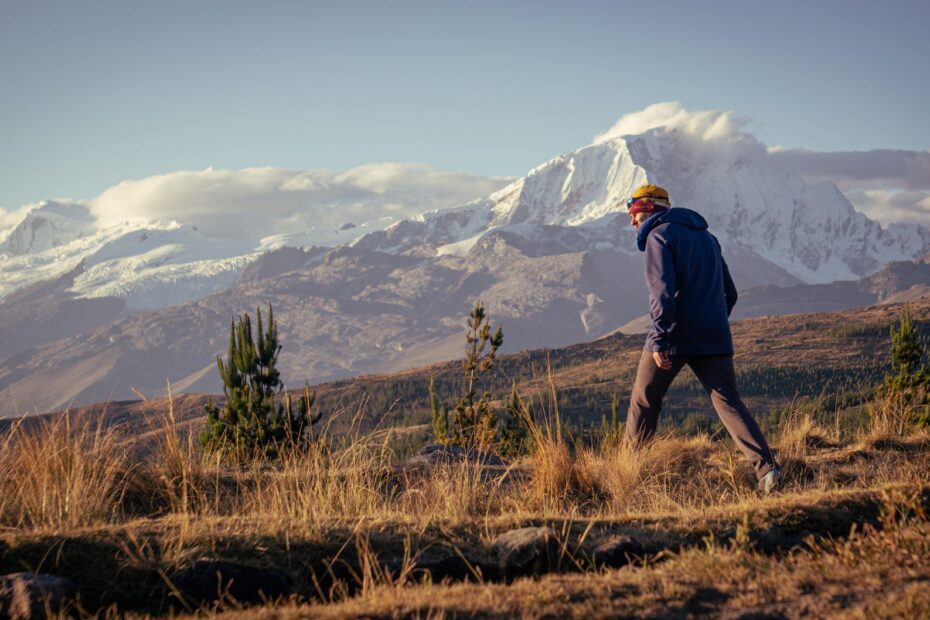
Ascending more than 1,000 feet in a day can expose your body to lower barometric pressure before acclimatization catches up. Mountain air still contains about 21% oxygen, yet each breath delivers less oxygen into your bloodstream. A new headache after arrival at a high lodge can mark the start of acute mountain sickness.
This overview covers pressure changes, travel speed, warning signs, medication, and descent decisions for travelers spending nights at higher elevations.
Lower Barometric Pressure Reduces Oxygen Delivery
At 10,000 feet, the air has not lost its oxygen content. Oxygen remains near 21% of the air, but barometric pressure falls as elevation rises. That lower pressure leaves fewer oxygen molecules available to cross from your lungs into your blood with each breath.
Your lungs still move air normally, yet less pressure reduces the force that moves oxygen into circulation. This shortage is called hypoxia. Your brain, muscles, and organs answer with faster breathing, a quicker pulse, and shifts in body fluids.
Acclimatization takes longer than a car ride or flight. Over several days, your breathing pattern changes, your kidneys release bicarbonate, and oxygen delivery improves. Trouble starts when your sleeping elevation rises faster than those changes can take hold.
| At sea level | At higher elevation | Effect on your body |
|---|---|---|
| Barometric pressure is higher | Barometric pressure falls | Your blood receives less oxygen per breath |
| Oxygen stays near 21% of air | Oxygen stays near 21% of air | The oxygen percentage stays stable, but pressure drops |
| No altitude adjustment is needed | Adjustment takes time | Your breathing, circulation, and kidneys must adapt |
That pressure change explains why a trail sign does not tell the whole story. Your sleeping height and the speed of your ascent shape the strain that continues through the night. The altitude sickness causes are physical, not a sign that you lack fitness or determination.
Sleeping Height and Ascent Speed Set Your Exposure
Symptoms become more frequent above about 8,000 feet, though your personal threshold may sit lower. A stay near 5,000 feet can still leave you unwell after a rapid rise in elevation, while another traveler may feel normal much higher.
Sleeping elevation matters more than the highest point you reach during the day. You can hike to 12,000 feet, return to an 8,000-foot lodge, and spend fewer low-oxygen hours overnight than someone sleeping at 12,000 feet.
- Arrival day: Your oxygen saturation falls as elevation rises, even before you feel ill.
- Six to 24 hours: Headache, nausea, fatigue, or poor sleep may appear after a higher arrival or overnight stay.
- Another ascent: Symptoms can worsen after your sleeping height rises before recovery is complete.
- Rest day: Holding the same overnight elevation gives your body time for acclimatization.
Your altitude sickness risk factors include a high sleeping elevation, rapid elevation gain, hard exertion after arrival, and a past episode of altitude illness. Fitness alone does not shield you. The Centers for Disease Control and Prevention (CDC) also advises building time into your itinerary rather than relying on stamina.
Plan overnight stops as carefully as flights and trail mileage. A daytime summit is brief; a high sleeping elevation extends low-oxygen exposure for hours.
Flights, Roads, and Treks Change the Rate of Exposure
A morning near sea level can turn into a night above 8,000 feet after a flight. Flying into Cusco, Peru, or a Colorado mountain town can place you at a high sleeping elevation before your body has begun meaningful acclimatization.
| Travel pattern | Exposure speed | Practical consequence for you |
|---|---|---|
| Direct flight | Hours | Your body reaches a high overnight elevation with little adjustment time |
| Long road transfer | Hours to one day | Your sleeping height can still rise sharply during a visible climb |
| Multi-day trek | Several days | Your body has more time to acclimatize when overnight gains stay modest |
Driving can feel less abrupt because the climb is visible through the window. But a five-hour transfer from Denver to a 10,000-foot lodge remains a rapid ascent. Your body responds to pressure exposure, not to the vehicle that brought you uphill.
Hard exercise adds demand while oxygen delivery is already limited. Carrying luggage upstairs, skiing hard, or hiking uphill on arrival can sharpen fatigue and headache. That effort does not cause altitude illness, but it can expose the gap between oxygen supply and physical demand.
When demand outpaces available oxygen, early symptoms often reveal that mismatch before more serious illness develops.
Acute Mountain Sickness Begins With Headache and Malaise
A new headache after ascent is the hallmark of acute mountain sickness (AMS). The pain may feel like pressure across your forehead, throbbing behind your eyes, or a headache that worsens after another climb.
AMS is the mildest form in the three-part description of altitude illness. High-altitude cerebral edema (HACE) affects the brain, while high-altitude pulmonary edema (HAPE) affects the lungs. Both require urgent descent.
- Headache after ascent: New head pain at a higher elevation deserves attention, especially alongside other symptoms.
- Stomach upset: Nausea, reduced appetite, or vomiting can show that your body is struggling to adjust.
- Heavy fatigue: Tired legs during routine activity can reflect reduced oxygen delivery rather than poor sleep alone.
- Dizziness: Lightheadedness can occur with AMS, while confusion points toward a far more serious condition.
- Broken sleep: Repeated waking and restless breathing can appear during the adjustment period.
- Worsening uphill: Symptoms that intensify at a higher sleeping elevation mean you should stop further ascent.
Your age, athletic ability, and attitude do not predict who will develop AMS. A marathon runner can become ill, while a less active companion stays well. Prior episodes are among the clearest reasons to give your next mountain trip a slower schedule.
Brain and Lung Warning Signs Require Immediate Descent
Loss of coordination changes the situation from uncomfortable to dangerous. HACE can bring severe headache, confusion, unusual behavior, poor judgment, or an unsteady walk that resembles intoxication. A person who staggers needs help downhill rather than another balance check.
HAPE affects the lungs and may begin with a dry cough, slower pace, and breathlessness beyond what the terrain explains. Breathlessness at rest, chest tightness, marked weakness, pink or frothy sputum, and falling oxygen saturation point to an emergency.
| Condition | Key signs | Immediate action for you |
|---|---|---|
| Mild AMS | Headache, nausea, fatigue, poor sleep | Stop ascending, rest, and watch for change |
| HACE | Confusion, severe headache, poor coordination | Descend at once with help and seek emergency care |
| HAPE | Breathlessness at rest, cough, weakness, chest tightness | Descend at once, use oxygen where available, and seek emergency care |
Confusion, trouble walking straight, or breathlessness at rest are not symptoms to sleep off. Keep the ill person warm, stop the climb, descend with assistance, use oxygen where available, and contact emergency services.
Descent removes the pressure stress driving the illness. HACE and HAPE can worsen quickly, so your group needs a route down before someone becomes too weak to travel without help. This is the point where a changed itinerary protects your life.
That urgency is best avoided by protecting the first days at altitude, when acclimatization is still incomplete.
A Slower First 48 Hours Reduces Strain
The first two days at a new high sleeping elevation shape the rest of your trip. Keep activity light, postpone a demanding hike, and leave room before another uphill night. Your body needs hours of exposure before oxygen handling improves.
For how altitude sickness occurs during travel, a conservative itinerary addresses the core problem: ascent outpacing acclimatization. Above 10,000 feet, mountain medicine plans often limit sleeping elevation gains to about 1,000 to 1,600 feet per night after acclimatization starts, with a rest day after several climbing days.
- Sleep lower: Choose a lower overnight stop after a high day where your route permits it.
- Move gently: Keep arrival-day exertion light, even when your legs feel strong.
- Drink normally: Drink for thirst and urine color without forcing excess water.
- Skip alcohol: Alcohol can worsen sleep, dehydration, and your ability to notice symptoms.
- Avoid sedatives: Sleeping pills and sedating medicines can suppress breathing during a vulnerable night.
- Leave spare days: A flexible schedule gives you room to hold elevation without pressure to continue uphill.
Hydration does not cancel hypoxia. Drinking several bottles of water cannot stand in for a slower ascent, and excess water can cause its own medical issue. Your target is normal hydration, regular food, and time at the same elevation.
Symptoms Need a Stop, Check, and Descent Plan
A mild headache and nausea call for a pause rather than another push uphill. Stay at your current elevation, reduce activity, eat and drink normally, and watch whether symptoms settle or worsen over several hours.
Pain relievers can reduce discomfort from mild AMS, but they do not change the low-pressure cause. Descent remains the fastest dependable altitude sickness treatment after symptoms worsen, especially after vomiting, a stronger headache, or declining physical function.
- Stop upward travel: Do not sleep higher while symptoms are present, even with a reservation farther along your route.
- Reduce effort: Rest from steep climbs, heavy packs, and intense activity while your condition remains stable.
- Check function: Watch walking, speech, breathing at rest, food intake, and mental clarity in your companion.
- Go lower promptly: Descend at the first sign of worsening symptoms or reduced coordination.
- Call for help: Seek emergency medical care for confusion, severe weakness, or breathlessness at rest.
Group leaders should name a descent trigger before departure. A person who cannot walk steadily, keeps vomiting, becomes confused, or struggles to breathe at rest needs help down, not a debate at the trailhead.
Medication Can Assist Acclimatization but Cannot Replace Descent
Acetazolamide changes how your kidneys handle bicarbonate, which encourages breathing and can speed acclimatization. Clinicians use it before and during higher-risk travel, especially after prior altitude illness or during an unavoidable rapid ascent.
Dexamethasone can reduce symptoms tied to brain swelling in select circumstances, but it does not produce acclimatization. Symptoms can return after the medicine stops. The Wilderness Medical Society places descent and oxygen ahead of medication for severe illness.
| Medication | Main role | Limit for your travel plan |
|---|---|---|
| Acetazolamide | Helps acclimatization and lowers AMS risk in selected situations | Needs clinician guidance and does not make rapid ascent harmless |
| Dexamethasone | Used for selected prevention or emergency circumstances | Does not replace descent and needs medical direction |
| Pain reliever | Can reduce headache discomfort | Cannot stop worsening altitude illness |
Speak with a clinician before departure about kidney concerns, medication allergies, pregnancy, sulfa-related reactions, or complex health conditions. Your safest choice remains a gradual itinerary, no further ascent with symptoms, and immediate descent for brain or lung warning signs.
Final Takeaways for High-Elevation Travel
Altitude illness begins with a pressure problem and becomes a timing problem. Your body can adapt, but it cannot rush its biology on command. Lower sleeping elevations, lighter arrival days, and room for descent give you the safest margin during mountain travel.
That sequence explains how altitude sickness occurs in practical terms. A headache after ascent deserves attention; confusion, poor coordination, or breathlessness at rest demand immediate action. Your route should always leave room to go down.
FAQ
What are the initial signs of altitude sickness?
Acute mountain sickness begins with a new headache after ascent, then can include nausea, reduced appetite, dizziness, unusual fatigue, and poor sleep. Your symptoms deserve a pause in upward travel, especially when the headache grows stronger at a higher sleeping elevation.
At what altitude does altitude sickness start?
Altitude illness becomes more frequent above about 8,000 feet, but your symptoms can appear lower after rapid elevation gain or strong individual susceptibility. A stay near 5,000 feet rarely leads to severe illness, yet rapid arrival can still leave you with headache and fatigue.
What brings the fastest relief from altitude sickness?
Going to a lower elevation is the fastest dependable relief because it raises the pressure driving oxygen into your blood. Rest and pain medicine can ease mild discomfort, but worsening symptoms, vomiting, confusion, or breathlessness at rest require descent and urgent medical help.
What are the three forms of altitude illness?
Clinicians recognize acute mountain sickness, high-altitude cerebral edema, and high-altitude pulmonary edema. AMS causes headache and stomach or sleep symptoms, while HACE causes brain-related changes and HAPE causes serious breathing trouble. Your response must become immediate descent for HACE or HAPE signs.
How long does altitude sickness last?
Mild AMS can settle within one to three days at the same elevation as acclimatization progresses, provided symptoms do not worsen. Your recovery can take longer after a rapid ascent, and symptoms that intensify rather than ease require descent rather than another night at the same height.