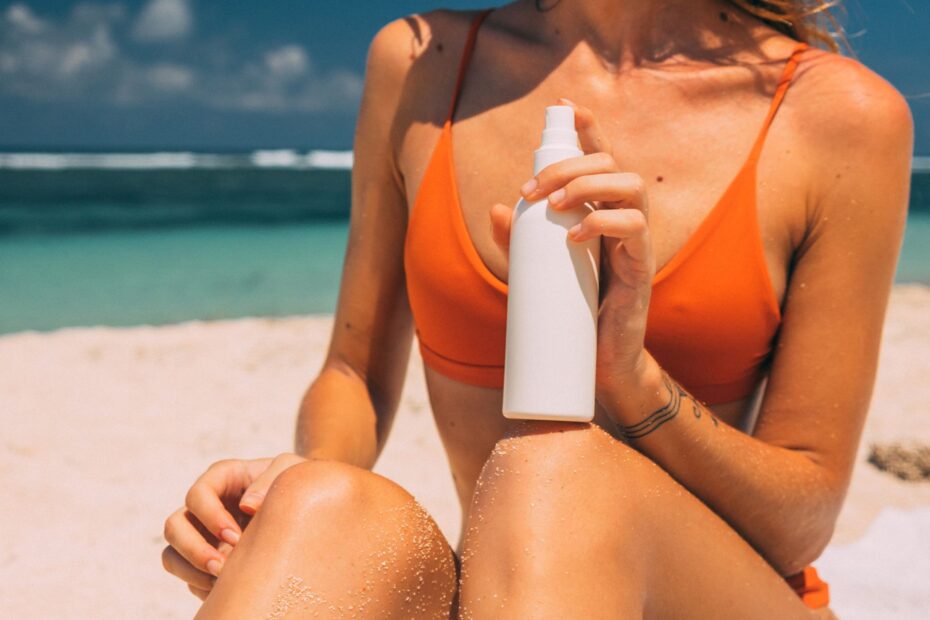
Hours in direct midday sun can create two separate problems: UV radiation damages skin, while sweating, dry air, activity, and missed drinks reduce body fluid. A breezy beach walk or open-top bus ride can leave you red, thirsty, headachy, and weak before dinner.
Here, you’ll find the exposure, fluid-loss, symptom, recovery, and care choices that matter on flights, tours, beaches, hikes, cruises, and high-altitude trips.
Sunburn and Dehydration Have Different Physical Causes
A tender shoulder and dry mouth can appear together, yet they begin in different body systems. Sunburn is skin damage caused by UV radiation. Dehydration develops after your body loses more water and electrolytes than you replace.
Your itinerary can bring both problems together. Hours outdoors raise UV exposure, while heat, walking, swimming, alcohol, and delayed meals raise fluid loss. A painful burn adds physical stress, so thirst, fatigue, headache, and weakness may feel harder for you to sort out.
| Condition | Direct cause | Common travel clues |
|---|---|---|
| Sunburn | UV radiation injures skin cells | Redness, warmth, tenderness, swelling, blistering |
| Dehydration | Fluid loss exceeds fluid intake | Thirst, dry mouth, dark urine, fatigue, dizziness |
| Heat exhaustion | Heat strain plus fluid and salt loss | Heavy sweating, nausea, weakness, clammy skin |
| Heatstroke | Body temperature control fails during heat exposure | Confusion, collapse, seizures, altered behavior |
Sunburn can add fluid loss through inflamed skin, but water alone cannot undo UV injury. Cooling and sun protection matter alongside fluids.
UV Radiation Damages Skin Before Pain Begins
UVB Causes the Visible Burn
Redness can take several hours to appear because inflammation builds after the initial exposure. UVB rays drive much of the visible burn by damaging cells in your outer skin layers. Blood flow rises as your body responds, causing heat, soreness, swelling, and, after stronger exposure, blisters.
UVA rays reach deeper skin layers and contribute to wrinkles and uneven pigment over time. Both UVA and UVB rays add to skin cancer risk, including melanoma risk. Broad-spectrum sunscreen matters because your skin receives both types of radiation during outdoor travel.
Clouds and Glass Do Not Block Every Ray
Gray skies can disguise a high-exposure day. Cloud cover blocks part of the sun’s energy, yet enough UV radiation can reach your skin to cause a burn. Cool air and wind also reduce the heat signal on your face, chest, and shoulders.
Window glass brings a separate concern. Most vehicle glass blocks much UVB but allows substantial UVA through, so your arms and face can receive UVA during a long drive. Your exposed skin still needs coverage during scenic routes, ferry crossings, and window-seat flights near intense daylight.
The phrase sun poisoning is not a formal diagnosis. It describes severe sunburn or a strong whole-body reaction that can include extensive blistering, fever, chills, headache, nausea, and weakness. Those signs overlap with heat illness, so your setting and physical state matter.
Because both conditions can mimic each other, altitude, reflective surfaces, and outdoor schedules help explain the risk.
Travel Settings Intensify Sun Exposure
Outdoor Minutes Add Up
A 20-minute walk to breakfast, a noon museum line, and a late-afternoon waterfront stroll can add up to hours outside. Sightseeing shifts your attention toward maps, photographs, transportation, and reservations. Your sunscreen may wear away before you realize shade has disappeared.
Beach days, pool time, open-air tours, cruises, bike rentals, and long city walks leave large areas of skin exposed. The CDC Yellow Book highlights sun protection for travelers because unfamiliar surroundings can interrupt routines that work at home.
Reflective Surfaces Reach Exposed Skin
Water, sand, snow, pale stone, and light pavement bounce UV radiation upward. Reflected light reaches the underside of your chin, the sides of your neck, the backs of your legs, and skin near swimsuit edges. An umbrella blocks overhead rays but does not stop reflected light from nearby sand.
| Travel setting | Exposure pressure | Practical response |
|---|---|---|
| Beach or pool | Water reflection and repeated swimming | Cover shoulders and reapply after swimming and towel drying |
| Snow destination | Snow reflection and high altitude | Use face coverage, lip protection, and dark sunglasses |
| Walking tour | Long pavement exposure with few shade stops | Schedule indoor breaks and carry water |
| Cruise deck | Open horizon, wind, and reflected water light | Wear protective clothing before reaching the deck |
Altitude and dry climates add another layer of risk. Less atmosphere filters UV radiation at higher elevations, so a mountain town can deliver stronger UV than a warmer lowland city. Check the daily UV Index before leaving your lodging; a high number calls for tighter timing, clothing, shade, and sunscreen habits.
Heat, Dry Air, Activity, and Travel Routines Increase Fluid Loss
Sweating Is Not the Only Source of Fluid Loss
Fluid leaves your body through sweating, breathing, urination, vomiting, diarrhea, and fever. Hot or dry climates increase loss through skin and breath, while uphill streets, hiking, beach games, and luggage hauling raise sweat output. Your need for fluids can rise before intense thirst starts.
Airplane cabins have low humidity, which can leave your throat, eyes, and nose dry. Flying alone does not always lead to severe dehydration, but regular drinking helps during a flight after airport walking, alcohol, salty food, or poor sleep.
Travel Habits Can Mask a Fluid Deficit
- Skipped breakfast: A missed meal removes fluid, sodium, and carbohydrates that help your body handle a hot morning.
- Alcohol rounds: Alcohol raises urination and can dull your awareness of thirst, heat, and poor judgment.
- Stomach illness: Vomiting or diarrhea can drain fluid and electrolytes fast, especially during heat exposure.
- Long transfer days: Airport lines, road stops, and tour schedules can leave your bottle empty for hours.
- Drying medicines: Some medicines can worsen dry mouth, sweating changes, or heat intolerance.
Diuretics, certain antihistamines, some acne medicines, and some antibiotics deserve attention before departure because they can affect fluid balance, heat tolerance, or photosensitivity. Ask your prescriber or pharmacist about your medicine list before travel rather than stopping prescribed medicine on your own.
Urine color and frequency offer useful field clues. Pale yellow urine and regular bathroom visits point toward adequate intake, while very dark urine or long gaps call for rest and fluids.
Symptoms Separate Mild Dehydration From Heat Illness and Severe Sunburn
Skin Changes Point Toward a Burn
Warm, red, painful skin that matches exposed areas points toward sunburn. Discomfort can grow through the evening, and redness may deepen overnight. Blistering, marked swelling, fever, or pain that blocks sleep moves the problem beyond a mild burn.
Dehydration symptoms while traveling involve your whole body rather than one patch of skin. Thirst, dry mouth, darker urine, less frequent urination, headache, tiredness, lightheadedness, and muscle cramps fit a fluid deficit. Several of those signs also occur with heat illness.
Heat Exhaustion Requires Fast Cooling
Heavy sweating, weakness, nausea, dizziness, headache, and cool or clammy skin fit heat exhaustion more closely than sunburn alone. Move out of heat, loosen extra layers, cool your body, and drink small amounts steadily. Continuing a tour can move your body toward a far more dangerous state.
Heatstroke is an emergency. Confusion, fainting, seizures, unusual behavior, or severe overheating after heat exposure demand emergency help and aggressive cooling while help is on the way. Thirst is not a reliable warning sign at that stage.
| Pattern | Common signs | Next action |
|---|---|---|
| Mild dehydration | Thirst, dark urine, dry mouth, mild headache | Rest in shade or air conditioning and sip fluids |
| Sunburn | Red, hot, tender exposed skin | Cool skin and block further UV exposure |
| Heat exhaustion | Sweating, nausea, weakness, clammy skin | Cool down promptly and rehydrate |
| Heatstroke | Confusion, collapse, seizure, severe overheating | Call emergency services immediately |
Feeling thirsty, tired, or headachy after a burn can follow inadequate cooling and drinking. Fever, chills, nausea, and malaise, sometimes called sun flu, can last about one to three days in a mild reaction. Severe, persistent, or worsening illness needs medical assessment rather than hotel-room guesswork.
A Travel-Day Routine Protects Skin and Replaces Fluids
Protection Starts Before Exposure
Clothing gives your skin a physical barrier that does not wear away with sweat. Wear a long-sleeved shirt or cover-up, a wide-brimmed hat, sunglasses with UV protection, and take shade breaks. Broad-spectrum sunscreen fills gaps on ears, hands, feet, scalp lines, and neck.
Your sunscreen needs reapplication after swimming, heavy sweating, or towel drying. Put on enough to form an even layer rather than a thin cosmetic film. A small travel bottle in your day bag works better than a full container left in the hotel room.
Water Stops Fit Into Existing Routines
- Before boarding: Fill your bottle before a flight, ferry, bus, or train so your first drink is not delayed.
- At each meal: Drink water with breakfast, lunch, and dinner during a packed sightseeing schedule.
- At sunscreen time: Take several drinks each time you reapply protection to exposed skin.
- At activity breaks: Pause after a climb, swim, or long walk for shade, water, and a body check.
- Before alcohol: Drink water and eat a meal before cocktails, then alternate alcoholic drinks with water.
Plain water and normal meals suit ordinary activity. Electrolytes from an electrolyte drink or oral rehydration solution fit prolonged heavy sweating, vomiting, diarrhea, or a long stretch of heat exposure. A commercial oral rehydration solution has measured salts and sugar that help your intestine absorb water during illness.
Beach plans need more than an icy drink from a snack stand. For how to prevent dehydration on a beach vacation, bring filled water before reaching the shore, place shade close to your base, and leave during the hottest part of the day. On a hike, carry more fluid than a casual city walk and turn around before heat symptoms worsen.
Same-Day Recovery Starts With Cooling, Fluids, and Less Exposure
Cooling Reduces Further Skin Stress
Get indoors or into deep shade as burning starts. Cool your skin with a cool shower or damp compress, then use a gentle fragrance-free moisturizer. Loose clothing reduces rubbing across painful areas, while more sun exposure can deepen the injury.
Skip direct ice, harsh scented products, and tight adhesive bandages on burned skin. Do not deliberately break blisters; intact skin acts as a barrier against infection. Your goal is comfort and protection while inflammation settles.
Small Sips Are Easier to Tolerate
Rest in a cool place and drink water in frequent small amounts. Nausea can make a large volume hard to keep down, while repeated sips are easier for your stomach. Oral rehydration fluids fit major sweat loss or gastrointestinal illness, not every mildly thirsty afternoon.
- Leave the heat: Choose air conditioning, deep shade, or a cool indoor room before drinking large amounts.
- Cool exposed skin: Use cool water or a damp cloth for 10 to 15 minutes at a time.
- Sip fluids steadily: Take water every few minutes instead of forcing a large bottle quickly.
- Eat gentle food: Choose a normal meal or snack after nausea eases and fluids stay down.
- Reassess for hours: Watch for clearer thinking, better urination, less dizziness, and easing thirst.
Improving alertness, urination, balance, and the ability to keep fluids down point toward continued self-care. Worsening dizziness, repeated vomiting, spreading blisters, or fever changes the decision. What to do for sunburn and dehydration depends on that direction, not on the label attached to your symptoms.
Once symptoms point toward a more serious problem, self-care gives way to decisions about medications and medical help.
Red Flags, Medication Risks, and Care Planning Change the Next Step
Emergency Signs Override Travel Plans
Confusion, fainting, seizures, inability to drink or keep fluids down, severe weakness, very little urination, and suspected heatstroke require urgent medical care. Call the local emergency number, start cooling, and do not leave a confused person alone.
Widespread blistering, severe swelling, intense pain, fever with worsening illness, pus, spreading redness, or sunburn in an infant or young child also deserves prompt evaluation. Your travel insurance card, lodging address, and local emergency number can save minutes during a stressful handoff.
Medication and Distance Reduce Your Margin for Error
Photosensitivity means your skin reacts more strongly to sunlight after exposure to a drug or substance. Some antibiotics, acne medicines, diuretics, antihistamines, and medicines that affect sweating raise your risk. The American Academy of Dermatology advises discussing medication-related sun sensitivity with a health professional.
A remote trail, small island, or desert drive leaves less room for symptoms to worsen. Carry required medicines, water, oral rehydration supplies, a charged phone, and a written list of health conditions. Tell a travel companion what heat illness looks like and where your emergency information sits.
Sunburn and dehydration while traveling become more dangerous when embarrassment keeps you moving. Stop the activity at the first clear sign of trouble, cool down, drink what you can tolerate, and seek care before weakness or confusion removes your ability to choose.
What to Remember
Your skin burns from UV radiation, while dehydration follows a gap between fluid loss and intake. Travel can widen both risks through reflective surfaces, altitude, heat, dry cabins, outdoor schedules, alcohol, and limited shade. Protect your skin before exposure, drink through the day, and treat confusion, collapse, severe blistering, or failed hydration as a medical problem rather than an inconvenience.
FAQ
Is it normal to feel dehydrated after a sunburn?
Yes, thirst, headache, and fatigue can follow a burn after heat exposure, sweating, and too little drinking. The burn does not always cause dehydration by itself, but inflamed skin adds stress and can blur the signs. Rest, cool down, drink steadily, and watch for worsening dizziness or low urine output.
What organ is damaged by sunburn?
Even a mild burn injures the skin, the body’s largest organ. UVB causes much of the visible injury in outer skin layers, while UVA reaches deeper and contributes to long-term changes. Repeated UV damage raises skin cancer risk, so your protection habits matter long after redness fades.
What are the first signs of sun poisoning?
Sun poisoning symptoms can include severe redness, swelling, blistering, fever, chills, headache, nausea, and pronounced weakness after sun exposure. The phrase describes a severe reaction rather than a formal diagnosis. Seek medical care for extensive blisters, worsening fever, confusion, dehydration, or symptoms that do not ease with cooling and fluids.
How can you tell the difference between dehydration, heat exhaustion, and heat stroke?
Dehydration centers on thirst, dry mouth, dark urine, headache, and lightheadedness. Heat exhaustion adds heavy sweating, nausea, weakness, and cool clammy skin. Heatstroke brings altered mental status, fainting, seizures, or severe overheating and requires emergency care immediately, even when your skin feels dry.
How long does sunburn fatigue last?
Mild fatigue from sun exposure can fade within a day after cooling, sleep, food, and fluids. Fever, chills, or malaise linked to a mild sun reaction can last one to three days. Persistent fatigue, worsening pain, vomiting, or reduced urination calls for medical evaluation.