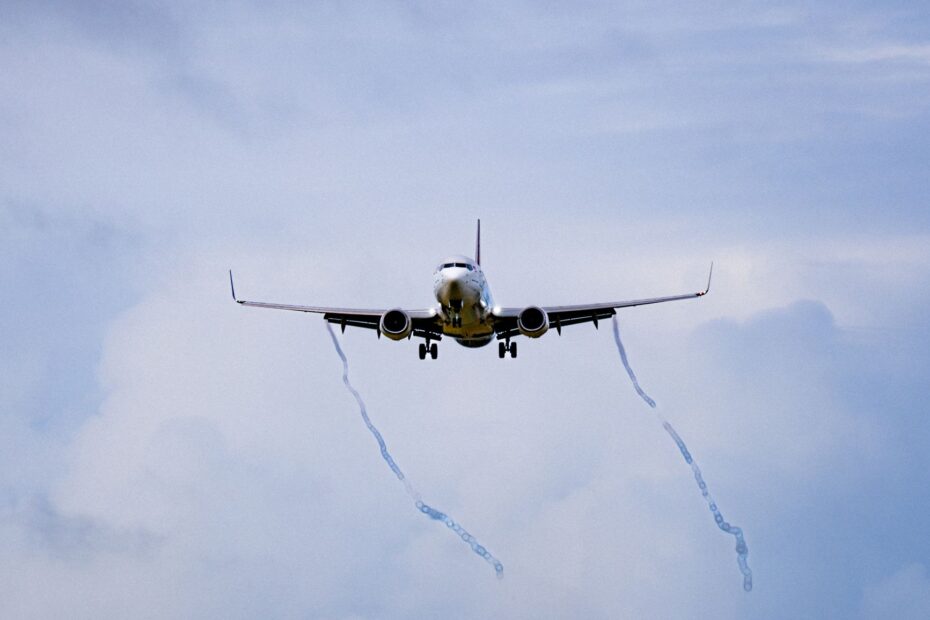
Turbulence, confined cabins, and a lack of control can register as threat signals, triggering crash fears, panic sensations, or distress tied to past experiences. Your body can trigger an alarm even though commercial aviation follows multiple safety rules. The gap between what you know and what you feel can be exhausting.
This article explains how cabin sensations, uncertainty, earlier frightening experiences, and broader stress can intensify fear before a planned flight, then considers ways to recognize and manage recurring triggers.
Flying Fear Activates a Threat Response
A racing pulse at the gate does not mean you lack reason. Fear of flying, also called aerophobia, can start days before departure, build in the terminal, or peak after takeoff. Your nervous system reacts to perceived danger rather than a list of aviation facts.
Commercial aircraft operate under layered crew, maintenance, and operational rules. In the United States, commercial operations follow standards set by the Federal Aviation Administration (FAA). Yet cabin noise, uncertainty, confinement, and limited exit options can still make your body feel threatened.
Different fears can trigger the same body alarm
Chest tightness, nausea, sweating, shaking, and rapid breathing can come from several fears. Your concern may center on a crash, while another passenger fears being trapped in the cabin or having panic attacks away from an exit. Adrenaline creates a similar physical response in each situation.
That distinction shapes your next step. A window view may heighten acrophobia, or fear of heights, while an aisle seat may feel less comfortable during claustrophobia. Pinpointing your main trigger gives your coping plan a clear target.
Specific Triggers Shape the Fear Experience
A narrow seat can carry very different meanings. Loss of control can make a closed aircraft door feel final, while crash fears can turn routine engine changes into warnings. Your fear of flying triggers matter more than a broad label.
| Trigger | What your mind focuses on | What can intensify it |
|---|---|---|
| Loss of control | Your lack of control over the route, crew, and timing | Delays, weather alerts, unfamiliar procedures |
| Crash fears | Your belief that sound or motion signals disaster | Accident coverage, engine noise, sudden movement |
| Turbulence anxiety | Your reaction to unpredictable cabin motion | Weather reports, storm clouds, shaking drinks |
| Claustrophobia | Your limited ability to leave the cabin | Crowded rows, closed doors, a long ground wait |
| Acrophobia | Your focus on altitude or the outside view | Window views, altitude maps, descent |
| Panic sensitivity | Your fear that body sensations will spiral | Heat, nausea, rapid breathing, boarding lines |
Claustrophobia centers on enclosure and limited exit. Acrophobia centers on altitude, visual exposure, or feeling far above the ground. Your seat choice can reflect that difference rather than follow a rigid rule.
- Choose an aisle seat. Give yourself a clearer view of the cabin and fewer barriers around your body.
- Choose a wing seat. Reduce the visual sense of height and soften some perceived motion.
- Close the shade. Block outside views that feed altitude-related fear.
- Allow extra time. Use airport time as a buffer against rushed or trapped feelings.
Body Sensations Can Feed the Anxiety Cycle
Takeoff can turn a harmless sensation into a frightening story within seconds. Acceleration presses you into the seat, ear pressure shifts, and engine sound changes during the climb. Your brain can label these expected sensations as proof that something is wrong.
Catastrophic thoughts turn discomfort into danger
- Anticipatory anxiety begins. Your mind rehearses delays, storms, crashes, or panic long before departure.
- Your body reacts. Adrenaline raises heart rate, muscle tension, sweat, nausea, and alertness.
- Danger gets assigned. You interpret dizziness or cabin sounds as evidence of an emergency.
- Fear escalates. Rapid breathing and body scanning feed the panic attack cycle.
- Avoidance follows. Canceling travel brings short relief while teaching your brain that flying required escape.
Flight anxiety symptoms can include shaking, dizziness, stomach upset, chest pressure, shortness of breath, and a pounding heart. Those sensations feel serious because your body is built to make danger feel urgent. A panic surge rises and falls; it does not mean you are losing control of your mind.
That alarm becomes especially convincing when the cabin starts moving without an obvious cause.
During a panic wave, stop checking your pulse every few seconds. Repeated body scanning gives the alarm system fresh material to label as danger.
Turbulence Feels Threatening Because It Is Unpredictable
Cabin motion feels stronger when you cannot see its source. Turbulence is moving air that shifts the aircraft, much like a vehicle crossing uneven pavement, though the feeling can be sharper at altitude. Your body receives sudden motion without a clear visual explanation.
Turbulence is not a reliable sign that an aircraft is in danger. Pilots receive weather information, alter routes or altitude where practical, and use the seat belt sign to lower injury risk. Keep your belt fastened whenever you are seated, even in smooth air.
Media exposure can distort probability
Rare aviation accidents receive intense coverage because dramatic images hold attention. Repeated clips can make a rare event feel close and frequent in your mind. Your memory holds vivid footage more easily than thousands of quiet flights that land without incident.
For turbulence anxiety, use a concrete cue rather than arguing with yourself. Watch a flight attendant walk through the aisle, notice a drink staying in its cup, or press both feet into the floor. Those details give your attention a task beyond predicting catastrophe.
Past Events and General Anxiety Raise Vulnerability
A single frightening event can become a template for later travel. A panic attack in a subway, stalled elevator, crowded terminal, or aircraft can link limited exit with danger. Your next trip then carries fear of fear itself.
Past distress can condition a fast alarm
Consider a traveler whose plane sat on the runway for 90 minutes during a thunderstorm. Heat, delay, and a closed cabin led to dizziness and panic. Months later, boarding triggers the same response because the brain linked that setting with an earlier alarm.
A difficult flight, emergency landing, accident, or trauma can leave a similar mark. Generalized anxiety disorder, panic disorder, claustrophobia, and trauma-related conditions can raise your vulnerability. Nervousness before a flight does not automatically mean you have a diagnosis.
Seek urgent medical attention for new, severe chest pain, fainting, or symptoms that feel medically different from past anxiety episodes. Do not assume every physical symptom is panic.
A Preflight Plan Reduces Uncertainty
Uncertainty gives anxious thoughts room to multiply before a trip. A written plan names your trigger, seat preference, airport timing, and response to rising fear. You are preparing for discomfort rather than demanding that every anxious feeling disappear.
Specific preparation gives anxiety less room
- Name the trigger. Write “turbulence,” “confinement,” or “panic sensations” instead of calling the entire trip frightening.
- Limit disaster content. Stop watching crash footage and weather speculation during the days before travel.
- Rehearse one phrase. Use “This is an alarm, not an emergency” during calm moments before departure.
- Arrive with time. Leave room to eat, use the restroom, and sit without rushing through security.
- Pack familiar anchors. Bring water, headphones, gum, a sweater, and offline entertainment for your seat.
Seat selection can be part of your plan rather than a superstition. An aisle seat can ease confinement, a wing-area seat can reduce your sense of movement, and a closed shade can reduce height-related distress. Your goal is a cabin setup that lowers avoidable strain.
Even a well-designed plan cannot prevent every anxiety spike, so immediate sensory tools matter.
Grounding Skills Calm a Rising Panic Wave
A sudden jolt is the time to use your plan, not judge whether you are calm enough. Fast breathing, rigid shoulders, and clenched teeth send your body a danger signal. Your next task is to send a different physical signal.
Start with your body
- Fasten your belt. Secure it low across your hips and leave it fastened while seated.
- Plant both feet. Press your shoes into the floor for 10 seconds, then release the pressure.
- Loosen your jaw. Drop your shoulders and release your hands from the armrests.
- Lengthen your exhale. Breathe in gently, then breathe out a little slower than you breathed in.
- Name five details. Identify colors, textures, sounds, and objects around your seat without scanning your body.
Music, a familiar puzzle, or a downloaded show can redirect your attention from cabin sounds. Breathing and grounding techniques work through attention and body position, not through forcing yourself to feel fearless. You can notice anxiety while staying focused on a neutral task.
Flight attendants can speak calmly, offer water, help you settle safely in your seat, and seek medical assistance through onboard procedures. They cannot deliver psychotherapy or promise that anxiety will stop at once. Tell a crew member early as your fear rises, before distress reaches its peak.
Professional Care Addresses Persistent Avoidance
Self-directed skills fit travel nerves that pass after takeoff or landing. Persistent dread, panic, canceled trips, missed work, or lost family time call for structured care. Your causes of flight anxiety can point toward the kind of care that fits your situation.
| Level of distress | Useful next step | What the work addresses |
|---|---|---|
| Your nerves are brief | Use a preflight and in-seat plan | Your routine, attention, and body response |
| Your fear drives avoidance | Speak with a licensed mental health professional | Your trigger pattern and avoidance cycle |
| Your panic feels recurrent | Ask about cognitive behavioral therapy | Your catastrophic interpretations of sensations |
| Your flights feel impossible | Discuss exposure therapy | Your gradual contact with feared travel cues |
Therapy changes learned fear patterns
Cognitive behavioral therapy, or CBT, identifies thoughts that turn motion, noise, or body sensations into catastrophe. You learn to examine those thoughts and answer them with evidence-based alternatives. CBT can reduce the avoidance that keeps fear active.
Exposure therapy uses planned, repeated contact with feared cues, such as booking a ticket, visiting an airport, sitting on a plane, or taking short flights. The pace should feel challenging but tolerable. Your nervous system learns through repeated safe contact rather than one forced ordeal.
Medication needs clinician guidance
A physician or prescribing clinician can discuss medication for a specific trip or a broader anxiety condition. Sedatives and some over-the-counter medication can cause drowsiness, confusion, or unexpected effects, while alcohol can worsen judgment and dehydration. Your plan should account for medical history, other prescriptions, and travel demands.
Medication alone does not change learned fear around flying. Pairing clinical care with rehearsal, gradual exposure, and in-flight skills gives you more than one response during a rise in anxiety.
Final Thoughts on Flying Anxiety
Your fear has a cause, even when it feels larger than the situation. Identify whether your alarm centers on control, motion, confinement, height, panic, or a past event, then match your response to that trigger. A planned seat, slower breathing, grounded attention, and professional care for persistent avoidance can make air travel feel less ruled by fear.
FAQ
What causes anxiety related to flying?
Flying anxiety can arise from loss of control, crash fears, turbulence, claustrophobia, acrophobia, panic sensitivity, or a difficult past travel event. Your body can react to cabin motion, unfamiliar sounds, and confinement as threats even though commercial flying follows strict safety rules.
Why am I anxious about flying even though I know planes are safe?
Your nervous system responds to perceived danger, not logic alone. Noise, altitude, confinement, turbulence, and a lack of control can activate the same alarm system involved in other anxiety situations. Facts about aviation safety can help, but they do not instantly switch off anticipatory anxiety.
What physical symptoms can flight anxiety cause?
A racing heartbeat, sweating, shaking, nausea, dizziness, chest pressure, muscle tension, and shortness of breath may arise before or during a flight. These sensations can feel alarming, especially during boarding or takeoff. New or severe symptoms that differ from past anxiety episodes need medical attention.
How can I calm anxiety before and during a flight?
You can name your trigger, arrive with extra time, limit disaster-focused media, and rehearse a grounding phrase before departure. During the flight, fasten your belt, press both feet into the floor, relax your jaw, and make your exhale slower than your inhale.
Can exposure therapy or CBT help with fear of flying?
Exposure therapy can reduce fear through planned contact with feared travel cues in tolerable stages. Cognitive behavioral therapy, or CBT, focuses on the thoughts that label cabin motion, body sensations, or aircraft sounds as catastrophe. Both approaches address avoidance and fear learning over repeated practice.
How do I get rid of flying anxiety?
You can reduce flying anxiety by identifying your main trigger, preparing before travel, limiting disaster-focused media, and using grounding skills during the flight. Persistent fear can respond well to CBT and exposure therapy because both approaches target catastrophic thinking and avoidance over repeated practice.