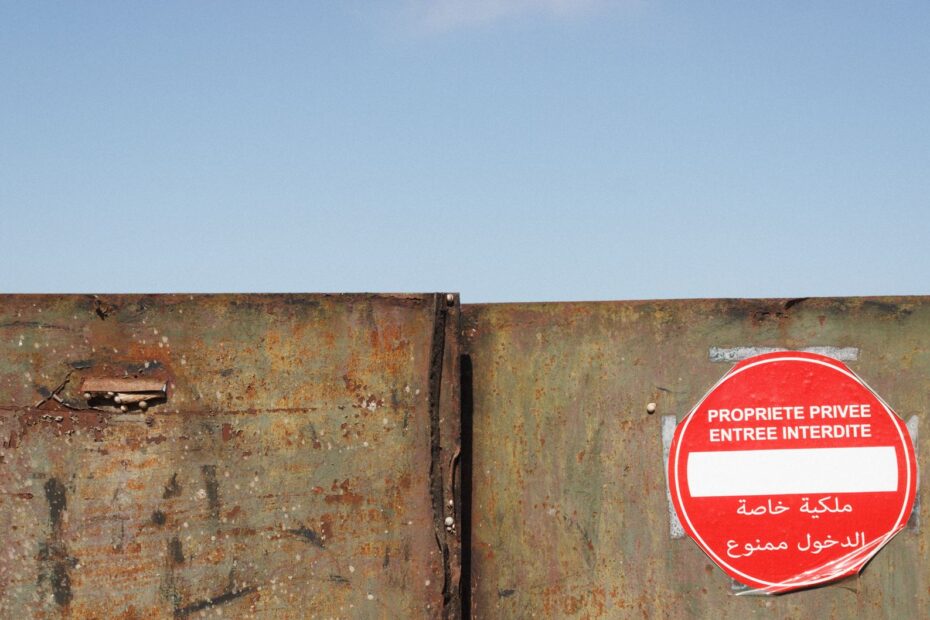
At a border desk, one missed word can turn routine directions into confusion over documents, transport, or safety. A wrong side dish creates frustration, while a misunderstood allergy warning, platform change, medication label, or border instruction can disrupt your plans, health, finances, or safety.
Here, you’ll see where communication breaks down, why risk changes by task and destination, and which practical backups fit independent trips, guided travel, and accessibility needs.
Small Communication Errors Can Trigger Larger Problems
A missed train announcement shows how quickly language barriers in travel can turn one unclear detail into several setbacks. The gap appears whenever you cannot exchange meaning reliably, whether you are reading a sign, describing a medical need, or checking an answer.
Your risk depends on the task rather than your confidence level. Ordering an unwanted side dish is low stakes. Misstating a medication dose, allergy, passport issue, police report, or transport change carries health, legal, or financial consequences.
| Your travel task | Your possible misunderstanding | Your likely result |
|---|---|---|
| Restaurant order | You receive a menu item with an unlisted ingredient | Your meal is disappointing or unsafe |
| Rail transfer | You miss a seat, date, or route restriction on the ticket | Your connection is missed or another fare is charged |
| Hotel arrival | You do not understand an ID, deposit, or arrival-time rule | Your room access is delayed |
| Pharmacy visit | You cannot clearly describe symptoms or dosage details | Your health decision lacks clear information |
Place matters as much as vocabulary. Major airports and central hotel districts tend to have more shared signs and visual systems than a rural bus stop, neighborhood clinic, or small-town government office. Your itinerary gets harder across several local transit systems without a guide.
Low-stakes errors cost time or money. High-stakes failures involve medication, allergies, police, emergency care, lost documents, or transport after dark. That difference should shape your preparation before you board the plane.
English Works in Tourism Hubs but Has Limits
English serves as a lingua franca in airports, large hotels, major museums, and international rail services. That shared working language helps you check in or ask for directions, but it does not cover every condition behind a counter.
Your English might carry you through Bangkok’s main visitor districts, yet a neighborhood pharmacy in Thailand could require symptom details beyond basic vocabulary. Regional buses, local restaurants, public offices, and emergency dispatchers may rely mainly on the local language.
Shared Language Reduces Friction in Tourism Services
English matters in the tourism industry because it gives staff and visitors a common starting point for booking, transport, hospitality, and visitor information. Plain wording, clear symbols, translated notices, and written confirmations reduce the chance that you leave with the wrong detail.
Rick Steves is known for traveling with English and varying levels of European-language ability. His practical approach favors preparation, basic phrases, patience, and local engagement rather than expecting fluency before departure.
Use English as a bridge, not an assumption. You get clearer results through calm speech, written details, and confirmation than through louder volume.
Cultural differences shape the exchange as well. A nod, pause, hand gesture, or indirect reply may carry a meaning that differs from your expectations. Intercultural competence starts with watching for confusion rather than pushing harder for a rapid answer.
When uncertainty goes unclarified at one stop, it can compound into missed connections, incorrect bookings, and avoidable costs.
Trip Stages Can Turn One Missed Detail Into Several Delays
A reservation error made at home can surface days later at a hotel desk. Booking sites may show cancellation terms, baggage rules, room taxes, or pickup instructions in wording that machine translation renders poorly, leaving you with a confirmation that looks clear but contains a missed condition.
| Your trip stage | Your common communication failure | Your practical consequence |
|---|---|---|
| Booking | You misunderstand a fare rule | Your refund request is refused |
| Arrival | You leave a border form incomplete | Your entry process takes longer |
| Transit change | You miss a platform announcement | Your reservation is lost |
| Dining stop | You cannot identify menu allergens | Your dietary need is exposed |
| Shopping purchase | You cannot confirm quantity or unit price | Your purchase differs from your intent |
At a rail station, you might show a ticket for a 14:20 departure and follow spoken directions toward a similarly numbered platform. Ten minutes later, you could learn that the train left from another level because a track change appeared only on a local-language board.
That lost connection can lead to a late hotel arrival, a missed activity, and a rushed search for assistance. Communication challenges while traveling drain confidence because each unresolved detail makes your next choice feel less certain.
Hotel check-in brings a similar problem. A desk clerk may request a passport, deposit card, local tax payment, or arrival form. Written confirmation of the amount, room number, checkout time, and breakfast rules gives you a record that spoken explanations do not.
Medical, Legal, and Financial Situations Carry the Greatest Risk
A pharmacy counter exposes the limit of casual translation. You need to describe where pain occurs, how long it has lasted, current medicines, allergies, and pregnancy status where relevant. A machine-generated sentence does not replace a qualified interpreter or clinician during a serious medical decision.
Your ability to report theft also depends on exact facts: location, time, item description, document number, and sequence of events. Police, insurers, and embassy staff need consistent details, and vague wording can slow the emergency assistance you need or complicate a later claim.
Written Evidence Protects Your Money
Confusion around money creates consumer-protection problems. Taxi-route disputes, card-terminal prompts, refund rules, insurance exclusions, and booking-condition errors are harder to challenge without a clear explanation of what staff promised or charged.
A driver who sees that you cannot read a receipt may pressure you toward an unintended purchase or claim that standard service carries an extra charge. Ask for the amount in writing, point to the displayed total, and keep the receipt.
For a taxi destination, show the saved address or map pin rather than trying to pronounce an unfamiliar street name. You remove a major source of route confusion once the driver sees the destination in local writing.
Isolation Can Narrow Your Choices
Anxiety does not stay at the border desk. It can push you toward tourist-focused restaurants, drivers, and shops because the exchange feels less risky, even though local services may fit your budget or plans better.
Your confidence grows through repeatable actions rather than forced bravery. A clear address, a saved contact, and one reliable phrase for help give you a path forward during a delay, dispute, or unfamiliar arrival.
Because urgent situations leave little time to troubleshoot, every digital aid needs a usable fallback when connections or batteries fail.
Translation Technology Needs Offline and Human Backups
A phone translates a menu in seconds, but a dead battery turns that shortcut into silence. Google Translate and Microsoft Translator offer downloaded language packs, text input, camera tools, and voice features that reduce routine friction without mobile data.
Your strongest setup uses more than one channel. Offline translation handles short text; offline maps show your position; saved addresses avoid pronunciation errors; a phrasebook preserves essentials; photos and visual references clarify foods, objects, and destinations.
- Download language packs before departure, so your phone translates text without hotel Wi-Fi or a mobile signal.
- Save destination cards with hotel, airport, and embassy addresses in local writing supplied by the property or a public source.
- Use short sentences because direct statements produce cleaner machine translation than long explanations filled with slang.
- Confirm critical details in writing, especially dates, prices, room numbers, medicine names, and departure times.
- Carry visual references such as allergy cards, a map pin, or a photo of an item you need.
Camera translation can misread stylized fonts, handwritten notices, reflections, or tightly packed text. Dialects, sarcasm, medical terms, legal wording, and image-translation errors also expose weak machine translation. Translation apps for travelers work best for short routine exchanges, not urgent decisions.
Poor connectivity adds another limit. Keep a charged power bank, a paper address card, downloaded maps, and one phone number for your lodging or a local contact. That backup matters after a flight delay, rural transit change, or lost data connection.
Pre-Departure Materials Cover Routine Gaps
The backup system works only after you load it before departure. Build the kit while you still have reliable internet, booking records, and time to check addresses against maps.
Offline Records Reduce Last-Minute Confusion
- Download offline maps that include lodging, transit stations, medical facilities, and meeting points for your first 48 hours.
- Keep reservation copies showing confirmation numbers, arrival dates, cancellation terms, and property contact details without internet access.
- Save embassy contacts for your country’s nearest embassy or consulate, including address, phone number, and opening hours.
- Store local-script addresses in your phone and wallet for lodging, airport, rail station, and a backup meeting spot.
- Keep payment details with your card issuer’s contact number and a screenshot of relevant booking conditions.
Your phrase list should cover greetings, numbers, directions, transport, hotel check-in, payment, dietary restrictions, medical needs, and emergencies. Learn the sound of “no,” “stop,” and “help” before polishing restaurant small talk.
Travel communication tips work better when they fit the exact task. A taxi driver needs an address. Hotel staff need a reservation number. Pharmacy staff need symptoms, medicine names, allergies, and the date that symptoms started.
Short Scripts Reduce Pressure
For a taxi, show the saved address and say, “Please take me here.” For a restaurant allergy request, show a card that names the ingredient, states that you cannot eat it, and asks staff to confirm the dish does not contain it.
For a lost passport, keep a plain script with your name, nationality, hotel, passport number, and embassy contact. At a pharmacy, list symptoms, current medicines, allergies, and the date symptoms began. Your notes reduce memory errors under stress.
For a hotel problem, write, “My reservation is under this name and number. Please show me the charge and room details.” The script gives staff one clear task and gives you written proof of the response.
Respectful Exchanges Improve Local Communication
Volume does not turn English into a shared language. Slow down, use plain words, pause between ideas, and give the other person time to respond. You communicate across cultures through patience and confirmation, not force.
Your gestures can clarify a map or quantity, but gestures do not carry universal meanings. Pointing, hand signs, eye contact, personal space, and humor vary by place, so watch the response rather than assuming your intent landed correctly.
Permission and Patience Build Trust
Learn a greeting, a thank-you, and a polite apology for confusion. Ask permission before using a translation app to record speech, especially in a clinic, office, or private setting where privacy deserves respect.
Limited shared language does not block cultural exchange. A vendor explaining fruit through pointing, laughter, and a calculator can leave you with more connection than a polished transaction. Your curiosity and intercultural competence carry more weight than flawless grammar.
English as a lingua franca is useful, yet it does not excuse assumptions about local customs or language ability. Speak directly to staff, avoid talking over companions, and accept imperfect exchanges without showing frustration.
Accessibility Needs Add Another Communication Layer
Hearing, vision, cognitive, speech-related, mobility-related, or literacy needs can compound language barriers in tourism. Accessible written materials, advance assistance requests, extra transfer time, and a trusted human contact give you more control during unfamiliar travel tasks.
Your needs may require more than translated text. A traveler with low vision may need verbal wayfinding. A traveler with hearing loss may need written instructions. A traveler with cognitive or speech-related needs may benefit from visual cards, predictable schedules, and a contact who understands the itinerary.
Accessibility in tourism starts before arrival. Tell airlines, hotels, tour operators, and rail services about assistance needs in writing, then save their reply. Written records reduce confusion at a gate, reception desk, or station platform.
Risk Level Should Shape Your Communication Plan
A beach hotel with airport pickup needs less preparation than three rural bus transfers after dark. Independent travel, frequent transport changes, limited connectivity, complex dietary needs, and ongoing medical concerns raise the cost of a misunderstood detail.
Three High-Risk Moments Set the Plan
- Mark critical points by naming three high-risk moments, such as border entry, a night arrival, or a medical visit.
- Choose offline backups with downloaded maps, saved documents, written addresses, and visual cards for each marked moment.
- Name human contacts such as hotel staff, a tour operator, an embassy contact, or a bilingual local service that can assist you.
- Raise support levels for serious health, legal, or safety needs by arranging multilingual assistance before departure.
Language barriers in travel become more manageable once your preparation matches the consequence of error. Fluency is useful, but clear records, offline tools, respectful behavior, and human backup matter more during high-stakes moments.
City versus rural travel changes the plan. Central tourism zones may offer English signs, card payments, and hotel staff who speak several languages. Local services outside those zones may require a saved address, cash awareness, visual cards, and more time for each interaction.
Closing Take
Your trip does not require perfect grammar. It requires a realistic view of where meaning can fail and a backup for moments with real consequences. Treat routine tasks as practice, protect health and money with written confirmation, and leave room for imperfect conversation.
That approach keeps you safer while making local encounters more open and less transactional. The goal is not fluency. It is clear communication, respectful behavior, and enough preparation to handle the moments that matter.
FAQ
How does a language barrier affect the overall travel experience?
Language gaps can slow bookings, transport, hotel arrivals, meals, shopping, and local conversations. Your trip may feel more stressful after repeated misunderstandings, especially where a missed instruction affects money, safety, or access to needed services.
What travel tasks become difficult when you do not speak the local language?
Transport changes, hotel check-in, restaurant orders, pharmacy visits, border forms, taxi directions, refund requests, and theft reports become harder without shared language. Written confirmations, saved addresses, and visual references give you clearer ways to complete each task.
Can language barriers create safety or emergency risks for travelers?
Language gaps create emergency risks during medical care, police reports, transport disruptions, lost passports, allergy incidents, and evacuation instructions. You need exact details for symptoms, locations, medicine names, document numbers, and timelines during these situations.
How do language barriers affect interactions with local people and understanding of local culture?
Language gaps can limit casual conversation and lead you to misread gestures, humor, tone, or personal-space expectations. Your patience, a polite greeting, and respect for cultural differences can still lead to meaningful local exchange without fluent speech.
Why is English important in the tourism sector, and when is it not enough?
English gives you a shared working language at airports, major hotels, attractions, and international transport services. It is not enough for every pharmacy, rural route, public office, clinic, or emergency situation, where local-language details matter.
What are real-life examples of language barriers while traveling?
You could board from the wrong platform after misunderstanding a track notice, miss a hotel check-in condition, accept a taxi route you did not intend, or order food containing an allergen. These errors become more costly after a missed reservation or health concern.