Carrying the right pack changes the way a trail feels. A bag that fits your torso, swallows your gear without sagging, and stays cool on long climbs becomes part of the rhythm, not a burden you wrestle for ten miles. The right volume depends on trip length, climate, and how much weight you genuinely need to haul.
Big hiking backpacks solve a different problem than daypacks. They handle overnight gear, layered clothing, food, and shelter, then transfer that load to your hips so your shoulders don’t take the hit. The eight picks below span ultralight thru-hikers, women’s-specific fits, hydration-focused runners, hunters who need quiet fabric, and budget-friendly weekend haulers. Each one is built around a different kind of trip, so the best match comes down to how and where you plan to walk.
The Lineup, Simplified

Big Agnes Sun Dog 45L Backpack
SVEFDOC Sea Turtle Polyester Daypack
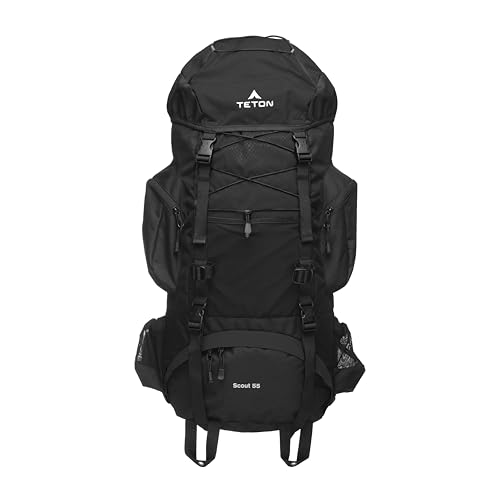
TETON Sports 55L Scout Internal Frame Backpack

Everfun Hydration Backpack 18L with Water Bladder

Gregory Jade 63L Women’s Day Hiking Backpack

Big Agnes Parkview 63L Multiday Backpack

Big Agnes Sweetwater UL 60L Backpack (Mercury)
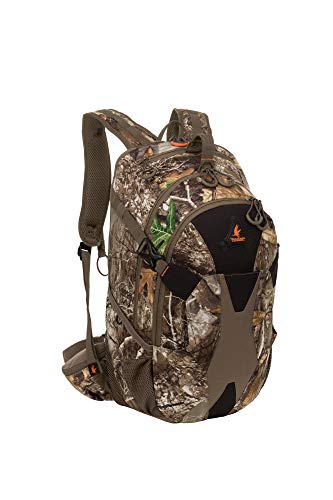
Timber Hawk Big Basin Hunting Day Pack (Break Up Country)
A Closer Look At Each Pick
The Sun Dog 45L sits in a sweet spot most daypacks can’t reach, large enough for an overnight trip with a sleeping bag and pad, small enough to stay light on a fast day hike. It’s built around a women’s-specific suspension system, which is more than marketing language here: the contoured shoulder straps, shaped hip belt, and shorter back panel match a narrower torso so the load sits closer to your center of gravity.
For hikers who want one pack that handles both a sunrise summit push and a weekend in the woods, this is the practical middle ground. The roll-top closure lets you overstuff a bit when conditions demand, and the ventilated back panel helps on warm climbs.
Strong Points
- Women’s-specific torso, shoulder, and hip geometry keeps weight off the shoulders
- Molded, breathable back panel reduces the sweaty-back problem on warm climbs
- Roll-top design flexes with your load, useful when packing an extra layer or two
- 45L is genuinely versatile, large enough for overnights, light enough for long day hikes
Things To Consider
- 45L may feel tight for a two-night trip with a full shelter and food supply
- Roll-tops require a bit of rolling technique to seal out heavy rain effectively
Who It Suits Best
Women hikers tackling overnight trips or long day hikes who want a fit designed around their frame rather than a shrunken men’s pack.
Look Elsewhere When
The TETON Sports 55L Scout Internal Frame Backpack fits better for shorter torsos and tighter budgets where a rain cover is already included.
The Sea Turtle Daypack from SVEFDOC doesn’t pretend to be a serious backcountry hauler. It leans into everyday versatility: a printed polyester shell, roomy main compartment, and two side pockets sized for water bottles or a rolled jacket. At roughly 12.6 by 16.1 by 6.7 inches, it splits the difference between a school bag and a summit pack.
Casual hikers who want a low-cost pack for short trails, travel days, or commuting will find it useful. Compared to the Sun Dog 45L above, this one skips internal framing and women’s-specific geometry, so it’s best for lighter loads and shorter distances.
The Upside
- Polyester shell with a nylon lining handles daily wear and the occasional drizzle
- Large main pocket swallows a laptop, lunch, and a layer without bulging awkwardly
- Side pockets keep water bottles or quick-grab items within reach on the move
Worth Noting
- No internal frame means heavy loads shift around and dig into the shoulders
- Print and fabric may scuff faster than dedicated hiking textiles, owners commonly report wear at stress points
- Not a substitute for a framed pack on any route longer than a few hours with a heavy load
Right Fit For
Casual day hikers, travelers, and students who want a multi-purpose bag for light trail time and daily use without overspending.
Swap It Out When
The Everfun Hydration Backpack 18L with Water Bladder is a better match for active day use where hydration matters more than laptop storage.
The TETON Sports 55L Scout is built for smaller hikers and those new to overnight trips. The shorter 3/4 frame and adjustable torso panel mean the pack actually sits where it should on a youth-sized or petite adult frame, rather than riding up at the shoulders. It also ships with a built-in rain cover, which is one less thing to forget on a wet forecast.
Beginner backpackers who don’t want to invest in a custom fit on day one will appreciate the forgiving adjustment range. The 55L volume works for one- or two-night trips with careful packing, and the price point keeps the learning curve affordable.
Practical Pluses
- Adjustable torso and straps grow with younger hikers or fit a wide range of smaller adults
- Included rain cover saves money and shelf space over buying one separately
- Internal frame transfers weight to the hips, a real upgrade from frameless daypacks
- 55L handles one- to two-night trips for most beginners without overpacking
Trade Offs
- Smaller-frame fit means taller hikers (above roughly 5’10”) may find the back panel too short for proper hip-belt placement
- Basic internal frame, not the lightest option, weight is noticeable on long climbs
Best Suited To
New backpackers, teens, and smaller-framed adults tackling their first overnight or two-night trips who want a forgiving, adjustable fit.
Not Your Match When
The Gregory Jade 63L Women’s Day Hiking Backpack is the better call for women hikers planning longer multi-day routes with heavier loads.
The Everfun Hydration Backpack is purpose-built for activities where water access matters more than sleeping-bag volume. The 18L capacity covers a cycling loop, trail run, or festival day, and the insulated sleeve keeps the included bladder cooler in summer sun. Eight organized pockets mean you can stash a phone, keys, and snacks without digging.
Runners and cyclists who need a hands-free water source will find this pack fits the role better than the SVEFDOC daypack above. It skips a frame and a hip belt, so it’s not designed for hauling weight, but for fast movement, the lighter build is the point.
What Works In Its Favor
- Includes a hydration bladder, no need to buy one separately to start running
- Insulated sleeve helps water stay cooler in warm conditions, an underrated comfort on summer miles
- Multiple pockets (around eight) keep small items organized and easy to find on the move
- Lightweight build stays out of the way during runs and rides
Honest Caveats
- 18L is too small for any overnight or multi-layer backcountry trip
- No internal frame, so the bladder plus gear shifts around when fully loaded
Who Will Love This
Trail runners, cyclists, and festival-goers who want hydration, light storage, and a low-bounce fit for fast-paced days.
Consider Something Else When
The Big Agnes Sun Dog 45L Backpack fits hikers who need a women’s-specific overnight pack with a true internal frame.
The Gregory Jade 63L is a serious multi-day pack for women who log real miles. Gregory has long built its reputation on suspension systems, and the Jade uses the same platform as the men’s Baltoro line, sized for a women’s torso and hip shape. Plus-size fits are available too, comparable to 2x-6x apparel sizing, which is worth knowing for hikers who have struggled to find a pack that fits.
This is the right pick when weekend trips turn into four- and five-day routes, and the weight adds up. The 63L swallows bear canisters, two-person shelters, and layers for cold nights without forcing you to strap everything to the outside.
Key Advantages
- Women-specific suspension carries heavy loads without hot spots on the hips or shoulders
- 63L handles two- to four-night trips with full backpacking gear
- Plus-size fit options expand the pack’s reach for hikers outside the standard size range
A Few Limitations
- Premium build comes with premium weight, heavier than the Sun Dog 45L even when empty
- Large capacity can tempt overpacking; disciplined packing keeps the load comfortable
Made For
Women tackling multi-day backcountry routes with substantial gear who want a suspension system that actually carries the weight.
A Better Fit Elsewhere
The Big Agnes Parkview 63L Backpack is worth considering for hikers who want similar volume with a more adjustable, gender-neutral fit.
The Parkview 63L pairs an aluminum perimeter frame with a molded back panel, which Big Agnes calls a hybrid approach. The result is a pack that stays stable under a heavy multi-day load without the rigid feel of older external-frame designs. The fully adjustable shoulder straps and hip belt let you dial in the fit, which matters when your pack weighs more than your dog.
Compared to the Jade 63L above, the Parkview leans more gender-neutral and is built around load-hauling rather than women’s-specific geometry. Hikers who carry photography gear, climbing racks, or hunting kit will appreciate the structure.
What Makes Sense
- Hybrid frame combines the stability of an aluminum perimeter with the comfort of a molded back panel
- 63L swallows multi-day food, shelter, and clothing without forcing external attachments
- Adjustable straps and hip belt let you tune the fit for changing layers or loads
Room For Improvement
- Empty weight is higher than ultralight options, a real cost for the structural support
- Gender-neutral fit may not match women’s-specific hip shapes as cleanly as the Jade 63L
Perfect Match For
Multi-day backpackers carrying 30-plus pounds of gear who want a sturdy, adjustable pack that hauls weight without complaint.
Another Choice May Suit
The Big Agnes Sweetwater UL 60L Backpack is the lighter option for thru-hikers who count every gram and don’t need a heavy-load frame.
The Sweetwater UL 60L is built for thru-hikers and long-distance trekkers who track pack weight the way commuters track fuel costs. The shell uses recycled nylon derived from discarded fishing nets, which is a nice environmental story, and the running-vest-style straps hug the chest and shoulders so the pack moves with you instead of swinging.
Where the Parkview 63L above focuses on hauling weight, the Sweetwater focuses on shedding it. The trade-off shows up in the load ceiling, so this isn’t the pack for hauling a bear canister full of camera gear. For pure long-distance hiking, the streamlined profile is the whole point.
Useful Strengths
- Ultralight construction reduces fatigue across multi-week routes
- Recycled nylon from recovered fishing nets keeps the material story honest
- Running-vest strap design stabilizes the load during fast or technical movement
- 60L holds a full thru-hike kit without forcing attachments on the outside
Softer Spots
- Lightweight frame is less forgiving with heavy loads, comfort drops past about 25-30 pounds
- Specialty build is overkill for casual weekend trips, you pay for features you won’t use
Who Should Grab It
Thru-hikers and experienced backpackers logging serious miles who want a streamlined, ultralight pack that moves with their stride.
Where A Sibling Pick Shines
The Big Agnes Parkview 63L Multiday Backpack handles heavier loads more comfortably, so it’s a better match for hunters or photographers carrying bulky gear.
The Timber Hawk Big Basin is built for hunters and stalkers, not casual hikers. The Quiet Cloth technology reduces the rustling noise that nylon shells make when you shift or brush past a branch, which sounds minor until you realize a single loud swish can blow a sit-and-wait morning. The Break Up Country camouflage blends into fall foliage and timbered terrain.
This is a different category from the rest of the list, and that’s the point. For dedicated hunters who want a daypack that disappears into the landscape and stays silent, the Big Basin is purpose-built.
A Strong Showing
- Quiet Cloth fabric reduces noise from movement and branch contact, a real advantage on still mornings
- Break Up Country camouflage pattern blends into wooded and brushy environments
- Hydration compatibility lets you add a bladder for long sits in warm weather
- Side bottle pouches and a waist belt with zippered pockets keep essentials within reach
Points To Note
- Daypack volume, not designed for multi-day backcountry trips with shelter and cooking gear
- Specialty build means it’s not the right choice for general hiking, you pay for camo and quiet fabric you don’t need on a trail
Built With In Mind
Hunters, stalkers, and wildlife photographers who need a quiet, camouflaged daypack for tree stands, blinds, and still approaches.
Reach For A Different Pick When
The TETON Sports 55L Scout Internal Frame Backpack is a better fit for general overnight hiking where quiet fabric and camo aren’t necessary.
Matching Your Pack To The Trail You’re Actually Hiking
Volume And Trip Length
The 40-50L range covers fast day hikes and single overnights, while 55-65L handles two- to four-night trips with full shelter and food. Going past 65L usually means winter gear, group cooking equipment, or hunting loads where bulk adds up fast. Match the pack to your longest realistic trip, not the once-a-year expedition.
Fit And Torso Length
A pack that doesn’t match your torso rides up at the shoulders and loads the lower back instead of the hips. Most quality packs, including the TETON Scout and the Gregory Jade, list torso ranges. Measure from the C7 vertebra (the bony bump at the base of your neck) down to the iliac crest (the top of your hip bones) to find your number, then match it to the spec sheet.
Frame Type And Load Capacity
Internal frames, like the one in the Parkview 63L, balance load close to the back and handle moderate to heavy weights well. Ultralight frames, like the Sweetwater UL 60L, shed grams at the cost of weight tolerance. Frameless packs, like the SVEFDOC daypack, work fine under about 15 pounds and fall apart in comfort past that threshold.
Ventilation And Back Panel Design
A molded, channeled back panel moves air across the spine and reduces the soaked-shirt problem on warm climbs. Both the Sun Dog 45L and the Parkview 63L use this approach. Mesh-only designs ventilate better in dry conditions but sag under heavy loads once the mesh stretches.
Smart Choices Before You Add To Cart
Common Buying Traps
The most common mistake is choosing volume by aspirational trip rather than real use. A 65L pack tempts overpacking, and 10 extra pounds of unnecessary gear hits the knees harder than a smaller, well-fitted pack. Another trap is buying men’s or unisex packs assuming the size down will fit a smaller frame: the hip belt sits on the wrong anatomy, and the load ends up on the shoulders where it shouldn’t be.
Where The Extra Money Goes
Premium packs like the Gregory Jade 63L put the cost into suspension systems, women’s- or men’s-specific geometry, and fabrics that resist abrasion over years of use. The payoff is comfort on long days and durability over many seasons. Budget packs like the TETON Scout or SVEFDOC daypack save money by using simpler frames and lighter-grade fabrics, which works fine for beginners and shorter trips, just don’t expect the same load-hauling performance or lifespan as a premium build.
Frequently Asked Questions
What size big hiking backpack do I actually need for overnight trips?
For a single overnight, 40-50L handles shelter, sleeping bag, and food comfortably. For two- to three-night trips, 55-65L gives breathing room for extra food and clothing layers without forcing everything onto the outside straps.
Are women’s-specific backpacks worth the extra cost?
For women with shorter torsos, the difference is substantial: women’s packs use shorter back panels, narrower shoulder straps, and conical hip belts shaped for wider hip bones. The fit transfers weight to the hips correctly, which matters more on multi-day trips.
How heavy should an empty big hiking backpack be?
For ultralight goals, under three pounds is the target, and the Sweetwater UL 60L sits in that range. For load-hauling packs, three to five pounds is normal, and the Parkview 63L falls there. Anything over five pounds empty is built for serious weight and uses accordingly.
Can I use a big hiking backpack as a carry-on for flights?
Packs in the 45-55L range with removable frames can sometimes squeeze into overhead bins, but anything larger typically needs to be checked. Call your airline before flying with a full-size pack to avoid gate-check surprises.
Do I need a rain cover if my pack already uses water-resistant fabric?
Water-resistant fabric handles light drizzle, but sustained rain finds the seams and zippers. The TETON Scout includes a built-in cover, and most major packs either include one or have a dedicated attachment point. For serious wet-weather hiking, the cover is non-negotiable.
The Takeaway
The right big hiking backpack depends entirely on the trip you actually take, not the trip you wish you were taking. Match the volume to your longest regular route, the fit to your torso, and the frame to the weight you carry. The eight packs above cover overnight weekends, multi-day backcountry routes, fast-and-light thru-hikes, and quiet hunting days, so most hikers will find a fit that matches their reality.