Working trips turn the carry-on into a mobile office. You need a shell that survives gate agents, wheels that glide across long concourses, and an organization that keeps a suit, a laptop, and a charger cable from tangling into a mess. The picks below cover different styles of road warrior, from the minimalist who packs a single change of clothes to the consultant who carries projectors and sample kits. Every option fits within standard cabin dimensions while still bringing its own spin on weight, security, and interior layout.
An Overview Of The Picks

E3 Hard Case PC TSA Olive Green Pro

Wenger Motion Carry-On Hardside Case Grey
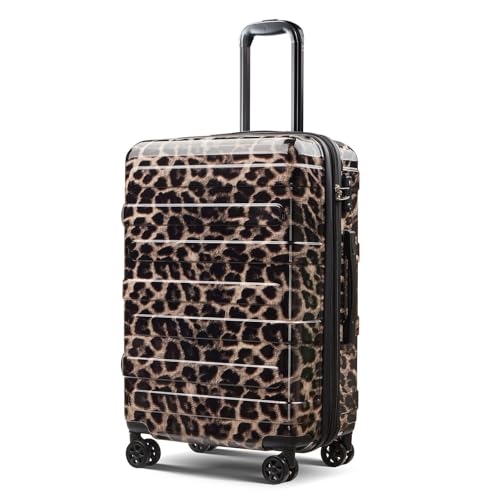
Cheetah Print Carry On Luggage 20 Inch

Joyway Front Opening PC Aluminum Carry On

Carry On Luggage 22x14x9 Airline Approved
DELSEY PARIS Flanerie SE 19 Inch Champagne

LEVEL8 Hard Shell 20 Inch Polycarbonate

American Tourister Belle Voyage Hardside 21-Inch

Thule Subterra Carry-On Spinner Black
American Tourister Belle Voyage Softside 21-Inch
Inside Each Recommended Option
The E3 opens the list because it leans hard into a single virtue: keeping weight down without giving up structure. The shell is pure polycarbonate (a tough, slightly flexible plastic favored in premium luggage), which absorbs knocks better than the ABS (a stiffer, more brittle plastic) used on cheaper hard cases. For a one-night client visit, that translates to a tote that disappears under the seat rather than fighting your shoulder through the jet bridge.
It lands squarely inside the common 55 x 40 x 20 cm cabin envelope used by most European and budget carriers, so business flyers working regional routes tend to find it slides straight into overhead bins. Compared to the larger Wenger below, this one trades interior volume for portability, and the trade-off shows up on multi-day trips.
The Helpful Details
- Polycarbonate shell resists cracking under pressure and rebounds from minor compression in cargo areas.
- Sub-3 kg build keeps the case under most airline cabin weight limits even with a laptop inside.
- Olive finish hides scuffs from baggage handling and reads more professional than bright alternatives.
- Compact 55 x 40 x 20 cm footprint suits low-cost carriers with strict cabin rules.
Worth Noting
- Smaller interior volume means business travelers on three-day trips may need to layer or compress clothes.
- Lightweight shells can feel flexy when fully packed, which some users find less reassuring than the heavier options below.
Right Fit For
Short-hop consultants and one-night travelers who value agility and want the lightest hardshell in this roundup.
A Better Fit Elsewhere
The Wenger Motion Carry-On Hardside Case suits travelers who regularly push past two nights and need an expandable compartment instead.
Where the E3 above bets on lightness, the Wenger bets on capacity that breathes. The 36-liter frame expands to roughly 43 liters when you unzip the expansion gusset, which is the difference between packing for a Tuesday-Wednesday meeting and squeezing in a full week of shirts. The Travel Sentry-approved combination lock (a TSA-recognized lock that lets airport security open and re-lock your luggage without damage) is the quiet win for anyone who has watched a bag arrive with a broken zipper pull.
Four double-spinner casters keep the case tracking straight beside you on long terminal walks. Compared to the compact E3, this one gives up some portability for genuine interior room and a more traditional security setup that frequent flyers tend to trust.
A Few Highlights
- Expansion system grows capacity by about 7 liters when needed, useful for return trips with extra documents or gifts.
- TSA-approved lock and double-coil zippers (zipper tracks with two interlocking rows of teeth for added tamper resistance) protect against casual pilfering on shared luggage belts.
- Tie-down straps and a mesh pocket keep dress shirts from shifting on bumpy taxi rides.
Points To Keep In Mind
- Hardshell with expansion adds noticeable weight versus the E3, so budget-conscious flyers packing only a change of clothes might find it overkill.
- Neutral grey is easy to lose on a crowded belt, where the Cheetah Print option below stands out.
Built With In Mind
Road warriors juggling two to four days of meetings who need a security-focused bag with room to grow on the return leg.
Look Elsewhere When
The Cheetah Print Carry On Luggage suits travelers tired of blending in at baggage claim and wanting a bold look that pops in a crowd.
The Cheetah Print option exists for a reason that has nothing to do with aerodynamics and everything to do with visibility. A bold, bright finish means you spot your case from across a baggage hall instead of circling the carousel for ten minutes, which is a real productivity win after a long-haul flight. Beyond the print, the four TPE (thermoplastic elastomer, a rubbery, grippy plastic) double-spinner wheels are tuned for tight turns in narrow aisles.
It still meets the 20-inch cabin sizing used by major US carriers. Compared to the security-heavy Wenger, this one leans visual and functional rather than feature-packed.
Useful Highlights
- Eye-catching pattern cuts down on identification time at baggage claim and reduces mix-ups on shared shuttles.
- Soft TPE wheels roll quietly on carpeted terminal floors and resist picking up debris in transit.
- Expandable build lets you pack souvenirs or extra presentation materials on the way home.
A Few Limitations
- The printed finish may show wear differently than solid colors, so over years of heavy travel the pattern can look tired.
- Lacks a built-in laptop compartment, so tech-heavy travelers should pair it with a separate sleeve.
Whose Shelf It Belongs On
Style-led travelers, creative professionals, and anyone who has lost a black suitcase one too many times and wants something louder.
Swap It Out When
The Joyway Front Opening PC Aluminum Carry On fits business travelers who carry laptops on every flight and want a dedicated sleeve inside the case itself.
Front-opening luggage used to mean tradeoffs in interior space, but the Joyway flips that script by putting a dedicated laptop compartment on the front panel. A 15-inch laptop slides in without opening the main shell, which keeps the TSA process to a single tray rather than a full repack. For consultants hopping client to client, that single-step security line matters more than any wheel upgrade.
The braking wheels and hook feet (small feet on the side of the case that let it rest upright without rolling away) are the kind of details frequent flyers notice in hotels with slippery lobby floors. The aluminum-frame edging reads as premium and stiffens the polycarbonate shell where it matters most.
A Favorable Mix
- Front laptop access means no repacking at security, saving several minutes per flight for laptop-heavy travelers.
- Braking wheels and side hook feet keep the case stationary on trains and elevators.
- Built-in phone holder on the trolley handle keeps navigation and boarding passes visible during transit.
Trade-Offs
- The front compartment reduces overall packing depth, so multi-day packers may find interior room tighter than the Wenger above.
- More mechanical parts (brake levers, frame hinges) mean more potential service points over years of use.
Feature Snapshot
Best Suited To
Consultants, engineers, and remote workers who treat their laptop like a second carry-on and want faster security processing.
Reach For A Different Pick When
The LEVEL8 Hard Shell 20 Inch Carry On fits anyone wanting straightforward TSA-locked polycarbonate without the extra mechanical features to manage.
This case targets the most common sizing question in US domestic travel: does it fit 22 x 14 x 9 inches? It does, and the polycarbonate-plus-ABS shell (ABS, or acrylonitrile butadiene styrene, is a rigid, lighter plastic often blended with polycarbonate for budget-friendly shells) keeps weight comfortable for a budget cabin case. Frequent flyers who fly legacy US carriers on short routes will appreciate not having to gate-check.
The expandability gives the same breathing room as the Wenger above, just in a different finish. Compared to the premium DELSEY below, this one skips vegan leather trim in favor of a more practical, scrubbable surface that shrugs off coffee splashes.
Everyday Wins
- 22 x 14 x 9 inch sizing matches the most common US cabin allowances, reducing gate-check surprises.
- Expandable shell absorbs extra room for return-trip packing without breaking cabin limits.
- PC+ABS blend delivers impact resistance at a lighter carry weight than pure ABS shells.
Honest Caveats
- Budget-tier shells can show scuffs faster than the DELSEY’s textured finish, so appearance-conscious travelers may notice wear sooner.
- Lacks the front-opening laptop access of the Joyway above, which matters on heavy tech days.
Quick Facts
Perfect Match For
Domestic commuters and budget-focused business travelers who fly the same US routes often and want a reliable, no-surprises cabin case.
Consider Something Else When
The DELSEY PARIS Flanerie SE fits client-facing travelers who want a more polished exterior for hotel lobbies and meeting entrances.
DELSEY’s Flanerie collection leans Parisian, and the SE trim carries a small diamond-grain texture (a fine repeating pattern pressed into the shell that scatters light and hides micro-scratches) across the polycarbonate shell. The vegan leather accents and champagne tone read as upscale without tipping into flashy, which suits meeting-heavy weeks where you roll straight from airport to client site. The 19-inch frame lands on the smaller side of cabin sizing, giving it a slight edge on regional jets with tight overhead bins.
Compared to the budget Carry On Luggage above, this one carries more visual identity and a tighter interior. Dual-density wheels (wheels built with two hardness levels for quieter rolling and longer wear) help absorb sidewalk vibration when you cross a hotel driveway at speed.
What Works In Its Favor
- Champagne vegan leather trim creates a polished look for client-facing arrivals.
- 19-inch cabin sizing fits regional jets and smaller overhead bins that reject standard 22-inch cases.
- Diamond-grain texture hides everyday scuffs and resists showing fingerprints on the shell.
Soft Spots
- Smaller interior volume means layering and rolling clothes tightly for multi-day trips.
- Vegan leather accents can wear differently than the shell over years of use, depending on how the case is handled.
Made For
Senior executives and client-facing consultants who want a luggage piece that visually matches the boardroom rather than the baggage hall.
Not Your Match When
The Thule Subterra Carry-On Spinner suits travelers who value interior compression and packing flexibility over exterior styling.
The LEVEL8 brings a three-layer polycarbonate build, which is essentially a thicker, layered version of the same plastic used in single-layer shells. That extra layering trades a small amount of weight for noticeably better impact absorption, useful for checked-cargo experiences even though this is a cabin case. The integrated TSA-approved combination lock avoids dangling padlocks that can trigger extra screening.
Compared to the Joyway above, this one keeps the build simple and skips the brake and phone-holder features. That keeps the moving-parts list short, which is the kind of detail matters when you depend on the same case every week.
Points In Its Favor
- Three-layer polycarbonate absorbs impact from rough baggage handling more reliably than single-layer shells.
- Integrated TSA lock reduces the chance of forgotten padlocks and zipper damage at screening.
- Smooth-glide zippers resist snagging on overstuffed packing at the end of a trip.
Potential Sticking Points
- No front laptop sleeve, so tech-heavy travelers will need a separate laptop bag.
- Standard 20-inch sizing may push the cabin limit on some ultra-strict low-cost carriers where the E3 above fits more easily.
At A Glance
Who Should Grab It
Travelers who want a long-haul-ready shell without the maintenance of extra mechanical parts, ideal for weekly flyers who value durability over features.
Skip It When
The American Tourister Belle Voyage Hardside fits travelers who prefer a more established brand name and traditional spinner layout.
American Tourister built its name on dependable mid-tier luggage, and the Belle Voyage Hardside carries that reputation forward with a classic 21-inch cabin profile. The shell, the spinner wheels, and the trolley handle are all tuned for repetitive business travel rather than occasional vacation use. For someone flying three or four segments a month, the brand’s decade-plus of testing protocols matters in real-world wear.
Compared to the LEVEL8 above, this one trades the three-layer shell claim for an established warranty path and broader global parts availability. That tends to matter when you need a repair in a city where the original maker is harder to find.
Strong Points
- 21-inch cabin profile suits most major airline overhead bins without squeezing interior space.
- Spinner wheels and trolley handle are tuned for high-frequency travel rather than occasional use.
- Brand-backed warranty support helps frequent flyers replace parts globally.
Worth Bearing In Mind
- Lacks the front laptop access of the Joyway, so tech-heavy travelers need a separate sleeve.
- Standard black finish blends in at the belt, where the Cheetah Print option above reduces identification time.
Who It Suits Best
Multi-trip business travelers who want an established brand, predictable replacement parts, and a hardshell that can handle weekly turnarounds.
Where Another Pick Suits Better
The American Tourister Belle Voyage Softside fits travelers who want a softer shell with stretch expansion for overpacked return trips.
Thule built the Subterra for organized packers who treat the suitcase like a kit. The included compression panel flattens clothes so you can squeeze a full week into a 55 cm frame, and the flat-fold divider keeps shoes and shirts on opposite sides of the case. Quiet-rolling spinner wheels (designed to reduce the rumble on hard concourse floors) and the V-tubing telescoping handle (a handle built from tubing shaped like a V for added strength with less flex) keep the case stable on long walks.
Compared to the DELSEY above, this one skips the leather accents and focuses entirely on interior performance. Frequent flyers who rebuild their case on Sunday night for Monday morning flights tend to gravitate toward that focus.
The Case For It
- Compression panel squeezes clothing volume down for tight weeklong packing.
- Flat-fold divider separates shoes and clothing to keep dress shirts clean.
- Quiet-rolling wheels reduce noise on hard terminal flooring during early-morning flights.
Less Ideal Details
- Lacks the polished exterior of the DELSEY, so client-facing travelers may want a sleeve or wrap for hotel lobbies.
- Internal dividers take up some interior room compared to open-shell cases like the Wenger above.
Feature Card
The Right Fit
Organized packers and gear haulers who rebuild the same case weekly and want compression and divider systems that simplify the routine.
Wrong Turns To Avoid
The E3 Hard Case PC TSA Olive Green Pro fits travelers prioritizing light carry weight over interior organization features.
The Belle Voyage Softside closes the list with the opposite philosophy from the hardshells above: a softside (a luggage case made from fabric rather than a rigid shell, allowing more give and stretch) that flexes under pressure and squeezes into tight overhead bins when the flight is full. The 1.5-inch expansion gusset means you can pack a return-trip load and still meet cabin sizing.
The single airflow spinner wheels and gold-tone hardware give the case a slightly dressier look than the Hardside version above. Compared to the Cheetah Print, this one trades visual flair for a more conservative business-travel profile.
Where It Excels
- 1.5-inch expansion absorbs return-trip overload without forcing a gate-check decision.
- Softside fabric compresses into tight overhead bins on full flights.
- External pockets offer quick access to boarding passes and passports during security.
Potential Compromises
- Softside shells offer less impact protection than the polycarbonate options above for fragile items.
- External pockets can complicate packing volume and shift interior balance when overstuffed.
Who Will Love This
Overpackers, soft-case loyalists, and travelers who regularly bring back extra materials and need a case that stretches rather than fights back.
Another Choice May Suit
The LEVEL8 Hard Shell fits travelers carrying fragile electronics who need rigid impact protection over expansion flexibility.
What To Weigh Before Choosing Cabin Luggage For Business Travel
Cabin Sizing And Airline Fit
Cabin rules vary by carrier and even by aircraft. A 22 x 14 x 9 inch case fits most US legacy carriers, while a 55 x 40 x 20 cm case matches most European and budget airlines. Buying slightly smaller than your most-used carrier’s limit protects you on regional jets with tighter bins. The cases above cover both sizing philosophies so you can match the case to your route mix.
Shell Material And Weight
Polycarbonate shells are lighter and more elastic than ABS, which is why most of the picks above lean on PC or PC+ABS blends. Three-layer polycarbonate adds impact absorption at a small weight cost. Softside shells trade rigid protection for stretch and lower cost, which matters when you regularly pack more than the case was originally designed for.
Wheels And Handle Quality
Spinner wheels reduce fatigue on long terminal walks, while braking wheels (like the Joyway above) keep the case stationary on trains and elevators. Telescoping handles with internal structure (like the V-tubing design on the Thule) flex less when the case is fully loaded. These details matter more for weekly travelers than for vacation flyers, since they accumulate over hundreds of pulls per year.
Interior Organization
Compression panels, dividers, and tie-down straps each solve a different packing problem. Compression helps squeeze clothing volume, dividers separate clean and worn items, and straps keep dress shirts from shifting during taxi rides. The Thule and the Wenger above emphasize interior organization, while the budget Carry On Luggage keeps the interior simple for fast repacking.
Key Considerations Across These Picks
Common Buying Slip Ups
The biggest mistake travelers make is buying a case that just barely meets one airline’s cabin limit and then getting caught at a different carrier’s stricter bin. Another trap is choosing a softside for fragile electronics or picking the lightest case without checking the interior volume. Measure your laptop, your suit bag, and your typical toiletries before choosing between the polycarbonate and softside options above.
Where The Extra Money Goes
A higher-tier case typically pays for thicker polycarbonate layers, branded wheel bearings, integrated TSA-approved locks, and longer warranty paths. For a once-a-year vacation, that upgrade is optional. For a weekly flyer, the smoother wheels and tougher shell earn their keep across dozens of segments per year. The DELSEY, Thule, and Joyway above represent different upgrade paths: refined finish, internal organization, and front-access laptop storage.
Frequently Asked Questions
What size cabin luggage works for most airlines?
A 20 to 22 inch case handles the vast majority of cabin allowances for major airlines. Smaller 19 inch cases fit regional jets but reduce packing volume, while anything above 22 inches usually forces a gate-check.
Is hardshell or softside better for business travel?
Hardshell cases (polycarbonate or PC+ABS) protect fragile electronics and dress shirts from compression in overhead bins. Softside cases flex to fit tight bins and stretch for return-trip overload. Frequent flyers carrying laptops tend to prefer hardshells, while overpackers lean softside.
Are TSA-approved locks worth it on cabin luggage?
For domestic US travel, the security gain is modest, but TSA-approved locks let you leave the case locked while still letting security open and re-lock it without damage. For international business trips with shared luggage belts, the lock adds peace of mind at low cost.
How important is wheel quality on cabin luggage?
Spinners save shoulder and wrist fatigue on long terminal walks, and higher-quality bearings hold up across hundreds of segments per year. Wheel replacements are usually possible on branded cases, so investing in better wheels upfront reduces long-term maintenance.
Can cabin luggage count as a personal item plus a carry-on?
Policies vary by carrier. A cabin-sized suitcase counts as the carry-on, with a personal item like a laptop bag or briefcase typically allowed on top. Always check your carrier’s specific rules, especially on basic-economy tickets where personal-item allowances are sometimes restricted.
Bottom Line
The right cabin luggage depends on what you actually pack and how often you fly. Light packers on short routes get the most from the lightweight E3 or the polished DELSEY. Tech-heavy consultants benefit from the Joyway’s front laptop access. Organized weekly flyers tend to gravitate toward the Thule’s compression and divider setup. Match the case to your most common trip length and the gear that travels with you, and the choice usually picks itself.