Car roof tents have reshaped how travelers camp, turning any vehicle into an elevated sleeping platform and skipping the hassle of ground stakes, muddy floors, and rocky terrain. The category now spans everything from inflatable canvas shelters to compact ground tents that complement a rooftop setup, plus storage canopies that protect gear between trips. With so many styles competing for attention, finding the right fit comes down to matching your vehicle, climate, and camping style.
A Side-By-Side Look

PHI VILLA Storage Tents 8x12ft Portable Garage

Coody Premium Inflatable Canvas Air Tent

ALPS Mountaineering Lynx 2-Person Tent

Flex-Bow Deluxe Canvas Camping Tent
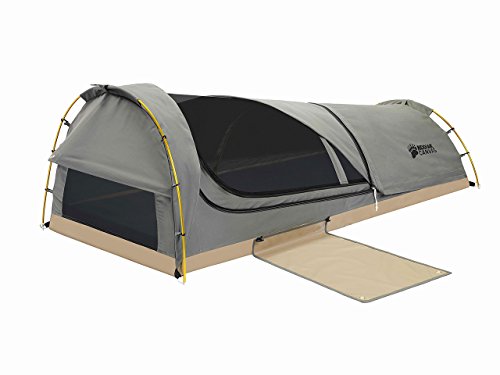
KODIAK CANVAS 1-Person Swag Tent

Gazelle T4 Waterproof 4-Person Pop-Up Tent

PHI VILLA 13x24ft Portable Garage Carport
Meet The Standout Selections
Roof-top campers often overlook what happens between trips, and the PHI VILLA 8x12ft storage shelter fills that gap nicely. The 200g PE (polyethylene) cover resists UV and water, two qualities that matter when your rooftop tent, sleeping pads, and chairs live outdoors. Roll-up doors at both ends let you drive straight in or walk gear through without dismantling the frame.
Mesh vents on each door keep air moving so damp gear dries out instead of mildewing. For anyone whose garage has already been claimed by the family car, this shelter earns its keep.
What Stands Out
- Front and rear dual-zipper doors roll up out of the way for easy drive-in access.
- Mesh vents cut condensation when temperatures swing between day and night.
- 200g PE fabric holds up to sun and rain across multi-season use.
- Compact 8×12 footprint fits a motorcycle, ATVs, or stacked camping gear.
Worth Noting
- PE fabric is sturdy but lighter than canvas; staking matters in windy spots.
- Storage-only design means no integrated sleeping space.
Who Should Grab It
Anyone parking a rooftop tent, dirt bike, or trailer between trips needs covered protection without renting a storage unit.
Swap It Out When
For an actual sleeping shelter on the trail, the Flex-Bow Deluxe Canvas Camping Tent offers a roomier, more breathable canvas experience.
Glampers tired of wrestling pole assemblies will appreciate the Coody’s inflatable frame, which trades rigid poles for air-filled beams that pitch in minutes. The cotton-canvas body breathes far better than the polyester used on budget tents, cutting the clammy feeling you get on still summer nights. A built-in stove jack (a reinforced port that vents a wood stove pipe through the tent wall) opens the door to cold-weather camping without sacrificing warmth.
Compared with the lightweight Lynx reviewed earlier, the Coody is a base-camp anchor, heavier to haul but worth the effort once parked.
Practical Pluses
- Air-beam frame collapses and redeploys faster than pole tents.
- Cotton canvas reduces interior condensation in humid weather.
- Stove jack supports wood-burning stoves for shoulder-season trips.
- Standing-height interior suits families who cook and relax inside.
Trade-Offs To Consider
- Bulky packed size fills a vehicle cargo area.
- Cotton canvas needs thorough drying before storage to prevent mildew.
- Pump and repair patches add to the gear checklist.
Feature Snapshot
Whose Trip It Belongs On
Family campers and glampers chasing all-season comfort without pole-assembly headaches.
Reach For A Different Pick When
Solo backpackers counting ounces will prefer the lighter ALPS Mountaineering Lynx 2-Person Tent for mileage-driven trips.
Pairing a roof-top tent with a ground option keeps families flexible, and the Lynx is the lightest member of this lineup. Aluminum poles (lighter and stronger than the fiberglass found on entry-level tents) keep the packed weight manageable, while mesh walls let cross breezes roll through on hot nights. Two-pole dome geometry is a tried-and-true shape that stays stable without overthinking guy lines (the cords that anchor the tent to the ground).
Where the Coody is built for parking, this one is built for hiking to a second campsite after you’ve driven as far as the road allows.
What Helps Most
- Aluminum poles cut weight without sacrificing wind resistance.
- Mesh-heavy walls promote airflow in warm-weather camping.
- Pole clips speed up setup, even for first-timers.
- Rectangular floor plan maximizes livable space per ounce.
Points To Keep In Mind
- Two-person rating is snug with gear and a dog inside.
- Lighter rainfly (the separate waterproof layer that covers the tent) can struggle in sustained downpours.
Quick Facts
Right Fit For
New campers and weekend backpackers who want a forgiving, lightweight shelter without a steep learning curve.
Look Elsewhere When
Cold-weather travelers planning to bring a stove should look at the Coody Premium Inflatable Tent instead.
Long-haul base-camp trips deserve a tent that ages well, and the Kodiak Flex-Bow uses Hydra-Shield cotton duck canvas (a tightly woven, water-resistant cotton treated to repel rain) that breathes and tightens with use. The 6’6″ ceiling height is unusual for this category, letting most campers stand upright while changing clothes or cooking on a portable table. Flex-Bow poles bend into shape and hold tension, which is why one person can deploy the entire shelter solo.
It’s a meaningful upgrade over polyester shelters like the Gazelle T4 covered later, trading some portability for comfort and longevity.
What Makes Sense
- Hydra-Shield canvas stays watertight while allowing interior moisture to escape.
- Walk-around ceiling height suits tall campers and family setups.
- Two large D-shaped doors with YKK zippers (a premium, snag-resistant zipper brand) keep entry smooth.
- Flex-Bow frame means one person can pitch and break camp.
Honest Caveats
- Heavy packed weight rules out backpacking.
- Cotton must dry fully before long-term storage.
Spec Overview
Made For
Car-campers who set up a single base for a week and want a canvas tent that feels like a small cabin.
A Better Fit Elsewhere
Tight on cargo space or chasing fast setups? The Gazelle T4 pop-up tent gets you camp-ready in under two minutes.
Swag tents (single-person, bedroll-style shelters that roll out flat) earn a spot on any roof-top trip when you need a quick overnight without unpacking the main tent. The Kodiak version pairs Hydra-Shield canvas with a built-in 2-inch foam pad topped with flannel, so you can roll into camp and sleep in minutes. Head- and foot-end zip windows manage airflow on warm nights, and the top unzips entirely to convert into a screened lounging area during the day.
Where the Flex-Bow is a multi-room cabin, this is a personal bivy on legs.
Positive Points
- Included foam pad with flannel cover saves packing a sleeping mat.
- Convertible top turns the shelter into a screen room for daytime use.
- Hydra-Shield canvas handles rain and dew without chemical coatings.
- Compact footprint suits truck-bed or rooftop-platform setups.
Small Caveats
- Single-person capacity leaves no room for a partner or dog.
- 6’8″ length may feel short for taller sleepers.
Best Suited To
Solo travelers wanting a grab-and-go sleep system that deploys in a couple of minutes.
Consider Something Else When
Couples or parents camping with kids should size up to the Flex-Bow Deluxe Canvas Camping Tent.
Family campers juggling kids, coolers, and dogs need a shelter that disappears from the bag and reappears as a livable room. The Gazelle T4 uses a pre-assembled hub system (the central mechanical joint that lets the frame expand outward like an umbrella) that pops into shape in under 90 seconds. Polyester construction is lighter than canvas and dries fast after rain, though it doesn’t breathe quite as well.
Mesh panels and a removable floor turn it into a sand-free beach hangout or a screened sleeping cabin depending on the trip.
Good Reasons To Consider
- Pop-up frame eliminates setup frustration for parents.
- Removable floor switches between sand-friendly and full-enclosure modes.
- Mesh screens handle insect-heavy destinations.
- Spacious footprint fits a family of four plus gear.
A Few Limitations
- Polyester can feel stuffy in still, humid weather.
- Larger packed size demands more cargo space than a backpacking tent.
Feature Card
Who Will Love This
Families new to camping who want a fast-pitch shelter that handles both overnight trips and day-at-the-beach setups.
Not Your Match When
Multi-week base campers wanting a more durable fabric should consider the Kodiak Flex-Bow instead.
For shoppers who upgraded from the smaller 8×12 PHI VILLA earlier in this list, the 13×24 model doubles down on footprint and fabric weight. The 220g PE cover is denser than the 200g used on its sibling, giving better UV resistance and longer life in full-sun driveways. Roll-up doors on both ends preserve the drive-through convenience that makes these shelters feel like a budget garage.
Mesh vents return to manage moisture, which matters when sheltering boats, RVs, or workshop equipment alongside the family car.
A Favorable Mix
- Generous 13×24 footprint handles full-size trucks, boats, or stacked gear.
- Heavier 220g PE fabric improves UV and abrasion resistance.
- Front and rear dual-zipper doors roll out of the way for vehicle access.
- Mesh vents on each door reduce interior condensation.
Things To Weigh
- Large footprint demands open yard or driveway space.
- PE, not canvas, so breathability is limited in damp climates.
The Right Fit
Homeowners protecting a vehicle, trailer, or boat from year-round weather without building a permanent structure.
Where A Sibling Pick Shines
Tighter spaces and lighter coverage needs favor the smaller PHI VILLA 8×12 model reviewed earlier.
What To Weigh Before Picking A Car Roof Tent
Match The Tent To Your Vehicle’s Roof
Before falling in love with a shelter, confirm your vehicle’s dynamic roof load rating (the maximum weight your car or SUV can safely carry while moving, set by the manufacturer). Roof racks and crossbars must support both the tent and the sleepers inside, and exceeding the limit risks damage to the roof and dangerous handling on the highway.
Climate Controls The Fabric Choice
Cotton canvas breathes and insulates beautifully in dry conditions but holds moisture in humid coastal or rainforest trips. Polyester and PE covers dry faster and resist mildew, though they trap condensation without adequate ventilation. Match the fabric to where you camp most, not where you wish you camped.
Size Up Sleeping Capacity Honestly
A “2-person” tent barely fits two adults and a backpack, so treat ratings as a starting point rather than gospel. Solo travelers often prefer the roomier feel of a 3-person shelter, while families may want a 4-person design that swallows gear as well as sleepers.
Pay Attention To Setup And Pack-Down Time
Pop-up and inflatable frames save real minutes on arrival, which matters when storms are rolling in or kids are already melting down. Pole tents take longer but pack smaller and weigh less, making them easier to stash in a roof box alongside other gear.
Key Considerations Across These Picks
Where Shoppers Go Wrong
The most common mistake is choosing a tent by peak height or sleeping capacity without checking the packed dimensions, which determine whether your gear actually fits on the roof. Read the full specs before ordering, and measure your roof rack and cargo space to confirm the bundle will work.
When Paying More Pays Off
Stepping up to canvas construction costs more up front but pays back through quieter nights, better temperature regulation, and longer service life. Higher-tier models typically use heavier zippers, sturdier poles, and reinforced seams, the details that decide whether a tent lasts three seasons or fifteen.
Frequently Asked Questions
What Is The Difference Between A Roof Top Tent And A Ground Tent?
A roof top tent mounts to a vehicle’s roof rack and unfolds upward, keeping sleepers off the ground away from water, insects, and animals. Ground tents pitch on the soil using poles and stakes, offering more interior space and easier entry at the cost of exposure to terrain.
Can Any SUV Or Truck Use A Roof Top Tent?
Most vehicles with a properly rated roof rack can support one, but the dynamic load limit must be checked against the tent’s weight plus sleepers. Smaller sedans and convertibles generally lack the rack structure and roof strength required.
Are Roof Top Tents Safe In Strong Wind?
Modern designs handle typical campground breezes, but high-wind forecasts call for lowering the tent or retreating to a sturdier shelter. Staking guylines and parking with the broad side facing into the wind both help reduce sway.
How Long Does A Roof Top Tent Last?
Canvas models commonly reach ten or more seasons with proper care, while polyester and PE versions typically last five to eight years depending on UV exposure and storage habits. Keeping the tent clean and dry between trips is the single biggest factor.
Do You Need Special Tools To Mount A Roof Top Tent?
Most tents ship with mounting hardware that fits standard crossbars, so a socket wrench and a second set of hands are usually enough. Always retighten bolts after the first few drives to confirm nothing shifts under load.
Bottom Line
The best roof-top setup is the one that matches your vehicle, your climate, and the way you actually camp, whether that’s a quick weekend on a national-forest road or a long base-camp stay in the desert. Lean on the picks above to narrow the field, then weigh capacity, fabric, and setup style against your own routine. A well-chosen tent quickly becomes the part of the trip everyone remembers most.