An Alaska cruise throws a lot at your optics: salt spray, rolling decks, gray skies at 4 a.m., and seabirds that won’t sit still. You need something compact enough to live in a jacket pocket or a small daypack, bright enough to read a whale’s fluke at half a mile, and tough enough to shrug off the occasional splash. Most travelers also want one pair that handles glacier panoramas and bird ID without swapping gear. This roundup narrows nine solid options across sizes, weights, and price tiers, so you can pick what fits how you actually sightsee.
A Side-By-Side Look
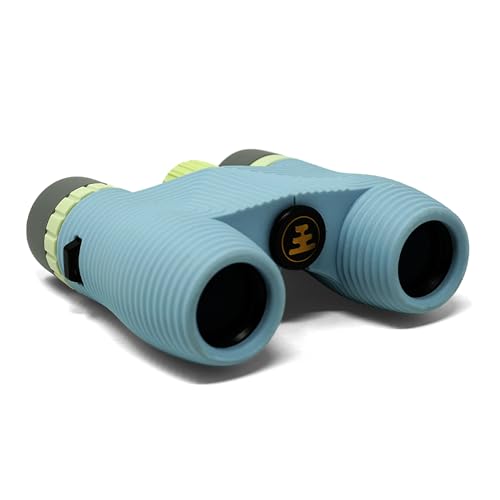
Nocs Provisions Standard Issue 10×25 Binoculars, Waterproof, Bird Watching
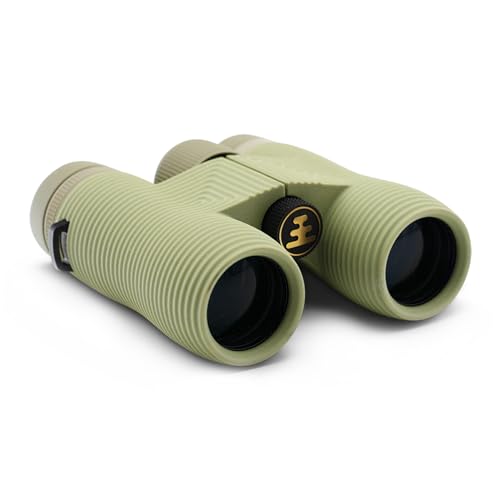
Nocs Provisions Field Issue Compact 10×32 Waterproof Binoculars Shockproof

Vortex Diamondback HD 10×42 Binoculars

Bushnell 10x42mm Trophy XLT Waterproof Binoculars

Vortex Copperhead HD 10×42 Binoculars

Nocs Provisions Zoom Tube 8×32 Monocular

Vortex Crossfire HD 10×42 Binoculars
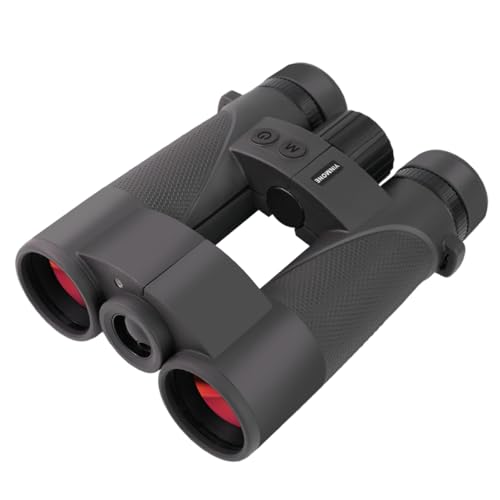
YINMONE 10×42 Laser Rangefinder Binoculars 2500Yds

YINMONE Gen2 10×42 Laser Rangefinder Binoculars 2500Yds
A Deeper Look At The Lineup
The Standard Issue 10×25 lives in that rare zone where you forget it’s in your coat. At roughly 11.85 oz, it disappears into a parka pocket, which matters on a small-ship Alaska cruise where cabin space is tight and your daypack is already loaded with layers. The 10x magnification pairs with a 25mm objective, the front lens that gathers light, so expect brighter views than the size suggests thanks to fully multi-coated optics (multiple anti-reflective layers on every glass surface).
The Swiss-designed Bak4 prism (a high-grade glass prism that routes the image cleanly to your eye) keeps the picture crisp in the gray overcast that hangs over Inside Passage mornings. A central focus wheel lets you snap from a nearby puffin to a distant glacier face without much fuss. For a first pair or a “grab and go” backup, this is the most travel-friendly pick on the list.
A Few Strong Suits
- Truly pocketable at 11.85 oz for travelers who hate neck straps
- Fogproof and waterproof sealing for splashy skiff rides
- Bak4 prism delivers a brighter image than typical 25mm bins
- Scratch-resistant exterior coating holds up to jacket friction
Honest Caveats
- 25mm objectives gather less light than 32mm or 42mm rivals after dusk
- Short eye relief can feel tight for eyeglass wearers on long watches
Whose Daypack It Belongs On
Casual cruisers who want a featherweight pair that lives in a pocket and pulls out for whale blows and harbor seals.
Swap It Out When
You’d rather have a brighter image in fading light, in which case the Nocs Provisions Field Issue Compact 10×32 Waterproof Binoculars Shockproof is the obvious step up.
The Field Issue steps up to a 32mm objective, which translates to noticeably more brightness on overcast evenings when a humpback surfaces a quarter mile out. At 16.7 oz it’s still compact enough for a binocular harness, and the oversized focus wheel is genuinely useful with cold hands or gloves on an observation deck. HiFi fully coated optics and a Bak4 prism handle the heavy lifting on image quality.
Compared to the Standard Issue in spot 1, this model gives you about a third more light gathering without much size penalty. The close focus distance near 9.3 ft also makes it versatile for studying tide-pool creatures on a beach excursion day. If you want one pair that does everything from sea birds to shoreline detail, this is a sensible middle ground.
Positive Takeaways
- Bigger 32mm lens brightens dusk whale-watching sessions
- Sealed, fogproof body handles salt spray without babying
- Smooth focus wheel stays usable while wearing gloves
- Compact enough for a chest harness during port hikes
Points To Keep In Mind
- Slightly heavier than a true pocket option at 16.7 oz
- Still not as bright as a full 42mm binocular in flat light
Made For
Active cruisers who want brighter optics than a 25mm without committing to a full-size 42mm binocular.
Reach For A Different Pick When
Low-light performance matters more than size, since the Vortex Diamondback HD 10×42 Binoculars offers a notably bigger front lens for the same 10x reach.
The Diamondback HD is the pair you reach for when image quality matters as much as size. A 42mm objective pulls in serious light, which is the difference between guessing at a whale’s fluke pattern and actually reading it at twilight. HD glass elements and full multi-coating work to suppress chromatic aberration, the color fringing that often shows up at high-contrast edges against bright sky.
It’s a meaningful jump in bulk from the Nocs 32mm in spot 2, so plan on a harness or a proper case. The payoff is a noticeably sharper, brighter image across the whole frame, which makes long days on the bow less tiring on the eyes. For travelers who plan glacier hikes at sunrise and evening photography sessions, the larger aperture earns its space in the bag.
The Value In It
- 42mm lens gathers enough light for sunrise and sunset viewing
- HD glass reduces color fringing on glacier ice against gray sky
- Multi-coated optics push light transmission higher than basics
- Durable chassis handles the bumps of skiff and zodiac landings
Trade Offs To Consider
- Bulkier than mid-size options, so a harness helps on port days
- Heavier carry in a small daypack during long hikes
Quick Facts
Right Fit For
Optics-focused cruisers who care about image quality more than shaving ounces, especially for low-light viewing.
Consider Something Else When
You’d rather stay pocket-sized, in which case the Nocs Provisions Standard Issue 10×25 from spot 1 fits better.
The Trophy XLT’s standout spec is its 6.2° angle of view, which means more scenery fits in the frame at once. That’s a real luxury when a fjord opens up and you want to take in the whole sweep without panning. The 10x42mm format matches the Diamondback above, so brightness is in the same category. Where it pulls ahead is that wide field for landscape-heavy viewing.
Birders tracking a flock of kittiwakes in flight will appreciate the easier “follow” because wide-field bins keep moving subjects inside the picture longer. The trade-off is a slightly smaller sweet spot at the edges, common for wide-angle designs. For most Alaska cruise days, which lean toward sweeping scenery over tight zoom, that balance plays out well.
Good Reasons To Consider
- Wide 6.2° field of view suits sweeping fjord panoramas
- 42mm objective supports dawn and dusk sightings
- Waterproof build shrugs off spray on open decks
- Comfortable eye relief for glasses during long watches
Worth Bearing In Mind
- Edge sharpness softens slightly compared to HD-tuned glass
- Bulkier than 32mm compacts in a small daypack
Best Suited To
Travelers who want one pair for big landscape moments and still-good birding on the wing.
A Better Fit Elsewhere
You want maximum low-light clarity for spotting wildlife at dawn, where the Vortex Copperhead HD 10×42 Binoculars is a stronger match.
The Copperhead HD is built for days that punish lesser optics. Waterproof, fogproof, and shockproof, it can take a tumble onto a wet deck without drama. The HD optical system focuses on color fidelity and edge-to-edge sharpness, which matters when you’re scanning a long shoreline looking for the contrast between a seal’s head and the water. Adjustable eyecups and a diopter (a small focus ring that corrects for differences between your eyes) let you dial in a custom fit.
Compared to the Bushnell in spot 4, the Copperhead trades some field width for tighter optical correction. On a small ship in heavy weather, that sealing and the rugged rubber armor make it the safer choice. It’s the pair you’d hand to a travel companion who’s harder on gear than you are.
Everyday Advantages
- Sealed, fogproof chassis handles misty and wet decks
- HD glass system keeps colors faithful across the frame
- Adjustable eyecups suit eyeglass wearers and bare-eye use
- Rubber armor absorbs the bumps of expedition landings
Some Limits To Know
- Slightly narrower field of view than wide-angle rivals
- Full 42mm size means a harness or roomy bag
Feature Snapshot
Who Will Love This
Travelers facing wet, misty conditions who want a sealed pair that survives rough handling.
Skip It When
You’d rather have a wider scene in the frame for landscape viewing, in which case the Bushnell 10x42mm Trophy XLT fits better.
A monocular cuts the size and weight roughly in half, and the Zoom Tube is a textbook example. At 9.5 oz it slips into a jacket pocket or even a large pocket on your rain pants. The 8×32 format (8x magnification with a 32mm objective) gives a stable image that’s easier to hold steady on a rolling deck than a 10x. The 384 ft field at 1,000 yds is generous for a single-eye optic.
It’s worth being honest about what you give up: a monocular means one eye does the work, and depth perception takes a hit compared to a binocular. For quick ID checks, reading a distant sign, or spotting a whale blow before raising the alarm, that tradeoff often pays off in convenience. The Bak4 prism and fully multi-coated lens keep image quality respectable for the size.
Useful Touches
- 9.5 oz weight makes it the lightest optic in this roundup
- Stable 8x magnification easier on a moving deck
- Bak4 prism and multi-coating for a clean, bright image
- Scratch- and water-resistant build for travel wear
Less Ideal Details
- Single-eye viewing loses some depth perception
- Lower magnification than the 10x picks on the list
Technical Highlights
Built With In Mind
Travelers who want the smallest possible optic and don’t mind sacrificing the second eye.
Not Your Match When
You plan to spend hours watching slow-moving wildlife, where binocular comfort makes the Nocs Provisions Field Issue Compact 10×32 a stronger call.
The Crossfire HD package sets itself apart by bundling a GlassPak harness, a wide strap system that keeps the binocular against your chest for quick, one-handed deployment. On port days where you’re hopping between a bus, a dock, and a trail, that hands-free carry is the difference between optics that get used and optics that stay packed away. The HD optics deliver solid resolution and color for the size.
Side by side with the Diamondback in spot 3, the Crossfire trades a touch of optical refinement for the included harness system. For most cruisers, the harness is the more useful upgrade in real life. The 10×42 format gives you the same reach and brightness as other full-size options, and the rugged body handles travel wear.
Points In Its Favor
- GlassPak harness keeps the binocular ready for quick use
- HD optical system delivers sharp, color-true views
- Full 42mm light gathering for dusk and overcast days
- Solid build for the bumps of expedition cruising
Practical Considerations
- Harness adds bulk that some travelers don’t want
- Slightly heavier than non-harness 42mm alternatives
Perfect Match For
Active port-day explorers who want hands-free carry and fast deployment between stops.
Look Elsewhere When
You’d rather travel lighter without a harness rig, where the Vortex Diamondback HD 10×42 Binoculars is the cleaner pick.
The YINMONE Rangefinder pairs a 10×42 binocular with a built-in laser rangefinder capable of measuring distances out to 2,000 yards, plus speed tracking for moving subjects. The PXA+UBX+BAK4 prism stack and multi-coated optics aim to keep the optical side respectable while the electronics do their job. For a curious cruiser who wants to know how far that shoreline actually is, that’s a fun feature.
The honest read is that this is more of a hybrid tool than a pure cruise optic. The rangefinder and speed functions are hunting-oriented, so on a vacation they’re more novelty than necessity. Battery life, button placement, and the extra bulk all matter, and these aren’t always as polished as dedicated binoculars. Tech-curious travelers who like gadgets will enjoy it; minimalists won’t.
What Helps Most
- Built-in laser ranging up to 2,000 yards adds distance info
- Speed tracking reads on moving vessels and wildlife
- BAK4 prism keeps optical quality respectable for the size
- 10×42 format matches the brightness of standard full-size bins
A Few Limitations
- Electronics add weight and battery management on long trips
- More hunting-focused than typical cruise use cases
Who Should Grab It
Gadget-focused travelers who want a single device that both sights and measures, and don’t mind extra weight.
Another Choice May Suit
You want pure optical performance without electronics, where the Vortex Diamondback HD 10×42 Binoculars is the cleaner choice.
The Gen2 model extends the rangefinder reach to 2,500 yards and adds an angle sensor with slope compensation, which adjusts distance readings for uphill or downhill angles. Scan mode tracks distance in real time as you pan, useful when you want to read a range across a long fjord wall. The bundle also includes a Pro harness for hands-free carry during excursions.
Like the other YINMONE pick, the value depends on how much you actually use the electronics. Slope compensation is genuinely clever for hikers who care about horizontal distance to a peak, but most cruisers will rarely need that level of data. The harness is a nice touch if you don’t already own one. As a feature-rich novelty, it has appeal; as a pure optic, simpler 10×42 picks handle the same viewing with less fuss.
What Works In Its Favor
- Extended 2,500-yard ranging for curious long-distance checks
- Slope compensation useful for hilly terrain and tall fjords
- Scan mode tracks distance as you pan across a scene
- Included Pro harness adds hands-free carry convenience
Where It May Fall Short
- More complex menu system than a plain binocular
- Electronics add weight compared to non-rangefinder 42mm bins
Feature Card
The Right Fit
Tech-curious travelers who want a slope-aware rangefinder bundled with a harness for varied terrain.
Where Another Pick Suits Better
You’d rather keep things simple on a cruise, in which case the Vortex Copperhead HD 10×42 Binoculars is a more focused optical tool.
Picking The Right Pair For A Cold-Water Voyage
Choosing optics for an Alaska cruise comes down to how you actually sightsee. Match the optic to the rhythm of your day, not the spec sheet.
Magnification and objective size set the basic trade-off. A 10×25 or 8×32 is small enough to vanish in a jacket pocket, but the 25mm or 32mm front lens gathers less light. By the time sunset hits a glacier face, you’ll notice the difference. A 10×42 model pulls in noticeably more light, at the cost of bulk and weight that push you toward a harness or a roomier bag.
Field of view matters more than people expect. A wider angle, like the 6.2° on the Bushnell Trophy XLT, makes panning across a fjord easier and helps track flying seabirds. A narrower field tightens the image but can feel restrictive when the scenery is sweeping. Most travelers underestimate how tiring a tight field becomes on hour three of deck watching.
Weather sealing is non-negotiable on Alaska waters. Salt spray rolls across open decks, and morning fog is routine. Look for explicit waterproof and fogproof ratings, plus rubber armor that absorbs the occasional drop. Eyecup adjustment matters if you wear glasses, since twist-up cups let you find the right eye relief without removing your lenses.
A monocular deserves a real look for one-eye travelers. The Nocs Zoom Tube weighs barely more than a deck of cards and lives in a pocket. You give up depth perception and stereo viewing, but for quick checks and whale-blow alerts, the convenience often wins.
Key Considerations Across These Picks
Where Shoppers Go Wrong
Two common traps catch first-time cruise buyers. The first is chasing the highest magnification without thinking about steady hands on a rolling deck. A 10x or 12x is plenty for shore distances, and anything higher amplifies the motion of the ship. The second is underestimating how much light a 25mm objective gathers in early morning or dusk. If you plan to be out at sunrise, a 32mm or 42mm pays off far more than the size difference suggests.
What Separates Premium From Basic
The jump from budget to mid-tier optics shows up in three places: glass quality, prism material, and sealing. HD or extra-low-dispersion glass (special glass that reduces color fringing) cuts chromatic aberration, which matters when a glacier edge sits against bright sky. A Bak4 prism is the standard for clean light transmission; cheaper prisms dim the edges of the image. And rubber-armored, nitrogen-purged bodies resist fogging when you move between the warm cabin and the cold deck, which cheaper builds often skip.
Frequently Asked Questions
What Magnification Works Best On A Cruise?
A 10x setting is the sweet spot for most cruisers. It pulls distant whales, seabirds, and shoreline peaks close enough to read, while still being steady enough to hold on a moving ship without constant shake.
Are Compact Binoculars Bright Enough In Alaska’s Low Light?
A 32mm or 42mm objective lens gathers enough light for dawn and dusk viewing on overcast days. A 25mm works fine in midday but starts to dim as the light fades, especially against a gray Alaska sky.
Do I Need Waterproofing For A Cruise?
Yes. Salt spray, mist, and sudden rain are routine on open decks. Waterproof and fogproof sealing protects the optics and keeps the interior from fogging when temperatures shift between cabin and deck.
Can I Use A Monocular Instead Of Binoculars?
A monocular handles quick spotting and travel-light carry well, especially models like the Nocs Zoom Tube. For long viewing sessions, binoculars are easier on the eyes and give better depth perception.
Is A Laser Rangefinder Useful On A Cruise?
Rangefinders add distance data that most cruisers rarely need. They’re fun for tech-curious travelers who like knowing the exact distance to a shoreline, but for typical sightseeing a quality 10×42 binocular delivers more practical value.
Closing Remarks
The right pair for your Alaska cruise depends on how you actually spend your days at sea. Pocket-friendly 25mm and 32mm options vanish into a jacket but fade fast in low light. Full-size 42mm models bring genuine brightness for sunrise decks and glacier faces, at the cost of bulk. Monoculars and rangefinder hybrids cover niche roles for travelers who want minimum weight or built-in tech. Pick the optic that matches your real itinerary, and you’ll use it every single day.