Lunch stays cold, drinks stay cold, and your catch stays cold. Picking a cooler that survives splashes, sun, and a cramped cockpit is the actual challenge for anyone who paddles regularly. This list sorts eight options by how they handle the unique demands of kayak life: wet decks, limited space, and long days on the water.
A Fast Comparison Of The Options


Engel 19qt Drybox Cooler and Lunchbox

Engel 13qt Drybox Cooler and Lunchbox
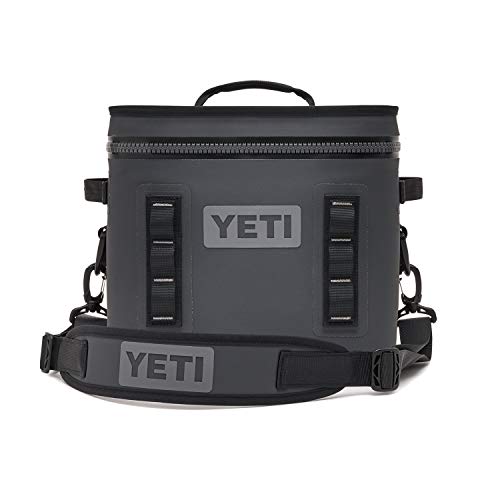
YETI Hopper Flip 12 Portable Cooler

YETI Tundra 35 Cooler, Firefly Yellow

YETI Hopper Flip 18 Portable Soft Cooler

Skywin Kayak Cooler Behind Seat

ICEMULE Classic Collapsible Sling Strap Cooler
Why These Options Stand Out
The YETI Roadie 24 2.0 fits where many hard coolers won’t, sliding behind most kayak seats without dominating the cockpit. Rotomolded construction (a single-piece molding process that creates thick, uniform walls) makes the shell tough enough to handle bumps against docks, sand, and rocky landings. The DoubleDuty shoulder strap converts between a short carry handle and a longer sling, so moving it from truck bed to deck feels more manageable than wrestling a bulky box.
For solo paddlers who want a hard cooler without committing to full-tundra size, this hits a nice middle ground. Anglers running a half-day trip can pack drinks and a couple of snacks without dedicating half the hull to ice. Compared to the Engel 19qt coming up next, the Roadie offers a slightly taller, narrower footprint that fits tight spaces differently.
Practical Pluses
- Slim profile tucks behind kayak seats with minimal cockpit intrusion
- Rotomolded shell shrugs off scrapes during beach landings
- Drain plug speeds up cleanup after a swim break
- Convertible strap adapts to short carries and longer slings
Things To Consider
- Lighter wall construction trades some weight savings for a thinner feel
- Hard exterior demands careful packing in kayaks without dedicated tie-downs
Quick Facts
Made For
Solo kayakers running day trips who want a compact hard cooler without the bulk of a full-size rotomolded box.
Where Another Pick Suits Better
For longer expeditions requiring heavier ice retention, the YETI Tundra 35 in this list gives you more interior volume and thicker walls.
The Engel 19qt earns its drybox reputation through a hard plastic outer shell paired with molded polystyrene foam insulation (a dense, closed-cell foam that resists heat transfer better than typical soft foam). Stainless steel latches and a hinged lid stay sealed under rough handling, which matters when waves slosh over the deck or the cooler ends up lashed at an angle. Anglers appreciate how the airtight seal keeps bait, sandwiches, and drinks in separate, contained compartments.
The 30-can capacity at a 2:1 ice-to-can ratio (meaning you need roughly one bag of ice for every two cans inside) gives you a full day or overnight of cold storage for two paddlers. Compared to the YETI Roadie 24 2.0 reviewed earlier, this Engel leans more rectangular and slightly taller, so it works better in kayaks with square cargo wells than narrow cockpits. For paddlers who fish or carry delicate food, the drybox aspect doubles as gear protection.
Positive Takeaways
- Airtight lid prevents leaks that could swamp a kayak hull
- Stainless latches resist corrosion from saltwater exposure
- Hard shell doubles as a step or platform when reaching the dock
- Molded foam insulation keeps contents cold for up to two days
Worth Noting
- Heavier than soft coolers, requiring solid tie-down points in the kayak
- Rectangular shape may not fit narrow cockpits or curved hatches
Feature Snapshot
Best Suited To
Paddlers running long days or overnight trips who prioritize a leak-proof seal and don’t mind extra weight.
Consider Something Else When
For tighter cockpits where weight and footprint matter more than capacity, the Engel 13qt in this list offers a similar build in a smaller package.
The Engel 13qt shrinks the drybox concept down to a footprint that slides into recreational kayak wells without a fight. You still get the same hard plastic shell and stainless steel hardware found on the larger 19qt, just in a package closer to a personal cooler size. For half-day paddlers, this hits the sweet spot between carrying capacity and cockpit fit.
The 15-can capacity at a 2:1 ice ratio makes it realistic for solo trips or short outings with a partner. Compared to the Engel 19qt reviewed earlier, the smaller size sacrifices about half the storage but gains nimbleness in tight spaces. Recreational kayakers often find this size more practical than chasing maximum capacity they won’t actually fill.
Where It Delivers
- Compact shell fits recreational kayak cargo wells and hatches
- Stainless hardware matches the larger Engel’s marine-grade durability
- Airtight seal protects electronics and snacks from spray
Minor Gripes
- Smaller volume limits multi-day provisioning
- Still heavier than soft-sided alternatives at this capacity
Quick Facts
Right Fit For
Recreational kayakers with limited cargo space who still want the leak-proof confidence of a hard-shell drybox.
Skip It When
For full-day trips where you need to pack lunch for two plus drinks, the Engel 19qt in this list gives you the breathing room.
The Hopper Flip 12 trades hard-shell toughness for portability, making it a natural fit for paddlers who hop between launches. ColdCell Insulation (a closed-cell foam that traps cold air more effectively than standard soft cooler foam) and a leakproof zipper keep ice retention competitive with smaller hard coolers, while the soft body conforms to odd cargo spaces. Wide-mouth access means digging out a drink mid-paddle without dumping the contents.
Solo paddlers who pack light appreciate how the Flip 12 straps onto a kayak deck or slides behind a seat without rigid edges fighting the space. Compared to the YETI Roadie 24 2.0 reviewed earlier, this soft cooler is lighter and more forgiving in cramped cockpits, though it lacks the same structural rigidity. For day paddles where weight and agility matter, the trade-offs make sense.
Good Reasons To Consider
- Soft body flexes around kayak contours for snug placement
- Leakproof zipper keeps meltwater contained in the hull
- Wide-mouth opening simplifies access while seated
- ColdCell foam maintains ice in warm conditions
Honest Caveats
- Less impact-resistant than rotomolded hard coolers
- Zipper requires careful cleaning to prevent grit damage over time
Who Will Love This
Solo day paddlers who want light gear and don’t need multi-day ice retention from a soft cooler.
Reach For A Different Pick When
For longer trips requiring heavier capacity, the YETI Hopper Flip 18 in this list gives you the same soft-side advantages with more room.
The Tundra 35 brings expedition-grade ice retention to kayakers planning multi-day paddles. PermaFrost Insulation (a pressure-injected polyurethane foam that fills every gap between the inner and outer walls) sits between thick FatWall construction (extra-thick rotomolded walls that slow heat transfer), and the result holds ice for days under direct sun. A bright Firefly Yellow shell makes the cooler easy to spot against dark water or shaded banks.
The trade-off is real: this cooler is heavy and demands space. Solo kayakers may struggle to load and unload it from a deck without help, but tandem paddlers or those with stern hatches can use the volume for full trip provisioning. Compared to the YETI Roadie 24 2.0 reviewed earlier, the Tundra 35 prioritizes cold-holding over portability, so it’s a specialty tool rather than a daily carry.
The Case For It
- Pressure-injected foam delivers multi-day ice retention
- Rotomolded body handles rough transport and bear country
- High-visibility color reduces loss risk at remote launches
- Generous capacity suits tandem or expedition provisioning
Points To Note
- Weight challenges solo load-in and out at steep launches
- Requires dedicated space or a cart to move between vehicle and kayak
Perfect Match For
Kayakers running overnight or multi-day expeditions who need serious cold retention and have the space to carry it.
A Better Fit Elsewhere
For day trips where weight matters more than ice life, the YETI Roadie 24 2.0 in this list is a noticeably lighter alternative.
The Hopper Flip 18 steps up from the Flip 12 with enough room for a full day of food and drinks for two paddlers. The same ColdCell closed-cell foam and leakproof zipper construction carry over, but the larger body opens up trip possibilities without forcing a jump to hard coolers. A HitchPoint Grid (a series of reinforced attachment points on the exterior) lets you clip accessories, dry bags, or carabiners to the outside for extra gear.
Compared to the YETI Hopper Flip 12 reviewed earlier, the 18 holds noticeably more while keeping the soft form factor that adapts to kayak cargo areas. Paddlers who want versatility for fishing trips, picnics on remote islands, or longer day outings find this size practical without crossing into expedition territory. For most recreational kayakers, this hits a comfortable middle ground.
Useful Touches
- Larger capacity supports day trips for two paddlers
- HitchPoint attachment system adds modular carrying options
- Leakproof zipper contains meltwater during paddle splashes
- Soft body remains forgiving in mixed cargo configurations
A Few Limitations
- Soft walls offer less protection for fragile contents than hard shells
- Larger size requires more deliberate packing in compact kayaks
Technical Highlights
Who Should Grab It
Paddlers planning full-day outings for two who want soft-side flexibility without sacrificing ice retention.
Another Choice May Suit
For solo trips where minimal weight is the priority, the YETI Hopper Flip 12 in this list is a smaller, lighter sibling.
The Skywin Kayak Cooler is built specifically for the geometry behind a lawn-chair-style kayak seat, so it sidesteps the usual fight of wedging a rectangular cooler into a curved cockpit. The narrow, compact design slips into under-seat storage where traditional coolers can’t fit, and removable mesh pockets on the outside let you organize tackle, snacks, or small gear without opening the cooler itself.
It fastens directly to the seat frame for stability through chop, and the waterproof construction handles the splash zone better than repurposed camping coolers. Compared to the YETI Hopper Flip 12 reviewed earlier, the Skywin trades general-purpose versatility for a tailored fit. Paddlers with sit-on-top kayaks and seat-back storage benefit most from the form factor.
Advantages To Know
- Custom geometry fits behind kayak seats without wasted space
- Removable mesh pockets add organized storage outside the cooler
- Secure fastening keeps the cooler stable during chop
- Waterproof build handles splash and brief dunkings
Trade-Offs To Consider
- Smaller capacity than general-purpose coolers in this list
- Form factor limits compatibility with non-kayak use cases
Built With In Mind
Sit-on-top kayak owners with lawn-chair-style seats who want a cooler that fits the hull without compromise.
Where A Sibling Pick Shines
For paddlers needing cross-over use across car camping and kayaking, the Engel 19qt in this list is more versatile beyond the water.
The ICEMULE Classic takes a different approach entirely: a soft cooler that floats, rolls up when empty, and rides across your back on a sling strap. MuleSkin fabric (a tough, welded outer layer designed to resist punctures and abrasion) and welded seams keep water out, while the IM AirValve lets you inflate the insulation layer for extra buoyancy or deflate it for compact storage. For active paddlers portaging between water sections, this versatility is rare.
It rolls up small enough to stash in a hatch when not in use, freeing deck space for fishing or paddling. Compared to the YETI Hopper Flip 12 reviewed earlier, the ICEMULE trades rigid structure for hands-free carrying and flotation. Paddlers dealing with multi-modal trips, kayak launches that require short hikes, or unpredictable conditions benefit most from the adaptability.
What Stands Out
- Floats if dropped overboard, protecting contents and gear
- Sling strap enables hands-free portaging over short distances
- Rolls down to compact size for empty storage
- Welded seams deliver waterproof performance in splash zones
Less Ideal Details
- Soft construction offers less protection for fragile items than hard coolers
- Air valve adds a setup step before first use on each trip
Feature Rundown
Whose Shelf It Belongs On
Active paddlers who portage between water sections or want a floating cooler that packs down small between trips.
Swap It Out When
For anglers needing structural protection for delicate catches, the Engel 19qt in this list offers rigid walls in a similar capacity class.
What Matters Most Before Choosing Coolers For A Kayak
Size And Cockpit Fit
The single biggest mistake is choosing capacity over fit. Measure your kayak’s usable cargo area before browsing, including behind-seat wells, stern hatches, and tank wells on sit-on-tops. A cooler that holds a weekend’s worth of food becomes a liability if it dominates the cockpit and shifts your balance. For most recreational kayaks, anything between 12 and 20 quarts fits comfortably while leaving room for a paddle and safety gear.
Retention Versus Weight
Hard rotomolded coolers hold ice longer, but they weigh more and demand stronger tie-downs. Soft coolers sacrifice some cold retention for lighter carry and flexible placement. For day trips under six hours, soft coolers with closed-cell foam perform well. For multi-day paddles or warm climates, hard coolers with pressure-injected insulation justify the extra weight through genuinely longer ice life.
Seal Quality And Drainage
An airtight or leakproof seal matters more than most shoppers expect, because any water intrusion cools your ice faster and risks wetting other gear. Look for gasketed lids on hard coolers and welded seams on soft coolers. Drain plugs speed cleanup after long days, and a tight seal also keeps bilge water out if the cooler ends up partially submerged in a swamped cockpit.
Mounting And Stability
A loose cooler is a hazard. Check whether your kayak has dedicated tie-down points, bungee rigging, or molded wells that fit the cooler footprint. Some paddlers add cam straps or deck rigging to secure hard coolers, while soft coolers can be wedged into hatches. Stability affects both safety and how often you access the cooler during a paddle.
Key Considerations Across These Picks
Mistakes Worth Dodging
The most common shopping slip is buying the biggest cooler that fits your trip on paper, then discovering it doesn’t actually fit your hull. Another trap is ignoring seal quality: a budget cooler with a flimsy lid costs more in melted ice and soggy sandwiches than a slightly pricier option with a proper gasket. Chasing maximum ice retention without considering carry weight leaves paddlers struggling at the launch ramp.
Where The Extra Money Goes
Premium coolers cost more for rotomolded or pressure-injected walls, marine-grade hardware, and welded or gasketed seals. The upgrade pays off through longer ice life, fewer failures in harsh conditions, and better protection for the contents. For casual paddlers running short trips in mild weather, mid-tier options often deliver everything needed without the premium. For serious anglers, expedition paddlers, or saltwater regulars, the higher tier earns its keep through durability and retention that budget picks can’t match.
Frequently Asked Questions
What size cooler fits behind a kayak seat?
Most kayak seats accommodate coolers between 12 and 20 quarts, depending on the hull design. Sit-on-top kayaks with tank wells handle larger hard coolers, while recreational sit-inside kayaks need compact soft coolers or specialty fitted designs. Always measure your specific cargo area before buying.
How long does ice last in a kayak cooler?
Soft coolers with closed-cell foam typically hold ice for one to two days in moderate weather. Hard coolers with pressure-injected insulation can stretch that to three or four days under similar conditions. Direct sun, frequent opening, and warm climates reduce ice life across all categories.
Can a kayak cooler get wet inside?
A proper kayak cooler should stay dry inside even when splashed. Look for airtight lids with gaskets on hard coolers and welded seams on soft coolers. Coolers without these features risk water intrusion that melts ice faster and damages food and electronics.
Do I need a floating cooler for kayaking?
Floating capability matters most for paddlers in rough water, deep lakes, or fast-moving rivers where dropping a cooler means losing it entirely. For calm lake paddles, flotation is a nice extra but not essential. Anglers and expedition paddlers benefit most from this feature.
How do I secure a cooler in a kayak?
Use bungee cords, cam straps, or dedicated tie-down points to prevent shifting. Hard coolers in tank wells can be wedged with foam blocks or strapped to deck rigging. Soft coolers slide into hatches or behind seats with less formal attachment. Test stability before launching to avoid cockpit imbalance.
Final Take
The right cooler for your kayak depends on where you paddle, how long you’re out, and how much gear you carry. Match the cooler to your hull first, then weigh ice retention against portability, and you’ll end up with gear that earns its space on every trip. Trust your real conditions, not the specs on paper.