Rolling through a long terminal on two tired wheels is no fun. The right four-wheel spinner turns airport floors, hotel lobbies, and cobblestone alleys into a much easier mile, and the difference shows up in your shoulders by gate B12. This roundup covers ten 4 wheel suitcases across carry-on, checked, and kid-sized categories, with a clear look at capacity, weight, and the trade-offs that matter once you’re mid-trip.
A Side-By-Side Look

NoBoringSuitcases Carry-On Kids Spinner

Bioworld Minecraft Creeper 20″ Carry-On

Away Bigger Carry-On Hardside Spinner 23-Inch

American Tourister Mickey Magic Carry-On 55 x 40 x 20/23 cm
Away Trunk Checked Luggage 31-Inch Hardside Spinner

Away The Carry-On Hardside Spinner 22-Inch

Away Bigger Carry-On Softside Spinner 23-Inch

Briggs & Riley Essential 22″ Carry-On Expandable Spinner (Navy)
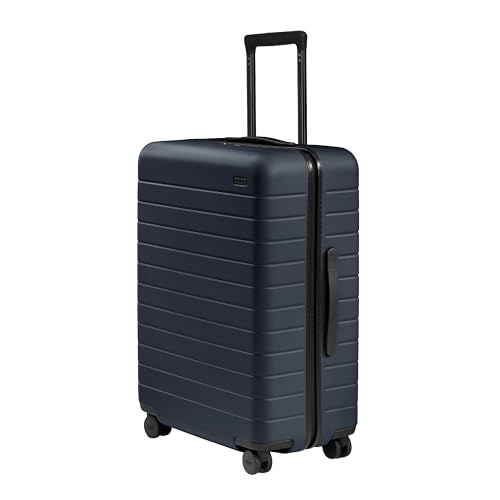
Away Medium Checked Luggage 26-Inch Hardside Spinner

Away Large Checked Luggage 29-Inch Hardside Spinner
Inside Each Recommended Option
Pulling a small roller behind a five-year-old through the check-in line takes a special kind of patience. This kid-focused carry-on pairs four smooth-rolling spinner wheels with an adjustable telescoping handle, sized down so a small hand isn’t wrestling an adult grip.
Compared with the licensed character options further down, this one leans into customizable designs rather than a single franchise. Most parents end up picking the print first and confirming maneuverability after.
What Pays Off
- Four spinner wheels handle tight concourse turns without dragging
- Telescoping handle adjusts as your child grows
- Custom prints keep the bag easy to spot at baggage claim
- Carry-on sizing avoids checked-bag fees on family flights
Small Caveats
- Capacity fills up fast once you add a tablet and stuffed animal
- Wheel durability under heavy loads tends to vary by batch
Whose Shelf It Belongs On
Families packing light for a child’s first solo flight or shared grandparent weekend.
Look Elsewhere When
The Bioworld Minecraft Creeper carry-on is a stronger fit when a specific character makes all the difference at the gate.
Few things motivate a kid to actually pack their own bag like a Creeper face staring back from the shell. This officially licensed 20-inch carry-on pairs a big green-and-black graphic with full 360-degree spinner wheels and a push-button retractable handle.
It sits between the NoBoringSuitcases kids spinner and the American Tourister Disney carry-on in spirit. The art is louder, the wheelbase is closer to a junior carry-on, and the inside nets a zippered packing curtain for the small stuff.
Notable Upsides
- Licensed Minecraft graphics earn instant kid-approval at the gate
- 360-degree wheels pivot cleanly through crowded terminals
- Zippered packing curtain keeps chargers and snacks from drifting
Worth Bearing In Mind
- 20-inch height may push the limit on stricter low-cost carriers
- Graphic-heavy shells tend to scuff visibly on rough conveyor handling
- The character focus ages out faster than plain prints
Key Specs
Perfect Match For
Tweens and younger fans who treat the suitcase like part of the costume.
Where Another Pick Suits Better
The American Tourister Mickey Magic carry-on is the smarter fit when broader Disney appeal and a built-in TSA lock matter more than a single franchise.
One step up from the standard 22-inch carry-on, this version gives a noticeably deeper packing well without surrendering bin eligibility on most major carriers. The shell is 100% polycarbonate, which means the case flexes slightly on impact instead of cracking.
Against the Away 22-inch reviewed next, the trade comes down to capacity versus weight. You get roughly an extra inch and a half of depth for the sweaters and shoes, and you carry a bit more mass across the jet bridge.
The Good Stuff
- Polycarbonate shell absorbs baggage handling better than ABS
- Fits most overhead bins while still holding a week of clothes
- Optional protection plan covers drops, spills, and broken parts
- Interior compression keeps folded layers from shifting mid-flight
Honest Caveats
- Bigger footprint can be rejected by ultra-strict budget carriers
- Hard shell shows scuffs that owners commonly try to buff out
- Lighter colorways show interior contents when held up to light
Built With In Mind
Travelers who pack for five to seven days and want a single bag for both overhead and short-haul checked use.
A Better Fit Elsewhere
The Away 22-inch carry-on suits weekend trippers who would rather shave weight than claim extra depth.
European budget flights are strict, and an extra centimeter of depth can move you from cabin to cargo hold. The Mickey Magic carry-on ships with a 20/23 cm expansion, so the same bag rides as cabin luggage when gates are tight and grows when you’re not pressed.
Compared with the Bioworld Creeper carry-on above, this one is broader in appeal but quieter in branding. The Mickey Jelly Mint colorway plays well with parents packing for kids who have aged out of one specific franchise.
Key Advantages
- Cabin dimensions match the strictest budget airline bins
- Three-digit TSA combination lock secures checked transitions
- Elastic cross straps and dividers keep outfits and shoes separate
- Hard shell resists the scuffs of gate-checked handling
Points To Keep In Mind
- At roughly 2.4 kg, it leans heavier than polycarbonate rivals in the same class
- Double-roller wheels roll well but don’t pivot as freely as true spinners
- Colorways skew toward kids and family travelers, not adult minimalist tastes
Quick Facts
Best Suited To
Families flying Ryanair or easyJet who need a Disney-branded cabin bag that meets the strictest published limits.
Swap It Out When
The Away Bigger Carry-On 23-inch makes more sense for travelers who prioritize weight savings and a true 360-degree wheel over a licensed print.
This is the bag to reach for when a two-week trip or relocation needs more than a standard 29-inch rectangle. The trunk silhouette uses a slimmer top lid and a deeper main compartment, so folded dress shirts can stack flat rather than fold over the wheel arch.
Side by side with the Away Large 29-inch checked bag, you trade a few inches of width for that deeper well. Packing cubes tend to fit more naturally, though traditional shoeboxes can require a rethink.
A Few Highlights
- Trunk shape opens wide like a dresser drawer, not a clamshell
- Polycarbonate shell flexes under load instead of cracking
- Extra-large capacity swallows wedding-guest outfits and boots
- Spinner wheels handle hotel-marble floors without dragging
Practical Considerations
- Checked-bag only; overpacked trunks can tip overweight fees
- Wider footprint may not fit in some compact car trunks on the way home
- Overstuffing the deep well can stress the hinges during rough handling
Who Should Grab It
Extended-trip travelers and relocating households that need one checked bag to hold almost everything.
Not Your Match When
The Away Medium Checked 26-inch is the smarter call for one-to-two-week trips where size matters less than maneuverability.
The classic Away silhouette, in the carry-on size that fits the broadest range of airline bins without a debate. The 22-inch hardside uses the same 100% polycarbonate shell as the larger siblings, scaled down to a footprint most travelers can lift overhead without help.
Stacked against the Briggs & Riley 22-inch reviewed later, this one skips the softside expansion and self-repairing zipper. You trade some flex and grow-room for a cleaner hardshell that shrugs off gate-check dust.
What It Does Well
- Polycarbonate build resists denting under typical handling
- Sized to clear most overhead-bin templates worldwide
- Interior compression panel flattens layers before the lid closes
- Locks in the overhead-bin category without weighing you down
Trade-Offs To Consider
- Hard shell has no give for last-minute souvenir overflow
- Scuff marks on darker shells tend to show as light lines
- Packing volume is fixed, so over-packers reach for the 23-inch
Right Fit For
Weekend and short-trip travelers who want one polished carry-on that earns its overhead-bin space.
Reach For A Different Pick When
The Briggs & Riley Essential 22-inch expandable spinner is the better call if you value a softside that stretches when you overpack.
Softside luggage has lived in the shadow of polycarbonate for a decade, but the right build can outperform a hardshell in real conditions. This 23-inch uses high-strength nylon with a water-repellent coating, so a sudden rain shower or a tipped drink on the carousel beads off instead of soaking through.
Compared with the Away Bigger Carry-On hardside earlier in this list, the case is lighter on the outside but heavier on the scale at roughly 9.7 lb. You gain flex and forgiving fabric, and you trade some dent resistance.
A Few Strong Suits
- Water-repellent nylon shrugs off rain without a cover
- Soft body compresses into tight overhead bins more easily
- External pockets keep laptop and passport within reach at security
- Less brittle than polycarbonate under repeated drops
Where It Is Less Suited
- Heavier than comparable hardsides at roughly 9.7 lb empty
- Fabric scuffs visibly and can fray at high-friction corners
- Less protection for fragile souvenirs on rough conveyor runs
Who It Suits Best
Travelers who pack a laptop and document folder and want quick-access pockets in the overhead bin.
Where A Sibling Pick Shines
The Away Bigger Carry-On hardside 23-inch is the smarter pick when impact protection and a lighter empty weight matter more than outside pockets.
Business flyers tend to overpack by exactly one suit. This Baseline Collection carry-on answers that with an expandable panel that grows the depth from 9 to 11.5 inches, then compresses back down to fit most US overhead bins. The self-repairing zipper is the quiet hero: snag the teeth on a laptop edge, and they snap back into place instead of splitting further.
Against the Away 22-inch hardside, you give up rigid impact protection for a softer, forgiving build. The four spinner wheels absorb shocks through the airport better than most hard cases can claim.
What Helps Most
- Shock-absorbing spinner wheels glide quietly across tile and carpet
- Expansion panel adds room for a third suit or duty-free haul
- Self-repairing zipper keeps minor snags from ending the trip
- Softside shell handles gate-check bumps without cracking
Honest Caveats
- Fabric exterior shows wear and scuffs more visibly than polycarbonate
- Empty weight is heavier than hardshell rivals in the same size class
- Expansion depth may push limits on a few international carriers
Feature Snapshot
Made For
Road warriors and frequent flyers who carry suits, samples, or fragile work materials.
Consider Something Else When
The Away 22-inch Carry-On hardside wins for travelers who would rather a dented but dry shell than a scuffed softside.
The middle child of the Away checked lineup hits a useful sweet spot. The 26-inch shell holds a week or two of layered outfits without tipping into the deep-trunk territory that gets harder to maneuver at the rental car counter.
Compared with the Away Trunk 31-inch earlier, you trade deep-trunk access for a more standard clamshell opening and a smaller lift weight onto the belt. For most one-to-two-week trips, that balance is the right one.
Noteworthy Benefits
- Polycarbonate shell flexes under load rather than cracking
- Interior compartments separate clean clothes from worn layers
- Spinner wheels pivot smoothly across uneven baggage hall floors
- Medium size keeps weight manageable on most airline scales
Where It May Fall Short
- Clamshell opening can crush folded dress shirts under heavy layers
- Lighter interior colors let contents show through under bright baggage lights
- Overpackers tend to overflow into a second bag anyway
Right Fit For
One-to-two-week travelers who want one checked bag and a clean clamshell pack-out.
Skip It When
The Away Trunk 31-inch makes more sense when wardrobe volume outranks packing simplicity.
Long-haul and family trips usually need one bag that swallows everything without a tetris puzzle. This 29-inch hardside spinner pushes deep into the two-week-plus range, with interior organization to keep cables, swimwear, and shoes from mingling at the bottom of the case.
Stacked against the Away Trunk 31-inch, you lose a bit of depth and the trunk-style opening. In return, the footprint is friendlier to compact rental-car trunks and the lift onto airport belts is more manageable for most travelers.
Good Reasons To Consider
- Generous main compartment swallows two-plus weeks of layered outfits
- Polycarbonate shell flexes on impact rather than shattering
- Spinner wheels pivot through busy claim areas without dragging
- Compression straps tame bulky jackets into the corners
Things To Weigh Up
- At full capacity, lifting onto check-in scales gets a workout
- Deep well can hide items that slide past the compression straps
- Wider shell can be tight in some compact car cargo areas
Feature Rundown
Built With In Mind
Family travelers and frequent long-haulers who want one checked bag to do the heavy lifting.
Where Another Pick Suits Better
The Away Trunk 31-inch is the smarter fit when maximum depth matters more than a narrower hotel-corridor footprint.
Choosing the Right Wheel System, Size, and Build
A four-wheel suitcase, often called a spinner, mounts each wheel on a swivel that rotates a full 360 degrees, so the case can glide sideways through a tight aisle or pivot on a single spot at a coffee counter. The trade-off against two-wheel “roller” bags is balance: spinners want to fall over when you let go, while rollers stand upright on their wheels and lean into your calf. For most travelers navigating airports, the spinner wins.
Size comes next. Carry-on bags near 22 inches clear the broadest set of airline bins, while 23 to 24 inches buy extra depth at the risk of a gate check. Checked bags in the 26 to 29 inch range cover most one-to-two-week trips; 31-inch trunks handle extended stays and family wardrobes.
Weight and shell material matter more than marketing copy suggests. A 100% polycarbonate shell flexes under load instead of cracking, while softside nylon with a water-repellent coating handles sudden rain but scuffs more visibly. Expandable panels add real flex for last-minute souvenirs, and TSA-approved combination locks keep contents secure when bags must travel as checked luggage.
Spotting the Right Match Before You Click
Common Shopping Slip Ups
The most common mistake is chasing the largest size without checking airline weight limits, since overweight fees erase any savings from buying a deeper bag. Another trap is trusting generic “waterproof” claims, when most softside luggage only offers water-resistant fabric. Finally, many shoppers forget to confirm wheel replacement policies, since spinner wheels see the most wear over a case’s lifetime.
Why Top Tier Costs More
Premium polycarbonate shells, self-repairing zippers, and shock-absorbing wheel assemblies all add real cost, and the extra spend shows up after dozens of trips rather than the first flight. Higher-tier models also tend to use thicker interior linings, sturdier handles, and TSA locks that won’t rattle loose. For frequent flyers, the upgrade pays back in fewer replacements and less airport hassle.
Frequently Asked Questions
What does “4 wheel suitcase” actually mean? It means the bag uses four spinner wheels, each mounted on a swivel that turns 360 degrees, so the case can be pushed, pulled, or rolled sideways without lifting.
Are 4 wheel suitcases better than 2 wheel ones? For airport floors and tight aisles, yes: spinners reduce strain on your wrist and shoulder and pivot around obstacles easily. For rough cobblestones or cobbled sidewalks, 2-wheel rollers often roll more smoothly.
Can a 4 wheel suitcase stand upright on its own? Most spinners stand fine when fully packed and balanced on all four wheels, but they tip more easily than 2-wheel rollers when empty or top-heavy.
What’s the best carry-on size for most airlines? A 22-inch bag fits the broadest set of overhead bins across major carriers, while 23 to 24 inch bags add depth at the cost of occasional gate checks on stricter airlines.
Is hardside or softside luggage better? Hardside polycarbonate resists water and impact but scuffs visibly and has no give. Softside nylon is lighter, more forgiving, and offers outside pockets, but offers less impact protection.
Bottom Line
The right 4 wheel suitcase comes down to where you fly, how long you stay, and how much you tend to bring back. Match the size to your typical trip length, pick a shell material that fits your climate, and trust your shoulder to tell you when a bag is too heavy. Whichever pick earns a spot in your closet, well-rolled wheels turn travel days from a chore into something closer to a stroll.