A solid daypack disappears on your back, which is exactly the point. The right 20L option swallows layers, snacks, and a water bottle, then gets out of the way while you climb, ride, or sprint for a train. After digging through specs and use-case fit, six packs stand out for 2026, covering fast-and-light missions, casual travel, urban commutes, and trail days. The lineup includes women-specific runners, foldable travel companions, and purpose-built bike haulers. Your mileage will vary, but one of these should match your usual pace.
The Choices Worth Comparing

Osprey Tempest Velocity 20L Women’s Hiking Backpack

SKYSPER 15L/20L Foldable Hiking Backpack

Nanobag Daypack 16L Ultralight Packable Travel Backpack

Deuter Bike I 20 Black Backpack
SKYSPER Anti Theft Hiking Backpack, 18L
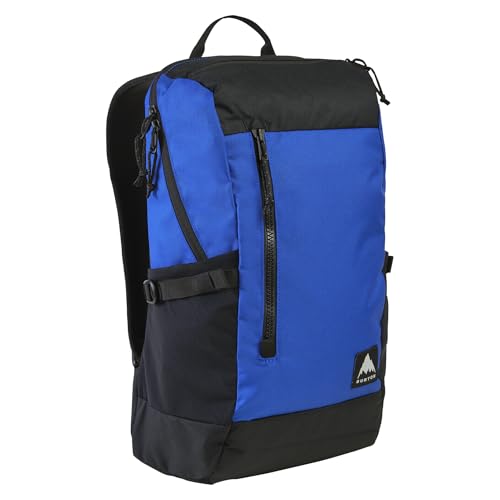
Burton Prospect 2.0 20L Backpack, Jake Blue
More On The Choices That Made The List
Built for runners who don’t want a pack that bounces on every stride, the Tempest Velocity borrows its harness from trail-running vests and trims bulk wherever it can. The flexible backpanel, often a deal-breaker on smaller women’s frames, moves with your torso rather than fighting it, and the lightweight shell stays comfortable on PR-setting days or quick peak-bagging missions.
Where this pack earns its keep is on fast-and-light outings where you’d rather not notice what you’re wearing. Snow laps and quick trail sprints both fall inside its comfort zone.
Where It Helps
- Running-vest-inspired harness keeps load stable on uneven terrain
- Flexible backpanel adapts to torso movement, reducing bounce
- Lightweight build suits long miles without fatigue creep
- Quick access to essentials keeps transitions smooth mid-trail
Things To Consider
- Women-specific fit won’t suit hikers outside that sizing range
- Minimal padding means heavier loads can feel less forgiving
Quick Facts
Who Should Grab It
Trail runners and fast hikers wanting a women-tuned pack that vanishes during hard efforts and short alpine missions.
Consider Something Else When
If you commute daily and want a softer, more padded carry, the Burton Prospect 2.0 20L Backpack is a more forgiving daily-driver fit.
For travelers who hate checking bags, this foldable daypack stuffs down small enough to live inside a carry-on, then pops out for full-day use once you land. The chest strap adds welcome stability on uneven sidewalks, and the roomy main compartment with a wide opening makes packing straightforward at airport security.
Multiple zippered compartments, a hidden back pocket, and a pair of side mesh pockets give you more organization than most packable designs. Compared to the pricier Osprey above, this one trades technical running features for travel-friendly flexibility.
The Good Stuff
- Folds flat for stashing inside luggage or day bags
- Wide-opening main compartment simplifies packing on the go
- Hidden back pocket secures travel documents
- Chest strap improves load control on long walking days
Trade Offs
- Thin fabric feels less robust than traditional hiking daypacks
- Minimal frame means heavier loads dig into shoulders
Built With In Mind
Travelers and casual walkers who want a light, affordable daypack that lives inside a suitcase and handles sightseeings.
A Better Fit Elsewhere
If you log technical miles on real trail terrain, the Osprey Tempest Velocity 20L Women’s Hiking Backpack offers a more supportive build.
Tipping the scales at just over an ounce, the Nanobag is the kind of pack you forget you’re carrying until you need it. The ultra-thin fabric rolls up small enough to vanish into a coat pocket or jacket, and the integrated stuff pouch means no fumbling when you want it back out.
It’s not built for hauling books or full kits, but as a backup pack for travel days, museum hops, or quick summit pushes, it pulls more than its weight. Think of it as insurance against the “what if I need a bag later” problem.
Why It Works Well
- 1.15oz weight disappears in a jacket pocket
- 0.05mm fabric packs down to palm size
- Attached pouch means no folding sequence to remember
- Doubles as a reliable backup or emergency daypack
Honest Caveats
- Thin material requires careful handling around sharp edges
- 16L capacity falls short for full hiking or work commutes
- Minimal structure shows once you load bulky items
Right Fit For
Minimalist travelers and urban explorers who want a near-invisible backup pack for spontaneous outings.
Skip It When
If you need to carry laptops, books, or layered clothing daily, the SKYSPER 15L/20L Foldable Hiking Backpack is a sturdier travel pick.
Pulling this pack out of the lineup, the Deuter Bike I 20 makes its intentions clear from the first glance, with an Air Stripe back system that creates airflow channels between your back and the bag. On sweaty climbs or humid commutes, that gap means noticeably less soaked-through fabric by the time you reach the office.
Cyclists will appreciate the integrated helmet holder, sunglasses pocket, and pole attachment straps that turn trail rides into single-trip affairs. The recycled nylon shell feels tougher than the SKYSPER above, and the design language says “purpose-built” without shouting about it.
Positive Takeaways
- Air Stripe backpanel promotes airflow during high-output rides
- Built-in helmet holder frees hands at the trailhead
- Recycled nylon balances weight with everyday durability
- Dedicated sunglasses pocket protects optics from scratches
Worth Noting
- Cycle-specific pockets limit versatility for non-riding use
- Single-color option may not suit shoppers wanting variety
Feature Snapshot
Made For
Cyclists and trail riders who want a ventilated, gear-ready pack for commutes and after-work trail loops.
Look Elsewhere When
If your day centers on campus or city walking rather than riding, the Burton Prospect 2.0 20L Backpack fits a broader daily routine.
For commuters and travelers who keep cards and passports in their bag, this SKYSPER option folds an RFID-blocking middle pocket (radio-frequency shielding that prevents digital card skimming) and a lockable main zipper into a packable design. The hidden back pocket sits flush against your spine, making it tough for anyone to grab without you noticing.
The trade-off is capacity: at 18L it’s slightly tighter than the other 20L contenders, but the security touches justify the trim for urban use. Compared to the larger SKYSPER Foldable above, this one prioritizes anti-theft features over raw volume.
Where It Delivers
- Lockable main zipper deters quick-grab theft in crowds
- RFID-blocking middle pocket shields cards from skimming
- Hidden back pocket keeps valuables out of sight
- Foldable build suits travel and daily commuting alike
A Few Limitations
- 18L capacity trails full 20L options by a noticeable margin
- Added security hardware adds small weight over simpler packs
Best Suited To
Urban commuters and international travelers who navigate crowded transit, airports, or tourist zones daily.
Another Choice May Suit
If your priority is cycling ventilation rather than anti-theft, the Deuter Bike I 20 Black Backpack is purpose-built for riding comfort.
Closing the list, the Burton Prospect 2.0 leans into the daily-commute sweet spot that most of the other packs only dabble in. The bluesign-approved recycled polyester (a textile sustainability certification verifying responsible material sourcing) carries a PFC-free water-repellent treatment (a finish that sheds light rain without persistent chemicals) and a PU backing for weather resistance, so a sudden downpour won’t soak your laptop before you reach the door.
Multiple external accessory pockets and dual side mesh bottle pockets keep essentials visible and reachable. Internal organization includes a zippered mesh pocket with key clip, so your keys stop migrating to the bottom of the bag. For most students and office commuters, this is the kind of low-fuss pack that just works day after day.
Key Advantages
- Recycled polyester build balances sustainability with durability
- Water-resistant finish protects electronics in wet weather
- External accessory pockets speed up grab-and-go moments
- Internal key clip stops small-item scavenger hunts
Minor Gripes
- Lacks the technical harness of running-focused packs
- 20L capacity is tight for users carrying large textbooks
Whose Shelf It Belongs On
Students, commuters, and campus-goers wanting a weather-ready, organized pack that survives daily wear.
Reach For A Different Pick When
If you travel internationally and need RFID protection, the SKYSPER Anti Theft Hiking Backpack covers security gaps this one doesn’t address.
What To Weigh Before Picking Your Pack
Capacity gets all the attention, but how a 20L pack carries weight matters just as much. The Osprey Tempest Velocity proves that a vest-style harness can turn 20 liters into a non-event, while the Deuter Bike I 20 shows how ventilation changes comfort on humid commutes.
Fit and torso sizing should anchor your decision. Women’s-specific harnesses like the Tempest Velocity match shorter torsos and narrower shoulders, and trying a pack on with weight inside reveals pressure points you won’t notice empty. A pack that feels fine with a laptop turns miserable once you add a water bottle and lunch.
Material choices ripple through daily ownership. Recycled nylon and polyester shells resist abrasion better than the ultra-thin fabrics used in packable packs like the Nanobag Daypack 16L, but those featherweight designs buy you packability that hardshell packs can’t match.
Key Considerations Across These Picks
Where Shoppers Go Wrong
Treating capacity as the only spec leads to uncomfortable surprises on the trail. A 20L pack with no frame channels all weight to your shoulders, while the same volume with a hip belt or sternum strap redistributes pressure across your torso.
Ignoring intended use case is the other common trap. A packable design like the Nanobag makes a great backup but a poor primary commuter bag, and a technical running harness feels awkward during casual campus walks. Match the pack to the activity you’ll do most.
Where The Extra Money Goes
Spending up typically buys three things: better materials, smarter organization, and longer warranties. The Burton Prospect 2.0’s recycled polyester and weather-ready finish outlast thin packable fabrics in daily use, justifying the cost for commuters who log miles year-round.
Premium packs also tend to nail the small details. Built-in rain covers, dedicated sunglass pockets, and ventilated back panels turn a basic carry into a tool that adapts to changing conditions. For occasional users, basic packs make sense, but daily carriers recoup the upgrade within months of avoided discomfort.
Frequently Asked Questions
Are 20L daypacks big enough for hiking?
Yes, for day hikes without overnight gear. A 20L pack fits layers, food, water, and a basic first-aid kit comfortably for most trail users. Multi-day trips require larger volumes.
What is a running-vest harness?
A running-vest harness is a pack design inspired by trail-running vests, with soft shoulder straps and a close-fitting chest rig that minimizes bounce during high-output movement. It suits fast hiking better than traditional framed packs.
Do packable backpacks last as long as regular ones?
Packable packs use thinner materials that wear faster under heavy loads. For occasional or backup use, they hold up well, but daily commuters may see seams stress sooner than on hardshell designs.
What does RFID-blocking do?
RFID-blocking prevents digital scanners from wirelessly reading cards and passports inside the pocket. It’s a useful feature for crowded transit and travel but not necessary for trail-only use.
How important is ventilation in a daypack?
Ventilation matters most during cycling or humid commutes. The Deuter Bike I 20’s Air Stripe system reduces back sweat noticeably, while a flat-back pack may feel damp within minutes of sustained effort.
The Takeaway
The right 20L daypack lines up with how you actually move. Runners and fast hikers will feel at home in the Osprey Tempest Velocity’s vest harness, commuters get the most from the Burton Prospect 2.0’s weather-ready organization, and travelers rotating between cities may prefer the SKYSPER Anti Theft pack’s security touches. Match the pack to your routine, and the rest tends to fall into place.