A 65L backpack sits in the sweet spot between daypack and expedition haul: big enough for weeklong trips, manageable enough for two or three nights when packed well. The category splits into technical hiking packs with ventilated suspensions and convertible duffel-bags aimed at travelers and gym-goers. Choosing between them comes down to how much weight you’ll carry, how far you’ll walk, and whether you ever board a plane with it.
The Choices Worth Comparing

Osprey Atmos AG 65L Men’s Backpacking Backpack (Black L-XL)

Bseash 60L Waterproof Hiking Camping Backpack with Rain Cover
MIER Large Duffle Bag Backpack 45L/60L/90L

MIER 40L/60L/90L Water Resistant Backpack Duffel

Bseash 60L Hiking Camping Backpack with Rain Cover (Army Green)
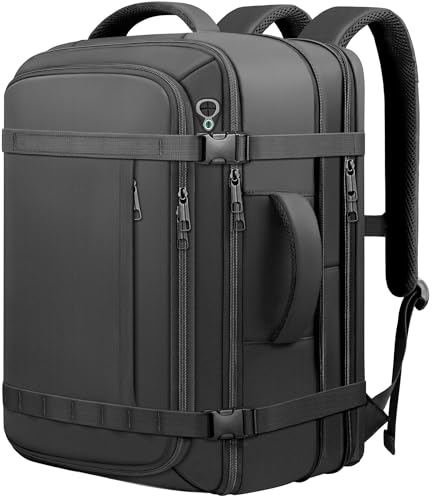
Roomy Carry On Backpack, Expandable 1-7 Days

MIER Men’s 60L Gym Duffle Bag (Blue)

Bseash 50L Hiking Backpack, Water Resistant Lightweight (Black)
Taking A Closer Look At The Options
The Osprey Atmos AG 65L is the kind of pack that earns its reputation on day three of a long trail, when shoulders are tired and the air feels thick. Its defining trick is the AntiGravity suspension: a suspended mesh back panel that wraps your torso in three-dimensional mesh rather than pressing a foam pad against your spine. You feel the difference most when the mercury climbs and the load stays heavy.
Osprey built this pack for backpackers logging real mileage with real weight, and it shows in the details: stretch side pockets for water bottles, an internal reservoir sleeve (the lined pocket that holds a hydration bladder) for on-trail sipping, and a hip belt that does the load-lifting work your shoulders shouldn’t. Compared to the travel-leaning picks later in this list, the Atmos is uncompromisingly a trail pack. You won’t want to drag it through an airport, but you also won’t outgrow it.
What Pays Off
- Ventilated mesh back panel keeps sweat from pooling during humid climbs
- Load-bearing hip belt transfers weight off shoulders on long days
- Dedicated hydration reservoir sleeve routes a drinking tube cleanly
- Stretch side pockets accept full-size water bottles without juggling
- Adjustable torso length fits a wider range of back shapes
- Carry loops for ice axes or trekking poles when terrain demands
Things To Consider
- Heavier than duffel-style competitors when empty
- Trail-focused shape feels bulky in overhead bins
- Coated fabric benefits from occasional re-treatment to repel stains
Quick Facts
Who Will Love This
Backpackers heading out for three to seven nights with 25 to 40 pounds of gear will appreciate the suspension most.
A Better Fit Elsewhere
Roomy Carry On Backpack suits travelers more than trail-goers, since the Atmos lacks the soft, expandable profile that survives overhead-bin handling.
The Bseash 60L lands in that useful middle ground: a nylon pack that doesn’t try to be a premium mountaineering haul-bag but offers more protection than a bargain-bin daypack. The headline detail is the included rain cover, which slips over the entire pack when a front rolls in. Combined with polyester-reinforced panels, it’s aimed at hikers who get caught in weather more than they plan around it.
Where the Atmos AG above is a multi-day trail specialist, the Bseash reads as a do-most-things pack for shorter trips and weekend overnights. The shoulder straps use widened S-curves with breathable mesh, and the back panel favors airflow over rigid load transfer. That tradeoff keeps the pack lighter but caps how much weight it can comfortably carry for hours on end.
What Earns Its Place
- Included rain cover protects gear during sudden downpours
- Polyester and nylon construction handles scrapes on rough trail sections
- Ergonomic S-curve straps distribute load across a wider shoulder area
- Breathable mesh back panel reduces sweat buildup in warm weather
Honest Caveats
- Suspension is basic, so heavy loads become shoulder-heavy fast
- Rain cover needs to dry separately after wet trips to prevent mildew
- Zippers and buckles feel lighter than premium-tier alternatives
Who Should Grab It
Weekend hikers and casual campers who pack light and want rain-ready coverage without paying for premium suspension will find this fits the bill.
Swap It Out When
Osprey Atmos AG 65L serves backpackers carrying heavier loads over longer distances, where the Bseash suspension starts to feel underbuilt.
MIER’s Large Duffle leans into a hybrid identity most packs avoid. It converts between backpack, shoulder bag, and duffel thanks to stowable straps and grab handles on all four sides. The D-shaped zippered opening runs across the top like a classic duffel, so packing cubes and rolled clothes lay flat instead of stacking vertically the way they do in a top-loader trail pack.
The 60L size hits the sweet spot for travelers who check a bag occasionally but want backpack straps for cobblestone arrivals. Versus the Atmos above, this is fundamentally a soft-sided luggage piece; you trade rigid hip support for the ability to throw it in a car trunk or under a hostel bunk. A weather-resistant zipper flap and adjustable sternum strap round out the practical touches.
Standout Benefits
- Four carry modes cover most transit situations without a second bag
- D-zip main opening makes packing and unpacking genuinely fast
- Weather-resistant flap shields the zipper from light rain and grit
- Adjustable sternum strap stabilizes the load when worn as a backpack
- Soft haul handles on each side make lifting into overhead bins easier
Worth Noting
- No internal frame, so carrying more than 25 pounds gets uncomfortable
- Soft-sided body offers little protection for fragile electronics
Spec Overview
Built With In Mind
Travelers and weekend trippers who want one bag that switches between backpack and duffel depending on the situation get the most from this design.
Look Elsewhere When
Bseash 60L Hiking Camping Backpack makes more sense for trail-focused hikers who need weather protection and padded straps more than carry-mode versatility.
MIER’s heavy-duty duffel takes the convertible-backpack concept and pushes it toward checked-luggage territory. The shell uses thick, water-resistant fabric with reinforced seams, and the 90L version checks in around 4.4 pounds empty. This is the bag you grab when the trip involves hockey gear, climbing racks, or a couple weeks of clothing you refuse to compress.
Stashable padded backpack straps hide in a side pocket when you want clean duffel handling. That detail matters at baggage claim, where dangling straps snag on rollers. Compared with the lighter MIER duffel above, this one trades weight savings for durability, and the difference shows up the first time it survives an overhead bin without a scuff.
A Strong Showing
- Heavy-duty fabric handles rough checked-bag handling
- Stashable backpack straps keep the duffel silhouette clean
- Multiple size options cover weekend-to-extended-trip needs
- Water-resistant shell shrugs off light rain and wet cargo holds
Practical Considerations
- Heavier than the standard MIER duffel even when empty
- 90L size can run afoul of some airline weight limits when fully packed
- Thick fabric takes longer to dry after a soaked trip
Right Fit For
Gear haulers, team-sport parents, and expedition travelers who check bags often will appreciate the rugged shell and clean convertible design.
Reach For A Different Pick When
Roomy Carry On Backpack fits flyers who want to skip the check-bag counter entirely, since this MIER duffel is built more for checked luggage than overhead-bin travel.
The Army Green version of the Bseash 60L trades the urban-friendly looks of its sibling for a more outdoorsy aesthetic. Functionally, it carries the same load: a 60-liter main compartment, widened S-curve shoulder straps, and a dedicated rain cover tucked into a bottom pocket for fast deployment.
What separates this from the Atmos AG is the suspension simplicity. There’s no suspended mesh back panel, so ventilation depends on padded foam channels rather than airflow through open mesh. On cool-weather or shaded trails that’s barely noticeable, but on a humid summer ridge it becomes part of the day. The Army Green colorway also hides trail dust better than lighter finishes, which matters for people who treat gear as tools rather than display pieces.
Useful Strengths
- Rain cover included and stored in its own pocket for quick access
- Widened S-curve straps reduce shoulder pinch under moderate loads
- Army Green color hides dirt between washings
- Breathable back panel foam channels move some heat away from the spine
Trade Offs
- Less ventilated than mesh-suspended designs on hot days
- Basic hip belt offers limited weight transfer for heavy hauls
At A Glance
The Right Fit
Casual backpackers and shoulder-season campers who want weather protection in a quieter colorway will appreciate this trim level.
Not Your Match When
Osprey Atmos AG 65L is the stronger pick for warm-weather trekkers carrying serious weight, where its mesh suspension outclasses this pack’s foam-channel back.
The Roomy Carry On Backpack tackles a different problem than the rest of this list. It starts as a slim 55-liter profile that fits most airline overhead bins, then unzips an expansion panel to swell up to 65 liters when you need capacity. That trick gives flyers one bag for weekend trips and weeklong itineraries without owning two packs.
The padded sleeve takes a 17-inch laptop, which signals the real target audience: hybrid travelers who fly for work and roll straight into meetings. Compared with the trail-first picks earlier, this pack lives or dies on airport handling rather than switchback performance. You give up load-hauling hip support for organizational pockets and a flatter profile that won’t snag on hostel bed frames.
Strong Points
- Expandable design shifts between 55 and 65 liters with a single zipper
- Padded laptop sleeve fits a 17-inch machine plus a 14-inch tablet
- Carry-on silhouette skips the check-bag counter on most airlines
- Internal organization helps separate cables, clothes, and documents
Soft Spots
- Not built for trail suspension, so heavy loads ride on shoulders
- Expansion panel works best when not stuffed to maximum in compressed mode
Best Suited To
Frequent flyers and digital nomads running one-bag trips between cities will find the adjustable volume and laptop sleeve genuinely useful.
Consider Something Else When
Osprey Atmos AG 65L suits backpackers whose priority is trail ventilation, since this Roomy pack is optimized for terminals rather than switchbacks.
MIER’s 60L gym duffel leans into the side of the category that nobody talks about: a pack small enough for daily use, big enough for a weekend. The headline feature is a separate shoe compartment that keeps dirty soles or wet sneakers away from clean clothes, which solves the most common complaint about convertible duffels. The Blue colorway reads as gym-floor casual rather than trail-field serious.
Hidden backpack straps tuck into a bottom zipper pocket, so the bag looks like a clean duffel when you carry it by hand. Compared with the heavier-duty MIER above, this one targets lighter loads and faster transitions. You won’t carry 40 pounds in it comfortably, but you also won’t feel like you’re hauling expedition gear to a yoga class.
Where It Excels
- Separate shoe compartment prevents dirty gear from touching clean clothes
- Hidden backpack straps keep the duffel silhouette clean when stowed
- Soft grab handles plus detachable shoulder strap for fast transitions
- Right size for gym-plus-weekend without overflowing
Where It Is Less Suited
- No internal frame, so weight limits stay modest
- Lighter fabric than the heavy-duty MIER sibling
Made For
Gym-goers and commuters who want one bag that handles workouts, weekend trips, and the occasional flight without juggling multiple pieces.
Skip It When
MIER 40L/60L/90L Water Resistant Backpack Duffel is the better call for checked-bag trips and bulky gear, where the heavier shell earns its weight.
The Bseash 50L closes the list with the simplest brief: a water-resistant pack you can carry all day without remembering it’s on your back. The 50-liter capacity is a touch smaller than the rest of the lineup, which actually helps hikers running fast-and-light trips where every liter of pack space encourages overpacking. The Black finish stays neutral across gym, commute, and trail settings.
It doesn’t carry the rain cover of its 60L siblings, so weather planning leans more on the water-resistant shell. For most day hikes and travel days, that’s a fair trade for the lighter weight. Compared with the trail-specialist Atmos that opened the list, this Bseash is more of a generalist, but the lighter frame and moderate volume make it a sensible second pack or starter backpack.
Everyday Advantages
- Lighter carry reduces fatigue on long day hikes
- Water-resistant shell handles light rain without needing a separate cover
- Versatile styling works across commute, gym, and trail
- Padded S-curve straps stay comfortable at moderate loads
A Few Limitations
- No dedicated rain cover included
- Smaller capacity limits multi-day trips with bulky gear
- Suspension is basic, so heavy loads ride on shoulders
Whose Shelf It Belongs On
Day hikers, climbers, and commuters who want a single lightweight pack that handles fast outings and travel days without ceremony.
Where Another Pick Suits Better
Roomy Carry On Backpack is the better choice for flyers who need laptop protection and a true carry-on profile.
Choosing The Right 65L Pack For The Way You Actually Travel
Suspension Versus Convertibility
The first real fork in this category is whether you need a backpack that hauls weight over distance or one that flexes between carry modes. Trail-focused packs like the Atmos AG 65L use internal frames, load-bearing hip belts, and ventilated back panels to move weight off your shoulders. Convertible duffels like the MIER line skip the frame entirely, which keeps them lighter and more airport-friendly, but caps how much weight you can carry for hours without soreness.
Choosing between them is mostly about how the pack will spend its days. A pack that lives on flights and weekend trips benefits from convertible carry options and soft-sided packing. A pack that climbs into the mountains earns its frame on the first long ascent.
Capacity, Volume, And Trip Length
A 65-liter label is a starting point, not a guarantee of space. Internal layout, pocket count, and opening style change how much you can actually fit. Top-loader trail packs lose volume to tapered bottoms, while D-zip duffels use space more like a suitcase. For weeklong trips with a sleeping bag and tent, 60L in a duffel often matches 65L in a trail pack because of how each shape consumes space.
Weather Protection And Materials
Water-resistant shells shed light rain and resist stains but eventually soak through. True waterproof construction adds seam taping and coated zippers, which most packs in this list avoid to keep weight down. Including a separate rain cover is the practical compromise: you don’t carry it until you need it, and the pack stays lighter on dry days.
Fit And Adjustability
Torso length matters more than most shoppers realize. Trail packs that adjust across multiple inches fit a wider range of bodies and let one pack serve multiple users in a household. Convertible duffels ignore torso fit almost entirely, which is fine for short carries and a problem on long walks. If you expect to carry the pack for more than an hour at a stretch, pay attention to strap adjustment range and hip belt sizing before anything else.
Key Considerations Across These Picks
Pitfalls Shoppers Hit
The most common mistake is buying for the trip you wish you took instead of the trips you actually plan. A 65-liter pack feels reassuring in the closet, but it becomes a burden on a two-night outing where a 40L would do. Equally common is ignoring torso fit on packs with adjustable suspension. A pack that fits your hip belt but not your shoulders will punish you by mile ten. Finally, choosing convertible duffels for backcountry use usually ends with sore shoulders and damp gear, since they lack the frames that make heavy loads tolerable.
When Paying More Pays Off
Higher-tier packs earn their cost through suspension, materials, and small details that add up over years of use. A ventilated mesh back panel is worth the upgrade for anyone hiking in warm climates, where foam-channel designs turn into a sweat trap. Reinforced seams, better zippers, and sturdier buckles also outlast budget alternatives on checked flights and rough trails. The honest read is that premium pricing matters most when the pack will see hard use weekly; for occasional weekend trips, mid-tier options like the MIER and Bseash models cover the essentials without overspending.
Frequently Asked Questions
How much can a 65L backpack actually hold?
A 65-liter pack comfortably handles a week of clothing, a sleeping bag, a tent, and cooking gear for one person. For two travelers sharing a single pack, expect to fit compressed clothing and shared shelter but few luxuries.
Are 65L backpacks carry-on friendly?
Most 65L packs exceed airline carry-on dimensions when fully packed. The Roomy Carry On Backpack on this list is the exception, since it expands from a slim 55L profile to 65L and fits overhead bins when not fully expanded.
What is the difference between a hiking pack and a duffel backpack?
Hiking packs use internal frames and hip belts to transfer weight off your shoulders during long walks. Duffel backpacks prioritize flexible storage and convertible carry modes, which makes them better for travel and gym use but less comfortable under heavy loads on trails.
Can a 65L backpack work for international travel?
A soft-sided 65L duffel works well for checked luggage on international trips. For carry-on travel, the 55-to-65L expandable options stay within airline limits and skip baggage claim.
How do I clean a 65L backpack?
Empty all pockets, shake out debris, then hand-wash the exterior with mild soap and a soft brush. Air dry away from direct sunlight, and store it loosely stuffed so the suspension and fabric keep their shape.
The Takeaway
The right 65L pack depends on whether your days look more like trailheads or terminals. Backpackers carrying real weight benefit from the Atmos AG’s ventilated suspension, while travelers and gym-goers get more use from the MIER and Roomy convertible designs. Match the pack to your most common scenario, and the size will feel right almost every time you reach for it.