Choosing a 70-liter pack changes how you move through the world, whether you’re tackling a thru-hike, a multi-day ski trip, or a rucking routine that demands real load capacity. The trick is matching volume and frame design to the terrain and trip length you’ll actually face. The eight options below cover ski hauling, multi-day trekking, women’s travel, and weighted training, so you can find one that fits your scenario instead of forcing your trip into the bag.
An Overview Of The Picks

Unigear Ski Boot Bag Backpack 50L/70L

Osprey Aether Plus 70L Men’s Backpacking Backpack
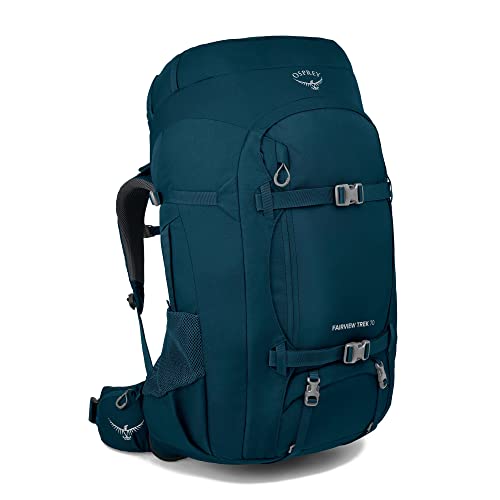
Osprey Fairview Trek 70L Women’s Travel Backpack

Polyfit Rucking Backpack 2.0

Polyfit Fortify Weighted Vest

Polyfit Weight Vest Plates

Mardingtop 70L Internal Frame Backpack

Polyfit Rucking Starter Kit
More On The Choices That Made The List
The Unigear Ski Boot Bag Backpack 50L/70L is purpose-built for resort days and overnight snow trips where hauling boots, helmet, goggles, and outerwear in one piece matters. The dual-compartment layout lets you keep damp boots separated from dry layers, which matters when you drive from the lodge to a hotel and don’t want everything soaked through.
Compared to the trekking packs further down this list, this one isn’t built for long hikes. It’s built for the car-to-lift transition, the airport shuttle, or a quick hut trip. The 70-liter version gives you room for skis or a board alongside your regular gear, which saves a second bag for drivers heading out of state.
Positive Takeaways
- Two-volume sizing (50L and 70L) lets you right-size for day trips versus multi-day snow travel.
- Seperate boot storage keeps moisture away from gloves, goggles, and base layers.
- Ski and snowboard carry cuts down on vehicle clutter for resort trips.
- Backpack straps free up your hands for navigating parking lots and shuttle lines.
Things To Consider
- Not designed for backcountry touring, so skinners on long skin tracks will want a more technical pack.
- The 70L capacity can feel oversized for single-day resort use, leaving empty space to manage.
Made For
Resort skiers and snowboarders taking overnight trips who want one bag for boots, helmet, and outerwear.
Consider Something Else When
Backcountry trekkers should look at the Osprey Aether Plus 70L instead, since it handles trail weight far better.
The Osprey Aether Plus 70L is aimed at thru-hikers and gear-heavy weekend backpackers carrying serious loads into remote terrain. Where the Unigear focuses on snow sports, the Aether Plus leans into backcountry performance with a frame and harness system engineered for 30-plus-pound hauls over multi-day distances.
You spend real money here, but the value shows up in fit adjustments and load transfer. The removable top lid converts into a small daypack for side hikes from basecamp, which is a detail you’ll appreciate on section hikes where you stash the main pack and explore a ridge.
Where It Delivers
- Fit-on-the-Fly hipbelt and shoulder straps dial in torso adjustments without leaving the trail.
- Top-lid-to-daypack conversion saves carrying a second bag on side excursions from camp.
- Integrated raincover handles surprise storms without a separate purchase.
- Frame design handles heavy gear loads comfortably over long mileage days.
- Stow-on-the-Go trekking pole attachment lets you grab and stash poles without removing the pack.
Trade Offs
- The S-M torso range won’t fit very tall hikers; you’ll need to check measurements carefully.
- Premium build pushes this above budget-tier packs, which may not suit casual weekend use.
Key Specs
Who It Suits Best
Multi-day backpackers carrying 30+ pounds of gear who want a frame and harness that adjust mid-trip.
A Better Fit Elsewhere
The Osprey Fairview Trek 70L suits female travelers who split time between trails and airports more naturally.
The Osprey Fairview Trek 70L is a women’s-specific crossover pack for travelers who hop between airports, hostels, and trails. Unlike the men’s Aether Plus, this one is tuned for shorter back lengths and a women’s hip shape, which makes the load sit where it should when you’re walking long city days followed by dirt paths.
The included AirCover doubles as a raincover, which keeps your belongings dry through baggage handling and trail rain alike. For a digital nomad or gap-year traveler moving through multiple climates, the hybrid build cuts down on owning two separate packs.
What It Does Well
- Women’s-specific harness geometry matches shorter torsos and wider hip dimensions.
- AirCover protects the pack in transit and on trail, removing the need for separate rain gear.
- Carry-on compatible frame simplifies airport days and avoids checked-bag fees.
- Laptop and organization sleeves suit hybrid work-travel routines.
Honest Caveats
- Trail-specific frame is less rigid than the Aether Plus, so ultra-heavy backcountry loads may feel less stable.
- Dark colorways show dust and trail grime more than lighter alternatives.
Best Suited To
Female travelers alternating between cities and trails who want one pack for both environments.
Look Elsewhere When
Weekend backpackers chasing maximum load capacity will find the Osprey Aether Plus 70L more capable.
The Polyfit Rucking Backpack 2.0 is built around a different problem than hiking: carrying weight plates for endurance and strength training. Where the Osprey packs chase comfort on long walks, this one keeps plates high and tight against your upper back so your posture stays upright during loaded carries.
The side-loading design speeds up plate swaps between sets, which matters when you’re circuit training and don’t want to unpack the whole pack. For ruckers logging miles with 40-pound loads, the high plate placement also reduces lower back strain over time.
The Upside
- Side-loading plate compartment swaps weights faster than top-loading designs.
- High plate position encourages upright posture and reduces forward lean.
- Compatible with standard ruck plates up to 10×12 inches, including cast iron.
- Reinforced hang loop simplifies storage between sessions.
Points To Keep In Mind
- Plates are sold separately, which raises the total entry cost for beginners.
- 40-pound max load capacity caps this below heavy-duty rucking programs.
Quick Facts
Right Fit For
Ruckers chasing posture efficiency and quick plate changes during structured training sessions.
Another Choice May Suit
Beginners wanting everything in one box should consider the Polyfit Rucking Starter Kit instead.
The Polyfit Fortify Weighted Vest shifts the load from your back to your torso, which changes how your body recruits muscles during training. Compared to the Rucking Backpack 2.0, this vest keeps weight centered over your core, which matters for calisthenics athletes who want extra resistance during pull-ups, push-ups, and runs.
Two plate pockets (one front, one back) support up to 20 pounds each, so you have room to scale intensity as your fitness climbs. The vest is unisex, and the adjustable straps accommodate a wide size range without custom fitting.
The Value In It
- Front-and-back plate pockets balance weight across your core for cleaner movement patterns.
- 40-pound total capacity supports progressive overload across strength cycles.
- Compatible with Polyfit plates and most standard vest plates up to 13×11 inches.
- Adjustable harness fits a broad range of body types.
Worth Noting
- Plates are sold separately, so the upfront cost climbs quickly.
- Vest training isn’t ideal for long-distance walking, where the Rucking Backpack distributes load better.
Whose Shelf It Belongs On
Calisthenics and CrossFit-style athletes adding load to bodyweight movements without shifting into ruck training.
Skip It When
Distance walkers should pick the Polyfit Rucking Backpack 2.0, since back-panel carry beats vest carry on long mileage.
The Polyfit Weight Vest Plates are the missing piece for owners of the Fortify Vest or any standard vest accepting 13×11-inch plates. They come in five weights, so you can scale up in small jumps instead of jumping from 20 pounds straight to 40 and wrecking your form.
The progression model here is what makes them useful. Start with a 10-pound pair (two 5-pound plates), build to 20, then 30, and finish at 40 pounds across a four-month block. That’s a more sustainable load curve than guessing at single plate sizes.
Bright Spots
- Five weight tiers from 4 to 19 pounds let you add load incrementally over training cycles.
- Sold in pairs, simplifying total-load math at the rack.
- Compatible with most standard weighted vests on the market.
- Slim profile fits cleanly inside vest pockets without shifting during movement.
Soft Spots
- Plates require a compatible vest to be useful, so this is an upgrade purchase, not a starter product.
Who Should Grab It
Current vest owners building a progressive overload plan across multiple training blocks.
Reach For A Different Pick When
First-time buyers without a vest should start with the Polyfit Fortify Weighted Vest instead.
The Mardingtop 70L Internal Frame Backpack fills the budget slot for hikers who need Osprey-style capacity without the premium sticker. The 600D polyester shell and Molle loop exterior let you lash extra gear, which hunters and tactical-minded trekkers will appreciate when standard pockets aren’t enough.
The internal frame and adjustable torso, waist, and chest straps give you a customizable fit, even if the materials won’t outlast a top-tier pack. For someone breaking into multi-day hiking, the value proposition here is hard to dismiss.
Everyday Advantages
- Multiple Molle loops add attachment points for accessories, holsters, or extra pouches.
- Adjustable torso, waist, and chest straps fit a wide range of body sizes.
- Included rain cover handles wet-weather days out of the box.
- 600D polyester balances abrasion resistance with manageable pack weight.
Where It Is Less Suited
- Materials and harness comfort fall below premium packs on heavy loads over long mileage.
- YKK components are solid, but overall construction is more utilitarian than refined.
Perfect Match For
New backpackers wanting 70-liter capacity and tactical-style organization at a friendlier entry cost.
Swap It Out When
Regular thru-hikers should consider the Osprey Aether Plus 70L for better long-term comfort and durability.
The Polyfit Rucking Starter Kit bundles the Rucking Backpack 2.0 with a 10-pound plate and the straps needed to begin training. Where the standalone backpack forces you to source plates separately, this kit removes that friction for newcomers wondering where to start.
For most people picking up rucking, a 10-pound load is the right entry point to learn posture, foot placement, and pacing before adding weight. The kit builds in that first step rather than making you calculate it.
Benefits That Matter
- Bundled 10-pound plate removes the guesswork for first sessions.
- Detachable sternum strap and removable rucking straps support progression to heavier loads.
- Reinforced hang loop simplifies storage between workouts.
- Same Rucking Backpack 2.0 frame as the standalone, so upgrading the plate stack is seamless.
Factors To Consider
- Single 10-pound plate caps beginner weight, so you’ll buy more plates as intensity climbs.
- Kit pricing assumes you want everything at once; experienced ruckers may prefer separate purchases.
Built With In Mind
New ruckers learning form and pacing who want a complete first setup in a single purchase.
Where A Sibling Pick Shines
Veterans with existing plate collections should grab the Polyfit Rucking Backpack 2.0 without the kit extras.
How To Choose The Right 70l Pack For Your Trips
A 70-liter pack is a tool with multiple jobs, and the right one depends on which job you’ll actually do. Backpackers need frame rigidity, adjustable harnesses, and load transfer that prevents shoulder fatigue over 10-mile days. Travelers care about organization sleeves, carry-on dimensions, and rain protection that works through baggage handling. Ruckers need plate compatibility, high load placement, and quick access for interval training.
Match the torso fit first. A pack that’s too long shifts weight to your lower back and pulls on your shoulders. Hipbelts should sit on the iliac crest (the top of your pelvic bone), not your waist, so the pack’s weight transfers through your hips rather than your spine.
Materials matter less than fit, but a 600D polyester or higher-denier nylon shell handles abrasion on rocky trails and crowded buses. For trips where you’ll face rain, look for an integrated cover rather than a pack that requires a separate purchase.
Volume scaling is the trick many shoppers miss. A 70L pack compresses down for weekend trips, but you still want compression straps to keep the load from shifting when the bag is half-empty. Without them, the pack becomes a sail in wind and a wobble on side slopes.
Key Considerations Across These Picks
Pitfalls Shoppers Hit
Going by total volume alone ignores fit. A 70-liter pack on a too-tall frame puts pressure on your shoulders instead of your hips. Many shoppers also skip the rain cover question and end up buying a separate one mid-trip, which is avoidable on models like the Mardingtop and the Osprey Fairview Trek where it’s bundled.
Where The Extra Money Goes
Premium packs like the Osprey Aether Plus 70L charge more for frame engineering and harness adjustability that lasts years. Mid-tier packs give you volume and organization at the cost of long-term comfort. Decide whether you’re committing to multi-year use or testing the category first, and size your spend accordingly.
Frequently Asked Questions
What Can You Fit In A 70l Backpack?
A 70-liter pack fits a week’s worth of clothing, a sleeping bag, a tent, cooking gear, and food for multi-day hikes. For travel, it handles two to three weeks of clothing plus a laptop and shoes if you pack tight.
Are 70l Backpacks Carry-On Size?
Most 70-liter packs exceed carry-on dimensions, so they’re checked or used as the primary travel bag. The Osprey Fairview Trek 70L is one of the few hybrid packs designed to fit carry-on limits while still offering 70L of usable volume.
How Heavy Should A 70l Backpack Be When Empty?
A 70L backpacking pack typically weighs between 3 and 5 pounds empty. Travel-oriented 70L packs often weigh slightly more due to organization panels and frame structures.
Can You Ruck With A Regular Backpack?
Regular backpacks without plate-compatible compartments put weight at the bottom and away from your upper back, which encourages forward lean and lower-back strain. Purpose-built rucking packs like the Polyfit Rucking Backpack 2.0 solve this by keeping plates high and tight.
How Do You Clean A 70l Backpack?
Spot clean with mild soap and a damp cloth for everyday dirt, and hand-wash in cold water for heavier soil. Air-dry away from direct sunlight to protect fabric coatings and zipper integrity over time.
Closing Remarks
Your best pick depends on whether you’re chasing trail miles, snow days, travel days, or training intensity. Match the pack to the activity you’ll actually log, and you’ll spend less time adjusting gear mid-trip and more time enjoying the route.