A 70L rucksack earns its place when weekend trips, multi-day hikes, or rucking workouts demand serious gear-hauling capacity. The picks below cover dedicated hiking packs built around internal frames, expandable tactical options, and rucking-specific gear for those adding weighted training to the mix. Every option is laid out with its real strengths, honest trade-offs, and the kind of use case where it actually earns its keep.
Your Options, Compared

Polyfit Rucking Backpack 2.0 Side-Loading Pack

Polyfit Rucking Weight Plate 10×12 Cast Iron

Polyfit Fortify Weighted Vest

Polyfit Weight Vest Plates

Mardingtop 70L Internal Frame Backpack with Rain Cover
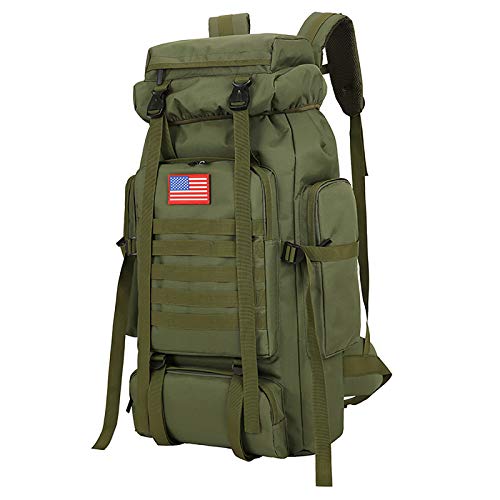
TianYaOutDoor 70L Waterproof Hiking Rucksack

outdoor plus 60L–85L Expandable Molle Backpack

W WINTMING 70L/100L Molle Assault Pack

Polyfit Rucking Starter Kit with 10 lb Plate

MOUNTAINTOP 70L Internal Frame Backpack with Rain Cover
Why These Options Stand Out
The Polyfit Rucking Backpack 2.0 leans into a focused purpose: carrying weight plates close to your upper back so the load behaves more like a hiker’s pack than a swinging barbell. A side-loading pocket accepts plates up to 10×12 inches, keeping the centre of gravity high rather than tugging at your shoulders.
For anyone starting a rucking routine, the structured plate pocket removes the guessing game that comes with stuffing loose iron into a generic daypack. The catch is that plates are sold separately, so budget for a Polyfit plate or compatible cast iron set if you don’t already own one.
Standout Benefits
- Side-loading design pulls plates snug against the upper back, helping posture during long carries.
- Accepts standard 10×12 inch plates up to roughly 40 lbs total.
- Built specifically for rucking, so the harness and back panel suit weighted movement rather than casual commuting.
- Works with Polyfit plates and most cast iron options already on the market.
Worth Noting
- Plates are not included, so the total cost climbs once you add iron.
- Capacity is geared toward training weight, not multi-day camping kit.
Key Specs
Made For
Structured ruckers and beginners who want a purpose-built pack that handles standard 10×12 inch plates from day one.
Consider Something Else When
Pick the Polyfit Rucking Starter Kit instead if you want the plate bundled in the box and have no gear on hand yet.
The Polyfit Rucking Weight Plate is a single 10×12 inch cast iron slab built to slot into ruck-style backpacks and weighted vests. The slim rectangular shape keeps it from shifting during long walks, and the material is the same cast iron you find in serious strength training kit.
It plays well with the Polyfit ruck pack reviewed above, but also drops into most backpacks with a wide plate pocket. Owners commonly report that the plate adds noticeable resistance to bodyweight training circuits, hiking, or loaded carries.
Noteworthy Benefits
- Standard 10×12 inch footprint fits the Polyfit ruck pack and most weighted vests.
- Cast iron construction gives steady, even loading without the wobble of sand-filled bags.
- Compact rectangular shape stacks well if you want to combine plates.
Trade Offs
- Cast iron is heavy to handle outside a pack, so lifting the plate into place takes some care.
- Single plate only, so stepping up load means buying multiple plates.
Right Fit For
Ruckers, hikers, and fitness athletes who already own a plate-compatible pack and want a solid iron plate to load it with.
Look Elsewhere When
Choose the Polyfit Weight Vest Plates instead if you want a graduated set of sizes for progressive overload training.
The Polyfit Fortify Weighted Vest steps the rucking idea sideways, putting the load on your torso rather than your back. Two plate pockets, one front and one back, share the weight evenly so push-ups, pull-ups, and runs feel balanced instead of lopsided.
Each pocket accepts standard plates up to 13×11 inches and supports around 20 lbs, putting the combined capacity near 40 lbs when fully loaded. Plates still come separately, so factor that into the budget.
Bright Spots
- Dual pocket layout keeps weight distributed front-to-back, helping posture during bodyweight moves.
- Adjustable straps suit a wide range of body sizes and layering choices.
- Compatible with Polyfit plates and most standard vest plates up to 13×11 inches.
Honest Caveats
- Plates are sold separately, which adds cost before your first session.
- Vest-only design does not double as a backpack for carrying kit on the trail.
Who It Suits Best
Calisthenics athletes and runners who want balanced loading for bodyweight circuits and conditioning work.
A Better Fit Elsewhere
Pick the Polyfit Rucking Backpack 2.0 if your main goal is hiking with weight rather than calisthenics training.
Where a single plate caps you at one weight, the Polyfit Weight Vest Plates come in a spread of sizes so you can build up gradually. Available pairs range from 4 lbs up to 19 lbs each, letting you stack combinations that hit roughly 10, 14, 20, 30, or 40 lbs total.
The trade-off is that progress becomes a process rather than a single purchase, and you’ll want to plan a few sets if your goals climb quickly. Cleaning the plates is straightforward, mostly a matter of wiping down after sweaty sessions.
What Earns Its Place
- Five plate sizes give a clear path from beginner load up to advanced training.
- Compatible with the Polyfit weighted vest and most standard vests on the market.
- Pairs match across both pockets, simplifying balanced loading.
Things To Consider
- Reaching the upper 40 lb range means buying multiple plate pairs, which adds up.
- Plates only, so you still need a vest or pack to use them.
Best Suited To
Gym-goers who like to track progressive overload and want clear weight steps as their training matures.
Skip It When
Pick the Polyfit Rucking Starter Kit instead if you want plates and a pack bundled together rather than pieced out.
Stepping away from rucking gear, the Mardingtop 70L Internal Frame Backpack is built for multi-day trips where you’re hauling tents, food, and layers. The 600D polyester shell, YKK zipper hardware, and internal frame add up to a pack designed to take abuse over rough terrain.
Adjustable torso, waist, chest, and shoulder straps let you tune the fit, and a rain cover stows in the bag for sudden weather shifts. Molle loops run across the exterior for clipping extra pouches or gear.
A Few Strong Suits
- Internal frame keeps heavy loads stable over long mileage.
- Multiple adjustment points fit a wide range of torso lengths and clothing layers.
- Rain cover included for wet-weather trips.
- YKK zippers and reinforced stitching target long-term durability.
- Molle webbing extends the carrying system for extra pouches.
Softer Spots
- 70L capacity is overkill for day hikes, so this pack lives or dies on multi-day use.
- Polyester shell handles scrapes well but benefits from rain cover use in heavy downpours.
Feature Snapshot
Who Will Love This
Backpackers tackling multi-day routes who want a frame-supported pack that hauls real weight.
Reach For A Different Pick When
Choose the TianYaOutDoor 70L if you want a waterproof Oxford shell for wetter climates instead.
The TianYaOutDoor 70L Hiking Backpack trades some of the Mardingtop’s frame rigidity for a tougher shell and a military-style Molle layout. The 900D Oxford ripstop fabric shrugs off scrapes and resists water better than lighter pack cloths, which suits wet or rocky terrain.
Side and front compression straps let you cinch the load down as contents shrink, and reinforced stitching at the strap mounting points targets the spots that usually fail first on cheaper packs. You may find the overall fit a bit bulky for shorter hikers, though.
Positive Takeaways
- 900D Oxford ripstop shell handles abrasion and wet weather better than lighter fabrics.
- Compression straps on multiple faces keep the bag compact as you use contents.
- Reinforced stitching at stress points extends the working life of the harness.
- Molle webbing plus a Velcro front panel allow personalisation with patches or extra pouches.
Things To Weigh
- Heavier fabric adds bulk, which shorter hikers may find harder to balance.
- Multiple compartments can make it easier to lose track of small items inside.
Perfect Match For
Adventurers tackling wet climates or rocky routes who want a tougher shell than standard polyester packs.
Not Your Match When
Choose the MOUNTAINTOP 70L Internal Frame Backpack if you need an internal frame for heavier hauls.
The outdoor plus Extra Large Camping Backpack stands out for one reason above all: the volume expands from 60L up to 85L using a double-zipper chain on the sides. That flexibility means one pack handles weekend trips, longer expeditions, and everything in between.
The military-grade Molle system on the outside plays nicely with modular pouches, and the dual-zipper expansion lets you stash bulkier loads when the trip calls for it. Worth noting though that fully expanded, the pack needs careful packing to stay comfortable.
The Upside
- Adjustable capacity from 60L to 85L adapts to trips of different lengths.
- Molle system accepts standard modular pouches for extra storage.
- Reasonable price point for a pack this versatile.
Less Ideal Details
- At full 85L expansion, the load can feel unwieldy without proper packing.
- Less internal frame structure than the Mardingtop or MOUNTAINTOP picks.
Who Should Grab It
Outdoor folks who pack for trips of varying length and want one bag to handle weekend, week-long, and overflow loads.
Swap It Out When
Choose the Mardingtop 70L Internal Frame Backpack instead if frame support matters more than capacity flexibility.
The W WINTMING Hiking Backpack leans into a tactical, assault-pack layout with a drawstring-closed main compartment that swallows bulky gear quickly. A laptop sleeve, front zip pocket, and side pockets help separate essentials from the main haul.
Two volume options, 70L or 100L, sit behind the same shell, so the same pack suits three-day trips or longer expeditions depending on what you order. The Molle webbing adds modularity, though without a rigid internal frame you’ll notice the load on longer hauls.
A Few Highlights
- Drawstring main compartment opens wide for quick packing.
- Dedicated laptop sleeve helps if you travel with electronics.
- Two capacity sizes in one product line.
A Few Limitations
- Limited internal frame structure makes fully loaded long-distance carries feel heavier.
- Drawstring closure is fast but not as secure as a zipper against determined rummaging.
Built With In Mind
Tactical-style buyers and three-day-trippers who want modular webbing and quick packing.
Another Choice May Suit
Pick the MOUNTAINTOP 70L Internal Frame Backpack instead if you need internal stays for heavier long-haul loads.
The Polyfit Rucking Starter Kit bundles the Rucking Backpack 2.0 with a 10 lb cast iron plate, a detachable sternum strap, removable load straps, and a reinforced hang loop. That turns the kit into a true entry point: open the box, drop in the plate, and start walking.
The included accessories target the small things beginners discover after a few sessions, like chest strap stability and proper load carry. The honest read is that a single 10 lb plate is a light starting load, so plan on adding plates if your training ramps up.
The Helpful Details
- Includes backpack and 10 lb plate so beginners don’t need a second order.
- Detachable sternum strap and removable rucking straps address long-walk comfort.
- Reinforced hang loop gives a clean storage option between sessions.
- 10 lb start is approachable for first-time ruckers easing into weighted walks.
Where It May Fall Short
- Single 10 lb plate only, so heavier sessions require additional purchases.
- Kit-only; no extra trail-specific features beyond the ruck pack itself.
Whose Shelf It Belongs On
New ruckers who want everything in one box and a gentle starting weight to build from.
A Different Pick May Suit When
Choose the Polyfit Weight Vest Plates instead if your training leans toward calisthenics rather than long-distance walks.
The MOUNTAINTOP 70L Internal Frame Backpack closes the roundup with a long-distance-friendly design. A lightweight aluminum alloy frame plate sits against your back to transfer load efficiently, paired with a nylon shell and YKK zippers for reliable daily wear.
At roughly 33.5 by 13.8 by 11.1 inches, the pack is sizable but manageable for treks where food, shelter, and layers all need to fit. A rain cover is included for weather shifts on the trail.
Positive Points
- Aluminum frame plate supports heavy loads over long mileage.
- Nylon shell balances weight savings with reasonable durability.
- YKK zippers resist jamming under field conditions.
- Rain cover included for unexpected weather.
Practical Considerations
- Nylon shell is lighter than the TianYaOutDoor’s 900D Oxford, so it needs more care around sharp rock.
- 70L size demands a real load to feel balanced, so under-filling can leave the pack awkward.
Key Product Details
The Right Fit
Trekkers planning multi-day routes who want frame support and a balanced shell for sustained trips.
Where Another Pick Suits Better
Pick the TianYaOutDoor 70L if you expect wet weather or abrasive terrain that calls for a tougher 900D shell.
Choosing the Right 70L Pack and Rucking Kit
A 70L pack is overkill for a single afternoon but a genuine lifesaver when the trip stretches into multiple days. Match the pack to the longest outing you realistically plan, since under-buying capacity leads to external strapping that throws off balance.
Frame support matters more than most shoppers expect. Internal frame plates shift weight to your hips, which is why the Mardingtop and MOUNTAINTOP packs handle heavier loads more comfortably than frameless tactical packs.
Fabric choice sets the tone for durability. 900D Oxford ripstop, like the TianYaOutDoor shell, shrugs off abrasion and shrugs off light rain better than lightweight nylon. Nylon is lighter on the back but asks for more careful packing around sharp rocks.
Fit is the single most important factor. Adjustable torso, waist, chest, and shoulder straps should be present on any pack over 50L. A poorly fitted pack turns a 30 lb load into a posture problem by mile five.
Rucking gear follows a different logic. The Polyfit lineup uses cast iron plates sized to standard 10×12 inch ruck pockets, and the kit pieces snap together so beginners can start with the Starter Kit and add plates as training progresses.
What to Watch Before You Click Buy
Common Slip Ups Worth Dodging
A frequent mistake is picking a 70L pack for short day hikes and ending up hauling a half-empty bag. The pack shifts, the weight bounces, and you end up sore from a trip that should have been easy. Match the pack size to the trip, not the spec sheet.
Another trap is treating rucking plates like a single purchase. Real progress means stepping load up gradually, so a single 10 lb plate is a starting point, not a long-term solution. Plan to add plates or pick a graduated set like the Polyfit Weight Vest Plates from the start.
Where the Extra Money Goes
Higher-tier packs earn their keep through internal frame plates, reinforced stitching, and tougher shell fabrics. The MOUNTAINTOP and Mardingtop packs add aluminum stays and YKK zippers, both of which extend the working life of the bag and pay off across years of trips.
For rucking, premium pieces like the Polyfit Fortify Vest add balanced front-and-back loading and better strap systems, which matters when load climbs past 30 lbs. The honest read is that the upgrade mostly shows up under heavier, longer sessions.
Frequently Asked Questions
How much can a 70L rucksack realistically carry?
A 70L pack is rated by volume, not by weight, but most quality packs handle 30 to 50 lbs comfortably when the frame and harness fit well. Going beyond that demands a frame-supported pack and careful weight distribution toward the hips.
Can I use a regular backpack for rucking?
A regular daypack works for short sessions with light weight, but purpose-built rucking packs keep the plate high against the upper back, which improves posture and reduces forward lean. For regular training, a plate-compatible pack like the Polyfit Rucking Backpack 2.0 makes a noticeable difference.
What’s the difference between a hiking pack and a tactical pack?
Hiking packs prioritise frame support, hip belts, and ventilation for long-distance carrying. Tactical packs focus on Molle webbing, modular pouches, and quick access, often at the cost of internal frame structure. Match the style to the trip, not the aesthetic.
How do I know if a plate fits my pack?
Measure the plate pocket or main compartment opening. Standard rucking plates run 10×12 inches, while vest plates often run up to 13×11 inches. The Polyfit lineup documents compatibility clearly, and most cast iron plates follow the same sizing.
Is a rain cover really necessary?
Most pack shells handle light moisture but not sustained rain. A rain cover adds minimal weight and saves your gear from soaked-through fabric, which is why the Mardingtop and MOUNTAINTOP packs both include one.
Wrap Up
The right 70L rucksack comes down to what you’re actually carrying and where you’re carrying it. Multi-day trekkers get the most from frame-supported packs like the MOUNTAINTOP or Mardingtop, while tactical-style buyers lean toward the Molle-equipped W WINTMING or outdoor plus options. Rucking-focused shoppers get a coherent kit when they start with the Polyfit Starter Kit and grow from there. Pick the pack that matches your longest realistic trip, and the rest of the decision usually falls into place.