Alpine touring rewards preparation. The right pack disappears into the rhythm of skinning up a frozen meadow, yet stays dialed when the descent turns rowdy. After comparing the options below, you will find which design matches your tour style, your load size, and the weather you tend to push into. Skiers and splitboarders chasing fast-and-light missions, multi-day hut trips, and weekend dawn patrols will all find a useful fit here.
A Closer Look At The Lineup

ProMaster Cityscape 80 Daypack (Charcoal Grey)

ProMaster SDXC 128GB Rugged Memory Card UHS-I
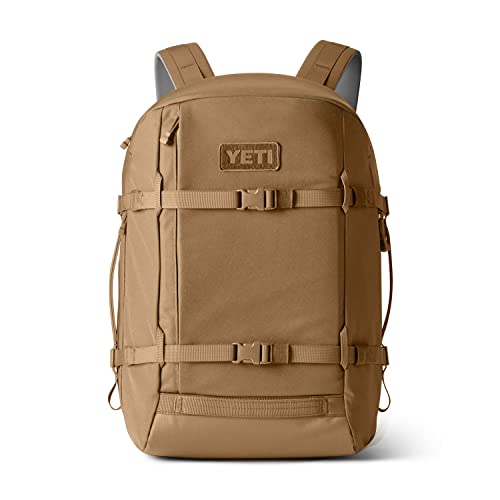
YETI Crossroads Backpack

ProMaster 67mm Variable ND Extreme HGX Prime

Deuter Trans Alpine 28 SL Women’s Bike Pack

cetzork Carry-On Travel Backpack (Black, 20L)

cetzork Carry-On Travel Backpack (Grey, 20L)
A Breakdown Of The Leading Choices
The ProMaster Cityscape 80 earns its spot here because ski-touring photographers tend to carry more than just layers. It opens from the back, which keeps gear away from opportunistic hands in lift lines and parking lots, and the light-toned interior lining helps you find a missing SD card at the tailgate after sunset. Compared to the technical, vest-style touring packs on the market, this one reads as a city-leaning daypack that doubles as a lightweight camera hauler on shorter tours.
It fits a laptop sleeve, holds a one-liter bottle, and includes a stowable rain cover for sudden squalls above treeline. For alpine photographers, the appeal is a single bag that handles the trailhead, the flight, and the office without a costume change.
Benefits That Matter
- Rear-opening main compartment protects expensive gear from theft in busy staging areas.
- Light-colored interior lining makes small items easy to spot on cold mornings with numb fingers.
- Built-in rain cover stows away when the sky looks stable.
- Dual-purpose build works for travel days and short summit pushes alike.
Things To Consider
- No ice-axe loops or A-frame ski carry, so it is not the right tool for serious ski mountaineering.
- Owners commonly report the fabric, while sturdy, shows abrasion marks from rough granite belays.
Who It Suits Best
Light-and-fast photographers who want one pack for travel, office, and shorter alpine tours.
Where Another Pick Suits Better
Touring skiers chasing full lift-served descents will get more out of the Deuter Trans Alpine 28 SL, which is tuned for active outdoor pursuits.
This card earns a place here because alpine touring is genuinely hard on storage. Cold drain, glove fumbles, and surprise whumpfs all threaten the one thing you cannot recreate: the footage. Unlike the previous pick’s main compartment, this card is what goes inside it, and a UHS-I (Ultra High Speed bus, the common rating for current cameras) SDXC (Secure Digital eXtended Capacity, the format that handles cards above 64GB) with a ruggedized shell is built for the bumps. You may find that 128GB covers a long weekend of 4K skin-track clips without forcing a mid-trip swap.
For multi-day tours where a card failure means no recap video, the rugged housing offers peace of mind worth more than a few extra dollars.
Noteworthy Benefits
- Ruggedized housing resists shock, water, and extreme temperatures common above treeline.
- 128GB capacity handles long touring days without forcing a mid-trip card swap.
- UHS-I bus supports the write speeds needed for burst photo and 4K video workflows.
Worth Noting
- Storage cards do not last forever, and alpine cold can accelerate wear on heavily cycled cells.
- Pair the card with a small waterproof pouch in your pack for full confidence.
Key Product Details
Made For
Ski tourers filming on the skin track who cannot afford to lose a single line of footage.
Look Elsewhere When
Shooters pushing the highest bitrates in cinema cameras may want a UHS-II card instead.
The Crossroads lands here for skiers who treat their pack like a piece of luggage. A clamshell opening (the suitcase-style zipper that lets the bag fold flat like a book) lets you pack the way you would a carry-on, which is a small mercy at 4:30 a.m. when you are hunting for a missing pair of liners. Compared to the camera-focused Cityscape 80 reviewed above, this one favors pure durability over photo-specific access. For most guides and aspirant patrollers, that trade is the right one.
It pairs well with a roller bag via a pass-through sleeve, which is the kind of detail that matters when you are juggling skis and a coffee at the airport.
Useful Strengths
- 35L capacity swallows a full kit plus layers for long days in the field.
- Clamshell opening mimics suitcase-style packing for easier organization.
- Luggage pass-through sleeve secures the pack to rolling bags during airport runs.
- Durable shell fabric shrugs off rough rides in truck beds and cargo holds.
Trade Offs
- Heavier than ultralight touring packs, so it suits lift-access travel more than fast ascents.
- Bulk can feel excessive on minimalist one-skin-track days.
Best Suited To
Skiers driving to resorts or chasing trips that involve a flight and a long workday on the snow.
Skip It When
You mostly earn your turns on dawn-patrol laps and want the lightest possible rig.
Variable ND (Neutral Density, a filter that darkens the scene without shifting color) filters earn their weight on ski tours when you want that silky waterfall or motion-blurred skier shot. This 67mm model adjusts from 5.3 to 12 stops, which is enough range to handle bright alpine glare at noon and softer light in the trees. It threads onto a 67mm lens, so check your glass before you pack it. Where the YETI Crossroads handles storage, this little ring handles the creative finish on your footage.
For filmmakers chasing buttery-smooth motion in variable light, the multi-coated design (special lens coatings that cut reflections and ghosting) keeps the contrast honest.
Where It Excels
- 5.3 to 12 stop range covers everything from high noon to shaded tree skiing.
- Multi-coated glass minimizes flare and ghosting in backlit conditions.
- Smooth adjustment ring allows quick tweaks between shots without removing the filter.
- 67mm thread fits a wide range of mid-size cinema and photo lenses.
Minor Gripes
- Variable NDs can show a subtle X-pattern at extreme darkening on very wide apertures, worth testing before relying on it.
- Filters need careful cleaning after handling with gloves in the cold.
Feature Snapshot
Right Fit For
Filmmakers and photographers using 67mm-thread lenses who want one filter to handle shifting alpine light.
Not Your Match When
Your lenses take a different thread size, since step-up rings can introduce vignetting on wide-angle shots.
The Trans Alpine 28 SL earns its spot because not every alpine mission involves skis. Late-fall shoulder-season rides and groomed spring singletrack both benefit from a pack built for movement on a bike. The SL suffix indicates a women’s-specific fit, with a shorter back panel and contoured shoulder straps (the SL line at Deuter is their women-specific geometry). At 28L it stays compact on the body while carrying the day’s essentials plus a hydration bladder.
The Dusk-Marine colorway reads as muted on the trail, and the removable rain cover lives in its own pocket for quick deployment. For women bikepackers and riders transitioning into touring shoulder seasons, this is a quietly capable option.
The Practical Payoff
- Women’s-specific fit reduces pressure points on longer rides.
- Stowable rain cover deploys fast when a squall rolls through.
- Multiple internal and external pockets keep tools, snacks, and layers organized.
- 52 x 26 x 22 cm dimensions sit close to the body for stable handling.
Points To Note
- Designed primarily for cycling rather than ski carry, so it lacks dedicated ski or snowboard attachments.
- Owners commonly find the hydration sleeve works best with bladders up to 3L, worth confirming before packing.
Quick Facts
Who Will Love This
Women riders who split time between spring shoulder-season mountain biking and gentle alpine terrain.
Consider Something Else When
You want true ski carry, where the YETI Crossroads Backpack handles travel days and the ProMaster Cityscape 80 handles light touring days better.
The cetzork 20L sits in the roundup because most alpine tours begin and end with a flight or a long drive. Sized to fit 17.3-inch laptops and approved as carry-on, it handles the office leg and the trailhead leg in one bag. Compared to the YETI Crossroads reviewed earlier, this one trades ski-friendly durability for a slimmer commuter profile and an integrated USB charging port (a pass-through cable that lets you connect a power bank inside the bag to a phone outside).
For skiers flying in for a long weekend, the luggage pass-through sleeve keeps the pack secured on top of a roller, which is a small mercy at a crowded airport gate.
Where It Delivers
- Carry-on-friendly 20L shape fits overhead bins and personal-item rules on most airlines.
- Padded laptop compartment protects a 17.3-inch machine during transit.
- USB charging port offers quick top-ups without digging for a power bank.
- Luggage sleeve slides over roller handles for hands-free airport runs.
Room For Improvement
- 20L stays compact on the trail, so longer hut trips may require a second bag.
- The external USB port needs its own power bank inside, which is sold separately.
The Numbers That Matter
Built With In Mind
Travel-heavy skiers flying into destinations for long weekends or short tours who need one bag that handles the office.
Reach For A Different Pick When
You need real backcountry storage and ski carry, where the Deuter Trans Alpine 28 SL is a more honest outdoor tool.
The grey colorway earns its place for skiers who want a low-profile bag that disappears in crowds and on commutes. Functionally, it mirrors the black version reviewed just above: same 20L carry-on shape, same 17.3-inch laptop sleeve, same USB charging pass-through. Compared to the black cetzork pick, this one trades visual contrast for a quieter, more neutral aesthetic that pairs with technical shells and plain travel clothes alike.
For minimalists who want the same commuting and travel features without shouting for attention, the grey version is the more understated sibling.
Real-World Strengths
- Neutral grey color stays versatile across both office and trailhead settings.
- Carry-on dimensions match most airline overhead bins.
- Padded laptop compartment keeps gear safe during crowded travel days.
Points To Keep In Mind
- Same capacity limits as the black version, so longer hut trips may need a second bag.
- Lighter fabric color can show road dust more easily on long travel days.
Whose Shelf It Belongs On
Minimalist commuters who want a neutral-looking bag that flies well and doubles for short tours.
A Better Fit Elsewhere
You may find the ProMaster Cityscape 80 a more honest daypack for actual ski-touring days on snow.
What Matters Most Before Choosing Alpine Touring Backpacks
Capacity and Volume Discipline
Alpine touring packs run the spectrum from featherweight 20L shells to 50L expedition haulers. Lighter volumes force ruthless editing, which most beginners benefit from. Larger packs tempt you to fill them, and you carry every gram on the skin track.
Carry Systems for Touring
The waist belt and sternum strap (the chest-strap that keeps shoulder straps from sliding outward) matter more than the marketing copy suggests. A load lifter strap (the small strap at the top of the shoulder harness that pulls the upper bag closer to your body) lets you dial the top-end weight into your lower back, which is the difference between a fine day and a sore one. Many touring-specific packs add ice-axe loops and diagonal ski carry for the ascents.
Materials and Weather Protection
Look for ripstop nylon (a woven fabric with reinforcement threads that stop small tears from spreading) at minimum, and a real waterproof coating or a built-in rain cover. Snowmelt soaks a non-treated pack in about an hour of touring, and your down layer pays the price.
Fit Specific to Your Body
Women’s-specific fits (the SL designation) shorten the back panel and contour the harness to narrower shoulders. Men’s and unisex fits assume longer torsos. Trying a loaded pack, not an empty one, reveals the truth fast.
Key Considerations Across These Picks
Pitfalls Shoppers Hit
The classic mistake is buying a pack sized for a hut trip when you mostly do dawn-patrol laps. You end up hauling dead weight and paying for it on the uptrack. Skipping a rain cover is another common shortcut that turns one squall into a wet baselayer day. Finally, plenty of skiers ignore the hip belt and wonder why their shoulders ache by the second lap.
Where The Extra Money Goes
Premium packs invest in lighter fabrics, suspension systems that breathe under load, and better zippers that survive cold and grit. You feel the difference on a long day and in a long lifetime. For weekend warriors, mid-tier packs deliver most of the gains. For guides and frequent tourers, the upgrade pays for itself in comfort.
Frequently Asked Questions
What size alpine touring backpack do I need?
Most skiers chasing half-day tours do well in the 20 to 30 liter range. Multi-day hut trips and gear-heavy objectives push you into the 35 to 50 liter bracket.
Do I need a women’s-specific fit?
If your torso length sits under 18 inches and you have narrower shoulders, a women’s-specific harness distributes weight more comfortably. If standard fits already feel dialed, the extra geometry is unnecessary.
Can a touring pack double as a travel bag?
Some do, especially carry-on-shaped designs with laptop sleeves. Heavier technical packs are poor travelers, and travel bags are poor technical packs. Pick the main use case first.
How do I keep gear dry inside the pack?
A pack rain cover handles most weather, and a dry bag inside protects electronics, down, and spare layers. Avoid stuffing wet shells into the main compartment.
How long should an alpine touring backpack last?
A well-made touring pack should give you many seasons of regular use, with zippers and abrasion zones being the first areas to show wear over time.
Wrap Up
The right pack is the one that matches your tour length, your body, and your weather. Use the lineup above as a starting point, then refine by trying on the loaded pack before you commit.