Picking the right pack shapes every step of a trip, from a quick weekend loop to a long haul abroad. Your choice sets the tone for comfort over miles, how much you can actually carry, and whether rain, rough handling, or a tight hostel locker becomes a problem. This list rounds up eight options worth a look, mixing true backpacking haulers with a few daily-use companions that double as travel bags.
A Quick View Of The Lineup
N NEVO RHINO 35L Internal Frame Backpack with Rain Cover

Osprey Rook 50L Men’s Backpacking Backpack

Osprey Aether Plus 70L Men’s Backpacking Backpack
Ursack Major XL Bear Backpack
Teton 55L Scout Internal Frame Backpack

BIKROD Black Laptop Backpack for School and Travel

BIKROD Lightweight Laptop Backpack for Travel

BIKROD Boys and Girls Lightweight Laptop Backpack
The Details Behind The Selections
A 35-liter pack slots into a sweet spot for travelers who don’t want to check a bag. The N NEVO RHINO 35L Internal Frame Backpack with Rain Cover uses ripstop polyester and nylon, which is a tight crosshatch fabric weave that resists tearing when snagged on brush or rocky terrain. It carries an internal frame, meaning a supportive structure sits inside the back panel rather than a visible external skeleton, keeping the silhouette clean for crowded buses and overhead bins.
All stress points and shoulder straps use bar tack stitching, a tight reinforcement technique common in climbing gear, so the spots most likely to fail under load get extra holding power. A rain cover stows in a bottom pouch, which means you can pull it out without unpacking when weather rolls in mid-trail. For most weekend trips, that coverage is enough.
A Strong Showing
- Ripstop polyester shell holds up to brush and rough handling.
- Built-in rain cover deploys from a bottom pouch in seconds.
- Internal frame keeps the pack stable without external rods.
- 35L capacity fits carry-on limits on most airlines.
- Bar tack reinforcements on straps and seams extend pack life.
Worth Noting
- 35L runs tight for week-long trips with cold-weather clothing.
- The rain cover, once deployed, leaves the bottom pouch empty.
- Internal frames ventilate less than mesh-suspended designs.
Who It Suits Best
Fast-moving weekend travelers and hostel hoppers who pack light and value a carry-on-friendly footprint.
Consider Something Else When
The Teton 55L Scout Internal Frame Backpack fits better for anyone needing real volume for longer trips.
Osprey has long been the name that comes up first for new backpackers, and the Rook 50 keeps that reputation intact. The Osprey Rook 50L Men’s Backpacking Backpack carries a straightforward, no-fuss design with an injection-molded ladder lock torso adjustment, which is a ladder-shaped plastic strip on the back panel that lets you slide the shoulder harness up or down to dial in torso length.
AirSpeed Suspension, Osprey’s tensioned mesh back panel, holds the pack slightly off your back for airflow that matters on warm climbs. Compared to the smaller N NEVO RHINO 35L, this pack offers 15 more liters and a more adjustable suspension, which is a real lift for anyone new to load-hauling. It also carries a bluesign certification, an independent textile standard that screens fabric chemistry for safer manufacturing.
The Upside
- Ladder lock torso fits a wide range of body sizes.
- AirSpeed mesh back panel improves airflow on warm hikes.
- Integrated raincover deploys without unpacking.
- Bluesign-certified fabric signals responsible sourcing.
Things To Consider
- 50L still requires careful packing for carry-on compliance.
- Mesh back panel can snag on velcro and rough surfaces.
- Lacks the convertible daypack lid of higher Osprey models.
Quick Facts
Right Fit For
First-time backpackers heading out for two to four nights who want an adjustable, well-supported carry without a steep learning curve.
A Better Fit Elsewhere
The Osprey Aether Plus 70L Men’s Backpacking Backpack makes more sense for thru-hikers carrying heavier loads over longer stretches.
When a trip runs longer than a long weekend, capacity and suspension start mattering more than pack weight alone. The Osprey Aether Plus 70L Men’s Backpacking Backpack handles a full week of gear plus food, and it carries the weight with a Custom Fit-on-the-Fly hipbelt and shoulder straps, both pieces that can be lengthened or shortened on the trail to fine-tune load balance without removing the pack.
The removable top lid converts into a DayLid daypack, a clever trick for side trips from base camp. Stow-on-the-Go trekking pole attachments let you stash poles without removing the pack, and an integrated raincover handles the wet stretches. Versus the Osprey Rook 50L, this pack trades a slightly heavier carry for real capacity and a more sophisticated suspension, which is the right swap for serious mileage.
Good Reasons To Consider
- Custom Fit-on-the-Fly hipbelt adjusts to changing loads.
- Top lid doubles as a daypack for side excursions.
- 70L handles week-long gear lists and winter layers.
- Stow-on-the-Go trekking pole holders work without removing the pack.
- Built-in raincover ships with the pack.
Trade Offs
- 70L exceeds airline carry-on dimensions for most carriers.
- Larger frame adds noticeable weight when partially loaded.
Whose Shelf It Belongs On
Thru-hikers, gear-intensive weekenders, and anyone packing for cold or technical terrain who needs a stable, roomy hauler.
Skip It When
The N NEVO RHINO 35L Internal Frame Backpack with Rain Cover fits better for travelers prioritizing carry-on size over volume.
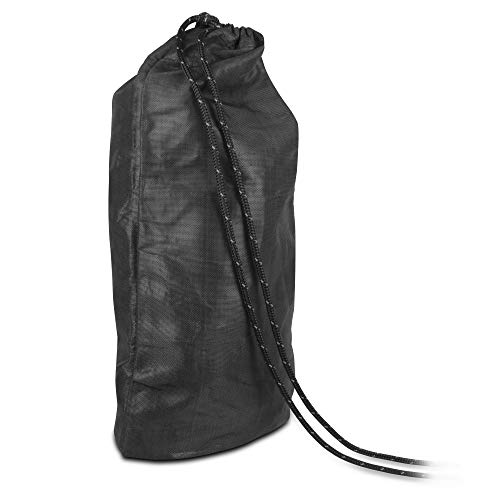
This entry breaks from the main pack list, and that is on purpose. The Ursack Major XL Bear Backpack is a bear-resistant food container, certified under IGBC standards, an independent testing body that rates wildlife-resistant containers. It is not a backpack in the traditional sense, but it carries about 50 percent more food than the standard Major and weighs just 8.8 ounces.
It’s built from UHMWP fabric, an ultra-high-molecular-weight polyethylene that resists tearing, clawing, and puncture from determined wildlife. For backpackers in grizzly or black bear country, where canister regulations or food-hanging rules apply, this sack slots into a larger pack for overnight trips. It will not replace the Osprey Aether Plus 70L, but the two often work together on the same trip.
Where It Delivers
- IGBC-certified bear resistance for regulated backcountry areas.
- UHMWP fabric resists tears, punctures, and claw damage.
- Light 8.8-ounce weight barely affects total pack weight.
- Holds about 50 percent more food than the smaller Major.
Points To Keep In Mind
- Sack must be paired with a larger pack for hauling other gear.
- Scent-proof claims vary; careful food handling still matters.
- Not a substitute for a traditional backpack in most scenarios.
At A Glance
Made For
Backpackers heading into bear country who need a lightweight, certified food container to meet land-management rules.
Not Your Match When
The Teton 55L Scout Internal Frame Backpack fits better for shorter-torso users wanting a full backpack at a friendly cost.
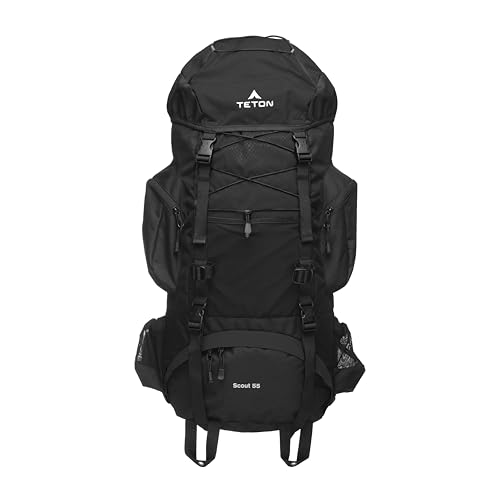
Most adult packs assume average-to-tall torso lengths, which leaves shorter hikers, teens, and kids struggling with shoulder straps that float above their shoulders. The Teton 55L Scout Internal Frame Backpack addresses that gap with a 3/4 frame, a slightly shorter internal support than full-length frames, sized specifically for smaller adults and younger hikers.
The integrated rain cover handles weather without an extra purchase, and the adjustable torso panel lets families share one pack across growth spurts. Compared to the larger Osprey Aether Plus 70L, this Teton gives up some capacity and load-hauling polish in exchange for a friendlier fit on smaller frames, which is exactly the trade-off many families and youth groups want.
Features That Help
- 3/4 frame fits shorter torsos and younger hikers well.
- Adjustable torso back panel grows with the user.
- Integrated rain cover ships with the pack.
- 55L handles multi-day youth trips and scout outings.
Small Caveats
- 3/4 frame carries less weight than full-length frames.
- Fabric can scuff on rocky scrambles; owners commonly report this.
- Fewer premium suspension touches than higher-priced competitors.
Key Specs
Who Should Grab It
Shorter adults, teens, and scout groups who need a real multi-day pack sized for smaller frames.
Look Elsewhere When
The Osprey Rook 50L Men’s Backpacking Backpack fits better for full-torso adults who want a more ventilated suspension.
Stepping away from trail-specific packs for a moment, this category covers travelers who carry a laptop everywhere they go. The BIKROD Black Laptop Backpack for School and Travel fits a 15.6-inch notebook in a dedicated sleeve and splits storage across two large main compartments, which keeps work gear separate from clothes and gym kit.
It is built as a school-to-travel hybrid, useful for a commute, a flight under the seat, or a casual weekend trip. Versus the N NEVO RHINO 35L, this pack prioritizes device protection and daily ergonomics over hiking-specific support. For travelers whose “backpacking” means hostels and trains rather than ridgelines, this shift makes practical sense.
What Earns Its Place
- Padded 15.6-inch sleeve protects a laptop during transit.
- Two main compartments separate work and travel items cleanly.
- Lightweight build keeps the daily carry from feeling heavy.
- Casual styling works in classrooms and coworking spaces.
Honest Caveats
- Lacks the internal frame and hipbelt of trail-ready packs.
- Fabric can show scuffs over months of heavy commute use.
Perfect Match For
Students, remote workers, and casual travelers whose priority is device safety and daily comfort over trail performance.
Reach For A Different Pick When
The Teton 55L Scout Internal Frame Backpack suits anyone planning actual trail miles instead of city travel.
A sibling option to the previous BIKROD entry, this version leans into the same lightweight school-to-travel profile. The BIKROD Lightweight Laptop Backpack for Travel holds a 15.6-inch notebook, opens into a pair of organized compartments, and stays slim enough to slide under most airline seats.
For most commuters, the carrying experience is straightforward, and the weight stays manageable even on long walks between transit stops. Compared to the BIKROD Black Laptop Backpack for School and Travel, this option keeps things similarly simple with the same laptop-friendly focus, and it tends to appeal to shoppers who want a less aggressive look.
Practical Advantages
- Multiple pockets keep small items easy to find on the move.
- Padded laptop sleeve fits most 15.6-inch notebooks.
- Lightweight construction reduces fatigue on long commutes.
- Versatile styling works across school, work, and travel contexts.
A Few Limitations
- Not framed; heavy textbooks strain the back panel over time.
- Minimal weatherproofing beyond standard fabric treatment.
Built With In Mind
Teen and college-age travelers who split time between classes, flights, and short weekend stays.
Swap It Out When
The Osprey Rook 50L Men’s Backpacking Backpack makes more sense for hikers stepping onto actual trails.
The third BIKROD option rounds out the everyday list with a unisex-leaning build aimed at high-school students flying home or visiting family. The BIKROD Boys and Girls Lightweight Laptop Backpack fits a 15.6-inch notebook and uses a similar lightweight shell, keeping the bag from adding bulk to a carry-on load.
Its appeal is straightforward: it does the school and travel job without forcing a choice between the two. Compared to the BIKROD Lightweight Laptop Backpack for Travel, this third version targets a wider gender-neutral audience while keeping the same core feature set, so the real difference comes down to styling preference. For shoppers comparing this category, weight, sleeve fit, and pocket layout matter more than the title wording.
Practical Pluses
- Lightweight shell eases carry during airport walks.
- Dedicated 15.6-inch laptop sleeve protects the device in transit.
- Multi-pocket layout handles books, cables, and travel essentials.
- Unisex styling fits a wide range of users.
Where It Is Less Suited
- No frame support means back strain under heavy textbook loads.
- Lacks a hipbelt, which longer walks can highlight.
Best Suited To
High-school students and casual flyers who want one pack that handles classroom days and short flights.
Another Choice May Suit
The N NEVO RHINO 35L Internal Frame Backpack with Rain Cover fits better for travelers prioritizing trail-capable gear over campus style.
Matching Your Trip To The Right Backpack
Capacity sets the first boundary. A 35-liter pack handles weekend trips and carry-on travel, while a 50 to 70-liter pack absorbs a full week of clothing, food, and shelter. Packs under 40 liters force tight packing; packs above 60 liters invite overpacking unless the trip demands it.
Suspension decides whether the load is tolerable. A ladder lock torso adjustment, which is a slotted track on the back panel that lets you slide the shoulder harness up or down, fits a wide range of body sizes and helps keep weight on the hips rather than the shoulders. Mesh-suspended back panels, like AirSpeed, add airflow on warm climbs, while internal frames keep the silhouette clean for overhead bins.
Weather protection matters more than most shoppers expect. Integrated rain covers, stowed in a dedicated pocket, deploy fast when a storm rolls in mid-route. Materials matter too: ripstop fabrics, with their reinforcement grid pattern, resist tears from brush and rough handling. UHMWP bear sacks, where applicable, meet regulated wildlife standards for backcountry food storage.
Fit changes everything. A 3/4 frame pack fits shorter torsos far better than a full-size adult pack, even when the capacity is similar. Travelers buying for teens, smaller adults, or growing kids should size to the person, not the trip.
Picking With Confidence
Wrong Turns To Avoid
Treating capacity as the only spec leads to overstuffed packs and sore shoulders. Most travelers buy too large and end up hauling dead weight. Match liters to trip length, then add ten percent for buffer rather than doubling up front.
Ignoring torso fit is the second common slip. Shoulder straps that float above the shoulders or hipbelts that sit on the waist instead of the hips turn any pack into a torture device. A ladder lock or adjustable torso panel solves this when sized correctly.
What The Higher Tier Buys
Premium packs invest in suspension hardware, not just fabric. Adjustable hipbelts, mesh back panels, and convertible lids show up where the money goes. For thru-hikers carrying forty pounds or more, those touches pay off in fewer hot spots and better load transfer. Casual travelers rarely need that level of refinement, which is where value-tier packs earn their keep.
Frequently Asked Questions
How many liters should a travel backpack be?
For weekend trips, 30 to 40 liters covers most travelers. For a full week abroad, 50 to 65 liters gives breathing room for layers and souvenirs. Anything above 70 liters usually means checked-bag territory.
Are internal frame backpacks better than external frames?
Internal frames keep the silhouette close to the body, which helps on crowded transit and tight trails. External frames ventilate better and carry awkward loads like coolers, but they snag in overhead bins and bus aisles.
Do these packs include rain covers?
Some do, some don’t. The N NEVO RHINO, Osprey Rook 50, Osprey Aether Plus 70, and Teton 55L Scout all ship with integrated rain covers. Laptop-focused packs generally do not, and a pack-cover or rain liner is worth adding for travel in wet climates.
Can a laptop backpack work for travel?
For city travel and short flights, yes. A 15.6-inch laptop sleeve, multiple compartments, and lightweight build cover most non-trail travel. For hiking and outdoor use, switch to a frame pack with a hipbelt.
How do I clean and maintain a backpack?
Empty it fully, shake out debris, then hand wash with mild soap and lukewarm water. Air dry out of direct sunlight to protect fabric coatings and frame adhesives. Owners commonly report that zippers last longest when treated with a light silicone spray every few months.
The Takeaway
The right pack depends on where you go and how much you carry. Trail travelers gravitate toward the Osprey Rook 50L for versatility, the Osprey Aether Plus 70L for serious mileage, and the Teton 55L Scout for shorter frames. City travelers and students land naturally on one of the BIKROD laptop packs. Match the pack to the trip, and the miles tend to take care of themselves.