A good bedding roll camping setup turns a cold, restless night into actual rest. The right option depends on where you’re going, how warm it needs to be, and how much pack space you’ve got. From rugged canvas bedrolls to lightweight kid-friendly nap mats and foam pads for car camping, this roundup covers ten options across cold-weather, warm-weather, family, and cowboy-camp scenarios.
Your Options, Compared
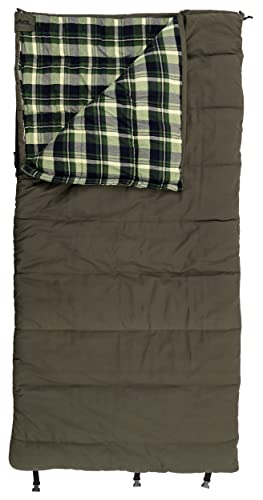
ALPS OutdoorZ Redwood -10°F Flannel Sleeping Bag

Helikon-Tex Swagman Roll Poncho Woobie Blanket
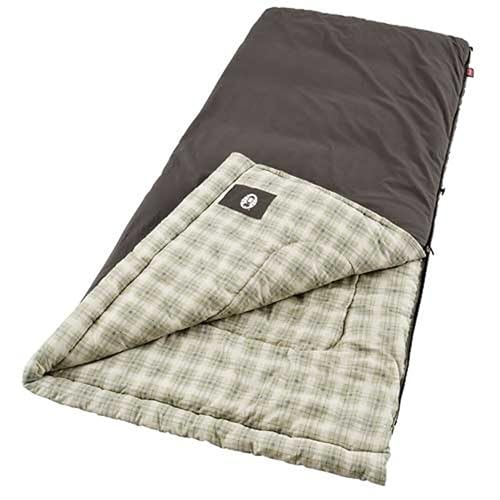
Coleman Heritage Big & Tall 10°F Flannel Sleeping Bag

Coleman Biscayne Warm-Weather Sleeping Bag 40°F

Jay Franco Kids Nap Mat with Pillow & Blanket

HOSIMA Hunting Pattern Cold Weather Sleeping Bag

Stephen Joseph Toddler Nap Mat with Blanket

TrailMax Canvas Cavalry-Style Cowboy Bedroll

GAIALOOP 3 Inch Memory Foam Camping Mattress

Browning McKinley 0° Hooded Rectangle Sleeping Bag
More On The Choices That Made The List
The ALPS OutdoorZ Redwood leans hard into the heritage side of cold-weather kit, pairing a tough 100% cotton canvas shell with a soft plaid flannel lining that feels like a familiar camp blanket. Two layers of TechLoft insulation, which is a synthetic fill made of siliconized micro-denier fibers designed to trap warm air in tiny pockets, sit between those layers to push the comfort rating down to -10°F. That makes it a confident pick for late-season deer camps, ice-fishing shanties, or anyone sleeping in a drafty canvas wall tent.
You get heavy-duty zippers running the full side, which matters more than people realize at subzero temps when a frozen slider becomes a real problem. The oversized rectangular cut gives you room to stash a boot bag or layer in a liner without compressing the fill.
Strong Points
- Cotton canvas shell shrugs off abrasion from rocky ground and firewood piles better than nylon does.
- Flannel lining feels broken-in from night one, no clammy cold-shell moment.
- TechLoft fill stays warm even if the bag gets a little damp from condensation.
- Rectangular shape lets you sleep on your side or sit up to read without the cocoon squeeze.
Worth Noting
- Canvas is heavier and bulkier than a synthetic mummy, so pack space matters.
- Cotton holds moisture longer, so drying it after a wet trip takes patience.
Right Fit For
Cold-weather hunters and campers who prioritize warmth and durability over pack weight.
Where Another Pick Suits Better
Backpackers counting every ounce get a more efficient package from the Browning McKinley 0° hooded bag.
The Swagman Roll sits in a category of its own. It’s part emergency-style “woobie” blanket (a soft, lightweight insulating layer favored by military and bushcraft folks), part wearable poncho, and part improvised sleeping cover. The long, narrow roll shape is meant to wrap over your shoulders while you walk, then unfurl over a bedroll or bivy when you stop.
For bushcrafters and ultralight campers, that’s a real workflow upgrade. Instead of packing a blanket plus rain shell plus insulating layer, you’re carrying one piece that does three jobs. It also makes a smart addition to a vehicle emergency kit during shoulder seasons.
The Helpful Details
- Three-in-one design cuts pack weight and clutter for minimalists.
- Poncho cut keeps rain off without trapping arm movement the way a traditional bivy can.
- Soft insulating fabric feels warmer against skin than a hard-shell emergency blanket.
Trade Offs
- Narrow profile means you’ll want to pair it with a proper ground pad for cold ground.
- Less structured than a mummy bag, so heat retention in deep cold is limited.
Who It Suits Best
Bushcrafters, hammock campers, and anyone building a versatile emergency or vehicle kit.
Skip It When
Subzero base-camp sleepers should reach for the ALPS OutdoorZ Redwood -10°F bag instead.
The Coleman Heritage Big & Tall solves a real problem for taller folks: most sleeping bags feel like a sleeping drawer. At 40″ x 84″, this one fits adults up to about 6’7″ without scrunching toes against the foot box. Holofill 808 insulation, a hollow-core synthetic fill that traps warm air inside tiny polyester tubes, delivers solid warmth down to a 10°F rating, and the brushed flannel lining has the soft, broken-in feel Coleman’s reputation is built on.
Compared to the ALPS OutdoorZ Redwood above, it’s lighter, more compressible, and machine washable, which is a quiet superpower on long trips or for guest-night use at home.
Noteworthy Benefits
- Generous dimensions end the knee-to-chin squeeze for adults over six feet.
- Holofill 808 keeps loft and warmth even after a night of body moisture.
- Machine washable shell makes post-trip cleanup straightforward.
Honest Caveats
- Bigger size means more pack volume than a standard mummy bag.
- Rectangular cut is less thermally efficient than a tapered bag in deep cold.
Best Suited To
Taller adults, guest-bedroom backups, and campers who want washable kit for repeated trips.
Look Elsewhere When
Hunters who need a camo-friendly, canvas-tough shell should consider the HOSIMA Hunting Pattern sleeping bag.
Feature Snapshot
The Biscayne is Coleman’s warm-weather workhorse. Rated to 40°F, it’s built for summer scout trips, casual car camping, and backyard sleepouts where you want a real blanket feel without the bulk of a winter bag. The brushed polyester cover is quiet against the skin, and the tricot blend liner breathes better than the flannel-lined Heritage above.
Two features that quietly earn their keep: the ZipPlow system, which is a small fabric plow sewn behind the zipper that pushes fabric out of the way so the slider doesn’t catch, and the two-way zipper for venting feet on muggy nights.
What It Does Well
- Lightweight and packs down small for summer trips.
- ZipPlow zipper design eliminates the classic snagged-fabric frustration.
- Two-way zipper lets you vent your feet or sit cross-legged without unzipping fully.
Some Limits To Know
- 40°F rating bottoms out fast in shoulder-season cold, so layering a liner is wise.
- Polyester shell can feel slick against cotton sheets if used as guest bedding.
Who Should Grab It
Spring through early fall campers, family cabin weekends, and anyone needing a fuss-free guest bed.
Reach For A Different Pick When
Below-freezing trips call for the Browning McKinley 0° hooded sleeping bag.
Daycare teachers and traveling parents know the daily gear shuffle: mat, blanket, pillow, stuff sack. The Jay Franco nap mat folds all four into one piece, with the blanket permanently attached so it can’t wander off in a classroom cubby. The 46″ x 20″ mat is sized for ages three to five, with a built-in name tag that solves the lost-label problem on the first day of preschool.
It’s a different product than the cold-weather adult bags above, but the same core idea applies: keep the setup simple, keep the parts together.
Key Advantages
- All-in-one design stops blanket-and-pillow mix-ups at school.
- Soft microfiber surface is gentle on sensitive skin after nap transition.
- Carry handle makes it easy for small hands to drag between spots.
Things To Consider
- Designed for indoor classroom naps, not rugged outdoor use.
- Size fits younger children, so older elementary kids will outgrow it quickly.
Made For
Preschool and daycare families needing a single-piece nap solution that travels cleanly between home and school.
Swap It Out When
Older kids who want more personality in their nap gear often prefer the Stephen Joseph camo nap mat.
Feature Rundown
The HOSIMA bag is positioned for hunters and campers who want decent cold-weather performance without the weight or cost of a heavy canvas bag. Rated for use between about 0°C and 25°C, which translates to roughly 32°F to 77°F, it covers most of the hunting season in one piece, and the included compression sack with shoulder straps makes it easy to haul between truck and treestand.
For younger hunters or smaller-framed adults, the unisex sizing is a real advantage compared to the bulkier adult bags above.
A Strong Showing
- Compression sack with shoulder straps frees your hands on the hike in.
- Drawstring hood and zipper design block wind across the neck and shoulders.
- Water-resistant shell keeps light frost and morning dew from soaking through.
Possible Compromises
- Mid-range temperature rating means it struggles in deep sub-freezing overnight conditions.
- Hunting camo pattern is a style choice that may not suit casual family campers.
The Right Fit
Seasoned hunters and youth campers who need a versatile shoulder-season bag at a manageable pack size.
Not Your Match When
Family car campers after guest-friendly comfort may prefer the Coleman Heritage Big & Tall flannel bag.
Stephen Joseph has built a name on the kind of bright, kid-approved prints that turn a nap mat from a chore into a small adventure. This toddler mat is one connected piece with a soft blanket, hook-and-loop carry straps, and a removable pillow that tucks into a large front pocket. That pocket doubles as a snack-and-stuffie pouch for travel days.
For parents packing the daycare cubby for the first time, the all-in-one layout removes a lot of the morning gear shuffle.
Good Reasons To Consider
- Removable pillow lets you wash the mat without flattening the fill.
- Front pocket stores small lovies so they don’t get lost between home and school.
- Bright patterns and camo options make it easy for kids to claim their own mat.
Worth Bearing In Mind
- Polyester shell can pill with heavy washing cycles over a school year.
- Pattern availability varies, so the exact camo or print you want may rotate in and out.
Whose Shelf It Belongs On
Parents of toddlers and preschoolers who want a low-friction nap setup with a bit of personality.
Another Choice May Suit
Younger preschoolers who need a fixed built-in pillow may prefer the Jay Franco nap mat instead.
The TrailMax cowboy bedroll is less a sleeping bag and more a piece of functional history. The 12/13oz preshrunk cotton duck canvas shell mimics what cavalry scouts and line riders used to roll behind a saddle, and the cotton flannel liner adds the soft layer you’d expect from a modern bag. The key insight is that it works as a cover over your existing sleeping bag, adding warmth and protecting the inner bag from campfire sparks and abrasion.
For base-camp campers, historic reenactors, and anyone setting up a wall-tent camp, that double-bag system is hard to beat for pure coziness on a cold night.
Useful Touches
- 12/13oz cotton duck canvas shrugs off campfire sparks and rough ground better than nylon.
- Flannel liner keeps the inside feeling warm even before you climb in.
- Preshrunk fabric holds its shape and size after the first few wet trips.
Less-Strong Areas
- Heavy and bulky compared to modern synthetic bags, so it’s a base-camp piece.
- Works best as a cover-over-bag system, not as a standalone insulation layer.
Right Fit For
Throwback campers, base-camp setups, and historic reenactors who want kit that looks and feels the part.
A Better Fit Elsewhere
Lightweight backpackers are better served by the Browning McKinley 0° ripstop sleeping bag.
The GAIALOOP isn’t a sleeping bag, it’s a mattress, and that’s the whole pitch. A 3-inch dual-layer foam build pairs a high-density poly foam base with a top memory foam layer, which is the same comfort stack you’ll find in a mid-range home mattress. Available in Twin (75″ x 38″) and Twin XL (80″ x 38″), it rolls up to fit a car trunk and lays flat in a wall tent or SUV sleeping platform.
For glampers, family campers, and anyone whose back protests after a night on thin air pads, this is the comfort upgrade that turns car camping into a real bed.
Everyday Perks
- 3-inch thickness insulates from cold ground and smooths out rocks and roots.
- Memory foam top layer reduces pressure points better than flat foam pads.
- Roll-up design stores compactly in a trunk or large duffel between trips.
Practical Considerations
- Foam construction is too bulky for backpacking and works best in car or base-camp setups.
- Memory foam can hold body heat, so warm-sleepers on summer nights may run hot.
Made For
Glampers, family campers, and overnight guests who want a near-home sleeping surface away from home.
Look Elsewhere When
Backcountry campers need something lighter and more packable, like the HOSIMA hunting-pattern bag with a closed-cell pad.
Key Product Details
The Browning McKinley closes out the list with a more technical take on cold-weather sleep. TechLoft Silver insulation, which is Browning’s mid-loft synthetic fill, is laid up in a two-layer offset construction that staggers the seams between layers to eliminate cold spots along zipper lines and shoulder seams. The large insulated hood, separating zippers, and brushed polyester liner all push toward one goal: staying warm at a 0°F rating without the canvas weight of the ALPS bag above.
For hunters, ice anglers, and winter campers who want modern synthetic performance in a roomy rectangular cut, it hits a sweet spot.
What Works In Its Favor
- Two-layer offset construction removes the cold-spot seams that plague cheaper bags.
- Insulated hood retains heat through the night without a separate balaclava.
- Compression stuff sack makes transport and storage tighter than a canvas roll.
Less Ideal Details
- Ripstop outer is tougher than nylon but still less abrasion-resistant than canvas on rocky ground.
- 0°F rating assumes proper ground insulation, so pair it with a closed-cell pad for full benefit.
Who Will Love This
Winter campers, ice-fishing trip leaders, and hunters who want a roomy technical bag for freezing nights.
Where A Sibling Pick Shines
Base-camp and cabin campers wanting fire-resistant canvas will get more out of the TrailMax cowboy bedroll.
Spec Overview
Finding The Right Bedding Roll For Your Camp
Start With Your Cold Rating
The single biggest mistake is choosing a bag rated for the air temperature rather than your personal sleep profile. A 40°F bag works for a warm sleeper on a calm night but feels miserable for a cold sleeper in the same conditions. Pick the warmest rating you’ll realistically face, then layer up for deeper cold.
Match The Cut To Your Sleep Style
Rectangular bags, like the Coleman Heritage Big & Tall and Browning McKinley, give you room to shift, sit up, and store layers, but they trade thermal efficiency for that space. Mummy and hooded cuts hold heat better; poncho-style rolls like the Helikon-Tex Swagman trade full insulation for versatility. Think about how you actually sleep before you pick a shape.
Think About Pack Size And Weight
Canvas and flannel-lined bags are wonderfully warm but pack like a small ottoman. Synthetic fills compress smaller and dry faster, which matters on multi-day trips where the bag is still damp at sunrise. For car camping, weight barely matters. For backpacking, every liter counts.
Don’t Forget The Ground
Even the warmest bag loses heat fast through the bottom. Pair cold-rated bags with a proper ground pad: a closed-cell foam pad for backpacking, or a 3-inch memory foam mattress like the GAIALOOP for car-camp comfort. Skipping the pad is the most common reason a “warm” bag feels cold.
Smart Choices Across These Picks
Pitfalls Shoppers Hit
The most common slip-up is trusting the temperature rating without reading the assumptions behind it. A 10°F comfort rating usually assumes a warm sleeper on an insulated pad inside a tent, not a cold sleeper on bare ground in open air. Another trap is buying a bag too small for a tall frame; even an inch of compressed foot space turns into a cold night fast. Finally, watch for shell materials that match your environment: cotton canvas is tough but slow to dry, while ripstop synthetics handle wet ground better.
Where The Extra Money Goes
Higher-tier picks like the ALPS OutdoorZ Redwood and TrailMax cowboy bedroll earn their cost through shell durability, heavier insulation, and construction details like staggered seams and heavy-duty zippers. The Browning McKinley spends its budget on technical insulation and a hooded design that retains heat efficiently. For occasional fair-weather campers, those upgrades aren’t necessary. For hunters, base-camp hosts, and anyone camping weekly, the durability and warmth margins pay for themselves within a couple of seasons.
Frequently Asked Questions
What temperature rating do most campers actually need?
For three-season camping in most U.S. regions, a 20°F to 40°F bag covers the realistic range. Winter and high-elevation campers should step up to a 0°F or -10°F rated bag like the ALPS OutdoorZ Redwood.
Can you use a regular sleeping bag in a bedroll setup?
Yes, and the TrailMax cowboy bedroll is built around that idea. Slipping a synthetic mummy inside a canvas cover adds warmth, weather resistance, and a vintage camp feel without replacing the inner bag.
Are kid nap mats useful for camping?
They’re fine for car camping in mild weather and great for travel sleepovers, but they lack the insulation and weather resistance of a true cold-weather sleeping bag like the HOSIMA or Browning McKinley.
How do you clean a flannel-lined sleeping bag?
Most modern flannel-lined bags, like the Coleman Heritage Big & Tall, are machine washable on a gentle cycle with mild detergent. Always air dry thoroughly before long-term storage to prevent mildew in the cotton fibers.
What goes under a cold-weather sleeping bag?
A properly rated ground pad is essential. Closed-cell foam works for backpacking, while a 3-inch memory foam pad like the GAIALOOP is the comfort move for car camping and base camps.
Bottom Line
The right bedding roll camping setup comes down to matching your coldest expected night with a bag rated for it, layered over a real ground pad. Cold-weather hunters and cabin campers will feel the difference in a heavy canvas roll, while summer families and glampers get more use from a warm-weather bag or a foam mattress upgrade. Start with where you camp and how warm you sleep, then pick the bag that fits both.