A good bike backpack disappears on your back, carries what you need without bouncing, and keeps water within reach on a long climb. The wrong one shifts with every pedal stroke, traps sweat against your spine, and forces you to stop every mile for a drink. This list focuses on packs that stay put, breathe well under load, and hold enough kit for trail rides, commutes, or bikepacking weekends.
The Essentials At A Glance

Everfun Hydration Backpack 18L with 2L/3L Water Bladder

Raptor LT 12 w-res

Mardingtop Tactical Molle Backpack 28L EDC
Mardingtop Small Tactical Molle Backpack 18L
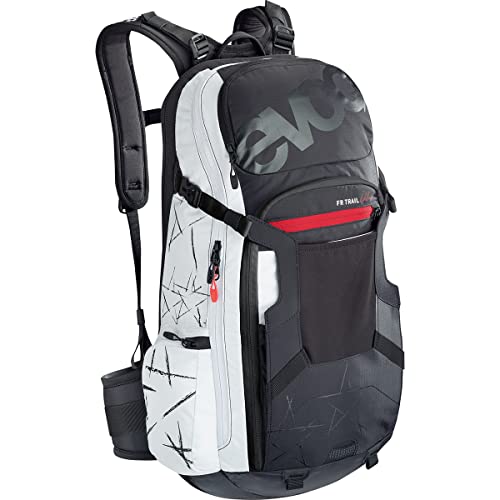
Evoc FR Trail Unlimited 20L Back Protector Pack

Deuter Trail 28L SL Backpack
Taking A Closer Look At The Options
For riders who want one pack that handles a Saturday trail loop and a weekday commute, the Everfun packs in a lot at a comfortable size. The 18L main compartment swallows a jacket, lunch, and a basic tool kit without turning into a brick on your back. A 2L or 3L water bladder (sold as part of the bundle) routes through a dedicated sleeve, so you drink without breaking stride.
Compared to the tactical picks later in this list, the Everfun leans recreational rather than rugged. Eight exterior pockets keep a phone, keys, and snacks reachable mid-ride. You won’t find MOLLE webbing here, but you also won’t carry the extra weight.
Strengths Worth Knowing
- Insulated hydration sleeve keeps water cooler on summer rides
- Eight pockets cut down on digging for small items
- Lightweight nylon shell handles sweat and light rain
- Adjustable sternum strap helps the pack sit still on rough ground
- Works for hiking, running, and festivals, not just cycling
Things To Consider
- No structured frame means heavy loads can pull on shoulders
- Nylon shell, while light, may scuff faster than polyester tactical builds
- Bladder taste can linger if you skip regular cleaning after flavored drinks
Who It Suits Best
Recreational cyclists and commuters who want hydration, storage, and comfort in one affordable package without tactical features they won’t use.
Where Another Pick Suits Better
Hardcore trail riders pushing big loads over rough terrain will get more stability from the Raptor LT 12 w-res.
The Raptor LT 12 is built for riders who measure fun in g-force, not miles per gallon. Where the Everfun prioritizes storage for casual outings, this 12L pack strips weight ruthlessly. The included 2.5L LT reservoir sits in a dedicated sleeve, and the bike-tailored winged shoulder harness locks the bag against your torso so it stops shifting when the trail gets angry.
An AirScape backpanel (a foam-and-mesh ventilation system that lifts the pack off your spine) keeps airflow moving on climbs. Side compression straps cinch the load tight, which matters when the volume inside the pack doesn’t match what you actually carry.
Reasons It Performs
- Winged harness design stays planted on steep, technical lines
- AirScape backpanel channels heat away from your lower back
- Upper and lower compression lets you shrink the pack when partially empty
- Ventilated airmesh hipbelt spreads load to your hips, not just shoulders
- Lightweight build means less fatigue on all-day rides
Trade Offs
- 12L capacity runs small for riders who pack rain gear, food, and tools
- Men’s-specific fit may sit awkwardly on riders with shorter torsos
Made For
Enduro and aggressive trail riders who want a pack that locks down hard and stays out of the way on rough descents.
Consider Something Else When
Riders needing built-in spine protection for big-mountain days should look at the Evoc FR Trail Unlimited 20L Back Protector Pack.
Some cyclists carry a pack. Others haul one. The Mardingtop 28L tactical pack lands in the second camp. MOLLE webbing (Modular Lightweight Load-carrying Equipment, the rows of stitched nylon strips that let you clip on extra pouches) wraps the outside, so you can bolt on accessory pouches, a knife sheath, or a bike tool roll without buying a bigger bag.
Compared to the focused trail design of the Raptor LT 12, this pack trades aerodynamic discipline for raw capacity. It handles bikepacking nights, motorcycle commutes, and weekend overlanding with the same frame. The trade-off is bulk, especially when you load it past halfway.
Why It Works Well
- 28L swallows layers, food, tools, and overnight kit
- MOLLE webbing expands capacity with aftermarket pouches
- EDC-friendly layout (everyday carry) suits utility-minded riders
- Tough construction handles rough gear and motorbike use too
Points To Note
- Bigger silhouette can interfere with aggressive riding positions
- Heavier empty weight than trail-specific packs
- Without careful packing, the load feels unbalanced on climbs
The Right Fit
Riders who carry tools, layers, and extras daily, or anyone splitting duty between cycling and motorbike trips, will appreciate the space and modular setup.
Look Elsewhere When
Riders chasing fast, nimble trail handling will feel more at home in the slimmer Mardingtop Small Tactical Molle Backpack 18L.
Think of the 18L Mardingtop as the shrunken sibling of the 28L version. Same tactical DNA, same MOLLE webbing, but trimmed down for riders who want utility without hauling a duffel on their spine. A hydration sleeve accepts a 2L bladder (sold separately), which is a fair trade if you already own a reservoir from another pack.
For commuters and short-loop cyclists, this size often hits the sweet spot. It’s big enough for a change of clothes, light enough to forget, and small enough not to swing when you’re out of the saddle.
Positive Takeaways
- 600D polyester shell resists abrasion on brushy trails (600D refers to the fabric’s denier rating, a measure of fiber thickness; higher numbers mean tougher material)
- YKK buckles and zippers (YKK is a Japanese hardware maker known for durable fasteners) tend to outlast generic equivalents
- Breathable padding on the back panel and straps reduces hot spots
- MOLLE strips let you add pouches as your kit grows
Worth Bearing In Mind
- Hydration bladder is not included, so budget for one if you don’t already own a compatible 2L reservoir
- Compact frame may cramp layered winter gear
- Tube routing requires some setup the first time you thread it
Best Suited To
Riders who want tactical features and MOLLE expandability without the bulk of a 28L pack, especially commuters and day-trippers.
A Better Fit Elsewhere
Riders prioritizing all-day airflow and a women’s-specific cut should consider the Deuter Trail 28L SL Backpack.
Most packs protect your gear. The Evoc FR Trail Unlimited protects your spine. The integrated LITESHIELD back protector carries a TÜV/GS certification (a German safety standard indicating the protector has passed independent impact testing) and absorbs shock across a wide area, which matters when the trail punishes mistakes.
Beyond protection, the pack uses an extra-wide neoprene hip belt that shifts load off your shoulders and onto your hips. The 20L capacity bridges the gap between the lean 12L Raptor and the cavernous 28L Mardingtop. For riders who regularly hit lift-served bike parks or shuttle days, that combination is hard to beat.
The Helpful Details
- Built-in CE-standard back protector (CE EN 1621-2 is the European motorcycle standard for back protectors) absorbs roughly 95% of direct impact
- Wide neoprene hip belt transfers load to the hips for long climbs
- 20L volume fits a hydration bladder plus armor and layers
- Engineered for bike tours and rough trail conditions
Honest Caveats
- Integrated protector adds weight compared to non-protective packs
- Sizing runs specific, so confirm torso measurements before ordering
- Premium construction comes at a noticeably higher cost than non-protective options
Who Will Love This
Riders tackling aggressive terrain, bike parks, or shuttle days who want genuine impact protection built into the pack itself.
Skip It When
Casual commuters and gravel riders on smooth terrain will find the Everfun Hydration Backpack 18L a simpler, lighter alternative.
The Deuter Trail 28L SL closes the list with a refined, women’s-specific fit (the SL designation refers to Deuter’s narrower shoulder and hip belt geometry designed for smaller frames) that doesn’t apologize for being technical. The Airstripes back system uses two contoured foam strips rather than a flat panel, creating channels of open air against your back. On hot climbs, that difference adds up.
A U-shaped internal frame transfers load to the hips, so a fully loaded pack rides balanced instead of dragging on your shoulders. The recycled polyester and polyamide shell holds up to repeated scrapes against rock and brush. For long days where comfort matters as much as capacity, this is a thoughtful pick.
Everyday Advantages
- Narrow SL fit suits riders with shorter torsos or smaller frames
- Airstripes system keeps airflow moving between pack and back
- Internal U-frame balances heavy loads over the hips
- Recycled materials without sacrificing abrasion resistance
- Perforated shoulder straps and hip fins reduce pressure points
Practical Considerations
- 28L size is more than casual riders need for short loops
- Women’s-specific cut won’t suit every body, so check the geometry before committing
Perfect Match For
Riders with narrower frames tackling multi-hour rides who want serious ventilation and balanced load carrying in one pack.
Another Choice May Suit
Riders who need modular tactical storage should consider the Mardingtop Tactical Molle Backpack 28L EDC instead.
What To Weigh Before Choosing Your Pack
Fit matters more than features. A pack that sits high and tight against your back will feel stable, even with a half-loaded interior. A pack that hangs off your shoulders will swing, no matter how many straps you tighten.
Capacity should match your ride length. Anything under 15L works for quick spins and commutes. The 18L to 20L zone covers most trail rides. Move past 25L only when you’re hauling food, layers, or overnight kit.
Ventilation is the most underrated feature. Foam-and-channel back panels, like the Airstripes design on the Deuter or the AirScape system on the Raptor, move more air than flat padded backs. On humid summer climbs, that airflow is the difference between finishing strong and peeling off the pack halfway home.
Hydration compatibility is worth confirming before you commit. Some packs include a bladder, others just provide a sleeve. Matching the size and tube routing to your riding style saves frustration on the first ride.
Key Considerations Across These Picks
Where Shoppers Go Wrong
The biggest mistake is choosing capacity over fit. A 28L pack sounds generous until it bounces off your shoulders for ninety minutes. Measure your torso length, not just your height, and compare against each maker’s sizing chart before adding anything to your cart.
Another common slip is ignoring hydration setup. A pack with a sleeve but no bladder means an extra purchase and a tube route you didn’t plan for. Confirm what’s included so there are no surprises on day one.
When Paying More Pays Off
Higher-tier packs earn their cost through better back panels, tougher hardware, and smarter load transfer. The Evoc’s integrated back protector, for example, replaces a separate spine pad you might buy anyway. Premium materials also tend to outlast cheaper fabrics, especially if you ride weekly in abrasive conditions.
For riders who log serious hours or hit technical terrain, that upgrade pays back in comfort and durability. For occasional weekend use, a mid-tier pack delivers most of the value at a fraction of the cost.
Frequently Asked Questions
What size bike backpack do I need?
For rides under two hours, 12L to 18L usually fits tools, a snack, and a light layer. Anything longer benefits from 20L or more so you can carry water, food, and weather gear without cramming.
Are hydration backpacks better than water bottles in cages?
Hydration packs let you drink without taking your hands off the bar, which helps on technical terrain. Bottle cages keep weight low on the bike and free up your back for ventilation. Many riders use both.
Can I use a hiking backpack for cycling?
Yes, but cycling-specific packs have wider hip belts, narrower profiles, and compression straps that keep the load from swinging. Hiking packs often feel unstable when you stand to climb on a bike.
Do I need a backpack with a back protector?
Only if you ride aggressive trails, bike parks, or terrain where falls are likely. For commutes and gravel paths, a standard pack without a protector is lighter and more breathable.
How do I clean a bike backpack?
Empty it out, shake loose debris, and hand-wash with mild soap and lukewarm water. Hang it open to air dry, and never put a hydration bladder in a dishwasher, since heat warps the seams.
Closing Remarks
The right bike backpack depends on where you ride, how long you’re out, and how much kit you actually carry. Trail riders chasing speed will appreciate the Raptor LT 12’s stability, while commuters will find the Everfun’s storage and bladder hard to beat. Match the pack to your route, your torso, and your habits, and the rest falls into place on the first ride.