Spotting a leopard at 200 meters in golden-hour light separates a forgettable safari from a story you tell for years. The right glass makes a real difference: enough magnification to pull distant shapes forward, enough objective diameter (the front lens size, measured in millimeters) to feed the optics in the low light you’ll get at dawn and dusk, and enough ruggedness to survive dust, river crossings, and a hot vehicle seat. This list lines up nine pairs built for exactly that kind of use, from pocketable travelers to full-size 10×42 workhorses.
The Main Contenders
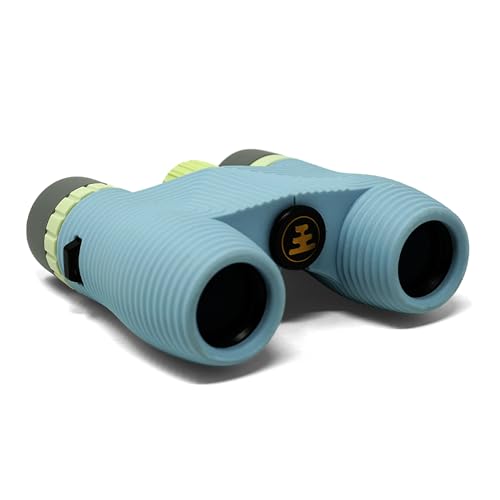
Nocs Provisions Standard Issue 10×25 Binoculars
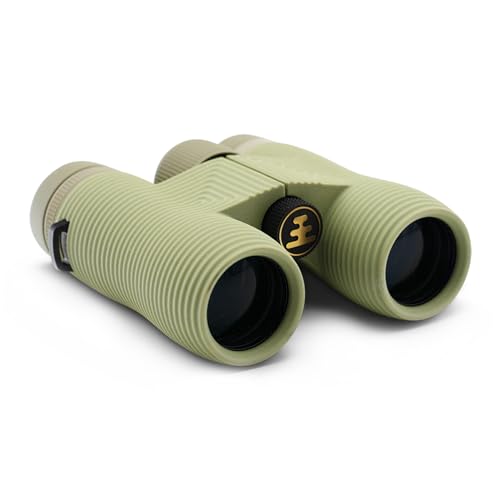
Nocs Provisions Field Issue 10×32 Compact Binoculars

Vortex Triumph HD 10×42 Binoculars

Bushnell 10x42mm Trophy XLT Binoculars

Nikon PROSTAFF P3 10×42 Binocular

Steiner Marine 7×50 Binoculars

Bushnell Engage X 10x42mm Binoculars

Nocs Provisions Zoom Tube 8×32 Monocular

Bushnell Trophy Bone Collector 10×42 Binoculars
More On The Choices That Made The List
The Nocs Provisions Standard Issue earns its place for travelers who’d rather not lug a full-size binocular all day. Weighing roughly 11.85 ounces, it slides into a jacket pocket or day-bag and stays out of the way until something catches your eye. The 10×25 format (10x magnification through a 25mm front lens) trades a bit of low-light punch for that portability, which fits casual game drives and short walking safaris.
Unlike the larger Bushnell and Steiner pairs later in this list, this one leans on compact convenience. Owners commonly pair it with a chest harness for quick deployment when a guide calls out a distant herd.
A Strong Showing
- Fully multi-coated optics help fight glare in bright midday bush light.
- Fully waterproof and fog-proof construction handles surprise rain showers.
- Scratch-resistant exterior stands up to shared gear pockets and zippers.
- Central focus system is intuitive even when passing the binocular to a fellow traveler mid-sighting.
- Light enough to hang around your neck for hours without neck fatigue.
Trade-Offs Worth Knowing
- 25mm objectives gather less light than the 42mm pairs on this list, so dawn viewing looks dimmer.
- 10x magnification in such a small body shows handshake wobble, so a steady hold or rest helps.
Built For Light Packers
First-time safari-goers and walking-safari enthusiasts who want real glass without the bulk of a full-size binocular.
Swap It Out When
The Steiner Marine 7×50 suits you better if you spend most game drives in fading light and want steadier framing.
The Field Issue steps up to a 10×32 configuration, which is the sweet spot many safari-goers settle on. The larger 32mm objectives pull in noticeably more light than the pocketable 25mm Standard Issue reviewed above, while the body stays compact enough for a day-pack. The oversized focus wheel is the standout control touch: turning it is smooth and precise even with cold morning fingers.
It runs around 16.7 ounces, which is heavier than the Standard Issue but still well below the full-size 10×42 pairs later in this list. For travelers who want one binocular that does most jobs reasonably well, this is a sensible middle ground.
Useful Strengths
- Focus range from roughly 9.3 feet to infinity covers everything from a perched bird to distant elephants.
- Shockproof body shrugs off the inevitable knock against a vehicle door or seat frame.
- Waterproof and fog-proof sealing keeps internal optics clear through temperature swings between chilly dawn drives and hot afternoons.
- 32mm objectives improve dawn and dusk visibility compared to the smaller Standard Issue.
Honest Caveats
- HiFi fully coated optics sit a step below the fully multi-coated glass on premium pairs, so edge sharpness is slightly softer.
- 32mm still trails the 42mm Nikon and Bushnell pairs when light gets really low.
Key Specs
Who It Suits Best
Travelers who want a versatile do-it-all binocular that handles walking safaris and game drives without weighing down a pack.
Look Elsewhere When
The Vortex Triumph HD 10×42 suits you better if you prioritize edge-to-edge sharpness for serious glassing sessions at long distances.
The Vortex Triumph HD is the pair a lot of safari-goers will end up reaching for. Its 10×42 format is the classic safari configuration: enough magnification to read a lion’s ear at distance, and a 42mm front lens big enough to feed the optics in low light. Multicoated lenses push toward edge-to-edge sharpness, and the rubber-armored body shrugs off the rough-and-tumble of a safari vehicle.
Compared to the compact Nocs Provisions Field Issue reviewed just above, the Triumph gives up a bit of portability for noticeably better light gathering. Adjustable eyecups and a diopter (a small adjustment ring that corrects the difference between your eyes) help you dial in the view, which matters during long stretches behind the glass.
What Stands Out
- HD optical system delivers sharp detail when identifying distant species from a guide’s description.
- Fully water, fog, and shockproof build handles river crossings and dusty roads.
- 42mm objectives pull in enough light for the dawn drives when predators are most active.
- Comfortable eyecups and diopter adjustment reduce eye fatigue on multi-hour outings.
Soft Spots
- Heavier and bulkier than the 10×32 and 10×25 Nocs pairs, so all-day neck carry gets tiring.
- Coatings, while good, sit below the very top tier of premium European glass in side-by-side comparisons.
Right Fit For
Safari-goers who want one solid full-size binocular for serious game viewing and don’t mind the extra bulk.
Skip It When
The Nocs Provisions Standard Issue 10×25 is a better call if you’d rather travel with a pocket-friendly glass that lives in a jacket.
The Bushnell Trophy XLT stands out for travelers who like to scan rather than fixate. Its 6.2-degree angle of view (the width of scene you can see at a set distance) covers a noticeably wider stretch of savanna than narrower rivals, which helps when a herd is moving across the horizon. The 10×42 format keeps the magnification and light gathering in familiar territory for safari use.
It’s a versatile all-rounder that handles cruise-ship deck viewing, birding breaks, and full game drives without missing a beat. Waterproof construction keeps the internals safe when the weather turns, which it often does on longer trips.
What Earns Its Place
- Wide 6.2° field of view makes tracking moving herds much easier than narrower glass.
- 10×42 optical system pulls in good light for dawn and dusk game viewing.
- Waterproof build handles tropical downpours on a Chobe or Serengeti trip.
- Comfortable enough for multi-hour use on a slow drive.
Small Caveats
- Wide field and 10x magnification combine into noticeable handshake wobble without a steady rest.
- Coatings are competent but not exceptional compared to higher-tier HD models.
Feature Snapshot
Best Suited To
Safari-goers who scan wide vistas and want a forgiving field of view while tracking herds or locating big cats in tall grass.
Reach For A Different Pick When
The Nikon PROSTAFF P3 suits you better if you wear glasses and need longer eye relief for comfortable full-frame viewing.
The Nikon PROSTAFF P3 brings a wide field of view and long eye relief (the distance your eye can sit behind the eyepiece and still see the full image) to the safari table, which makes a real difference for glasses-wearers. The multilayer-coated lenses and silver-alloy prism coating push color accuracy and brightness, so dawn light stays vivid rather than muddy. The 10×42 format covers the standard safari spec without surprises.
Stacked against the Vortex Triumph HD above, the P3 leans into comfort and color fidelity, while the Triumph edges ahead on outright ruggedness. For travelers who wear prescription glasses full-time, that long eye relief is often the deciding factor.
What Pays Off
- Wide field of view (367 feet at 1,000 yards) helps you locate game before zooming in mentally.
- Multilayer coatings and silver-alloy prism coating keep colors true across the visible spectrum.
- Long eye relief is genuinely comfortable for glasses-wearers on long drives.
- Waterproof, fogproof, and rubber-armored for rough safari handling.
Points To Keep In Mind
- Full-size 42mm body adds neck weight compared to the compact 10×32 Nocs Field Issue.
- Premium price tier over entry-level 10×42 rivals, so it helps to know you’ll use the extra clarity.
Spec Overview
Made For
Glasses-wearers and detail-oriented safari-goers who prioritize color accuracy and comfortable long sessions behind the glass.
Consider Something Else When
The Bushnell Trophy XLT fits better if you want a wider 6.2° angle of view specifically for scanning broad savanna scenes.
The Steiner Marine flips the usual safari script. Instead of 10x magnification, it offers 7x stability paired with 50mm objectives, and that combination is a real advantage when light gets scarce. The lower magnification produces a steadier image handheld, which matters during those long, bumpy drives to a leopard sighting at the edge of dusk.
Sports Auto Focus keeps the image sharp from about 20 yards out without constant refocusing, so the glass feels almost effortless once aimed. The floating prism system adds durability against impacts. For safari-goers who do most of their viewing at sunrise and sunset, the bigger objectives can outperform 10×42 rivals in that brief window.
Everyday Perks
- 7x magnification gives a steadier view handheld than 10x rivals.
- 50mm objectives gather noticeably more light for dawn and dusk drives.
- Sports Auto Focus keeps the image sharp without constant wheel turning.
- Field of view of about 356 feet at 1,000 yards is generous for a 7x binocular.
Factors To Consider
- 50mm objectives and 7×50 form factor make this a bulky pair to carry all day on walking safaris.
- 7x magnification is limiting when you need to read fine detail on a very distant animal.
- Marine-grade build leans toward boats, so it adds weight that road-based travelers may not need.
Whose Shelf It Belongs On
Safari-goers who value steady, bright views at sunrise and sunset more than long-distance magnification, and who don’t mind the extra bulk.
Another Choice May Suit
The Vortex Triumph HD 10×42 fits better if you want reach more than raw brightness, especially for spotting far-off herds.
The Bushnell Engage X is built to take abuse. The EXO Barrier lens coating repels water, oil, fog, and dust, so the front lenses stay usable through splashy river crossings and dusty gravel roads. IPX7 waterproofing means the binocular can handle immersion, which is reassuring when a sudden downpour hits mid-drive. The 10×42 format keeps the optics in familiar safari territory.
Compared to the Nikon PROSTAFF P3, the Engage X leans toward toughness over fine optical refinement. For travelers heading into wet-season safaris or working around water, the extra sealing is the headline feature.
Standout Benefits
- EXO Barrier coating on exterior lenses repels water and dust for a clear view in messy conditions.
- IPX7 waterproof rating handles heavy rain and brief immersion without damage.
- Fully multi-coated all-glass optics push solid brightness in the 10×42 class.
- Lightweight enough to carry comfortably on long game drives.
Worth Bearing In Mind
- Coatings and optical clarity sit a notch below the premium Nikon PROSTAFF P3 in side-by-side viewing.
- EXO Barrier requires occasional cleaning to maintain its water-repellent effect, especially after dusty days.
Who Should Grab It
Safari-goers traveling in wet-season conditions or near rivers who prioritize weather sealing over the last word in image brightness.
A Better Fit Elsewhere
The Nikon PROSTAFF P3 10×42 suits you better if sharper color and long eye relief matter more than rugged sealing.
The Nocs Provisions Zoom Tube isn’t really a binocular, but it earns a spot on this list for a very specific role. At 9.5 ounces, it slips into a pocket and stays out of the way until a guide whispers about something off in the distance. The 8×32 monocular delivers a wide 384-foot field at 1,000 yards, which is generous for one-eyed viewing.
Think of it as backup glass or a hike-along companion, not a primary viewing tool. A monocular can’t track moving subjects the way a binocular can, but for quick ID checks it punches well above its size.
Well-Handled Touches
- 9.5 oz weight makes it the lightest optic on this list by a wide margin.
- Wide 384 ft @ 1,000 yds field of view helps locate subjects before zooming in.
- Fully multi-coated optics with a Bak4p prism (a high-quality glass prism that brightens the image) keep the image bright.
- One-handed operation leaves the other hand free for a walking stick or camera.
Practical Considerations
- Monocular viewing lacks the depth perception a binocular gives, so tracking moving game is harder.
- Water-resistant rather than fully waterproof, so it’s a poor choice in heavy rain.
- 8x magnification is less reach than the 10x rivals on this list.
Perfect Match For
Hikers and casual safari-goers who want ultra-light backup glass for quick ID checks without carrying a full binocular.
Where A Sibling Pick Shines
The Nocs Provisions Field Issue 10×32 fits better if you want both eyes working and a more weather-sealed build for actual safari duty.
The Bushnell Trophy Bone Collector rounds out the list as a no-nonsense 10×42 workhorse. The textured, non-glare rubber armor absorbs shock and stays grippy when your hands are dusty or damp. Fully multi-coated lenses paired with a BAK-4 prism (a high-density glass prism that transmits more light than standard glass) deliver respectable brightness for the price tier. A 2-step twist-up eyecup system helps glasses-wearers find a comfortable viewing position.
Compared to the Bushnell Engage X above, this model leans toward a more traditional hunting-style aesthetic while sharing the same 10×42 optical format. It tends to sit at a friendlier price tier, which matters for travelers building a full kit.
The Case For It
- Fully multi-coated lenses with BAK-4 prisms give clean, bright images in the 10×42 class.
- 100% waterproof and fog-proof construction handles tough field conditions.
- Rubber-armored body absorbs shocks and keeps grip secure.
- Large center focus knob is easy to operate with gloves or cold fingers.
Less-Strong Areas
- Optical coatings sit a step below the higher-tier Nikon and Vortex models in fine-detail clarity.
- Lead-free glass construction is a thoughtful touch but doesn’t add to optical performance.
Quick Technical Notes
The Right Fit
Budget-conscious safari-goers and first-time travelers who want a proven 10×42 workhorse without stretching to premium pricing.
Not Your Match When
The Vortex Triumph HD 10×42 is a better call if sharper HD optics and a more refined optical system matter to your viewing style.
What Matters Most Before Choosing Binoculars For African Safari
Magnification And Objective Size
Magnification and objective lens diameter work as a team. A 10×42 binocular magnifies ten times with a 42mm front lens, which is the classic safari configuration for a reason: enough reach to identify distant animals, and enough light-gathering surface for the dimmer hours when predators move. Compact pairs like 10×25 or 10×32 trade some low-light performance for portability, while 7×50 configurations prioritize steady handheld views and brightness over reach.
Field Of View And Stability
Field of view determines how much scene you see at a given distance. Wider fields help you scan and track moving herds, while narrower fields make individual subjects appear larger. Higher magnification narrows the field and amplifies handshake wobble, so a steady hold or monopod becomes more important at 10x and above.
Weather Sealing And Build
African safaris involve dust, dew, sudden rain, and the occasional river crossing. Waterproof and fog-proof construction (often nitrogen-purged to prevent internal condensation) keeps internal optics clear through temperature swings. Rubber armor protects against knocks against vehicle doors and rocky terrain, which you may encounter more often than expected.
Eye Relief And Comfort
Eye relief is the distance your eye can sit behind the eyepiece and still see the full image. Long eye relief (typically 15mm or more) matters for glasses-wearers, since it lets you keep your prescription lenses on and still see edge to edge. Twist-up eyecups help dial in the right position, and adjustable diopters (small focus rings that correct the strength difference between your two eyes) fine-tune the view for your specific vision.
Key Considerations Across These Picks
Common Buying Traps
A common slip-up is chasing magnification without thinking about light. A 12x or 16x binocular can feel impressive on paper, but the smaller exit pupil (the beam of light that exits the eyepiece, calculated by dividing objective size by magnification) and handshake wobble make them hard to use handheld in a bumping vehicle. Another trap is buying a “water-resistant” binocular when you actually need fully waterproof, since river crossings and sudden downpours quickly expose the difference.
Where The Extra Money Goes
The jump from entry-level 10×42 to premium pairs typically buys better optical coatings, which means brighter images and truer colors in low light. It also buys tighter weather sealing, more precise focus wheels, and longer eye relief. For travelers on shorter, well-lit itineraries, mid-range glass does the job. For serious glassers heading out at dawn and dusk every day, the upgrade pays back in clearer sightings and less eye fatigue.
Frequently Asked Questions
What magnification is best for an African safari?
A 10x binocular covers most viewing scenarios, balancing reach with manageable handheld stability. For travelers prioritizing very steady dawn and dusk viewing, a 7×50 pair offers more brightness and less wobble.
Are 10×42 binoculars good for safari?
Yes, 10×42 is the standard safari configuration. The 10x magnification identifies distant game, while 42mm objectives gather enough light for low-light drives. The only real downside is neck weight during all-day carry.
How important is waterproofing for safari binoculars?
Very important. Dust, dew, and sudden rain are common on safari, and waterproof, fog-proof construction keeps internal optics clear. Pairs without proper sealing can fog up during temperature shifts between chilly mornings and hot afternoons.
Should I bring a monocular as backup?
A compact monocular like the Nocs Provisions Zoom Tube is a useful backup for quick ID checks and hikes when you don’t want to carry a full binocular. It won’t replace a binocular for sustained viewing, but the weight savings are noticeable on long days.
What’s the difference between 8x and 10x binoculars for safari?
8x binoculars give a steadier handheld view and a wider field, which helps when scanning or watching active subjects. 10x binoculars reach further but magnify handshake wobble, so they work best with a steady rest or a bracing position against a vehicle.
The Takeaway
The right safari binocular comes down to your typical day: dawn drives, midday scans, and evening returns. Travelers who pack light lean toward the Nocs Provisions Standard Issue 10×25, while those who want one solid do-it-all pick gravitate to the Vortex Triumph HD or Nikon PROSTAFF P3. Whatever you choose, prioritize sealing and a comfortable focus wheel. You want glass that disappears in your hands when the moment arrives.