A solid pair of black trekking boots changes how you feel about a long day on the trail. Whether you’re logging weekend miles in muddy lowlands or stepping into cold shoulder-season conditions, the right boot keeps your feet dry, warm, and steady. This roundup breaks down eight options across price points, climates, and skill levels, so you can match the boot to the terrain rather than the other way around.
An Overview Of The Picks

Columbia Men’s Firecamp Boot

Lowa Men’s Zephyr GTX Mid TF Hiking Boot

Columbia Men’s Fairbanks Low

Dryshod Arctic Storm Hi Women’s Winter Boot
ANJOUFEMME Winter Snow Boots for Women

Columbia Men’s Newton Ridge Plus II Waterproof
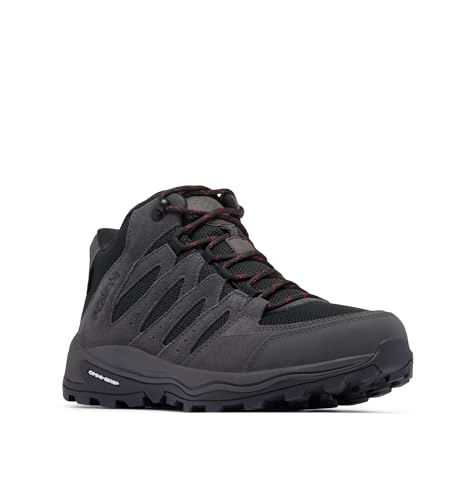
Columbia Men’s Redmond IV Mid Waterproof

ANJOUFEMME Women Waterproof Hiking Boots
More On The Choices That Made The List
The Columbia Firecamp is built for the shoulder season when trails turn slushy and the morning air bites. It carries a waterproof shell and low-bulk insulation that adds warmth without the clunky, mid-winter weight you find on dedicated snow footwear. On a damp Pacific Northwest loop or a windy ridge walk, the cushioning keeps feet from feeling beaten down by the end of the day.
Compared to the LOWA Zephyr we cover below, this boot is friendlier to newer trekkers and less aggressive in its stance. You get Columbia’s trail-traction outsole and a more flexible upper that forgives uneven foot placement. The boot comes in several colorways and a wide size range, which helps you dial in fit without a long break-in period.
Advantages To Know
- Waterproof construction keeps socks dry through puddles and wet grass on morning hikes.
- Low-profile insulation adds warmth without overheating on climbs with sun exposure.
- Lightweight feel reduces leg fatigue across 8- to 12-mile days.
- Cushioned midsole absorbs impact on rocky descents better than entry-level boots.
- Multi-color availability helps you find a match if you care about visual styling.
Things To Consider
- Insulation is light, so single-digit temperatures may push you toward a heavier winter boot.
- The mid-cut height supports light loads; hauling a 40-liter pack on rough terrain may leave ankles wanting more stiffness.
- Waterproof membranes tend to shorten drying time between trips if you air-dry the boot thoroughly.
Who It Suits Best
This boot fits weekend hikers tackling wet, chilly trails under 10 miles who want warmth without winter-bulk.
Consider Something Else When
The Lowa Men’s Zephyr GTX Mid TF is the better match for thru-hikers and anyone carrying heavy loads across technical alpine routes.
The Zephyr GTX sits at the serious end of the trekking category. It carries a GORE-TEX membrane (a fully waterproof yet breathable lining that keeps rain out while letting perspiration escape) inside a mid-cut upper, built for fast movement across mixed terrain. LOWA handcrafts these boots in Europe, and the construction shows in the way the heel locks in and the toe flexes naturally over rocky steps.
It looks stiffer than the Columbia Firecamp and feels stiffer out of the box, but the break-in is shorter than most European-built rivals. The TF designation points to a task-force oriented outsole, which grips loose dirt and scree well. For fast-and-light backpacking trips, this is the kind of boot that earns its reputation mile by mile.
Positive Points
- GORE-TEX lining handles sustained rain on multi-day routes without soaking through.
- Stiffer midsole plate improves stability when carrying loads over 30 pounds.
- European handcrafted construction tends to last longer than mass-market alternatives.
- Low-profile lacing lets you fine-tune fit across the forefoot for long descents.
- Aggressive outsole pattern grips wet rock and loose scree better than trail runners.
Trade Offs
- Premium construction comes at a notable step up in cost compared to mid-tier hiking boots.
- Stiffer midsole means a longer break-in period before the boot feels natural.
- Heavier than the Fairbanks Low, so speed-focused hikers may notice the extra weight on long days.
Key Attributes
Made For
Thru-hikers, mountain guides, and experienced trekkers who log real distance with a loaded pack on technical trails.
Skip It When
The Columbia Men’s Firecamp Boot suits weekend hikers who want warmth and waterproofing without paying the premium for handcrafted European construction.
The Fairbanks Low trades mid-cut ankle support for trail-runner agility, suiting hikers who move fast on groomed paths. The suede leather and breathable mesh webbing keep the foot cool on summer ridges, and Columbia’s Omni-Grip outsole steadies your footing on wet roots and dusty switchbacks. It feels more like a hiking shoe than a boot, which is exactly the trade-off many day hikers want.
Compared to the heavier Redmond IV Mid, this boot asks for a lighter pack and an easier line. If your usual loop is a 5- to 8-mile day on a well-marked trail, the lower profile lets your ankles flex in ways that taller boots simply can’t. For anyone used to running shoes but wanting better grip on dirt, this is a friendly crossover.
What Pays Off
- Suede leather upper holds up to scrapes against rocks and brush along narrow paths.
- Techlite cushioned midsole reduces foot fatigue over full-day outings on hard-packed dirt.
- Breathable mesh webbing lets heat escape on summer ascents under direct sun.
- Omni-Grip outsole steadies steps on wet roots better than a standard rubber sole.
Worth Noting
- Low-cut design offers minimal ankle protection on rocky or uneven ground.
- Lightweight build may feel underbuilt on rough trails with loose scree.
- Not insulated, so cold-weather hikers will want a taller boot for snow or freezing rain.
At A Glance
Right Fit For
Day hikers and trail runners who log moderate miles on well-marked terrain and prefer a low-cut, breathable build.
Look Elsewhere When
The Columbia Men’s Redmond IV Mid Waterproof is the better choice when ankle support and waterproofing matter more than lightweight agility.
The Dryshod Arctic Storm Hi is built for cold that would freeze most boots solid. Seven layers of protection, including 5.5 mm neoprene bootie construction, 2.5 mm DENSOPRENE XD foam (a closed-cell rubber foam valued for insulation and water resistance), and a fleece inner, stack up to a comfort range rated from sub-zero to room-level warmth. Where a typical winter boot starts to feel its limits, this one keeps working.
It belongs in a different category than the other picks on this list. The Arctic Storm is taller, heavier, and more insulated than anything Columbia offers in this roundup. Reach for it when winter chores like feeding livestock, walking to a snowy bus stop, or trekking through packed drifts are part of your routine, not when you’re chasing a summit on a summer ridge.
What Makes Sense
- Seven-layer build delivers warmth in extreme cold that lighter boots cannot match.
- Hydrokote water-repellent treatment sheds snowmelt so the outer fabric does not ice up.
- Genuine hand-laid rubber overlays resist abrasion against ice and rough terrain.
- DS1 molded outsole grips uneven, slippery surfaces better than a flat winter sole.
- Easy-on stretch lining and pull tabs cut the hassle of gearing up in freezing temperatures.
Points To Keep In Mind
- Heavier and bulkier than the Columbia Firecamp or Fairbanks Low, so it’s overkill for shoulder-season hikes.
- Aggressive insulation runs warm, which can cause overheating during high-output activity.
- Tall shaft limits ankle flex, so it’s less suited to fast-paced trail running.
Best Suited To
Anyone who spends serious time outdoors in deep winter, from homesteaders to ice anglers to winter trekkers facing sub-zero conditions.
Another Choice May Suit
The ANJOUFEMME Winter Snow Boots for Women are a friendlier pick for casual winter walks where deep-freeze insulation is unnecessary.
ANJOUFEMME’s fur-lined winter boot is the kind of casual winter option that handles neighborhood dog walks, snow shoveling, and short trail strolls without the price tag of a trekking-specific design. The faux-fur lining adds warmth around the ankle and toes, and the higher shaft blocks snow from sneaking in during a quick post-storm walk.
It’s not built to compete with the Dryshod Arctic Storm on deep-cold performance, and it shouldn’t try. Where this boot earns its place is in the casual winter category: errands, dog walks, and light trail strolls on packed snow. For shoppers who do not need GORE-TEX or premium leather, this fills the gap at a comfortable cost.
Where It Helps
- Fur lining keeps feet warm without adding bulk under everyday pants.
- Taller shaft blocks snow from entering at the ankle on freshly shoveled walks.
- Lightweight construction reduces fatigue on quick trips around the neighborhood.
- Cost-effective option for shoppers not ready to invest in premium winter footwear.
Points To Note
- Limited waterproofing compared to the Dryshod Arctic Storm or Columbia Firecamp.
- Sole traction is suited to packed snow rather than ice or steep trails.
- Casual construction may wear faster under heavy winter use than premium boots.
Who Should Grab It
Casual winter users who want a warm, comfortable boot for short outings on packed snow and slushy sidewalks.
Where Another Pick Suits Better
The Dryshod Arctic Storm Hi Women’s Winter Boot handles deep-cold and serious snow with layered insulation that this pick cannot match.
The Newton Ridge Plus II sits in the middle of Columbia’s hiking line, which is exactly why it works for so many trekkers. The waterproof membrane handles wet grass and shallow stream crossings without soaking through, and the mid-cut upper gives ankles real protection when the trail turns rocky. It feels more substantial than the Fairbanks Low without the stiffness of the LOWA Zephyr.
On a long weekend trip that mixes forest trail, open meadow, and a ridge scramble, the boot handles transitions without feeling out of place. Compared to the Firecamp, the Newton Ridge is a touch sturdier for carrying light-to-moderate loads. For many hikers, this is the boot that quietly does everything without drama.
Real Benefits
- Waterproof construction keeps feet dry through wet grass and shallow crossings.
- Mid-cut shaft provides ankle protection when carrying loads over uneven ground.
- Versatile build handles a wide range of trail conditions across the calendar year.
- Durable upper resists scuffs from rocks and brush on narrow paths.
Some Limits To Know
- Not heavily insulated, so deep-winter hikers will want to layer thicker socks or pick the Firecamp.
- Stiffer than trail-runner-style footwear, which may feel clunky to runners transitioning in.
- Lacks the premium handcrafted build of the LOWA Zephyr for serious multi-day treks.
Feature Snapshot
Perfect Match For
Year-round hikers who want one boot that handles spring mud, summer ridges, and fall frost on the same trip.
A Better Fit Elsewhere
The Lowa Men’s Zephyr GTX Mid TF is worth the upgrade for anyone logging multi-day routes with heavier packs.
The Redmond IV Mid is Columbia’s dependable middle-of-the-line hiking boot, and it leans into the word “dependable” on purpose. The waterproof shell, supportive mid-cut shaft, and grippy outsole deliver steady performance across wet and dry terrain without any single feature demanding the spotlight. On weekend hikes that mix forest floor with a steep climb to a viewpoint, the boot handles both halves without fuss.
Compared to the Newton Ridge we covered earlier, the Redmond IV sits in a similar space. Both are waterproof mid-cut hiking boots built for varied trail conditions, with subtle differences in upper materials and outsole pattern. You won’t go wrong choosing between them, though some hikers will prefer the Redmond’s slightly roomier toe box for descents.
Everyday Perks
- Waterproof shell keeps feet dry on wet trails and dewy grass in early-morning starts.
- Durable build holds up to repeated weekend use across varied terrain.
- Multi-color and size availability helps dial in personal fit and style preferences.
- Supportive mid-cut shaft steadies ankles on uneven ground with a moderate pack.
- Comfortable out of the box, shortening the break-in period for new hikers.
Honest Caveats
- Not heavily insulated, so deep-winter hikers will want the Firecamp for cold conditions.
- Lacks the premium construction of the LOWA Zephyr for serious multi-day routes.
Whose Shelf It Belongs On
Weekend hikers who want a comfortable, reliable boot for varied terrain without premium-tier pricing.
Reach For A Different Pick When
The Columbia Men’s Fairbanks Low is the lighter, lower-cut option for trail enthusiasts who prefer trail-runner agility.
ANJOUFEMME’s waterproof hiking boot is the entry point for trekkers getting started on the trail. The non-slip outsole grips well on damp pavement and packed dirt, and the waterproof shell handles puddles and shallow stream crossings without soaking through. For someone breaking in their first pair of hiking boots, this is an approachable starting place.
It doesn’t try to compete with the Columbia Newton Ridge on long-distance support, and it shouldn’t. The boot suits short-to-moderate day hikes on well-maintained paths, neighborhood greenways, and the kind of trail a new hiker tackles before moving into more demanding terrain. For shoppers testing the waters, this is a low-commitment way to start.
The Good Stuff
- Non-slip outsole steadies footing on damp pavement and loose trail dirt.
- Waterproof construction keeps socks dry on wet grass and shallow puddles.
- Cost-friendly entry point for first-time hikers building a gear kit.
- Lightweight build keeps feet from feeling weighed down on shorter outings.
Where It Is Less Suited
- Lacks the ankle support of mid-cut boots like the Columbia Redmond IV for rocky terrain.
- Not heavily insulated, so winter hikers will want a different pick for snow conditions.
- Casual construction may wear faster than premium options under heavy trail use.
Who Will Love This
First-time hikers and casual trail walkers who want a friendly, cost-effective waterproof boot for mild day hikes.
Where A Sibling Pick Shines
The Columbia Men’s Newton Ridge Plus II Waterproof suits hikers ready to step up to longer routes and more demanding terrain.
What Matters Before Choosing Black Trekking Boots
Match The Boot To The Climate You Actually Hike In
A boot that thrives on a summer ridge can feel miserable on a snow-packed trailhead. Insulation refers to the thickness and material of the lining inside the boot; higher insulation keeps feet warm but runs hot during summer climbs. Waterproof membranes (the thin waterproof layers laminated into the boot lining) keep water out but limit breathability, so hot-weather hikers may prefer a non-waterproof trail runner instead. For shoulder-season trekking across wet brush and cool mornings, mid-cut waterproof boots like the Columbia Firecamp or Newton Ridge Plus II handle the range well. For genuine winter conditions, layered insulation like the Dryshod Arctic Storm makes the difference between a comfortable outing and a miserable one.
Pay Attention To Cut Height And Outsole Grip
Cut height affects how your ankle moves on uneven terrain. Low-cut hiking shoes like the Fairbanks Low feel quick and light, but they leave ankles exposed on rocky ground. Mid-cut boots like the Redmond IV or Newton Ridge Plus II balance flexibility and protection. The outsole (the treaded bottom of the boot that contacts the ground) matters as much as the upper. Aggressive lug patterns bite into loose dirt and scree, while smoother outsoles suit paved greenways and packed trails. Match the outsole to your most common terrain, not your most adventurous daydream.
Fit Beats Features Every Time
A boot loaded with premium features still fails when the fit is wrong. Try boots on with the socks you plan to hike in, and leave a thumb’s width at the toe to prevent bruising on long descents. Heel lock (the way the back of the boot grips the heel to prevent slippage) matters more than people expect; if it slips while walking, blisters are almost certain. For new hikers, fit and break-in period matter more than technical specs.
Key Considerations Across These Picks
Pitfalls Shoppers Hit
Treating boots as one-size-fits-all across seasons leads to either cold feet in winter or hot feet in summer. The bigger mistake is sizing up too much to leave room for thick socks, which causes heel slippage and blisters. Skipping the break-in period on stiff boots like the LOWA Zephyr leads to painful first outings. For waterproof boots, neglecting to clean and air-dry the lining between trips shortens how long the membrane stays effective.
Where The Extra Money Goes
Premium boots like the LOWA Zephyr cost more for handcrafted construction, stiffer midsoles for loaded packs, and European-built quality control that tends to last longer. The extra cost buys longevity and load-bearing capability that mid-tier boots like the Columbia Newton Ridge cannot. For weekend hikers on light loads, the premium is hard to justify. For thru-hikers and serious backpackers, the upgrade often pays back in years of reliable service rather than a single season of frustration.
Frequently Asked Questions
How Do Black Trekking Boots Differ From Brown Hiking Boots?
Color is mostly cosmetic, but black boots tend to hide dirt and scuffs better on multi-day trips where you can’t wash gear every night. Black leather also tends to absorb more heat under direct sun, which matters on summer ridges.
Do I Need Waterproof Black Trekking Boots?
Waterproofing helps in wet grass, shallow crossings, and slushy shoulder-season conditions. For dry summer trails, non-waterproof boots breathe better and dry faster. Most trekkers benefit from at least one waterproof pair in the rotation.
How Long Does It Take To Break In New Trekking Boots?
Most modern hiking boots break in within 10 to 30 miles of walking. Stiffer European-built boots like the LOWA Zephyr take longer than flexible trail shoes like the Fairbanks Low. Start with short outings before committing to a long hike.
Can I Use Black Trekking Boots For Snow?
For shallow snow on short outings, waterproof boots like the Columbia Firecamp handle it. For deep or prolonged snow, insulated boots like the Dryshod Arctic Storm deliver the warmth and traction needed. Trail runners don’t belong in serious snow conditions.
How Should I Care For Black Trekking Boots?
Clean off mud after each outing, air-dry at room temperature, and treat leather uppers with conditioner every few months. For waterproof boots, occasional reproofing with a spray-on treatment helps the membrane shed water over time.
The Takeaway
Black trekking boots come in more flavors than most shoppers realize, from casual winter options to serious alpine-ready builds. Match the cut height, insulation level, and outsole pattern to the terrain and season you hike most, and the rest takes care of itself. A well-fitted, properly broken-in pair becomes the most-used piece of gear in your pack, trip after trip.