Long flights turn a good pair of headphones into a survival tool, and anyone who’s tried to use wireless earbuds with an airline seat jack knows the frustration. Bluetooth audio adapters and over-ear noise-cancelling cans both solve the problem, just in different ways. The picks below cover pilots, frequent business travelers, casual vacationers, and anyone who wants to share one screen with a travel partner without the cable mess.
The Shortlist At A Glance

Avantree Voyager Airplane Bluetooth Adapter with OLED

Bose A20 Aviation Headset with Bluetooth Dual Plug
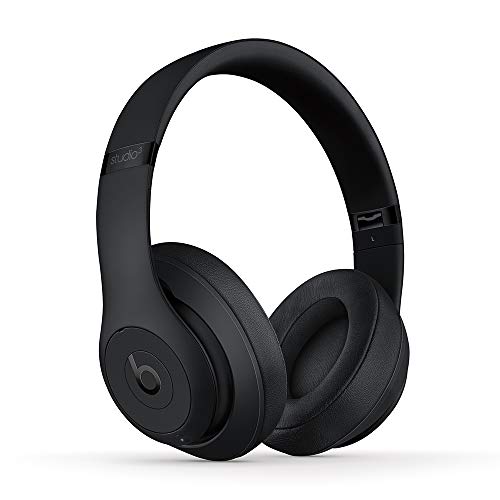
Beats Studio3 Wireless Noise Cancelling Over-Ear Headphones (Matte Black)
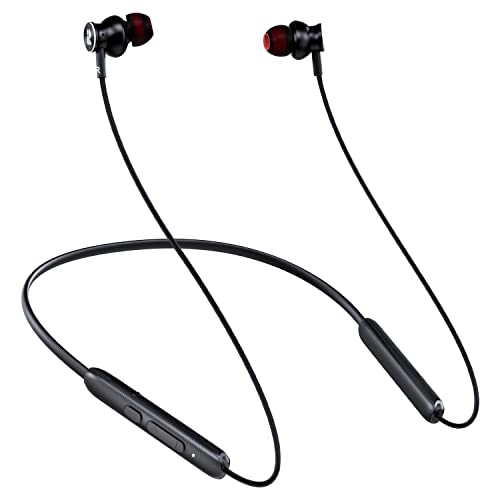
Rythflo Bluetooth Neckband Earbuds V5.2 30-Hour Playtime

Avantree Relay Airplane Bluetooth Adapter for Two Headphones

Avantree SoundJet R1 Airplane Bluetooth Adapter for AirPods

Rythflo Bluetooth Neckband Earbuds 150-Hour Playtime

Bose QuietComfort 35 II Wireless Headphones Triple Midnight

Bose QuietComfort 35 II Wireless Headphones (Black)
Inside Each Recommended Option
The Avantree Voyager turns any wired airline seat screen into a wireless audio source without making you guess about the connection. That tiny OLED screen on the front is the part that wins you over, because it shows the paired device, the battery level, and the current audio status at a glance, so you stop fumbling through menus at 35,000 feet. For flyers who already own quality Bluetooth headphones, this adapter slots in between the seat jack and your cans in seconds.
Unlike the aviation-grade Bose A20 we cover next, this is a consumer-friendly travel tool rather than a cockpit instrument. You plug the 3.5mm end into the seat-back or the included airline adapter, hold the pairing button, and your existing AirPods or over-ear headphones take over. For most passengers on coach flights, that’s the whole setup ritual.
The Upside
- OLED readout removes the blind-pairing guesswork that plagues cheaper transmitters.
- Works with any 3.5mm audio source, so gym machines and tablet audio ports double as use cases.
- Compact body fits in a seat-back pocket without bulging your personal item.
- Plays nicely with mainstream Bluetooth headphones, including AirPods and Bose models.
Points To Note
- Carries a small premium compared to no-display adapters because of the screen.
- Single-device pairing, so sharing audio with a travel partner requires a different pick.
Who It Suits Best
Solo travelers with existing Bluetooth headphones who fly a few times a year and want a no-fuss way to use them on board.
Where Another Pick Suits Better
Couples sharing one seat-back screen should look at the Avantree Relay, which pairs two headphones at once.
The Bose A20 belongs in a different category than the rest of this list, and that’s the point. It is built for pilots and crew who live in noisy cockpits, not for passengers who just want a quiet movie. Bose claims 30 percent greater active noise reduction than conventional aviation headsets, with a wired or wireless Bluetooth connection depending on your panel setup. The dual-plug cable version suits general aviation aircraft with the older twin-jack intercom outlets.
Comfort over long hauls is the A20’s quiet strength. The clamping force is notably lighter than many aviation headsets, so a four-hour leg doesn’t end with sore temples. Active equalization keeps audio clear at low volumes, and the Bluetooth input lets you pipe calls or navigation audio through the same headset without a separate dongle.
Useful Strengths
- 30 percent more active noise reduction versus conventional aviation designs, a meaningful margin in a turboprop cabin.
- Bluetooth audio input layers phone or tablet audio over the intercom for pilots who want both feeds.
- Reduced clamping force helps on long flight reviews or instruction sessions.
- Active equalization keeps speech intelligible at lower volumes.
Trade Offs
- Price tier is high, reflecting the aviation engineering rather than consumer features.
- Dual-plug cable limits it to aircraft with twin-jack intercoms, not modern helicopter or LEMO panels.
- Overkill for a passenger who only needs to watch one in-flight movie.
Feature Snapshot
Right Fit For
Licensed pilots, flight instructors, and crew who fly regularly and want a premium aviation-grade headset with Bluetooth.
Not Your Match When
Casual airline passengers will find the Bose QuietComfort 35 II far better matched to their use case at a lower outlay.
Beats Studio3 is the Apple-centric answer for flyers who want one pair of headphones that work everywhere. Apple’s W1 chip handles pairing with iPhones and MacBooks almost instantly, and Class 1 Bluetooth gives you a stronger, more stable connection through the cabin than older Class 2 hardware. Pure adaptive noise canceling (pure ANC) actively blocks the engine drone, while real-time audio calibration keeps the sound profile balanced as the cabin pressure shifts.
The 22-hour battery covers a transatlantic flight with room to spare, and the matte black finish looks discrete in a business-class cabin. Compared to the Bose A20 we just covered, the Studio3 trades aviation engineering for everyday versatility, and most non-pilot travelers want exactly that.
Strengths Worth Knowing
- 22-hour battery life covers a long-haul flight and the airport commute on either end.
- W1 chip pairs seamlessly with Apple devices, which is the ecosystem most flyers carry.
- Pure adaptive noise canceling adjusts to fit changes in seal and cabin noise.
- Built-in microphone handles in-flight calls when Wi-Fi calling is available.
- Works on iOS and Android, so platform switches don’t leave you stranded.
Worth Bearing In Mind
- Over-ear clamping can feel warm during summer flights in non-climate-controlled cabins.
- Doesn’t pair with the airline seat screen on its own, you still need a Bluetooth adapter for in-flight movies.
Who Should Grab It
Frequent business travelers inside the Apple ecosystem who want one headset for flights, commuting, and the home office.
Skip It When
If you only need audio for the seat-back screen, the Avantree Voyager adapter pairs nicely with whatever earbuds you already own.
Rythflo’s neckband design feels like a throwback, and that’s the appeal for travelers who lose tiny true-wireless buds in seat cushions. The 30-hour battery outlasts most over-ear options in this price tier, and the magnetic earbuds click together when not in use so they hang neatly on your neck during meals. Bluetooth 5.2 brings faster pairing and a more stable link than the older generations you’ll find on deeply discounted alternatives.
The IPX7 rating means a spilled drink in the cabin or a sudden rain shower at the gate won’t kill them. For budget-minded flyers, the trade-off is in noise cancellation, which is passive here, not active. On a loud flight, the seal of in-ear tips matters more than the spec sheet.
The Practical Payoff
- 30-hour playtime covers a week of commutes between charges.
- IPX7 sweatproof seal handles rain, spills, and gym sessions alike.
- Magnetic earbuds stay around your neck without a case in between listens.
- Bluetooth 5.2 reduces dropouts in crowded Wi-Fi environments like airports.
Some Limits To Know
- No active noise canceling, so engine drone comes through on louder aircraft.
- In-ear seal depends on tip fit; flyers with unique ear canals may need third-party tips.
- Neckband design is heavier than true-wireless, though most users stop noticing after an hour.
Best Suited To
Active travelers, runners, and casual flyers who want long battery life and water resistance without a premium price.
Consider Something Else When
For active noise cancellation specifically, the Bose QuietComfort 35 II is the natural step up.
The Avantree Relay solves a problem the Voyager can’t, which is sharing one seat-back screen between two people. You plug the adapter into the airline audio jack, pair two sets of Bluetooth headphones, and both travelers hear the same movie at the same time without splitting attention or fighting over a splitter cable. Qualcomm aptX Adaptive and aptX HD support promise stable, detailed audio when paired with compatible headphones.
Battery life is rated for roughly 25 hours, which covers even the longest international legs plus the connections. The dedicated connection indicators help you confirm both pairs are live before the safety demo ends, so you’re not debugging mid-takeoff.
Points In Its Favor
- Simultaneous dual pairing turns any flight into a shared movie night.
- aptX Adaptive and aptX HD support deliver high-resolution audio on compatible devices.
- 25-hour battery covers long-haul flights and the trip home without recharging.
- Connection indicators confirm pairing status for both headphones at a glance.
Possible Compromises
- Higher cost than single-user adapters because of the dual-stream hardware.
- Audio quality depends heavily on the headphones you pair, not the adapter alone.
Who Will Love This
Couples, parent-child duos, and travel partners who always end up watching the same in-flight movie together.
Look Elsewhere When
Solo flyers don’t need the dual-pairing feature and may prefer the Voyager’s OLED readout instead.
The SoundJet R1 is the smaller, simpler sibling in Avantree’s airplane adapter family. It targets flyers who own AirPods or another pair of Bluetooth earbuds and want a no-fuss way to connect them to the seat-back audio jack. The 3.5mm plug fits standard headphone ports, while the included dual-prong airline adapter covers the less common seat-jack formats you find on some international carriers.
Pairing two headphones at once is supported, and the dedicated connection indicators make it clear when both pairs are ready. The 25-hour battery matches the Relay, though the R1 trims features to keep the price lower and the body smaller. If you’ve never used a Bluetooth adapter on a plane, this is a sensible starting point.
Everyday Wins
- Plugs into airline seat screens, gym equipment, and tablets with the same 3.5mm input.
- Included dual-prong adapter covers both common seat-jack formats without buying extras.
- Connection indicators confirm pairing without app checking or menu diving.
- 25-hour battery outlasts most flight segments including delays.
Honest Caveats
- Lacks the OLED readout of the Voyager, so pairing is more of a trial-and-error process.
- Dual headphone mode is basic compared to the Relay’s higher-end audio codec support.
Perfect Match For
AirPods owners and minimalist packers who want a small, affordable way to use their existing earbuds on flights.
Reach For A Different Pick When
If you want a screen to confirm connection status, the Avantree Voyager’s OLED display is the upgrade path.
The 150-hour rating on Rythflo’s flagship neckband sounds almost exaggerated until you realize how often you forget to charge travel headphones the night before. Two hours of charging delivers more than a week of standby, so the earbuds sit in your bag through multiple trips before they ask for a top-up. The 13mm custom acoustic platform pushes richer bass than the smaller 10mm drivers you’ll find in most budget options.
Same story as the 30-hour Rythflo on the seal, fit, and IPX7 sweatproofing. For multi-leg business travelers, the upgrade over the cheaper Rythflo is the battery margin and the slightly fuller sound signature, not a different feature set.
Positive Takeaways
- 150-hour playtime eliminates the airport-outlet scramble between flights.
- 13mm driver delivers fuller bass response than typical budget earbuds.
- 10-minute fast charge yields hours of listening when you’re already late for boarding.
- IPX7 rating stands up to weather and accidental drink spills.
- Neckband design prevents loss in cramped airplane seats.
Small Caveats
- Higher price than the 30-hour Rythflo, mostly to fund the larger battery.
- No active noise canceling, so engine noise is managed by tip fit and seal alone.
Feature Card
Made For
Multi-leg international travelers and business flyers who hate hunting for outlets between connections.
A Better Fit Elsewhere
For active noise cancellation rather than battery endurance, look at the Bose QuietComfort 35 II instead.
The Triple Midnight limited edition is a colorway refresh of Bose’s long-running QuietComfort 35 II, with the same active noise cancellation that built the model’s reputation. Three levels of noise reduction let you pick how much cabin sound to cut without sealing yourself off from flight attendant announcements. The action button on the left earcup toggles between noise canceling presets and, on supported devices, voice assistant access.
Compared to the Beats Studio3 we covered earlier, the QC35 II leans toward a more neutral, less bass-forward sound signature. For listeners who care about acoustic balance on classical music, audiobooks, or movie dialogue, that profile wins points. The matte finish on the Triple Midnight edition hides wear better than the gloss black standard model.
Notable Gains
- Three-level active noise cancellation adapts to different cabin environments.
- Lightweight build stays comfortable on long-haul flights, assuming a standard head shape.
- Bluetooth pairing with NFC support speeds up connection on Android devices.
- Voice assistant integration works with multiple ecosystems, not just one.
A Few Limitations
- Doesn’t connect to airline seat screens on its own; an adapter like the Avantree Voyager fills the gap.
- Triple Midnight finish is a limited edition and may be harder to find than the standard black version.
Best Suited To
Premium comfort seekers and frequent flyers who prioritize quiet above brand-new feature lists.
Where A Sibling Pick Shines
For the same core noise cancellation in a more standard colorway, the black QC35 II is the more available option.
The standard black QuietComfort 35 II is the workhorse option in Bose’s lineup, the version most flyers have actually owned at some point. It carries the same active noise cancellation architecture as the Triple Midnight edition, with three selectable levels and the same balanced sound profile. For a daily driver that handles commuting, open offices, and long flights with the same competence, it’s hard to overstate how well-rounded this headset is.
Voice assistant access is built in, though the specific integration depends on your phone’s ecosystem. Battery life reaches roughly 20 hours with wireless and noise cancellation active, which covers a transatlantic flight with a buffer. If the Triple Midnight variant we covered earlier is sold out, this is the version you’ll actually find on shelves.
Useful Highlights
- Industry-trusted active noise cancellation tuned for consistent cabin environments.
- 20-hour battery covers most long-haul flights on a single charge.
- Comfortable over-ear fit that doesn’t clamp too tightly on extended wear.
- Bluetooth and wired connections, so you can fall back to a cable when the battery runs low.
What To Weigh
- Older Bluetooth generation compared to newer rivals, though most users won’t notice the difference.
- Requires a separate Bluetooth adapter for the in-flight entertainment screen.
Whose Shelf It Belongs On
Everyday commuters and occasional long-haul flyers who want proven noise cancellation without chasing the latest spec sheet.
Swap It Out When
If battery endurance matters more than noise cancellation, the 150-hour Rythflo neckband offers a different priority list.
Picking the Right Fit for Your Flights
Active Noise Cancellation Versus Passive Isolation
Active noise cancellation uses tiny microphones and a phase-inverted signal to cancel low-frequency engine drone, which is the part of cabin noise that exhausts you over a six-hour flight. Passive isolation relies on the physical seal of the ear cups or ear tips, and it handles mid and high frequencies better than bass. Travelers who fly mostly on modern Airbus or Boeing narrow-bodies with relatively quiet cabins may not need premium ANC, while turboprop and older charter flights make the Bose QC35 II or A20 worth every dollar.
Battery and Charging Habits
Battery life on a flight accessory only matters when you remember to charge it. Rythflo’s 150-hour neckband removes that anxiety for multi-leg travelers, while the Avantree adapters sip power and last days between top-ups. Over-ear options like Beats Studio3 and the QC35 II need nightly charging habits, which is a real friction point if you pack a small carry-on without easy cable access.
Connection Style and Sharing
Solo flyers with a good pair of Bluetooth headphones can stop at a basic adapter like the Avantree Voyager or SoundJet R1. Couples and travel partners who share one seat-back screen benefit from dual-pairing hardware like the Avantree Relay, though the audio quality then depends on the headphones each person brings. Pilots and aviation users need a different category entirely, where the Bose A20’s panel integration and aviation-grade clamping force come into play.
Comfort and Long-Wear Fit
Over-ear headphones distribute weight across the headband, which most flyers find comfortable for two to four hours, but ear pad material and clamping force vary enough to matter on red-eye flights. In-ear neckband designs put weight on the collarbones instead, which some travelers prefer for sleeping upright. Trying on any headset in a store before a long trip is the single best predictor of comfort.
Key Considerations Across These Picks
Mistakes Worth Dodging
Buying a premium aviation headset like the Bose A20 for coach-class entertainment is the most common overspend in this category, since most of its engineering goes toward cockpit noise that airline passengers simply don’t experience. The flip side is also true: budget earbuds without active noise cancellation on a loud older aircraft leave you turning the volume up to damaging levels just to hear dialogue. Match the headset tier to the cabin environment you actually fly in, not the one you imagine.
Where The Extra Money Goes
Stepping up from a basic adapter to a Voyager or Relay buys you better pairing feedback, higher-quality audio codecs like aptX HD, and dual-device support. Stepping up from budget earbuds to the QC35 II or Beats Studio3 buys you active noise cancellation, longer battery life, and a more durable build that holds up to daily travel use. The premium tier only pays off when the feature you’re paying for is one you’ll genuinely use on every flight, not just on the trip that inspired the purchase.
Frequently Asked Questions
Do Bluetooth adapters work on all airlines?
Most modern aircraft with seat-back entertainment use a standard 3.5mm jack or the older dual-prong format, and adapters like the Avantree Voyager and Relay ship with both connector types. A few budget carriers still rely on the older dual-prong output exclusively, so check the included accessories before you board.
Can I use these adapters with any Bluetooth headphones?
Bluetooth adapters transmit a standard wireless audio signal, so they pair with virtually any modern Bluetooth headphones, earbuds, or AirPods. Audio quality varies based on the codecs both devices support, with aptX HD or LDAC delivering noticeably better sound than the basic SBC codec on compatible hardware.
Is active noise cancellation worth it for flights?
Active noise cancellation makes a measurable difference on aircraft, where the engine drone sits in the low-frequency range that ANC targets best. For travelers who fly more than a few times a year, the reduction in listening fatigue and the lower required volume to hear dialogue make ANC a worthwhile upgrade over passive isolation alone.
How long do these adapters and headphones last on a single charge?
Adapter battery life ranges from 20 to 25 hours across the Avantree family, easily covering any single flight segment plus delays. Over-ear headphones like the Beats Studio3 and Bose QC35 II deliver 20 to 22 hours per charge, while Rythflo’s 150-hour neckband outlasts almost any itinerary on a single top-up.
Are aviation headsets legal for passengers to use?
Aviation headsets are designed for cockpit use and aren’t typically certified for passenger entertainment, since they connect to the aircraft intercom system rather than the seat-back audio jack. For in-flight movies and music, a consumer Bluetooth adapter paired with regular headphones is the correct combination.
Closing Remarks
The right pick depends less on the spec sheet and more on how you actually fly. Solo travelers who already own good Bluetooth headphones get the most value from a simple adapter like the Avantree Voyager, while couples sharing a screen benefit from the Relay’s dual pairing. Frequent business flyers who want one headset for everything land on the Bose QC35 II or Beats Studio3, and pilots live in a different category entirely with the A20. Match the tool to the trip, and the rest tends to take care of itself.