CO risk doesn’t stay home. A faulty cabin heater in an RV, a blocked flue in a vacation rental, or a tailpipe leak in a closed garage can all push carbon monoxide into the danger zone before you smell anything. The right travel-ready detector catches what your nose cannot, and it needs to be compact, battery-friendly, and accurate at the low end where symptoms start. Here are nine solid options worth packing, plus a few stationary units that pull double duty at a holiday rental or a guest house.
A Snapshot Of The Selections

Heiman Carbon Monoxide Detector Mini CO Alarm

Siterlink Carbon Monoxide Detector Plug-in 10-Year Battery

Heiman Carbon Monoxide Detector 3-Pack
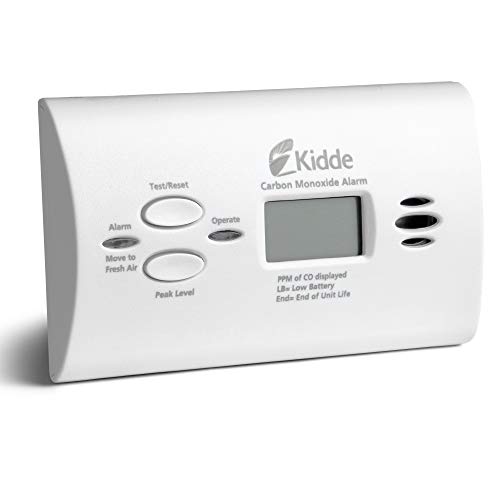
Kidde Carbon Monoxide Detector Battery Powered Portable

Kidde Plug-In Carbon Monoxide Detector Digital Display

Heiman Battery Operated Photoelectric Smoke Alarm

Heiman Wireless Interconnected Smoke Alarm 3-Pack
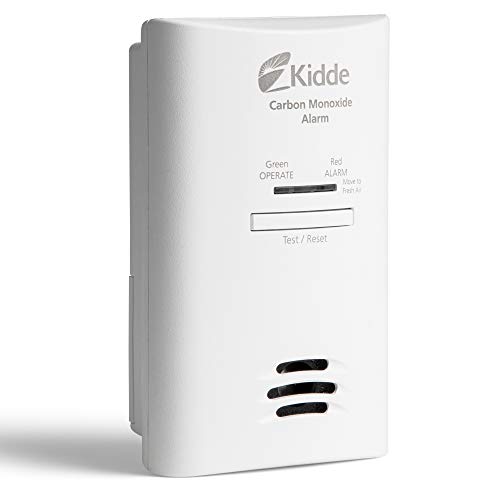
Kidde Plug-In Carbon Monoxide Detector AA Battery Backup

Heiman Photoelectric Battery Powered Smoke Alarm
Why These Options Stand Out
For road-trippers, this little unit sits in the category of gear you forget you own until you need it. The Heiman Carbon Monoxide Detector Mini CO Alarm reads down into the lower ppm (parts per million) ranges, so it can flag creeping buildup in a sleeping cabin before anyone wakes up dizzy. Its sealed lithium cell runs the full life of the alarm with no annual battery swaps, which matters when the unit lives in a glove box or overhead bin for months at a stretch.
Compared to the plug-in models further down the list, this one trades continuous wall power for true portability. The digital readout sits flush with the front face, so you can glance at the current reading at a glance rather than waiting for an alert.
Useful Strengths
- Low-level readout catches early buildup in sleeping quarters.
- Sealed lithium cell removes the need for scheduled battery swaps.
- Compact footprint slips into a duffel or overhead bin easily.
- Sensor meets UL 2034 5th Edition, the current U.S. residential standard.
Worth Noting
- Sealed battery means the whole unit is replaced at end of life, not just the cells.
- No wireless linking, so a single alarm in a large coach only covers its immediate area.
Right Fit For
Long-haul RVers, van lifers, and cabin renters who want one no-fuss unit to toss in a bag and trust for the full trip.
Swap It Out When
Travelers running a larger rig with multiple rooms get more value from the Heiman Carbon Monoxide Detector 3-Pack, since a single sensor cannot hear alarms from the bedroom while you’re in the cab.
Hotel rooms, vacation rentals, and cruise cabins all share one thing in common: an outlet you didn’t install. The Siterlink Carbon Monoxide Detector Plug-in 10-Year Battery leans into that reality by drawing constant power from the wall, then falling back on a sealed cell if the power blinks. For road-trippers who split time between motels and a stationary base, it bridges both worlds.
Compared to the Heiman Mini above, this unit trades the small, bag-friendly form for a larger, screen-forward design that reads more like a stationary home alarm. You may find the extra size a fair trade when you’re parked in a place for a week or more.
The Value In It
- Plug-in form factor means no battery math in normal use.
- Backup cell keeps watch during a power blip or a building outage.
- Electrochemical sensor (a sensor that reacts chemically to CO molecules for an accurate reading) suits long-term accuracy.
- Status lights and an audible alert cover the basics without overcomplication.
Trade Offs
- U.S. wall plug limits use to destinations with matching outlets, so international travelers need an adapter plan.
- Bulkier body than the battery-only Mini, less convenient in a suitcase.
Made For
Travelers who split trips between home base and a rental, and want a single alarm that works in both spots without swapping parts.
A Better Fit Elsewhere
Van dwellers and full-time RVers usually get more value from the Kidde Carbon Monoxide Detector Battery Powered Portable, since outlets in a moving coach are not always reliable.
One alarm in a 30-foot coach is a coin toss. The Heiman Carbon Monoxide Detector 3-Pack fixes that math by giving you three separate units, each with its own digital readout, so you can place one near the sleeping area, one in the galley, and one by the cab. Power comes from two AA batteries per unit, which are simple to swap on the road with spares you already carry.
Unlike the single Mini earlier in the list, this is a multi-room strategy in a box. The trade-off is the ongoing battery replacement, which is the kind of thing owners commonly report forgetting between trips.
Notable Upsides
- Three units cover a full travel trailer or family cabin layout.
- Digital display on each unit makes current readings easy to check at a glance.
- AA power means replacements are universally available, even at rural gas stations.
- UL 2034 5th Edition certification meets common residential and rental codes.
Points To Note
- Battery changes during the service life are required, so plan a yearly reminder.
- No wireless link between units, so a CO event in one room may not wake a sleeper in another.
Who Should Grab It
Family RVers and full-time travelers with a long coach or a vacation cabin, where a single alarm would leave blind spots.
Look Elsewhere When
You need every alarm to sound together from a single detection event, in which case the Heiman Wireless Interconnected Smoke Alarm 3-Pack makes more sense, with the caveat that you trade CO detection for smoke detection.
Kidde is the name on most fire station posters and rental inspection sheets, and that recognition is worth something when you want a travel unit that doesn’t raise eyebrows. The Kidde Carbon Monoxide Detector Battery Powered Portable runs on two AA batteries, so you can drop it on a hotel nightstand, clip it to a tent loop, or set it on a cabin dresser without worrying about outlet shape.
Compared to the Heiman Mini, this one skips a digital readout in favor of simple LED status lights, which keeps the cost down and the interface dummy-proof. You give up the live ppm display, but you gain a unit that can be in the hands of a non-technical travel partner with zero instruction.
What Pays Off
- Electrochemical sensor tuned for residential CO levels.
- Tabletop or wall mount gives flexible placement in any lodging.
- Test-reset button plus low-battery indicator cover basic upkeep.
- Portable form slides into a carry-on without dedicated space.
Honest Caveats
- No digital display, so the only readout you get is a green or red LED plus an 85 dB alarm.
- AA cells need periodic replacement, which some owners report forgetting on long trips.
Best Suited To
Travelers who want a familiar, widely recognized brand and a simple interface, especially older road-trippers or anyone gifting the unit to family.
Reach For A Different Pick When
You want to read current ppm values on the unit itself, in which case the Siterlink Carbon Monoxide Detector Plug-in 10-Year Battery shows live numbers without needing a phone.
Long stays deserve a screen. The Kidde Plug-In Carbon Monoxide Detector Digital Display pulls continuous power from a U.S. outlet, and its front-facing LED walks you through the current CO reading in plain digits. A 9-volt backup cell keeps it alive during a power flicker, which matters more in a remote cabin than in a city apartment.
Compare that to the Heiman 3-Pack above, where each unit is battery-driven and you swap cells by hand. The trade is straightforward: this Kidde model wants a wall outlet, and in return it gives you a constant live readout without ever touching a battery tray.
A Favorable Mix
- LED readout shows live CO level in parts per million.
- Peak level memory recalls the highest reading since last reset.
- 85 dB alarm and LED indicators cover the essentials.
- 9V backup cell covers short outages without shutting down.
Things To Consider
- Plug-in form means no go-anywhere flexibility once you leave the outlet.
- Backup 9V cell does need replacement during the alarm’s lifetime.
Key Advantages
Whose Shelf It Belongs On
Travelers with a long-stay rental, a lake house, or a base camp where a single outlet covers the main sleeping area.
Consider Something Else When
You mostly stay in moving vehicles, where the Kidde Carbon Monoxide Detector Battery Powered Portable handles a vibrating, outlet-free environment better.
Smoke is the other half of the cabin-air safety story, and the Heiman Battery Operated Photoelectric Smoke Alarm handles that side with a sleek, low-profile body that earned a Red Dot design award. Photoelectric sensing is a method that uses a light beam to detect smoke particles, and it tends to catch smoldering fires faster than the older ionization style. The compact form looks more like a small speaker than a fire alarm, which matters in a nicely finished coach interior.
Worth flagging up front: this is a smoke alarm, not a CO alarm, so you still need a separate unit for carbon monoxide. Pairing it with the Heiman Carbon Monoxide Detector Mini CO Alarm covers both threats in a tidy package.
The Case For It
- Photoelectric sensor favors smoldering fires over flaming ones.
- Compact award-winning body fits tight overhead spaces.
- UL 217 10th Edition certification matches the newest U.S. smoke standard.
- Battery operation means placement without worrying about wiring.
Small Caveats
- No CO detection built in, so it’s a partial safety solution on its own.
- Photoelectric sensors can be slower on fast-flame fires, so a dual approach in a kitchen is wise.
Who Will Love This
Design-conscious travelers with a finished coach interior who want smoke coverage that blends in rather than shouts “industrial gear.”
Skip It When
You need a single device to cover both threats, in which case the Kidde Plug-In Carbon Monoxide Detector Digital Display or a similar CO unit should be the priority.
A 40-foot coach has a real distance problem for sound. The Heiman Wireless Interconnected Smoke Alarm 3-Pack solves it by linking three alarms on a private wireless network. When one detects smoke, the other two sound within the same second, so a sleeper in the back bedroom hears a fire that started in the galley. The wireless range is rated up to 656 feet in open air, which is far more than any RV needs but reassuring for a large cabin.
Like the previous Heiman smoke unit, this pack covers smoke, not CO. The linked design is the key upgrade, and it’s the kind of feature that pays off in a long rig where one alarm can be silenced by a closed door.
Benefits That Matter
- Three linked alarms cover large travel trailers and family coaches.
- Up to 656 ft wireless range handles long, open-air layouts.
- When one unit triggers, the rest join in for whole-vehicle alert.
- Wireless connection is private, with no app or Wi-Fi required.
A Few Limitations
- Smoke detection only, so a separate CO alarm is still required.
- Interconnect range drops sharply through metal walls, which may matter in an aluminum coach.
Perfect Match For
Full-time RVers and cabin hosts running a larger rig, where one alarm simply cannot reach a sleeper in time.
Where A Sibling Pick Shines
Travelers who need CO coverage first can pair the Heiman Carbon Monoxide Detector 3-Pack with this smoke trio for layered, multi-room safety in one rig.
The Kidde Plug-In Carbon Monoxide Detector AA Battery Backup runs from a wall outlet as the primary source, with two AA cells stepping in if the power drops. For travelers who want Kidde’s brand recognition without the older 9V backup style, this model swaps that cell for the easier-to-find AA format. The interface stays simple: status lights, an 85 dB horn, and a test-hush button.
Compared to the earlier Kidde 9V model, this one trades the digital LED readout for a more compact face. You give up live ppm numbers, but you get a slimmer profile that doesn’t block the second outlet on a duplex plate.
What It Does Well
- AA backup cells are easy to find anywhere on the road.
- Test-hush button simplifies nuisance trips from cooking or parking garages.
- LED status indicators show power, alarm, and fault at a glance.
- 85 dB horn wakes most sleepers at moderate distance.
Softer Spots
- No live digital readout, so current CO level is not visible.
- Outlet-only form limits use to U.S. standard sockets.
Specs At A Glance
Built With In Mind
Travelers who want a plug-in Kidde with modern AA backup, especially renters who want a slimmer face that doesn’t dominate the wall plate.
Not Your Match When
You need a live digital readout for peace of mind, in which case the older Kidde Plug-In Carbon Monoxide Detector Digital Display remains the better match.
Sometimes one well-placed alarm is the entire plan. The Heiman Photoelectric Battery Powered Smoke Alarm is a single-unit pick for small setups like a converted van, a pop-up tent trailer, or a one-room cabin rental where the sleeping space and the cooking space share a ceiling. The body shares the Red Dot-honored styling of the other Heiman smoke units, so it stays out of the way visually.
Versus the 3-Pack reviewed above, this is the minimalist choice. The trade is coverage: a single alarm cannot reach every corner of a long rig, and this unit has no wireless link to siblings.
Why It Works Well
- Photoelectric sensor catches smoldering fires early.
- Compact body fits low-ceiling and small-footprint layouts.
- UL 217 10th Edition certification matches current U.S. smoke standards.
- Battery operation means it works in any lodging without wiring.
Where It May Fall Short
- Single-unit design has no link to additional alarms.
- Smoke only, so a separate CO alarm is still needed for full coverage.
Feature Snapshot
The Right Fit
Van lifers, tent campers, and minimalist travelers who want a single tidy smoke alarm for a small sleeping and cooking area.
Another Choice May Suit
Anyone running a long travel trailer gets more value from the Heiman Wireless Interconnected Smoke Alarm 3-Pack, where every room hears every alarm.
What Matters Most Before Choosing Carbon Monoxide Detectors For Travel
Travel units face a tougher job than home units. Vibration, temperature swings, and a smaller footprint all work against a sensitive sensor, so the right pick leans on a few specific attributes.
Sensor Accuracy At Low Levels
CO becomes a problem well before it becomes a smell, and a sensor that only triggers at the upper regulatory threshold leaves you catching symptoms, not the leak. Look for an electrochemical sensor with documented low-ppm sensitivity, since that is the technology behind every reliable unit in this list. Photoelectric smoke units catch a different threat entirely, so coverage needs both kinds of protection in most coaches and cabins.
Power Strategy On The Road
Batteries and outlets each have a real-world failure mode. Sealed lithium cells run for the life of the alarm with no swaps, but the whole unit is replaced at end of life. Replaceable AA or 9V cells let you extend the alarm past its first battery but require a yearly reminder. Plug-in models give you continuous power but tie you to a U.S. outlet, which limits international travel. Match the power strategy to your lodging pattern rather than the other way around.
Form Factor And Placement
A travel alarm that cannot sit flat on a hotel nightstand or hang from a tent loop ends up in a drawer. The best units balance a small body with a useful mounting option, and the digital readout should be readable from across a small room. The compact picks above slip into luggage without taking space from other essentials.
Multi-Room Coverage In Larger Rigs
A single alarm in a 30-foot coach covers one zone at best. Wireless interconnection is the cleanest solution, although the CO detectors in this list are standalone units. The 3-pack options solve that with multiple physical units, which is a heavier but more reliable approach for a longer rig.
Key Considerations Across These Picks
Common Shopping Slip Ups
The first mistake is grabbing a smoke alarm and assuming it covers CO, since the two threats need separate sensors. The second is trusting a unit without checking the certification, which is why the alarms in this list cite the relevant UL standard. A third slip is buying one alarm for a long rig, which leaves whole sections of the coach uncovered.
Where The Extra Money Goes
Higher-tier models in this category add features like wireless interconnection, sealed lithium cells, or digital readouts that show live CO levels. For a hotel weekender, a basic plug-in is plenty. For a full-time RVer or a cabin host, the upgrade pays back in earlier detection and fewer battery swaps.
Frequently Asked Questions
Do I really need a separate CO alarm if my RV already has one built in?
Built-in RV CO detectors age out, and a lot of older coaches rely on a single unit near the bed. A portable backup gives you a second opinion, especially in a rental where you have no idea when the existing unit was last tested.
Can I use a household plug-in CO alarm in a hotel room?
Yes, as long as the outlet matches the U.S. standard. The unit draws very little current, and it travels easily in a carry-on. Travelers heading abroad should plan for plug adapters or switch to a battery-only unit.
What is the difference between UL 2034 and older CO standards?
UL 2034 5th Edition is the current U.S. residential standard, and it tightens the response thresholds compared to older editions. A unit meeting 5th Edition will react at lower concentrations, which is what you want on the road.
How long do CO sensors last in travel conditions?
Most electrochemical CO sensors have a service life of around 5 to 10 years, and the alarm will chirp when the sensor is at end of life. Travel conditions, including dust and humidity, can shorten that window in some cases, so a yearly test is a smart habit.
Is a smoke alarm a substitute for a CO alarm?
No. Smoke and carbon monoxide are two different threats, and they need two different sensor types. The smart play is to carry both, which is why several picks above are smoke units designed to pair with a dedicated CO alarm.
Final Verdict
The right travel alarm depends less on the brand name and more on the layout of where you sleep. Solo van lifers get the most from a single portable CO unit, families in long coaches want a multi-pack for full coverage, and rental-hoppers do well with a plug-in plus backup. Pick the threat you face most, then build outward from there.