Hitting the trail with the wrong sleep system turns a great trip into a long, shivery grind. Cheap backpacking sleeping bags can absolutely pull their weight on weekend loops, summer hikes, and car-camping nights if you match the bag to the conditions. This guide narrows nine budget-friendly options across mummy, rectangular, oversized, and kid-friendly designs so you can pick the right warmth, weight, and shape for your style.
The Choices Worth Comparing

deuter Exosphere -10° SL Synthetic Sleeping Bag
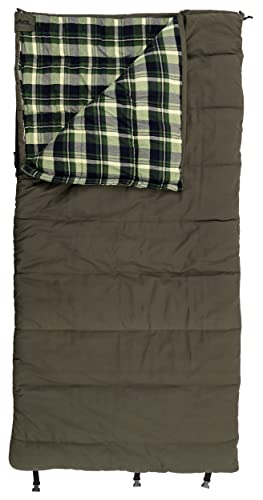
ALPS OutdoorZ Redwood -25 Sleeping Bag
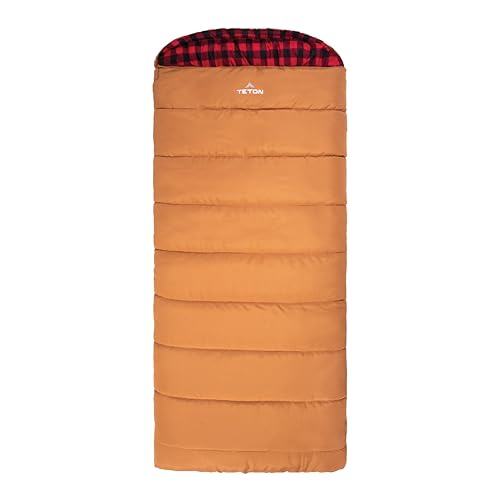
TETON Sports Deer Hunter Sleeping Bag
Sleepingo Double Waterproof Sleeping Bag

TETON Celsius XXL Sleeping Bag
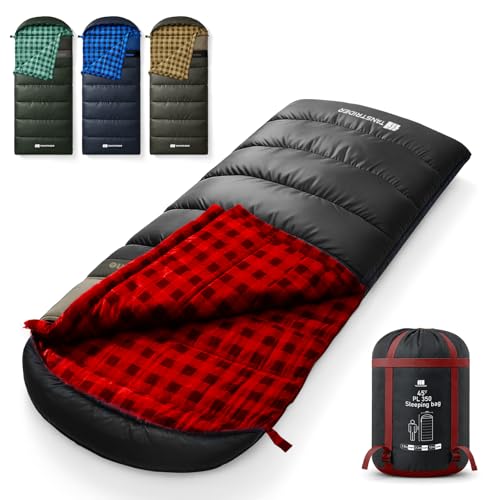
Cotton Flannel XXL Cold Weather Sleeping Bag

XXL Flannel Sleeping Bag with Foot Vent

Wake In Cloud Kids Sleeping Bag
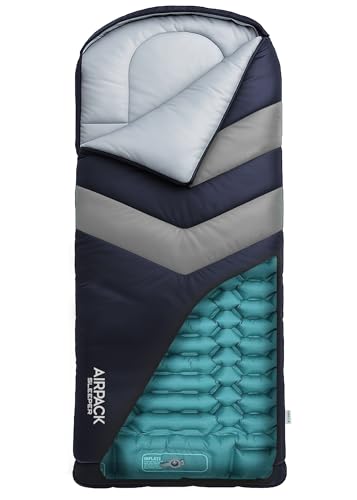
RANGLAND Kids Sleeping Bag with Built-In Pad
More On The Choices That Made The List
The deuter Exosphere -10° SL is built around a women’s-specific cut, with a shorter overall length aimed at users up to about 175 cm. Synthetic fill (man-made insulation that retains warmth even when damp, unlike untreated down) keeps the price friendlier than premium down bags on this roundup, while elastic seams stretch the shell roughly 25% wider to give restless sleepers more room to roll.
Where this bag earns its keep is shoulder-season hiking on trails where temperatures dip below zero Celsius but humidity lingers. Pull it out for alpine spring trips, rainy shoulder weekends, or damp forest camps where a down bag would struggle. Compared to the ALPS OutdoorZ Redwood below, this is the lighter, more technical pick.
Useful Touches
- Women’s-tuned dimensions match shorter torsos and narrower shoulders, so cold air doesn’t pool around empty space.
- Synthetic insulation keeps performing through damp tent floors and sweaty overnight humidity.
- Elastic-stretch seams give roughly a quarter more internal width when you shift onto your side.
- Fleece-lined kidney and foot zones add targeted warmth where women typically feel the chill first.
Worth Noting
- Synthetic fill packs bulkier than down, so the stuff sack runs larger than the mummy bags above it on this list.
- The women-tuned cut won’t suit taller hikers past roughly 175 cm.
Made For
Backpackers up to about 175 cm tackling damp, cool shoulder-season trips who want a technical mummy without paying down-bag prices.
Look Elsewhere When
Tall hikers past 175 cm will find a better fit in the TETON Celsius XXL Sleeping Bag below, which trades technical features for extra length and lounging room.
The Redwood -25 trades ultralight ambitions for honest, deep-cold warmth. It’s an oversized rectangular bag stuffed with Techloft insulation, a siliconized multi-hole fiber fill designed to trap warm air while staying loftier and more compressible than basic polyfill. That extra volume translates directly into space to move.
Pull this bag out when car camping, winter base camps, or truck-bed overnights are on the calendar and the mercury is well below freezing. It is overkill for a July section hike. Compared to the canvas TETON Deer Hunter below, the Redwood uses a more technical synthetic fill and a cleaner rectangular cut.
The Good Stuff
- Techloft synthetic fill holds loft and warmth through condensation that would flatten basic polyfill.
- Rectangular cut gives genuine freedom for side positions, pillow shifts, and tucked knees.
- Oversized dimensions accommodate layered clothing and boots stored inside for overnight drying.
- Rated for conditions where cheap summer bags fall dangerously short.
Trade Offs
- Bulk and weight rule this bag out for any trip where you carry your kit more than a short distance from the car.
- Deep-cold rating is meaningless on hot summer nights when you’d want a lighter cover instead.
Who It Suits Best
Truck-bed campers, winter base-camp sleepers, and anyone camping in genuinely freezing conditions who values room over pack size.
A Better Fit Elsewhere
Three-season backpackers who count every gram should consider the deuter Exosphere -10° SL instead, which handles damp cool nights at a fraction of the bulk.
The Deer Hunter is the pickup truck of this roundup: heavy, tough, and built to take abuse. The poly-cotton canvas shell shrugs off sparks, scuffs, and the kind of grit a hunting camp dishes out, while a mummy hood cinches tight to seal in heat on still, cold mornings.
Drop this bag at a hunting camp, a winter deer lease, or any cold-weather base where weight doesn’t matter. It pairs naturally with a cot and a wood stove. Compared to the ALPS OutdoorZ Redwood reviewed above, the Deer Hunter uses a more traditional canvas build rather than synthetic Techloft.
A Few Strong Suits
- Canvas shell resists abrasion from brush, cots, and tent floors far better than slick nylon shells.
- Mummy hood cinches around the head to lock in heat without a separate beanie.
- Fiber fill is rated for conditions below freezing, which most cheap summer bags are not.
- Durable build suits multi-season use at a fixed camp where you won’t be hauling it far.
Minor Gripes
- Canvas adds noticeable weight and bulk that rules out any meaningful backpacking use.
- The traditional shell isn’t as compressible as the nylon options higher up the list, so storage in small packs is awkward.
Best Suited To
Hunters, winter campers, and anyone running a base camp where durability and warmth beat lightweight design.
Where Another Pick Suits Better
Hikers hauling gear into the backcountry should look at the deuter Exosphere -10° SL, a technical mummy that handles wet, cool trails without weighing your shoulders down.
The Sleepingo Double is essentially a queen-size sleep system unrolled into one bag. At 87 by 59 inches, it covers two adults, a parent-and-kid combo, or anyone who simply hates feeling confined. The waterproof shell is the standout feature for damp tent floors or dewy truck beds.
Where this bag shines is car camping, surprise backyard sleepouts, and easy-moderate hikes where one person carries the bulk. It’s also handy as emergency vehicle bedding for road trips. The trade-off is bulk, since no double bag stuffs down to backpacking size. Compared to the TETON Celsius XXL below, the Sleepingo is the roomier, two-person answer.
Strengths Worth Knowing
- Queen-size coverage lets two sleepers share without zipper gaps that chill shoulders.
- Waterproof shell fends off ground moisture, dew, and the occasional spilled coffee.
- Roomy cut accommodates restless sleepers and kids who migrate across the bag at night.
Soft Spots
- Even with compression, this bag is bulky to carry on any trail longer than a short overnight.
- One shared bag means shared warmth profiles; a chronically cold partner may leave the other shivering.
Perfect Match For
Couples, parent-and-child duos, and car campers who want one cozy sleep system instead of wrestling two separate bags together.
Skip It When
Solo backpackers chasing mileage will want to step up to the TETON Celsius XXL, which packs smaller for single-person overnight trips.
The TETON Celsius XXL is the family-camper classic. It opens wide enough for sprawled-out sleepers, while a soft poly-flannel lining feels closer to a bedsheet than the slick nylon of technical mummy bags. Double-layer construction plus draft tubes along the zipper keeps warmth where it belongs.
Pull it for state-park weekends, summer cabin trips, and backyard sleepouts where comfort matters more than weight. The half-circle mummy hood adds extra heat around the head without squeezing it. Compared to the Sleepingo Double above, this Celsius trades shared size for a single-person build that’s easier to move.
Everyday Perks
- Poly-flannel lining feels soft against skin and avoids the clammy chill of basic nylon.
- Double-layer construction with draft tubes blocks cold air sneaking through the zipper.
- Half-circle mummy hood cinches for warmth without fully enclosing the face.
- Two-sided zippers let you ventilate a warm foot without unzipping the whole bag.
Honest Caveats
- Flannel lining adds noticeable weight and bulk versus ultralight nylon mummy bags.
- The cozy rectangular cut packs large even in the included compression sack.
Who Will Love This
Family campers and casual weekenders who want a soft, roomy bag that feels closer to a home bed than a technical mummy.
Swap It Out When
Backpackers prioritizing low weight should look at the deuter Exosphere -10° SL, which trims bulk at the cost of lounging space.
The TANSTRIDER Cotton Flannel XXL is built for sleepers who feel strangled by standard mummy bags. At 90.5 by 39.4 inches, it gives genuinely generous turning room for taller folks and anyone who shifts onto their side throughout the night. A flannel face fabric keeps the inside feeling warm before you even climb in.
This bag fits well at four-season car camps, hunting base camps, and shoulder-season weekends where temperatures hover between 40 and 45°F. At about 6.2 pounds, it’s a camp-pad-and-truck-bed companion rather than a true backpacker. Compared to the TETON Deer Hunter above, this is the warmer-temperature cousin with a more comfort-oriented flannel build.
Practical Pluses
- Extra length and width suit big-and-tall sleepers without forcing a fetal curl.
- Flannel lining warms up quickly and feels cozy against bare skin on cold nights.
- Machine-washable construction simplifies cleanup after dusty trips, a real ownership perk.
- Roughly 6.2 pounds keeps it manageable for short carries from car to tent.
Points To Note
- Cotton-heavy construction dries slowly if it gets soaked, so a wet-weather shelter matters.
- The 40 to 45°F rating is generous; deep winter campers may need an extra liner.
Feature Snapshot
Right Fit For
Tall, broad, or simply claustrophobic sleepers who camp in cool shoulder seasons and want flannel comfort without paying premium prices.
Reach For A Different Pick When
Deep winter campers below 30°F will get more warmth from the ALPS OutdoorZ Redwood -25, which is rated for genuinely frigid nights.
The XXL Flannel Sleeping Bag with Foot Vent splits the difference between the warm-weather and cold-weather TANSTRIDER picks. It uses the same 90.5 by 39.4-inch oversized footprint but trims weight to roughly 5.3 pounds and stretches the comfort range from 40°F down to a milder 50°F upper end.
The standout addition is a foot-ventilation port, a real-world ownership perk that lets sweaty sleepers dump heat without unzipping the whole bag. A waterproof polyester shell handles morning dew and damp ground. Compared to its sibling reviewed just above, this version is the lighter, more versatile three-season option.
Practical Advantages
- Foot vent cools warm sleepers without forcing them to fully unzip on chilly nights.
- Waterproof shell repels dew, damp soil, and the occasional splash at the campsite.
- Oversized dimensions give restless side sleepers room to shift without escape attempts.
- Machine-washable construction simplifies post-trip cleanup.
Less Ideal Details
- At about 5.3 pounds it’s still heavier than a true backpacking mummy, so multi-day hikes are a stretch.
- The 40 to 50°F range is comfortable but not extreme-cold rated.
Built With In Mind
Three-season campers, warm sleepers, and side-position resters who overheat easily but still want a generous, comfortable sleep sack.
Where A Sibling Pick Shines
Sub-40°F campers should pick the Cotton Flannel XXL Cold Weather Sleeping Bag above, which leans heavier on warmth than ventilation.
The Wake In Cloud Kids Sleeping Bag is sized and designed for children roughly ages 3 to 8, with a 61 by 26-inch cut that fits smaller frames without drowning them in dead air. At about 2.9 pounds, even a small kid can carry it on a short hike in the included backpack-style sack.
Pull this bag for family car camping, backyard sleepouts, scouting trips, and junior hiking adventures in spring through fall. The butterfly-and-flower print helps younger kids get excited about sleeping outside. Compared to the all-in-one RANGLAND kid’s sleeper reviewed next, the Wake In Cloud is the lighter, simpler liner option.
Notable Upsides
- Kid-sized dimensions remove the empty-air cold pockets common when small bodies use adult bags.
- At roughly 2.9 pounds it doubles as a backpackable carry for short hikes and campouts.
- Three-season rating handles spring, summer, and fall family trips without overdoing it.
Practical Considerations
- The sizing window ends around age 8, so older kids will outgrow it within a season or two.
- Three-season rating excludes freezing nights where adult bags on this list still pull their weight.
Whose Shelf It Belongs On
Parents and grandparents outfitting younger kids for backyard sleepouts, scouting weekends, and easy family camping trips.
Consider Something Else When
Families wanting an all-in-one sleep system for sleepovers and travel should consider the RANGLAND Kids Sleeping Bag with Built-in Pad below.
The RANGLAND AirPack Sleeper is an all-in-one sleep system that fuses a sleeping bag with an inflatable mattress pad. A built-in foot pump fills roughly 3 inches of cushioning in about two minutes, and dual valves handle fast deflation. The integrated head pillow means one less thing to pack.
Where this product earns its keep is sleepovers, hotel-free family travel, and easy camping where convenience beats weight. It fits kids up to roughly 4’6″. Compared to the Wake In Cloud bag reviewed above, the RANGLAND is the heavier, more comfort-focused alternative for indoor-style adventures.
What Earns Its Place
- Built-in air mattress means no separate pad to forget, lose, or struggle to inflate.
- Foot pump and dual valves cut setup and teardown to a couple of minutes.
- Integrated head pillow simplifies packing for travel and sleepovers.
- 3-inch elevation adds a welcome layer of cushion on hard floors and rocky tent pads.
A Few Limitations
- The combined unit is heavier and bulkier than a plain sleeping bag, which limits true backpacking use.
- Built-in foot pump adds mechanical complexity that can wear out over years of hard use.
The Right Fit
Families and travelers who want one self-contained sleep solution for sleepovers, road trips, and easy camping with kids up to about 4’6″.
Not Your Match When
Lightweight family hikers should consider the Wake In Cloud Kids Sleeping Bag, which packs smaller and weighs less for short trail adventures.
What Matters Most Before Choosing Cheap Backpacking Sleeping Bags
Match the Temperature Rating to Real Conditions
Manufacturers list comfort and lower-limit temperatures, and those numbers assume a sleeping pad underneath and dry conditions. For summer backpacking, a 40°F bag handles most nights; shoulder-season hikers need 20 to 30°F. Pick a rating 10°F below your expected lows and you sleep warmer without hauling overkill insulation.
Decide Between Mummy and Rectangular Cuts
Mummy bags (tapered, form-fitting shapes) save weight and pack smaller but hug the body. Rectangular bags feel roomier and easier on restless sleepers but pack larger. Side sleepers and broad-shouldered backpackers often prefer rectangular or oversized cuts, even at the cost of extra bulk.
Weigh Synthetic Versus Down Fill
Synthetic fill stays warm when damp, costs less, and dries faster. Down (goose or duck plumage) insulates better per ounce and packs smaller but loses loft when wet and costs more. For damp climates and budget shoppers, synthetic is the more honest choice.
Check the Stuffed Size and Total Weight
The lightest backpacking-friendly bags on this list hover near 3 pounds; oversized and family bags push past 6 pounds. Measure your pack volume before you commit: a bargain bag that won’t fit is no bargain.
Key Considerations Across These Picks
Mistakes Worth Dodging
Buying a summer-weight bag for shoulder-season trips is the most common slip-up. You wake up cold, lose sleep, and wonder why your “warm” bag failed. Pick a rating that matches your actual lowest expected temperature, not your average. Another trap is ignoring the sleeping pad: a good bag on bare ground loses half its rated performance.
Where The Extra Money Goes
Higher-tier bags usually mean lighter weight, better fill (down over synthetic), tighter stitching, and more refined hoods. You pay for pack size, longevity, and warmer ounces-per-pound ratios. For backpackers logging serious miles, the upgrade often pays for itself in comfort. For car campers, the budget picks on this list already cover the job well.
Frequently Asked Questions
What temperature rating do most backpackers actually need?
Three-season backpackers usually want a 20 to 30°F comfort rating for spring, summer, and fall trips above the treeline. Summer-only campers can save weight with a 40°F bag, while winter campers need ratings at or below 0°F for safety.
How important is sleeping pad insulation under the bag?
Extremely important. A sleeping pad with an R-value (a standardized measure of insulation from the ground) of 3 or higher protects you from conductive heat loss, the cold seeping upward from frozen ground. Without a decent pad, even a great bag cannot keep you warm.
Can synthetic sleeping bags match down for warmth?
In lab conditions, no. In real backpacking conditions, often yes. Synthetic fill keeps insulating when damp, costs less, and dries faster. Down insulates better per ounce but requires care to keep dry. For wet climates and budget shoppers, synthetic is the practical pick.
How do I clean and store a cheap sleeping bag?
Most synthetic bags can go in a front-loading washer with mild detergent on gentle cycle, and air dry fully before storage. Store bags loosely in a large cotton or mesh sack, never compressed long-term, since constant stuffing breaks down loft and warmth.
Are oversized sleeping bags worth the extra weight?
For car campers and restless sleepers, absolutely. For backpackers counting ounces, less so. Oversized cuts trade packability and warmth efficiency for genuine freedom to move, which matters more on weekends than on long trails.
Wrap Up
The right cheap backpacking sleeping bag is the one that matches your climate, your sleep style, and how far you carry it. Mummy cuts like the deuter Exosphere serve technical hikers, while oversized picks from TANSTRIDER handle restless sleepers, and the ALPS Redwood covers deep cold. Match the rating, mind the packed size, and your next night outdoors will feel far more comfortable than the price tag suggests.