A good cup of coffee at a high-altitude campsite, beside a cold alpine lake, or just five minutes after pitching the tent is one of the small rituals that turns a long day into a satisfying one. The trick is matching your brew method, gear, and beans to the weight, water, and fuel you can actually carry. This guide sorts through pots, stoves, mugs, and ready-to-drink options so you spend less time fiddling at camp and more time sipping.
The Shortlist At A Glance
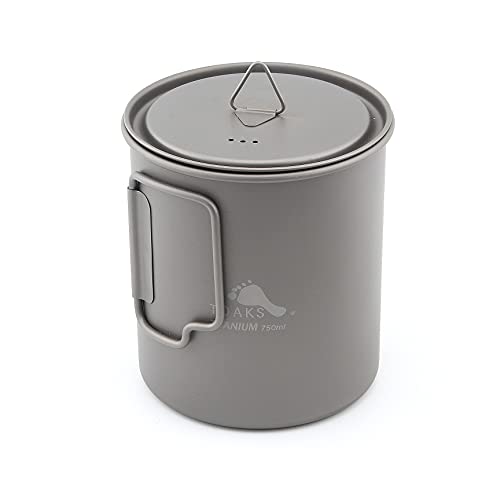
TOAKS Titanium 750ml Pot

humangear GoBites Uno Titanium

MSR PocketRocket 2 Backpacking Stove

Jetboil Jetpower Fuel 450g
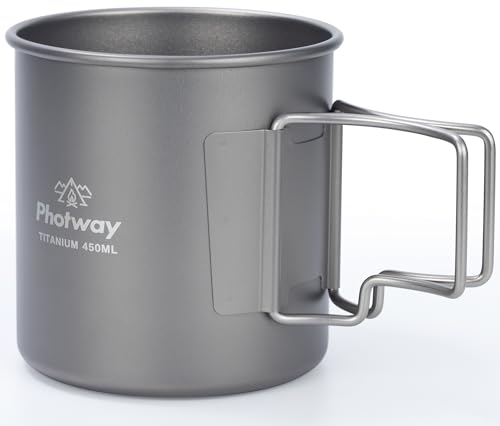
photway 450ml Titanium Backpacking Mug

GSI Outdoors Infinity Backpacker Mug 17 oz

Mondo Single Serve Coffee Bags Variety Pack

Brew Shockalaka Cold Brew Nootropic 12-Pack

Brew Shockalaka Cafe Mocha RTD 12-Pack
Inside Each Recommended Option
Long-distance hikers chasing an honest morning pour-over will appreciate how little this pot weighs on the scale. The 750ml size is generous enough for two mugs or a single rehydration meal plus a drink, and the titanium construction shrugs off the dents and dings that aluminum picks up after a season of pack-strap abuse.
Compared with the GSI Outdoors mug in slot six, this is the proper cook-it-all option, not just a drinking vessel. Most weekend backpackers find the nesting ability the real perk: a small fuel canister, lighter, and the photway mug in slot five all slide inside cleanly.
A Strong Showing
- Ultralight titanium cuts pack weight noticeably on multi-day routes
- Uncoated surface handles direct flame without flaking or off-gassing
- Generous 750ml capacity suits two drinkers or a full freeze-dried meal
- Nests with common canisters and smaller cups to keep kit compact
Points To Note
- Titanium spreads heat unevenly, so coffee can scorch without steady stirring
- No insulation means the handle runs hot over a real flame
- Lacks a pour spout, which makes careful pouring into a narrow mug awkward
Who It Suits Best
Solo thru-hikers and gram-counters who want one reliable pot for boiling water, brewing, and rehydrating dinners.
Look Elsewhere When
Weekend campers who mostly want a cozy drinking vessel should reach for the GSI Outdoors Infinity Backpacker Mug instead.
The Uno earns its place in a backpacking kit by disappearing. It is a single rigid piece with a spork-style head, which means no hinges to bend and no moving parts to clean grit out of after a muddy morning at the cook station. The titanium build stands up to long-term use far better than the plastic utensils it often replaces.
This pick is more companion than hero, complementing the TOAKS pot and MSR stove above. After your morning boil, the Uno handles the granola, instant oatmeal, or coffee-bag squeeze without bending, even in cold hands.
Positive Takeaways
- Titanium stays rigid where plastic flexes and snaps
- One-piece design wipes clean in seconds at a stream or spigot
- Slides into a bag side pocket or pot without tangling other gear
Honest Caveats
- Heat travels up the handle from hot foods, so a careful grip is needed
- Not a knife or a fork, which limits use for tougher trail meals
Made For
Minimalist packers and international travelers who want one utensil that handles coffee, oatmeal, and freeze-dried dinners without drama.
Skip It When
Camp cooks who regularly prepare real meals will find the MSR PocketRocket 2 paired with a folding spork far more versatile.
The PocketRocket 2 is a workhorse canister stove that has earned its reputation through sheer reliability. It screws onto a standard isobutane canister, lights with any lighter, and boils enough water for two mugs of pour-over in roughly three and a half minutes. For a backpacker who wants fast, predictable results, it remains a dependable pick.
Compared with the Jetboil fuel in slot four, the PocketRocket is the burner itself, designed to thread onto widely available canisters. In shoulder seasons, pairing it with a higher-pressure fuel blend keeps the flame strong on cold mornings above the tree line.
Features That Help
- Folding pot supports stabilize the TOAKS pot above a steady flame
- No priming, pumping, or pressurizing is required before ignition
- Adjustable flame from a low simmer up to a rolling boil for real cooking
Some Limits To Know
- Open flame design is less fuel-efficient than a fully integrated system
- Wind exposure cuts performance without a separate windscreen
- Not designed for true winter conditions at high altitude
Feature Card
Best Suited To
Three-season backpackers and trekkers who want a fast, low-maintenance burner that pairs with any standard canister.
Consider Something Else When
True cold-weather campers should consider pairing this with a dedicated winter system rather than relying on the PocketRocket alone.
Fuel is the unglamorous half of any backcountry coffee system, and the wrong blend can leave you with a half-lit burner on a cold dawn. Jetboil’s Jetpower is a propane and isobutane mix engineered for higher vapor pressure, which translates into steadier output when the thermometer dips. The 450g size suits a week of meals plus morning brews for one or two campers.
While the PocketRocket in slot three handles the heating, this canister keeps the flame honest. Most backpackers in shoulder seasons find that the higher-pressure blend is what separates a warm cup of coffee from a frustratingly weak one.
What Earns Its Place
- Higher vapor pressure keeps the flame reliable in cool temperatures
- Larger 450g format reduces how often you need to swap or carry spares
- Standard threaded fitting works with most canister stoves on the market
Softer Spots
- Heavier and bulkier than smaller 100g canisters for ultralight trips
- Cannot be refilled in the field; empties travel home as waste
- Always check local regulations for transporting pressurized canisters on flights
Right Fit For
Late-season backpackers and shoulder-trip planners who need a fuel blend that holds pressure when temperatures drop.
Not Your Match When
Ultralight weekenders chasing sub-three-pound base weights should grab a smaller canister to match the TOAKS pot and PocketRocket setup.
Coffee tastes different when the cup is doing the work. The photway mug is pure titanium with no internal coating, so pour-over, instant coffee, or even a quick cowboy-brew steep come through without any metallic tang. At roughly 2.4oz with a 0.4mm wall, it disappears into a side pocket until needed.
Stack it against the TOAKS pot earlier in the list: the pot boils, this cup drinks. The straight-walled 450ml size also nests neatly inside the pot for a tidy kit, which is something gram-watchers tend to appreciate.
What Stands Out
- Pure titanium imparts no flavor to delicate single-origin brews
- Lightweight wall keeps total pack weight to roughly 2.4oz
- Corrosion resistance handles acidic coffee and acidic camp meals alike
Trade-Offs
- Single-wall design loses heat quickly in cold or windy conditions
- Thin wall can dent if dropped hard on rocky ground
Who Will Love This
Taste-focused ultralight brewers who treat morning coffee as part of the experience rather than just fuel.
Another Choice May Suit
Campers who prefer slow sipping should consider the GSI Outdoors Infinity Backpacker Mug for its built-in insulation.
For backpackers who want one cup that handles both the trail and the daily commute, the Infinity Backpacker Mug pulls double duty. The sip-through lid keeps grit and bugs out of your drink, while the integrated sleeve insulates a 17oz pour long enough to finish before it cools. The webbing handle folds flat, which is a small but useful pack-friendly touch.
Where the photway titanium mug in slot five is built strictly for ultralight purists, this GSI piece adds comfort and spill resistance. Most weekend campers find the trade-off in weight worth it for slower mornings at the car-camp kitchen.
Practical Pluses
- Insulated sleeve keeps coffee drinkable through a long breakfast
- Sealed lid prevents spills in a stuffed pack or a bouncy canoe
- Sturdy webbing handle provides a confident grip with cold or wet hands
Worth Bearing In Mind
- Larger 17oz size adds bulk compared with a single-wall titanium cup
- Polypropylene body is more prone to scuffs than metal alternatives
Feature Card
Whose Shelf It Belongs On
Commute-plus-camp hybrid travelers and car-campers who want a comfortable, spill-resistant mug for unhurried mornings.
Swap It Out When
Long-distance backpackers counting every ounce will find the photway Titanium Backpacking Mug easier to justify.
Sometimes the cleanest morning routine is the smallest one. Mondo’s single-serve coffee bags work like oversized tea bags: drop one in a cup, pour hot water, steep, and squeeze. Each bag holds 12g of pre-ground organic coffee, which is enough for a real 8oz serving with no extra filter or pour-over hardware.
Pair this with the photway mug in slot five for a kit that weighs next to nothing and brews no mess. The variety pack covers five single origins, which doubles as a low-stakes way to taste-test what you actually like before committing to a full bag of beans.
Standout Benefits
- Zero brewing hardware needed beyond hot water and a cup
- Individually sealed pouches keep grounds fresh across multi-day trips
- Five-origin sampler helps identify flavor preferences before buying bulk
Small Caveats
- Used bags add trail trash that needs to be packed out
- Steeped coffee sits below the quality ceiling of a proper pour-over
- Some sediment can settle at the bottom of the mug despite the filter
Built With In Mind
No-fuss campers and motel-to-trail travelers who want reliably decent coffee without packing a grinder or filter.
Reach For A Different Pick When
Coffee devotees chasing nuanced single-origin flavor will do better with whole beans and the photway titanium mug for steeping.
Not every backcountry coffee moment needs a stove. Brew Shockalaka’s ready-to-drink cold brew removes brewing from the equation entirely, swapping a flame and a filter for an 11oz can you crack open at camp. The salted caramel flavor lands rich without sugar, which fits keto-leaning diets and helps the cans travel without sticky spills.
Think of this as the no-kit option, the polar opposite of the MSR PocketRocket and TOAKS pot combo. It suits van-lifers, paddle campers, and car-campers with cooler space who want a clean caffeine hit before the day’s drive.
What Works In Its Favor
- Zero brewing gear required, freeing pack space for other essentials
- Zero sugar formulation supports low-carb and keto routines
- Multi-pack format is easy to portion for trip length
Practical Considerations
- Cold brew is best served cold, so cooler space is necessary on hot days
- Used cans must be packed out and recycled properly
- Flavor options skew sweet, which may not suit black-coffee purists
Perfect Match For
Car campers, van-lifers, and paddle-boarders with cooler space who want a no-fuss caffeine boost without brewing.
A Better Fit Elsewhere
Backcountry hikers without cooler space should stick with Mondo coffee bags and the photway titanium mug for a hot brew.
For travelers who treat coffee more like dessert than a daily ritual, the Cafe Mocha RTD delivers a creamy, sweet profile in a self-contained can. The formula is sugar-free and keto-friendly, with around 200mg of naturally sourced caffeine per can, which is a real wake-up call before a long drive to the trailhead.
Compared with the cold brew option in slot eight, this one leans toward a flavored mocha character. Most folks keep both on hand: the cold brew for clean black-coffee days and the mocha for the morning that needs a little more in the cup.
The Case For It
- Mocha flavor makes it a satisfying stand-in for a coffee shop stop
- Self-contained cans need no brewing gear or cleanup
- Strong caffeine content holds up through a long pre-dawn drive
Points To Keep In Mind
- Flavored mocha taste will not appeal to black-coffee drinkers
- Needs cooler space to stay palatable in warm weather
The Right Fit
Long-haul drivers and road-trippers who want a sweet, energizing coffee without stopping at a café along the way.
Where A Sibling Pick Shines
Backcountry purists will find the Mondo coffee bags paired with the photway mug a more authentic trail experience.
Picking Gear and Brews for the Trail
Match the Kit to Your Trip Style
The first call to make is how much brewing you actually want to do. Thru-hikers carrying a sub-three-pound base weight benefit most from a tight trio: a titanium pot like the TOAKS, a small canister stove like the PocketRocket 2, and a single-wall cup for drinking. That setup covers morning coffee, hot dinners, and tea without redundancy.
Weekend car-campers travel a different gear curve. Weight matters less than comfort, so a larger insulated mug, a bit of extra fuel, and a wider variety of coffee formats all become reasonable. The trade-off is bulk in the trunk, not strain on the back.
Decide Between Brewing and Ready-to-Drink
Brewing on the trail gives you control over strength, roast style, and ritual. Ready-to-drink cans trade that control for convenience, which is a real win on paddle trips, hot days at the car camp, or zero-coffee-gear motel nights. Most regular backpackers end up with one of each, depending on the trip.
Roast Style and Caffeine Tolerance
Single-origin medium roasts like those in the Mondo variety pack tend to read smooth and balanced, which suits the way-back flavor profile after a freeze-dried dinner. Dark roasts can overpower the subtle notes of mountain water, and very light roasts can taste thin without proper extraction gear. Caffeine-sensitive travelers might prefer splitting a single bag across two cups rather than chasing the strongest option on the shelf.
Key Considerations Across These Picks
Common Shopping Slip Ups
A frequent misstep is buying a beautiful titanium mug only to discover it does not nest inside your existing pot, which forces you to carry two bulky items instead of one. Another is grabbing a small fuel canister for a weeklong trip and running dry on day four. Measure the kit against trip length before committing to size.
What The Higher Tier Buys
Premium titanium gear costs more because it lasts longer and weighs less, which pays off over many seasons. Higher-pressure fuel blends perform better in cold weather, so the upgrade genuinely matters for shoulder-season trips. Insulated mugs, flavored RTDs, and variety coffee packs add convenience rather than core function, so they make more sense as supplements than as foundations.
Frequently Asked Questions
What Is the Lightest Way to Brew Coffee on the Trail?
A titanium pot paired with a folding canister stove and a single-wall titanium cup is the lightest reliable setup. Coffee bags simplify it further by removing the need for any filter hardware.
Can You Bring Ready-to-Drink Coffee Cans Backpacking?
Yes, though they weigh more per serving than grounds and require cooler space in warm weather. They shine on car-camping and paddle trips where weight matters less than convenience.
How Long Does a 450g Fuel Canister Last?
A 450g canister typically covers around 10 to 14 days of two-boil mornings for one person, depending on temperature and wind. Cold weather and wind exposure reduce that range noticeably.
Is Titanium Better Than Aluminum for Trail Cookware?
Titanium is lighter and more durable, but it conducts heat less evenly. Aluminum heats faster and more uniformly but is heavier and more prone to denting over time.
Do Coffee Bags Taste as Good as Pour-Over?
Coffee bags are convenient and clean up easily, but they sit below a proper pour-over in flavor complexity. They suit travelers who value simplicity over nuance.
Closing Remarks
The best trail coffee setup is the one that matches your trip length, weight budget, and how much ritual you actually want at camp. Solo hikers chasing long miles do well with the lightest titanium trio, while car-campers and road-trippers get real value from a ready-to-drink can or two in the cooler. Pick the gear that fits the trip you take most often, and the morning mug will take care of itself.