You don’t need a 40-liter pack to get through a day. Most people carry a laptop, a jacket, a snack, and a water bottle, and that’s it. The picks below are built to disappear into overhead bins, under café tables, and into the corners of crowded subway cars, while still hauling the essentials without strain.
A Fast Comparison Of The Options

SKYSPER Hiking Backpack Ultralight Packable RFID Travel Daypack 16L
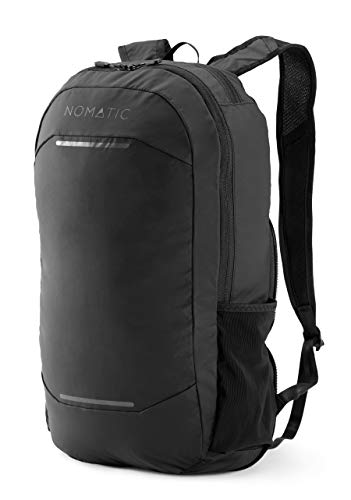
NOMATIC Navigator Collapsible Pack 16L

G4Free Mini 10L Hiking Daypack Small Hiking Backpack (Dark Grey)

Slim Laptop Backpack 15.6 inch Business Computer Backpack

Nanobag Daypack 16L Ultralight Packable Foldable Travel Backpack

Voova Crossbody Sling Backpack Sling Bag Small Over-the-Shoulder
The Details Behind The Selections
Travel days pile up the small annoyances fast: scanning lines, crowded trams, café tables that barely fit a laptop. The SKYSPER pack tackles that reality by stuffing down to nearly nothing in your luggage, then opening into a 16-liter daypack with shielded pockets that block RFID (radio-frequency identification) skimmers, the small wireless scanners criminals sometimes use to lift card data from a distance.
It carries like a typical hiking daypack with bottle pockets, a main compartment, and light padding against your back. You get the security perk without lugging a hard-shell briefcase around the city. For travelers bouncing between airports, train stations, and tourist queues, that balance is genuinely useful.
Where It Helps
- RFID-shielded pocket keeps passports and contactless cards safer in crowded terminals.
- 16L capacity swallows a laptop sleeve, a water bottle, and a layer without bulging.
- Stuff-sack design drops into your carry-on, freeing you to travel with one main bag.
- Nylon shell wipes clean after a wet café patio or sudden shower.
Things To Consider
- Thin nylon handles heavy loads awkwardly, so overloading causes shoulder strap bite on long days.
- Hardware feels light compared to dedicated commuter packs, so owners should baby the main zipper.
Key Specs
Made For
City travelers and airport commuters who want a pack that handles walking, public transit, and an unexpected shopping stop in a single silhouette.
Look Elsewhere When
You need a structured briefcase feel for client meetings; the NOMATIC Navigator Collapsible Pack 16L handles that crowd more confidently.
The NOMATIC Navigator Collapsible Pack leans into the brand’s reputation for organizational gymnastics. It folds flat into your luggage and unfolds into a structured 19″ H x 10.5″ W x 6″ D carrier, ready for the kind of day that involves three coffee shops, two meetings, and a train change.
Where the SKYSPER above targets airport security, this one targets workday efficiency: water bladder compatibility, two external bottle pockets, and a top hatch that swings open for quick grab-and-go access. Compared to the SKYSPER’s featherweight nylon, the Navigator’s shell feels closer to a commuter bag with travel-bag DNA. That gives it more shoulder structure for heavier laptop loads, though it costs you packability weight in the suitcase.
What Makes Sense
- Twelve-plus organization features keep cables, pens, and snacks where you left them.
- Collapses into its own pouch, leaving room in your carry-on for souvenirs on the return trip.
- External bottle pockets accept standard 32 oz bottles without crushing the main compartment.
Worth Noting
- More material means more weight in your luggage when packed, which frequent flyers might notice.
- Structured panels need a flat storage spot at home; tossing it crumpled can shorten the lifespan of internal frames.
Whose Shelf It Belongs On
Frequent work travelers and minimalists who refuse to check a bag, but still want their charger, water bottle, and documents in tidy order.
A Better Fit Elsewhere
You care more about weight savings than organization; the Nanobag Daypack 16L is the lighter packable alternative.
The G4Free Mini 10L hits a sweet spot for people who want a real hiking daypack, not a fashion accessory with straps. It runs about 10.5 x 5 x 15 inches with a tear-resistant polyester shell, SBS metal zippers (a recognized mid-tier zipper hardware brand), and adjustable shoulder straps that breathe well on warm hikes.
Unlike the SKYSPER’s featherweight nylon or the NOMATIC’s office-leaning panels, this one is built for trail abuse: reinforced seams, multiple pockets, and a size that fits a hydration bladder without bouncing on your back. For short hikes, cycling commutes, or a quick summit push, the 10L capacity is plenty without dragging your shoulders down.
Features That Help
- Waterproof, tear-resistant polyester shrugs off scrapes on trail brush and light rain.
- Adjustable, breathable straps stay comfortable on warm cycling commutes.
- Multiple pockets sort keys, snacks, and a phone so you can reach them without unpacking.
- SBS metal zippers outlast plastic teeth when the pack lives in a dusty trunk.
Room For Improvement
- 10L is tight for a 15″ laptop, so remote workers need a separate sleeve for full days.
- Compact dimensions may feel snug for broader shoulders, depending on your frame.
Quick Facts
Right Fit For
Short-hike enthusiasts, urban cyclists, and anyone who needs a small, rugged pack that handles weather without weighing them down.
Swap It Out When
You’re a remote worker carrying tech more than trail snacks; the Slim Laptop Backpack 15.6 inch is built for your laptop’s daily commute.
The Slim Laptop Backpack from GYakeog aims at a different kind of small: not trail small, just slice-through-the-crowd small. It carries a 15.6″ laptop in a dedicated padded sleeve, keeps your back dry with a waterproof outer shell, and shuts out opportunistic pickpockets with hidden zippers that sit flat against your body.
Compared to the G4Free Mini 10L above, you trade trail-ready burliness for a sleek office aesthetic. Where the NOMATIC Navigator prioritizes travel organization, this one focuses on protecting a single device on the commute. If your daily load is mostly a laptop, charger, notebook, and lunch, the slim profile stops your back from getting that cooked-laptop look on a packed train.
Useful Strengths
- Padded 15.6″ sleeve protects laptops from doorframe bumps and subway jolts.
- Hidden compartment design discourages quick-grab theft in busy stations.
- Waterproof exterior buys time in sudden downpours without soaking your gear.
- Slim silhouette looks pulled-together in a meeting and casual on campus.
Honest Caveats
- Limited expandability makes grocery runs or gym-clothes days a squeeze.
- Slim profile gives less airflow than a hiking pack, so backs run warm in summer commutes.
Best Suited To
Office commuters, college students, and hybrid workers who haul a laptop and minimal extras from home to desk and back.
Consider Something Else When
You split time between client meetings and weekend hikes; the G4Free Mini 10L is better suited for the trail half.
The Nanobag Daypack is the ultralight option on this list, and the numbers are genuinely wild at 1.15 ounces and 0.05mm fabric, lighter and thinner than most wallets. Stuff it into its attached pouch and you forget it’s in your luggage, then pull it back out for a day of sightseeing, a sports event, or a casual hike.
It occupies a very different lane from the SKYSPER’s nylon shell or the NOMATIC’s structured panels. Those packs hold their shape when empty; the Nanobag slumps like a soft tote, which is fine for sightseers who don’t carry hardcovers or heavy tech. For pack-light travelers prioritizing low carry weight over structure, this is a fascinating choice.
Strong Points
- 1.15 oz total weight barely registers in your luggage allowance.
- Self-contained storage pocket simplifies packing, with no folding required.
- 16L capacity handles a day’s worth of clothing, snacks, and water.
- Flexible fabric conforms to odd-shaped souvenirs on the way home.
Trade Offs
- Ultra-thin fabric has no internal padding, so laptops and sunglasses require protective sleeves.
- Soft construction lacks the structure to keep a flat surface against your back when carrying awkward loads.
- Lightweight seams need gentler loading than a hiking pack can take.
Who Should Grab It
Pack-light travelers and frequent flyers who want a backup daypack that costs almost nothing in luggage weight or space.
Skip It When
You’re carrying a laptop as your main load; the Slim Laptop Backpack 15.6 inch protects your device properly.
The Voova Crossbody Sling Backpack breaks the pattern entirely. Instead of two shoulder straps, it uses one crossbody strap that lets you swing the whole pack around to your chest for camera, phone, or passport access without removing it. For travelers who live in airports, markets, and street photography, that single-strap layout is a serious workflow upgrade.
The body measures about 15 x 7.1 x 3.3 inches with three layers, a front zipper pocket, two side pockets for bottle and umbrella, and two main compartments. Compared to the SKYSPER above, you lose some capacity for layered hiking gear, but you gain front-loading speed. For a busy day of city exploration, the layout can save you from that bag-and-go of fumbling around for a metro card.
Noteworthy Benefits
- Crossbody strap swings the bag forward for camera, phone, and document access without removal.
- Three-layer organization keeps small items sorted without digging around.
- Polyester shell handles weather and rough surfaces without weighing you down.
- Compact size suits narrow crowds, metros, and street photography setups.
Practical Considerations
- Single-strap design loads one shoulder, so long days can fatigue that side on heavy loads.
- Smaller footprint doesn’t accommodate bulky jackets or large laptops.
Feature Snapshot
Perfect Match For
Photographers, sightseers, and travelers who need quick front-pocket access without taking the pack off in busy places.
Not Your Match When
You carry a full-size laptop daily; the Slim Laptop Backpack 15.6 inch suits that workload better.
What To Weigh Before Choosing A Compact Backpack
Compact packs range from 10-liter summit bags to 16-liter commuter daypacks, and the difference matters more than it sounds. A 10L pack fits trail snacks and a light layer, but punishes anyone trying to squeeze in a 15-inch laptop. A 16L pack handles a laptop plus accessories, but starts feeling crowded on a short hike where every cubic inch counts.
Capacity sits at the top of the decision tree, but fabric comes right behind it. Lightweight nylon and polyester pack small, breathe well, and shrug off scrapes, yet they offer almost no structure when empty. Reinforced shells and metal zippers add years of service, but they make the pack heavier in your luggage and stiffer against your back on a long walk. You benefit most from matching the fabric choice to your dominant use: nylon for trips, polyester for daily abuse, structured panels for office-to-airport transitions.
Carry style matters too. Traditional two-strap packs spread load across both shoulders and handle heavier hauls. Sling and crossbody packs swing forward for quick access, but they load one shoulder and wear unevenly over long days. Travelers who live in airports often pick slings for the speed; commuters who walk three miles each way tend to choose traditional two-strap layouts.
Key Considerations Across These Picks
Wrong Turns To Avoid
Picking capacity by guess instead of measure trips up a lot of shoppers. The SKYSPER and NOMATIC at 16L sound similar to the G4Free at 10L on paper, yet they hold meaningfully different loads. Lay out your daily must-carry items, then add a buffer for a jacket or water bottle, and only then choose your pack size.
Another common slip is buying a packable nylon bag expecting hiking-grade durability. Ultralight fabric saves weight in luggage, but it asks for gentler handling on the trail. Read the material spec rather than the marketing copy; a pack that lists tear-resistant polyester tells you something the word “lightweight” alone doesn’t.
Where The Extra Money Goes
Higher-tier compact packs earn their price through zippers, seams, and organization. SBS metal zippers (the mid-tier hardware seen on the G4Free above) outlast plastic teeth by years in dusty trunks and rainy commutes. Reinforced seams handle overstuffed days without splitting, and well-placed internal organizers stop the bottomless-pit problem where small items vanish forever.
You pay more for shape retention too. Structured panels keep a briefcase-feel against your back, which protects laptops and looks pulled-together in meetings. The honest read: budget picks work fine for casual weekends, but anyone hauling a laptop daily will feel the upgrade within the first month.
Frequently Asked Questions
What size counts as a compact backpack?
Most compact packs run between 10 and 20 liters, which is enough room for daily essentials without the bulk of a full hiking pack. Anything above 25L starts crossing into commuter-trail territory.
Can I fit a 15-inch laptop in these packs?
The SKYSPER 16L, NOMATIC Navigator 16L, and Slim Laptop Backpack 15.6 inch all handle a 15-inch laptop with room to spare. The G4Free Mini 10L and Nanobag Daypack 16L need a separate protective sleeve to do the same job safely.
Are packable nylon backpacks worth the trade-off?
Packable nylon packs earn their place by dropping into your luggage and adding almost no weight, but they ask for gentler handling than a reinforced polyester shell. Travelers prioritizing pack size benefit most; daily commuters get more mileage from a structured build.
How do I clean a compact backpack without damaging it?
Most compact packs handle a damp cloth and mild soap well, and the polyester shells dry fast. Skip the washing machine on packable nylon options since the agitation can break down taped joints over time.
The Takeaway
The right compact backpack is the one that disappears into your day without forcing trade-offs. Match capacity to your daily carry, choose fabric for your dominant environment, and pick a carry style that fits how you actually move through cities, trails, or airports. Any of the six packs above handles that brief; the smart pick is the one tuned to your specific routine.