Whether you’re packing for a weekend backcountry trip or a backyard sleepover, the right compact sleeping bag makes the difference between a restful night and a miserable one. Packs that stuff down small leave more room in your pack for the things that actually matter, and the right temperature rating keeps you comfortable when the forecast turns. These options span cold-weather mountaineering, warm family camping, and everything in between, so you can match the bag to the season.
A Side-By-Side Look

BUERTS Down Sleeping Bag 680FP Backpacking
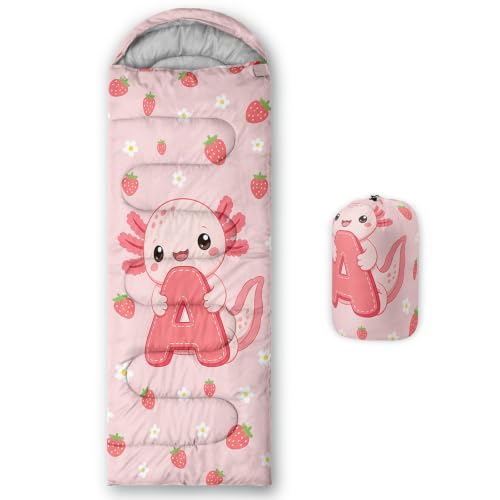
HOSIMA Cold Weather Sleeping Bag for Kids and Adults

rioyalo Dinosaur Camping Sleeping Bag for Kids

Nature Link Lightweight Mummy Sleeping Bag
REVALCAMP Ultralight Sleeping Bag for Hiking
BORULL Winter Flannel XL Sleeping Bag

QEZER 0 Degree Down Sleeping Bag

ESOKA PRON Lightweight Waterproof Sleeping Bag
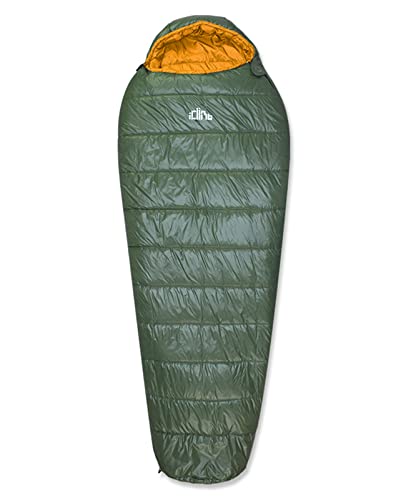
iClimb 3M Thinsulate Sleeping Bag
The Strengths Of Each Pick
Built for cold-weather alpine routes, this bag uses high-fill-power down insulation rated between roughly 30°F and 9°F, a range that handles shoulder-season summit pushes and frosty nights in the high country. The Responsible Down Standard (RDS) certification means the down comes from traceable sources, so you know where the fill originated before it ended up in your pack. For backpackers counting grams, a high-fill-power rating delivers serious warmth without bulk.
Compared to the synthetic options later in the list, down fills compress smaller and weigh less for the same warmth, making this a strong choice when pack space is at a premium. In real-world use, you’ll appreciate how little room it takes in your compression sack once you’re past base camp.
Reasons It Performs
- 680FP down means more loft per ounce, keeping weight low while delivering serious thermal efficiency.
- Cold-weather comfort range handles frosty nights without requiring extra blankets.
- RDS-certified fill gives peace of mind about sourcing and traceability.
- Compresses tightly, leaving room in your pack for other essentials.
Trade Offs
- Down loses insulating power when wet, so you’ll want to keep it dry in damp conditions.
- Not the best fit for humid climates where moisture is unavoidable.
Who It Suits Best
Backpackers and mountaineers tackling cold-weather routes where low weight and serious warmth matter most.
Swap It Out When
The iClimb 3M Thinsulate Sleeping Bag is a smarter pick for campers who frequently deal with damp or humid conditions.
The camouflage pattern and the broader temperature rating of 0°C to 25°C make this a versatile pick that works year-round for casual campers. It ships with a compression sack fitted with shoulder straps, a thoughtful touch for carrying short distances once you’ve reached the campsite. The waterproof shell helps shed light moisture and morning dew.
Unlike the BUERTS down option above, this bag uses synthetic fill, which costs less and handles damp conditions without losing loft. In real-world use, families appreciate not having to baby the insulation or worry about humidity.
Advantages To Know
- All-season temperature range from 0°C to 25°C covers most camping conditions.
- Compression sack with shoulder straps makes transport across the campsite easier.
- Synthetic fill tolerates moisture better than down for damp environments.
- Lightweight at about 1.5 kg for casual weekend trips.
Honest Caveats
- At 16″ × 7.87″ compressed, it’s not the smallest option here, so pack space-conscious travelers may want to look elsewhere.
- The synthetic insulation is bulkier than down for the same temperature rating.
Made For
Families and casual campers who want a versatile bag for car camping and short hikes in mild weather.
Look Elsewhere When
The BUERTS 680FP down sleeping bag suits backpackers who prioritize low weight and pack space.
A dinosaur-themed kids sleeping bag built for warm-weather adventures, rated for temperatures between 45°F and 80°F. The 190T pongee liner feels soft against kids, making it a good choice for picky sleepers. At about 2.6 lb, it’s light enough for short hikes and sturdy enough for backyard camping.
Unlike the HOSIMA model above, this bag prioritizes fun over cold-weather ratings, trading serious warmth for a design that kids actually want to use. The 62″ × 27″ dimensions fit children roughly ages 4 to 10.
The Value In It
- Themed design gets kids excited about camping and sleepovers.
- Lightweight at 2.6 lb makes it portable for short outdoor adventures.
- Soft pongee liner feels comfortable against sensitive skin.
- Generous size range fits kids from preschool through tween years.
Less Ideal Details
- Not designed for cold weather, so winter camping is out.
- Themed graphics may feel “too young” for older tweens who want a more grown-up design.
Best Suited To
Parents looking for a fun, lightweight bag for kids’ summer camping trips and indoor sleepovers.
Reach For A Different Pick When
The HOSIMA Cold Weather Sleeping Bag for Kids and Adults handles colder conditions and grows with older children.
A mummy-shaped bag designed for thru-hikers who count every ounce, weighing just 2.87 lb and compressing down to roughly 13″ in height. The 20D ripstop nylon shell resists tears from branches and abrasive ground, while imitation silk cotton fill provides a comfort range of 42°F to 55°F. Compared to the BUERTS down option above, this is a budget-friendly synthetic pick that handles three-season conditions without the premium price tag.
The mummy shape traps heat efficiently, and the continuous fiberfill tends to handle repeated wash cycles better than down over time.
What Makes Sense
- Compresses to 13″ tall for tight pack loading.
- Ripstop nylon shell handles rough backcountry conditions.
- Mummy shape improves thermal efficiency by reducing interior air space.
- Lightweight at 2.87 lb won’t weigh down long-distance hikers.
Things To Consider
- Mummy shape feels restrictive for restless sleepers who move a lot at night.
- 42°F lower limit is warm for shoulder seasons but not enough for true winter camping.
Right Fit For
Thru-hikers and backpackers who need a reliable, light bag for spring through fall trips.
Where Another Pick Suits Better
The QEZER 0 Degree Down Sleeping Bag is a stronger match for winter backcountry trips that demand serious warmth.
A budget-friendly bag weighing roughly 2 lb, designed to work indoors and out for kids, teens, and adults. The versatile design handles sleepovers, backyard camping, and casual hiking trips. In real-world use, owners commonly appreciate the simple setup and low weight for trips where extreme cold isn’t a concern.
Unlike the Nature Link mummy bag above, this is a rectangular design that allows more freedom of movement at night, though it sacrifices some packability as a result.
A Strong Showing
- Lightweight at roughly 2 lb for easy carrying.
- Works indoors and outdoors for versatile use cases.
- Affordable for families building a camping kit.
- Rectangular shape allows more room to move at night.
Worth Noting
- Not rated for serious cold, so winter use is limited.
- Basic construction means durability under rough backcountry use may fall short.
Who Will Love This
Families and casual campers who need a versatile, affordable bag for sleepovers, backyard trips, and short hikes.
Consider Something Else When
The Nature Link Lightweight Mummy Sleeping Bag is a better fit for serious backpackers heading into the backcountry.
An oversized sleeping bag measuring 92″ × 35″, giving big sleepers room to stretch out without feeling cramped. The flannel lining adds a layer of warmth and softness that feels cozy against the skin. Compared to standard bags, this one prioritizes interior space over compact packability.
Side sleepers and restless movers will appreciate the extra width, though the trade-off is a larger packed size compared to the mummy options earlier in this list.
A Favorable Mix
- Oversized dimensions accommodate tall and broad sleepers comfortably.
- Flannel lining adds warmth and a soft feel against skin.
- Roomy interior suits side sleepers and restless movers.
Room For Improvement
- Larger packed size means it takes up more room in a backpack than mummy-style bags.
- Bulkier construction reduces portability for long-distance hiking.
Perfect Match For
Big and tall adults, side sleepers, and campers who prioritize interior space over compact packability.
A Better Fit Elsewhere
The Nature Link Lightweight Mummy Sleeping Bag is a stronger pick for backpackers who need a smaller packed size.
Rated for 0°F, this is the bag for serious winter expeditions where frost and sub-freezing temperatures are the norm. The down fill delivers excellent warmth for the weight, and the mummy shape helps trap body heat efficiently. It includes a storage bag with compression straps to manage packed size.
Unlike the BUERTS 680FP option above, this bag is built for deep cold rather than shoulder-season versatility, so it may run warm for spring and fall trips.
The Upside
- 0°F rating handles serious winter conditions.
- Down fill delivers high warmth-to-weight performance.
- Mummy shape maximizes thermal efficiency.
- Compression straps help reduce packed size for transport.
Trade Offs
- May run too warm for three-season use, leaving you sweaty on mild nights.
- Down fill requires careful moisture protection in winter precipitation.
Who Should Grab It
Winter backpackers and mountaineers tackling sub-freezing conditions where serious warmth is non-negotiable.
Skip It Out When
The BUERTS 680FP Down Sleeping Bag is a more versatile pick for shoulder-season trips with milder cold.
A three-season bag designed for spring through fall camping, with a comfort rating around 59°F and a limit rating of 50°F. The waterproof shell handles unexpected weather, and the lightweight construction won’t weigh down short backpacking trips. Compared to the Nature Link bag above, this option sits at a slightly warmer temperature rating for shoulder-season adventures.
The mummy shape helps trap warmth efficiently on spring and fall nights when temperatures dip unexpectedly.
Positive Points
- Waterproof shell handles damp spring and fall conditions.
- Lightweight construction suits short backpacking trips.
- Mummy shape improves thermal efficiency in cool weather.
Points To Note
- Not warm enough for winter camping or sub-freezing nights.
- Limited temperature range means it’s less versatile across all four seasons.
Built With In Mind
Spring through fall hikers who want a waterproof, light bag for three-season camping trips.
Where Another Pick Suits Better
The QEZER 0 Degree Down Sleeping Bag handles winter conditions that exceed this bag’s rating.
Using 3M Thinsulate, a featherless synthetic insulation that traps body heat while allowing moisture to escape, this bag offers a practical alternative to down. The 20D nylon shell is windproof and durable, and the synthetic fibers absorb less than 1% of their weight in water, making it well-suited for damp camping conditions.
Unlike the BUERTS down option earlier, this bag retains insulating power when wet, which matters in humid environments or rainy shoulder seasons. In real-world use, owners in damp climates appreciate not having to baby the fill.
Positive Takeaways
- Synthetic insulation retains warmth even when damp.
- 20D nylon shell provides wind resistance and durability.
- Featherless construction is an eco-friendly alternative to down fill.
- Thinsulate fill balances warmth and weight effectively.
Potential Drawbacks
- Synthetic insulation is bulkier than down for equivalent warmth ratings.
- Heavier packed weight than ultralight down options for the same temperature rating.
Whose Shelf It Belongs On
Campers in damp or humid climates who need reliable insulation that handles wet conditions without losing loft.
Not Your Match When
The BUERTS 680FP Down Sleeping Bag is a lighter, more compact choice for dry, cold-weather backpacking.
Choosing The Right Compact Sleeping Bag For Your Adventures
A compact sleeping bag earns its keep by packing down tightly without sacrificing warmth, so focus first on temperature rating and fill type before packability. Down insulation compresses smaller and weighs less for the same warmth, making it ideal for backpackers who count grams. Synthetic fill costs less and retains insulating power when damp, making it better for humid climates and rainy conditions.
Shape matters too: mummy bags trap warmth efficiently but feel restrictive, while rectangular bags allow room to move but sacrifice some thermal performance. Temperature ratings tell you the lowest expected comfort range, so match the rating to your typical camping conditions rather than the absolute coldest night you might encounter.
Weight and packed size matter most for backpackers carrying everything on their backs, while car campers can afford bulkier, roomier bags. Shell material affects durability and weather resistance, with ripstop nylon offering a good mix of strength and low weight for most conditions. Width and length determine comfort for restless sleepers and tall users, so check dimensions if you’re above average height or prefer extra room.
Key Considerations Across These Picks
Where Shoppers Go Wrong
The biggest mistake is choosing a bag rated for temperatures you won’t actually encounter, which leads to overheating on mild nights. A 0°F bag in spring conditions leaves you sweaty and uncomfortable, while a 45°F bag in freezing weather is a dangerous choice. Match the rating to your typical conditions, not your extremes. Another trap is ignoring packed size, assuming any bag that fits in your closet will fit in your pack.
What The Premium Buy Buys
Spending more typically gets you higher fill-power down, which delivers more warmth per ounce and compresses smaller for serious backpackers. Premium shells use thinner, stronger ripstop nylon that resists tears without adding weight, and better construction details like anti-snag zippers and draft collars improve real-world comfort. For most casual campers, mid-range options handle conditions well, but backpackers and winter users benefit from the weight and warmth savings of premium builds.
Frequently Asked Questions
What temperature rating should I look for?
Pick a bag rated about 10°F below the coldest temperatures you expect to encounter, since ratings assume ideal conditions and you generate less heat while sleeping than while moving.
How do I clean and store a sleeping bag?
Most bags can be machine washed on a gentle cycle with mild detergent and tumble dried on low with clean tennis balls to restore loft. Store uncompressed in a large cotton or mesh sack to preserve long-term insulation.
Are down bags better than synthetic?
Down bags pack smaller and provide better warmth-to-weight ratios, but synthetic bags retain insulation when damp and cost less, so the right choice depends on your climate and budget.
Can kids use adult sleeping bags?
Kids’ sleeping bags fit smaller bodies more efficiently, retain heat better, and include features like fun designs that encourage use, so dedicated kids’ bags usually work better than oversized adult options.
How small should a compact sleeping bag pack down?
Most quality compact bags compress to roughly the size of a large water bottle, though premium down options pack even smaller, and synthetic bags tend to compress larger for the same warmth rating.
The Takeaway
The right compact sleeping bag depends on where you’re going and when you’re going there. Backpackers tackling cold-weather routes will find the most value in high-fill-power down options, while families and casual campers get more mileage from versatile synthetic bags that grow with the season. Matching temperature rating, fill type, and shape to your typical conditions will serve you better than chasing the highest specs on paper.