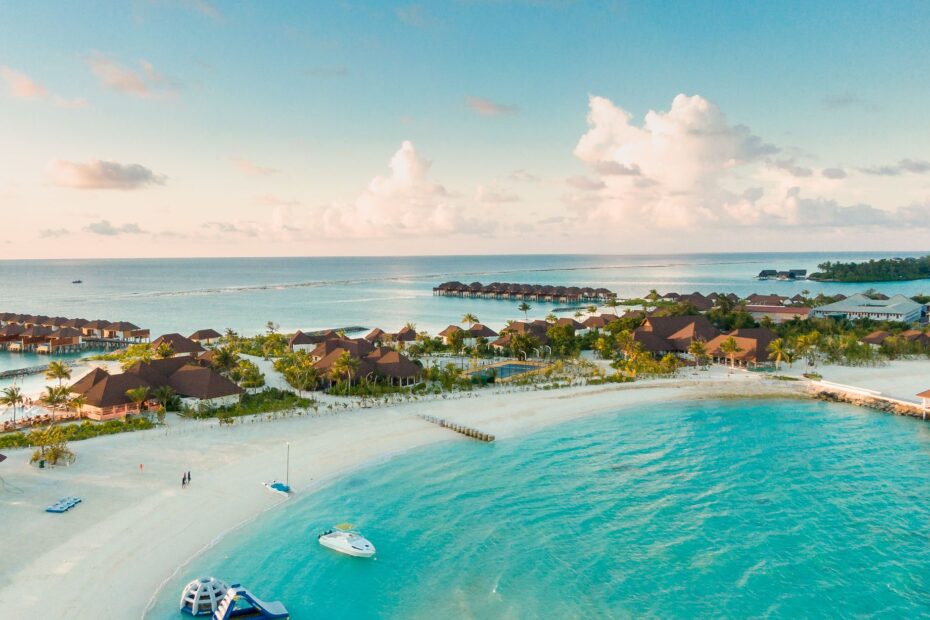
A trip built around hiking, rafting, or remote exploration differs from one centered on rest, comfort, and flexible enjoyment. Your pace, lodging, physical effort, and tolerance for changing conditions matter more than the destination itself. A rainforest walk can feel restful, while a resort schedule can feel demanding.
This comparison covers leisure travel, active travel, soft adventure, hard adventure, costs, safety needs, accessibility, and mixed-group itineraries for trips ranging from beach stays to remote routes.
Trip Priorities Separate Leisure and Adventure Travel
A hotel pool, museum afternoon, and guided trek can all take place in the same country. Leisure travel centers on relaxation, entertainment, familiar amenities, sightseeing, and personal enjoyment at an unhurried pace. You may favor it when restoration, convenience, and predictable comfort matter more than physical challenge.
Adventure travel centers on active participation, outdoor experiences, cultural immersion, exploration, and a manageable challenge. Your days can involve hiking, paddling, cycling, diving, or travel beyond major tourist centers. The Adventure Travel Trade Association describes the category through activity, nature, and cultural exchange, which explains why an itinerary can feel adventurous without becoming extreme.
The difference between adventure travel and leisure travel comes down to what shapes each day. Leisure-focused trips leave activity optional, while adventure-focused trips place activity at the center of the schedule. Your lodging, transport, and meal timing then follow that central purpose.
A Travel Spectrum Separates Activity From Expedition
Physical effort alone does not turn a vacation into an expedition. A three-hour city bike ride uses energy, yet it remains active travel when you return to a central hotel and face few changing conditions. Greater remoteness, technical skill, weather exposure, and self-reliance move your trip toward hard adventure.
| Trip style | Activity and skill | Comfort and uncertainty |
|---|---|---|
| Leisure travel | Light sightseeing, dining, beaches | High comfort and predictable schedules |
| Active travel | Day hikes, city cycling, snorkeling | Established services and moderate exertion |
| Soft adventure | Guided rafting, multi-day trekking | Changing weather and moderate preparation |
| Hard adventure | Mountaineering, remote paddling, technical climbing | High self-reliance and serious contingency planning |
Leisure travel provides the lowest activity demand, while active travel adds movement without major technical exposure. Soft adventure introduces guided outdoor challenges and variable conditions. Hard adventure places you farther from services and asks for stronger skills, specialized equipment, and detailed risk management.
Travel planners also use four broad types: leisure, business, visiting friends and relatives, and adventure or specialty travel. Your trip can overlap categories, such as visiting family and adding a guided hike. Leisure and adventure still describe how you spend your time after arrival.
Daily Pace, Comfort, Risk, and Cost Show the Difference
Daily structure reveals more than a destination photo. Leisure-focused itineraries leave room for late breakfasts, attraction tickets, resort amenities, and flexible transport. Adventure-focused itineraries place activity around daylight, tides, trail conditions, wildlife movement, or guide schedules.
| Factor | Leisure travel | Adventure travel |
|---|---|---|
| Primary purpose | Rest, enjoyment, and recreation | Participation, exploration, and discovery |
| Daily pace | Flexible, with downtime | Activity-led, with earlier starts |
| Physical demand | Low to moderate | Moderate to high, based on terrain |
| Accommodations | Hotels, resorts, cruises, rentals | Lodges, camps, huts, remote stays |
| Planning effort | Reservations and transport | Routes, permits, gear, weather, emergency plans |
| Cost pressures | Lodging, dining, attractions | Guides, permits, remote transport, equipment, insurance |
Remote transport and specialist guides can raise the cost of an active trip. A glacier route may require permits, mountain transport, equipment, a guide, and insurance coverage for higher elevations. Your budget can stay modest through a local day hike, beginner kayaking session, or short cycling tour.
Risk does not automatically mean danger. It means that weather, terrain, water conditions, route finding, or distance from medical care can change your daily choices. You need more preparation as the consequences of a delay or injury become greater.
Check what your travel insurance covers before booking. Many policies exclude high-altitude trekking, scuba diving, motorcycling, or activities above a stated elevation.
Destination Examples Show Four Distinct Trip Styles
Honolulu can serve four travel styles without changing islands. A leisure-focused week can include hotel shuttles, Pearl Harbor, beach time, dining, and one short coastal walk. Your schedule stays flexible because the main goal is rest and enjoyment.
Active travel in Honolulu can add daily walks, snorkeling, city cycling, and a guided hike while retaining a central hotel. Soft adventure can include longer trail days, guided paddling, or a boat excursion with changing water conditions. Hard adventure would demand a more remote route, technical skill, self-reliance, and a stronger emergency plan.
Leisure travel examples include beach vacations, cruises, spa weekends, resort stays, food-centered city breaks, attraction visits, and museum trips. You can add light activity without changing the trip’s purpose, as long as comfort and flexible scheduling still lead the itinerary.
Adventure travel examples include guided trekking, cycling tours, scuba diving, wildlife safaris, backcountry camping, kayaking expeditions, and mountaineering. In Costa Rica, you can stay at a beach resort with optional zip lining or join a multi-day route near Corcovado with wet trails, early wildlife outings, and limited road access.
A lodge near Arenal shows the middle ground clearly. Your day can start with a guided rainforest walk and end beside the pool, without camping gear or expedition-level uncertainty. That blend is soft adventure, not a watered-down version of outdoor travel.
Preparation Rises With Terrain, Distance, and Exposure
A steep trail at 9,000 feet asks more from your body than a paved attraction path. Check route distance, elevation gain, terrain, water exposure, weather patterns, evacuation access, and nearby medical care before committing. Your fitness should match the hardest day, not the easiest photo stop.
- Check daily distance. Compare walking or paddling hours with your current routine, including uneven ground, heat, and steep grades.
- Study weather windows. Rain, wind, river flow, and lightning can change safe timing within hours.
- Confirm guide training. Ask about first-aid credentials, group size, communications, and evacuation procedures.
- Review permit rules. National parks and protected waters can require timed entry or restricted access permits.
- Pack activity gear. Footwear, layers, sun protection, water treatment, and dry bags should fit the route conditions.
- Share route details. Leave your route and return time with a lodging contact or trusted person.
Guide qualifications matter more as terrain becomes remote or technical. A qualified guide can explain daily mileage, emergency communications, weather alternatives, and evacuation limits before departure. Clear answers help you judge whether a guided tour fits your experience rather than relying on a polished itinerary description.
Protecting yourself is only part of responsible planning; protecting fragile places requires equally deliberate choices.
Sustainable Tourism Depends on Conduct in Natural Areas
Nature-based trips leave marks through noise, waste, trail erosion, and wildlife disturbance. Stay on marked routes, keep distance from animals, refill water bottles, and follow protected-area rules. Your choices matter most in places where narrow trails, nesting sites, and shallow reefs face repeated visitor pressure.
Local guides can add cultural immersion while keeping activity within community rules. Their knowledge can explain sacred sites, seasonal closures, wildlife distance rules, and local transport limits. Your spending contributes more positively to sustainable tourism when local communities are treated as hosts rather than scenery.
Beginners, Seniors, and Travelers With Mobility Needs Can Join
Elite fitness is not an entry requirement. Soft adventure can include guided walks, scenic paddling, beginner snorkeling, accessible wildlife viewing, and short cycling routes. You can select lower elevation, flatter surfaces, shorter activity blocks, and transport-supported outings without losing the sense of discovery.
Accessible and senior adventure travel depends on route design, not age alone. Ask about walking distances, stairs, vehicle entry, climate exposure, recovery time, guide experience, medical access, and emergency support. Your health situation, mobility, and heat tolerance should shape the activity level.
Terrain descriptions need concrete detail. “Moderate walk” can mean 2 miles on packed ground or 5 miles across loose rock with 800 feet of gain. You need the distance, elevation, surface, bathroom access, shade, and turnaround options before choosing an overseas activity.
Once individual limits are clear, a shared itinerary can distribute activity without leaving anyone behind.
Skip operators that give vague answers about terrain or emergency access. Clear details show that your needs have been addressed before the activity begins.
Hybrid Itineraries Help Mixed-Interest Groups Travel Together
A comfortable base prevents one person’s preferred pace from controlling the full vacation. Choose lodging with reliable transport, food nearby, and a quiet place to rest. Your group gains more flexibility without splitting into separate trips.
- Use optional activity days. Schedule hikes, diving, or cycling as choices rather than mandatory group events.
- Choose one base. A central hotel or lodge reduces packing, transfer time, and friction between active days.
- Alternate demanding days. Place long hikes or boat trips between lighter days with open time.
- Leave recovery space. Heat, altitude, long drives, and jet lag can affect energy for 24 to 48 hours.
- Share activity details. Give each traveler the distance, start time, terrain, and return plan before booking.
A beach stay can include a morning snorkeling boat trip and an open afternoon. A city break can add one day hike outside Denver. A lodge-based safari can leave time between game drives for naps, reading, or a pool.
Your Priorities Should Choose the Trip Style
Marketing labels can hide a punishing schedule behind phrases such as “active escape” or “nature retreat.” Read the day-by-day itinerary instead. Your choice rests on the energy you want to spend, the comforts you need, and the uncertainty you accept.
- Favor leisure travel. Choose it for restoration, amenities, simple transport, and predictable days.
- Choose active travel. Use it for day activities that add movement without major technical skill or remote exposure.
- Try soft adventure. Select guided outdoor challenges that fit your ability while retaining reliable support.
- Reserve hard adventure. Save it for strong skills, detailed preparation, specialized equipment, and changing conditions.
- Read daily load. Count activity hours, elevation, transit time, safety requirements, and recovery before booking.
- Check comfort limits. Decide how much heat, rough terrain, simple lodging, and schedule rigidity you can enjoy.
For adventure travel vs leisure travel, restoration fits a short escape with limited planning tolerance. Participation fits a trip where effort, place, and discovery shape your memories. Your next step is to judge the itinerary by daily demands rather than its marketing label.
Final Takeaways
The destination does not define your trip style; your daily choices do. You can rest beside the ocean, hike a volcanic trail, or place both on the same itinerary. Match activity load, comfort trade-offs, safety preparation, and recovery time to your actual needs, and the vacation will feel intentional rather than mismatched.
FAQ
What is the main difference between adventure travel and leisure travel?
One itinerary prioritizes challenge and discovery, while the other centers on relaxation and comfort. Leisure travel focuses on rest, entertainment, comfort, and flexible time, while adventure travel centers on active participation, outdoor experiences, cultural immersion, exploration, or challenge. Your daily schedule reveals which purpose leads the trip.
What are the four types of travel?
Most tourism categories include leisure trips, business travel, visits to friends and relatives, and adventure or specialty journeys. Your trip can fit more than one type, such as visiting family while adding a guided hike, but the main purpose identifies the leading category.
What are examples of leisure travel?
Beach vacations, cruises, spa weekends, resort stays, food-focused city breaks, theme-park visits, and museum trips all fit this category. You can add light activities, but relaxation, entertainment, comfort, and flexible scheduling remain the central reasons for going.
What is considered adventure travel?
Guided treks, wildlife expeditions, and cultural journeys qualify when active participation, exploration, or challenge shapes the schedule. Guided trekking, kayaking, diving, wildlife safaris, cycling tours, and backcountry camping qualify when your activity is more than an optional side excursion.
Is adventure travel always physically demanding or risky?
Adventure travel does not require extreme sports, technical climbing, or remote wilderness. You can choose soft adventure through guided walks, calm-water paddling, beginner snorkeling, short bike routes, or wildlife outings that match your experience and comfort level. Risk rises with terrain, weather exposure, remoteness, and technical skill.
What is the difference between active travel and adventure travel?
City cycling, snorkeling, and day hiking add movement to a trip, while exploration or challenge anchors an adventure-focused itinerary. Your active trip can remain close to hotels and transport, while a more demanding adventure trip can involve remoteness, guides, permits, and changing conditions.