A long weekend on the trail can stall before it begins, all because your pack fights you the whole way. Straps that dig, fabric that traps sweat, pockets placed where you can’t reach them mid-stride: small design choices turn a six-mile loop into a chore. The right daypack disappears on your back, balances load cleanly, and holds the gear you actually reach for, whether you’re chasing ridgelines or dashing through an airport.
This roundup focuses on packs built for short missions where comfort, weight, and quick access matter more than multi-day capacity. Each option leans into a different kind of user, so the right match depends less on specs and more on how you move.
A Snapshot Of The Selections

SKYSPER Ultralight Packable RFID Travel Daypack 16L

YETI Crossroads Backpack

MOSISO Sling Backpack Crossbody Daypack

Osprey Hikelite 28L Hiking Backpack (Tan)
CARPDIM 10L Small Lightweight Hiking Daypack
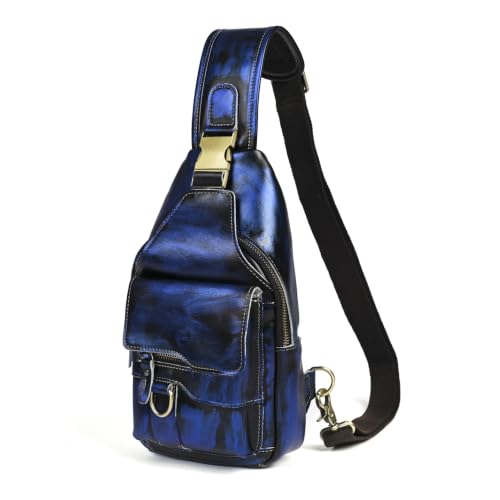
Handadsume Genuine Leather Hiking Sling Daypack (Blue)
Taking A Closer Look At The Options
A daypack that lives in your carry-on is the kind of tool you forget about, until you actually need it. The SKYSPER folds down small, then unfolds into a 16-liter nylon pouch ready for a transit day or a sunset detour. Built-in RFID shielding (radio-frequency identification blocking, which stops wireless scanners from reading chip-enabled cards and passports at close range) adds a layer most ultralight packs skip entirely.
Where it shines is layered travel: a long flight plus a few hours of walking once you land. Tote it as a secondary bag, fill it for the day, and you skip the overhead-bin scramble. Compared to the heavier YETI Crossroads below, this one asks nothing of your back when it’s empty and stays out of the way when full.
Strong Points
- RFID-blocking pocket protects passports and contactless cards from wireless skimming in dense transit hubs
- Packable construction stuffs into an interior pouch, useful for travelers who already carry a main pack
- 16-liter capacity fits a light layer, snacks, a tablet, and a refillable bottle without bulging
- Nylon shell stays light on the shoulders during long city walks or short trail heads
Things To Consider
- Minimal frame and no hip belt, so anything beyond 10 pounds feels like a lot on the shoulders
- Lightweight fabric scuffs against rough concrete over time, a commonly reported trade-off in this weight class
Feature Snapshot
Made For
Travelers who split time between transit hubs and short walks, and want a secondary pack that handles both.
Reach For A Different Pick When
The Osprey Hikelite 28L suits you better if you’re carrying camera gear or a rain layer on real elevation.
The YETI Crossroads feels more like luggage than a hiking pack, in the best way. The clamshell opening (a zipper that runs the full length of the pack so it splits open flat like a suitcase) lays the entire interior bare, so packing feels less like fishing into a tube. A 35-liter body swallows a packed work day, gym kit, and still leaves room for the jacket you forgot at home.
For shoppers who thrash gear, the reinforced shell stands up to daily friction in ways the SKYSPER’s lightweight nylon can’t match. The catch is weight: empty, this thing pulls noticeably on your shoulders, and on a five-mile trail loop you feel every pound.
What It Does Well
- Clamshell opening gives full visibility, faster than top-loading packs for commuters who re-pack often
- High-capacity build carries a full work-and-gym load without breaking down
- Rugged construction handles drops, scuffs, and overstuffed days without complaint
Points To Note
- No real suspension system, so heavy loads feel every bit as heavy on your back
- Overbuilt for short hikes; lighter packs like the SKYSPER feel better for quick travel days
Whose Shelf It Belongs On
Daily commuters and one-bag flyers who need one pack to do everything, especially when gear weight is less of a concern.
Swap It Out When
The MOSISO Sling fits your day better if you only haul a tablet and a jacket across town.
A sling pack solves one annoying problem fast. Instead of swinging the whole bag around to grab your phone, the MOSISO rotates across the chest so the main compartment lands where your hands already are. It’s a small thing you stop noticing after a week, and then can’t live without.
The polyester body is roomier than you’d expect from a sling: enough space for a tablet up to 11 inches, a folded jacket, and the usual pocket clutter. Versus the wider, two-strap YETI, this one trades structured support for the ability to stay out of your way in crowds.
Standout Benefits
- Single-strap rotation brings the main pocket in reach without removing the pack
- Tablet-compatible main compartment fits devices up to about 11 inches
- Lightweight polyester build keeps the sling comfortable during all-day city use
- Crossbody carry spreads weight across one shoulder and across the back, which feels stable on bikes
Worth Noting
- Single strap concentrates weight on one shoulder when the bag is fully loaded
- Less stable for trail use than a dual-strap hiking pack like the Osprey Hikelite
Quick Technical Notes
Best Suited To
Urban explorers and travelers who want fast access to a tablet and a few essentials without wearing a full backpack.
A Better Fit Elsewhere
The CARPDIM 10L works better for half-day hikes where both shoulders need to share the load.
Osprey built this one for people who actually hike, and you feel it within minutes of strapping it on. The AirSpeed suspension (a trampoline-style mesh back panel that holds the pack slightly off your back so air can circulate) keeps airflow moving across your back, which is the single biggest comfort upgrade on warm climbs. Add a panel-loading main compartment, a built-in raincover, and hipbelt pockets, and you’ve got a daypack that wants to be loaded.
It runs larger than the SKYSPER but lighter than the YETI, landing in the middle of this list as the most trail-focused option. For serious day hikes where you’re carrying water, layers, food, and a shell, the engineering pays off. For a one-mile loop, all that hardware is more than you need.
A Few Strong Suits
- AirSpeed tensioned mesh back panel improves airflow and reduces sweat buildup on climbs
- Built-in raincover deploys quickly when weather shifts, a real asset above treeline
- Padded hipbelt with pockets keeps snacks and a phone within easy reach mid-trail
- Adjustable harness system fits a wide range of torso lengths for shared use
Honest Caveats
- More pack than needed for casual, low-mileage outings
- Hipbelt pockets can feel bulky for hikers with slimmer frames
Key Product Details
Who It Suits Best
Day hikers tackling real elevation and variable weather, especially anyone who sweats heavily or carries extra layers.
Look Elsewhere When
The CARPDIM 10L suits you better if your trail is short and your load is light.
Ten liters sounds small until you realize how little you actually need for a half-day loop. The CARPDIM strips away suspension, frames, and bulk, leaving a featherweight shell that disappears the moment you clip it on. It works as a secondary daypack, a summit bag, or a commuting pack for people who refuse to lug extra weight.
The trade-off shows up the moment you try to load it like the YETI Crossroads. There’s simply no room for a jacket, snacks, and a water bottle without compressing everything. Treat it as a minimalist tool, and it’s refreshing.
Everyday Perks
- Featherweight build barely registers on your shoulders during fast movement
- Compact 10L capacity handles snacks, a light shell, and a small hydration bottle
- Minimalist design folds flat for storage inside a larger travel pack
- Sensible option for short hikes, summit pushes, and daily errands
Small Caveats
- Limited capacity won’t fit a full rain jacket plus lunch and water at the same time
- Lacks the hip belt and frame found on the Osprey Hikelite for heavier loads
Perfect Match For
Minimalist hikers and fast movers who prioritize weight savings over gear capacity.
Consider Something Else When
The Osprey Hikelite 28L is the better match if you’re packing layers for unpredictable conditions.
Most daypacks try to disappear. The Handadsume wants to be seen. A waxed leather shell, a triangular crossbody cut, and a compact 30-by-16 cm profile make this less of a trail tool and more of a wearable statement. The oil-waxed cowhide (leather treated with conditioning oils and wax for a slightly distressed, weather-resistant finish) is meant to age with use, picking up character instead of wearing down.
This pack makes sense for city wear and casual weekends, where style matters more than spec sheets. Compared to the performance-driven picks above, it trades weatherproof synthetics for material that scratches and softens over time. Heavy rain or rough trail work will punish it; coffee shops and weekend markets will reward it.
Real Benefits
- Waxed leather construction develops a unique patina (a soft surface sheen that forms as leather ages and absorbs oils) with regular use
- Low-profile triangular shape sits close to the body, with no swing while walking
- Crossbody sling rotates to the front for quick phone or wallet access
Things To Weigh
- Leather needs occasional conditioning to stay supple, unlike the synthetic shells on every other pick
- Limited weather protection compared to nylon or polyester daypacks
- Smaller capacity means this works best when you travel light
Built With In Mind
Style-led shoppers and weekend travelers who want a pack that looks distinctive and ages gracefully.
Skip It When
The SKYSPER is the better match if you’re chasing rain-ready function over aesthetic appeal.
What To Weigh Before Picking A Daypack
Capacity sounds like the headline number, but the real story is fit and ventilation. A 28-liter pack that floats on your back beats a 16-liter pack that traps sweat, especially on a hot climb. Look for tensioned mesh back panels if you’re hiking in warm weather, since they create a small air gap between the pack and your back.
For commuters, quick access wins. Sling packs like the MOSISO rotate to the front, so you never need to remove the bag for a transit card or a phone. Clamshell openings like the YETI Crossroads work better when you’re fully re-packing between uses.
For travelers, weight and packability matter most. A pack that stuffs into its own pocket rides inside your main luggage and earns its weight only when you actually use it. Day hikers should prioritize hipbelts and rain covers, since both reduce the small annoyances that add up over miles.
Materials And Weather Protection
Nylon and polyester shells resist light rain and dry fast, which suits most short hikes and city use. Leather ages well but punishes neglect, so it makes more sense for casual wear than serious weather exposure. If your local forecast flips often, integrated rain covers cost less than separate pack covers and deploy faster.
Fit, Harness, And Adjustability
Torso length matters more than height. Two people of the same stature can have very different back lengths, and a poorly adjusted harness shifts load onto your shoulders instead of your hips. Adjustable harnesses, like the Osprey Hikelite’s, fit a wider range of users and are worth the small learning curve.
Where Shoppers Slip Up And Where The Upgrade Pays Off
Where Shoppers Go Wrong
The most common mistake is chasing capacity. A 35-liter pack sounds versatile, but most day missions need 10 to 20 liters. Overbuying capacity leads to overpacking, which leads to a heavier bag and more shoulder fatigue. Match the pack to the mission, not the worst-case scenario you might face once a year.
Another misstep is skipping fit testing. Backpack fit depends on torso length, not height, and adjusting the harness takes minutes that prevent hours of discomfort on the trail. A pack that rides high and pinches at the shoulders will never feel right, no matter how nice the materials look.
When Paying More Pays Off
Higher-tier packs spend money where you actually feel it: harness engineering, frame systems, and weatherproof fabrics. A $20 nylon pack handles a coffee shop commute; a $150 trail pack handles a wet ridge with 15 pounds of gear. The upgrade is worth it the moment your typical day includes real elevation, real weather, or a loaded waist belt. For pure city use, that premium doesn’t translate.