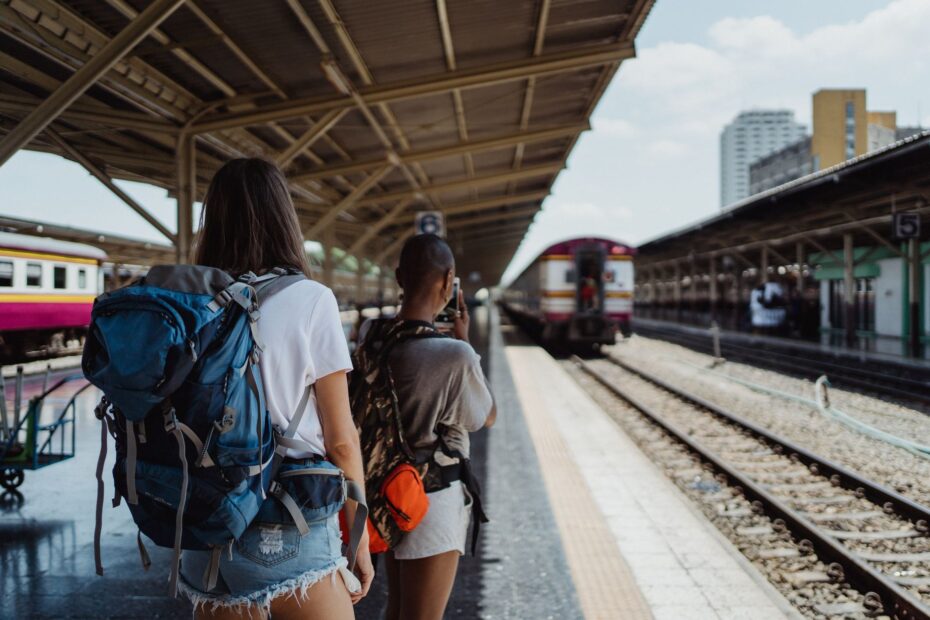
A $30 hostel bed and a private villa illustrate trip styles that allocate money, comfort, time, and control differently. You may sleep in a six-bed hostel dorm, carry your bag between train stations, and change cities overnight, or arrive at a suite with a driver arranged for you. Neither style decides how deeply a place stays with you.
This comparison covers costs, lodging, transport, safety, destination fit, and hybrid planning for travelers matching a trip to their budget, energy, available days, and preferred pace.
Two Travel Models Use Different Priorities
A carry-on backpack holds enough clothing for several weeks, but it also asks you to move with fewer fixed plans. Backpacking travel style centers on independent travel, light packing, lower daily spending, shared infrastructure, and comfort with small unknowns. You arrange transport, choose lodging, and handle disruptions as they arise.
Luxury travel meaning rests on privacy, attentive service, physical comfort, and fewer logistical chores. Your hotel may arrange a driver, secure dinner reservations, and move luggage between flights. Higher spending covers staff time and service that would otherwise fall on your schedule.
Neither approach owns cultural connection, memorable food, slow travel, sustainability, or outdoor experiences. You can shop at a neighborhood market after checking into a resort, or join a local cooking class while staying in a guesthouse. Your choices beyond the room key shape the trip more than the room category.
That split shows why backpacking vs luxury travel is not a contest between serious travel and indulgence. These are two operating models. One protects cash and autonomy, while the other spends more to protect comfort and time.
Daily Choices Show the Main Differences
A hostel bunk, city bus, and flexible rail ticket put you close to the mechanics of a destination. A suite, private transfer, and fixed reservation remove much of that work from your day. You feel the contrast most clearly during an airport arrival, a missed connection, or a late dinner reservation.
| Trip element | Backpacking | Luxury travel |
|---|---|---|
| Daily spending | Lower spending through shared services and self-booked choices | Higher spending for service, space, and convenience |
| Lodging | Hostels, guesthouses, dorm beds, and simple private rooms | Luxury hotels and resorts, suites, villas, and private accommodation |
| Transportation | Public transit, buses, shared rides, and overnight trains | Private transfers, premium cabins, and arranged drivers |
| Luggage | Compact bag carried between stops | More luggage space, with porter help at some properties |
| Meals | Markets, self-catering, casual cafes, and street food | Fine dining, room service, private chefs, and curated tastings |
| Planning | Loose route with changes made during the trip | Reservations and logistics arranged before departure |
| Privacy | Shared spaces and more social contact | Private rooms, quieter transport, and personal space |
The main trade is straightforward: backpacking gives you more autonomy per dollar, while luxury travel exchanges higher spending for time savings and fewer logistical tasks. Your preferred daily pace decides which trade feels worthwhile.
Travel Backpacking and Wilderness Backpacking Are Different
With a small load, independent travelers move through towns, cities, airports, and transport networks. Wilderness backpacking means carrying gear into the backcountry, where food, water, shelter, and route skills shape your safety. The same bag may appear in both settings, yet the demands are far apart.
The Big Three in wilderness backpacking are a shelter, sleep system, and backpack. That phrase does not describe a low-cost international trip. For urban travel, your passport, payment backup, phone data, and secure arrival plan carry more weight than ultralight tent specifications.
That distinction matters before you pack. A 40-liter carry-on backpack works well for trains, hostels, and city stairs, while an overnight hiking route may require water storage, insulation, and weather protection that would burden a city-based trip.
Those packing demands often create expenses that never appear in the nightly accommodation price.
Total Trip Costs Go Beyond the Room Rate
A $28 dorm bed may cost less than a $140 hotel room, yet the final gap depends on everything around sleep. In lower-cost destinations, a careful backpacker may spend $45 to $90 per day. Mid-range places may require $90 to $180, while high-cost cities can push a lean plan above $180 after transit, meals, and lodging.
| Expense | Lower-cost approach | Premium approach |
|---|---|---|
| Sleep | Dorm bed, guesthouse, or night bus | Hotel suite, resort, villa, or private apartment |
| Arrival | Metro, airport bus, or shared shuttle | Prearranged car or hotel transfer |
| Food | Market breakfast, casual lunch, or self-cooked dinner | Restaurant reservations, tasting menus, or in-room dining |
| Route changes | Flexible tickets and lower change penalties | Higher fares with concierge help during disruptions |
| Time cost | More research, waiting, and self-directed problem solving | Less coordination and fewer uncertain handoffs |
Lodging is only one line in your daily travel budget. Add checked-bag fees, laundry, data plans, airport transfers, travel insurance, tours, meals, and booking changes before judging either route. A low nightly rate loses appeal after three paid rides from an inconvenient neighborhood.
Limited vacation days also have value. You may gladly pay for a 35-minute transfer rather than spend two hours decoding a rail connection after a red-eye flight. On a six-week trip, that same time trade can feel less pressing because your schedule has room to breathe.
Spend extra where a mistake would damage your sleep, your arrival, or a rare day in a destination. Spend less where you enjoy moving slowly and handling details yourself.
Mobility and Planning Shape the Daily Pace
Moving every two or three days turns your bag into part of the itinerary. Public buses and shared rides can bring you into ordinary neighborhoods, but delayed connections, stairs, heat, and long walks add fatigue. You carry your belongings and the responsibility for the next move.
Independent Mobility Brings Flexibility and Friction
A backpacker can leave Lisbon for Porto after breakfast because a hostel bed and rail seat are easy to arrange. That itinerary flexibility helps on a long trip, yet popular dates can leave you with costly beds or awkward departure times. Your freedom works better with a cash reserve and patience for disruptions.
Careful planning does not erase independence. Use a fixed arrival night, a mapped transit route, and backup lodging for a late landing. Lonely Planet route notes and local transit apps can help you identify useful connections before a transfer becomes urgent.
Independent travel also gives you room to stay longer in a neighborhood that feels right. A flexible route works well across Portugal, Thailand, or Japan, where trains, buses, guesthouses, and walkable districts make small changes less disruptive.
Service Protects Short Itineraries
Private transfers, porter service, premium rail seats, and a hotel concierge remove pinch points rather than adding glamour alone. You gain smoother handoffs between airport, lodging, restaurant, and activity. That benefit becomes sharper on a four-day anniversary trip or a work-heavy remote stay.
Luxury travel can still leave blank afternoons and loose choices. Backpacking can also be planned down to every train platform. The key difference is who absorbs the disruption after rain closes a road or a flight lands after midnight.
Guided tours and private transfers can be practical rather than extravagant. A driver may save an hour after a late arrival, while a guided day trip may make an unfamiliar mountain route more accessible without turning the whole trip into a fixed package.
Local Access, Privacy, and Safety Are Separate Trade-Offs
A bowl of noodles at a market stall can sit beside a polished tasting menu on the same trip. Self-catered meals, casual restaurants, and independently chosen activities place you in routine local spaces. Fine dining, private chefs, and experiential travel can also introduce you to skilled cooks, guides, and producers with deeper context.
Low spending does not automatically create deeper contact, and a high room rate does not seal you behind glass. You shape local access through your choices: use neighborhood businesses, ask guides direct questions, learn basic etiquette, and leave time beyond hotel grounds.
Privacy Affects Recovery Rather Than Curiosity
Hostels and guesthouses offer chance conversations, shared kitchens, and social leads for the next day. A private room gives you quiet, controlled sleep, and room to work or decompress. Your need for privacy may be practical after a packed workday or a long flight.
Hostelling International properties show the shared-lodging model used by many backpackers. Airbnb sits in the middle ground, though cleaning fees, neighborhood rules, and location can push a private rental close to a hotel rate. You need to compare the full stay cost rather than the nightly figure alone.
Safety Relies on Behavior and Local Conditions
Solo travel safety starts before arrival. Research your neighborhood, arrange a reliable late-night ride, share a communication plan, carry travel insurance, and keep payment backups apart from your main wallet. These habits protect you in a dorm, boutique hotel, or resort.
Private transfers can reduce exposure during an unfamiliar arrival, while public transit can be safe and practical in well-run cities. Your situational awareness matters more than the category printed on a booking confirmation. A central hotel with a poorly lit walk may feel less comfortable than a hostel beside a busy transit station.
Check local conditions before booking remote stops. Road closures, limited phone coverage, thin bus schedules, and late-night arrival times can change your risk level more than a dorm bed or suite does. Your route deserves the same attention as your lodging.
Hybrid Trips Avoid a False Either-Or Choice
A 12-night trip through Japan can include nine practical nights and three restorative ones without losing its character. You might use guesthouses and rail passes across Kyoto, Osaka, and Hiroshima, then finish with a quiet boutique hotel near Tokyo Station before the flight home.
Use higher-cost pieces where they solve a real strain. A private room after four dorm nights can restore sleep. A guided day trip can open a difficult mountain route, while a premium rail seat can turn a five-hour ride into usable work time.
- Hard arrivals Reserve a transfer and private room after a late landing or long international flight.
- Recovery nights Place a quieter hotel after overnight transit, hiking, or several crowded city days.
- Special dates Reserve a memorable meal or suite for a birthday, reunion, or anniversary.
- Remote work Pay for dependable Wi-Fi, a desk, and reliable sleep before a fixed meeting.
- Complex regions Use a guide or driver where road conditions, language barriers, or long distances add friction.
Marriott Bonvoy and Virtuoso show two service-led systems. Marriott Bonvoy centers hotel loyalty benefits, while Virtuoso links travelers with travel advisors and high-service properties. You do not need either system for a hybrid trip, but both show how arranged service differs from self-booked independence.
That flexibility matters most when climate, infrastructure, and local logistics make one approach impractical throughout.
Destination Conditions Change the Right Style
Reliable trains can turn a low-cost route into a smooth one. Walkable cities, plentiful hostels and guesthouses, broad English access, and clear local transportation make independent travel less demanding. You may find a carry-on backpack and flexible route especially useful in places with those conditions.
Long internal distances change the math. Remote regions, thin bus schedules, limited lodging, language barriers, accessibility needs, and uncertain late-night arrivals can justify more planning or selective upgrades. Your trip window matters here because a missed connection can consume a full day.
Once those conditions are clear, time, budget, and comfort limits determine which compromises are realistic.
- Transit coverage Check departure frequency, station distance, and the final connection before booking remote stops.
- Lodging supply Confirm private-room and dorm availability during festivals, school breaks, and major events.
- Arrival timing Reserve a reliable transfer for landings after public transportation has stopped.
- Physical demands Count stairs, cobblestones, heat, and luggage carries against your mobility and energy.
- Travel companions Account for children, different sleep needs, work calls, and privacy expectations.
A destination can be inexpensive yet logistically demanding. Price and ease are separate measurements, so judge both before setting your daily budget.
Trip Constraints Point Toward a Practical Choice
Your calendar gives the clearest starting point. Backpacking suits you where time is more available than money, modest comfort feels acceptable, and self-directed movement adds to the experience. Luxury travel fits a short leave window, a celebration, accessibility needs, or a strong preference for dependable logistics.
Budget travel vs luxury travel becomes clearer after you rank what would spoil the trip. Poor sleep may be a minor annoyance during a month abroad but a major loss on a three-night city break. Privacy, recovery, and time are personal costs, even without a number on a receipt.
Your Constraints Can Filter the Decision
- Total funds Set a full-trip cap that includes transport, insurance, meals, laundry, and a disruption reserve.
- Available days Protect short trips from slow transfers and awkward arrival logistics.
- Sleep standard Decide whether a shared room, street noise, or early departures will reduce your enjoyment.
- Desired control Choose self-booking for autonomy or arranged service for fewer decisions.
- Destination difficulty Add service where distance, safety conditions, or language friction make self-direction tiring.
- Upgrade targets Spend on the two moments that would improve your rest, access, or schedule most.
For backpacking vs luxury travel, the useful verdict is situational. Backpacking suits long trips with flexible dates and a desire to steer your own route. Luxury travel suits compressed itineraries, high privacy needs, and complex arrivals. A hybrid approach works where your budget has room for a few well-placed comforts rather than full service every night.
Final Thoughts
Your travel style is a set of choices, not a permanent identity. Spend less where independence feels energizing, and spend more where friction would steal sleep, safety, or rare time. The trip works where its daily rhythm fits your body, budget, and reason for leaving home.
FAQ
What is the difference between backpacking and luxury travel?
Backpacking relies on lower spending, light luggage, public or shared transport, and self-directed decisions. Luxury travel spends more on private space, comfort, arranged logistics, and personal service. You can find cultural experiences, local food, and memorable activities through either style.
What does luxury travel mean?
Luxury travel means a service-led trip built around comfort, privacy, convenience, and personalized arrangements. Your lodging may include a high-end hotel, resort, suite, villa, driver, concierge, or guided activity. The higher cost pays for time savings and fewer logistical burdens.
What are the four types of travel?
Travel is grouped into leisure travel, business travel, visiting friends and relatives, and purpose-led travel such as study, volunteering, or medical care. Backpacking and luxury travel are styles that can exist inside several of those groups rather than separate formal categories.
What is the Big Three in backpacking?
Your pack, shelter, and sleep system make up wilderness travel’s three core gear categories. It matters for overnight hiking and backcountry trips, not urban budget travel. A travel backpacker needs practical documents, secure money access, data, and arrival planning instead.
Does backpacking always mean traveling on a very low budget?
Backpacking does not require extreme deprivation. You can stay in private rooms, take an occasional premium train seat, eat at restaurants, or book a guided outing while keeping a light bag and flexible route. Your mobility and self-direction matter more than the smallest possible daily spend.
How do accommodation, transportation, and itineraries differ between backpacking and luxury travel?
Backpacking commonly uses hostels, guesthouses, buses, trains, and flexible routes. Luxury travel uses private rooms, luxury hotels and resorts, drivers, and reservations arranged before departure. You trade lower spending and more direct control for privacy, comfort, and fewer daily logistics.