A good riding pack earns its keep by staying out of your way until you need it. On a fast road loop, a layered trail ride, or a multi-day tour, the difference between a forgettable bag and a great one shows up in hydration access, load stability, and how your shoulders feel 40 minutes in. The picks below cover lightweight day-trippers, protective trail packs, hydration-focused vests, and a few crossover options that handle commuting as well as singletrack.
A Side-By-Side Look
PeranoRidia Sackpack Drawstring Backpack for Men/Women, Lightweight Sports Bag

5.0 Raptor LT 12 w-res Tactical Hydration Pack

KUYOU Running Hydration Vest with 2L Water Bladder
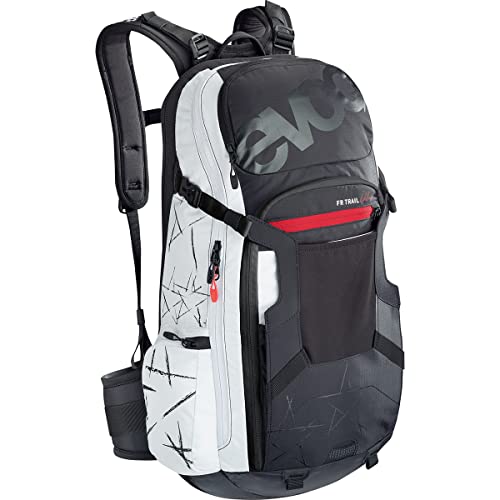
Evoc FR Trail Unlimited 20L Cycling Backpack with Protector

Deuter Trail 28L SL Backpack for Biking, Hiking & Trekking
Why These Options Stand Out
The PeranoRidia Sackpack skips structure entirely and lands somewhere between a cinch sack and a soft backpack. Its 14.2 by 17.7-inch frame holds a change of clothes, a pair of trainers, and a towel without feeling stuffed, which makes it a sensible grab for the rider who pedals to a gym session or a beach afternoon after work. Two main compartments keep shoes separated from clean layers, and the front zip pocket is sized for keys, earbuds, or a transit card.
Tightly woven fabric shrugs off light drizzle and road spray, and a reinforced base helps when you set the pack down on gritty pavement. The drawstring closure closes quickly between traffic lights, which matters when you want to keep moving. Compared with the structured trail packs further down this list, this one trades spine support and load shifting for pure portability. For short urban rides and post-routine gear swaps, that trade is usually the right one.
Standout Benefits
- Compact 14.2 by 17.7-inch silhouette slips under a café table or into a locker without bulk.
- Two main compartments plus a quick-access zip pocket cover basic gym-and-ride organization.
- Water-resistant woven fabric holds up against light rain and road spray on daily commutes.
- Cinch closure lets you stash or grab the bag in seconds between stops.
Trade Offs
- No hip belt or sternum strap, so heavier loads tend to shift on rougher roads.
- Drawstring-only closure leaves the top flap open to dust and splash in heavy weather.
- Lightweight fabric may scuff faster than the ripstop panels on dedicated cycling packs.
Quick Facts
Who It Suits Best
Urban riders, commuters, and casual cyclists who need a no-fuss bag for short rides and post-ride routines will find the most value here.
Consider Something Else When
Riders planning long-distance rides or carrying hydration bladders should look at the KUYOU Running Hydration Vest for built-in water storage and a more secure fit.
The Raptor LT 12 reads like a pack designed by people who actually race. Its winged shoulder harness and sternum strap keep the load pinned against your back when the trail pitches up, and the AirScape backpanel breathes well enough that long climbs do not turn into a sweat bath. The included 2.5-liter reservoir handles most half-day rides without a refill stop, which matters when you are riding far from spigots.
Upper and lower side compression straps let you shrink the pack as water levels drop, so the load does not slosh around near empty. A ventilated airmesh hipbelt helps shift weight to your hips on rougher terrain, taking pressure off your shoulders. Unlike the PeranoRidia Sackpack above, this one is purpose-built for movement, not just storage, and you will feel that difference the moment you leave the pavement.
A Strong Showing
- 2.5-liter reservoir covers long trail loops and most mountain races without refill anxiety.
- Winged shoulder harness and sternum strap lock the pack down on steep pitches.
- AirScape backpanel with ventilated airmesh hipbelt manages heat during summer climbs.
- Compression straps stabilize the load as fluid levels drop, reducing slosh near empty.
Points To Keep In Mind
- Tactical styling may look out of place on casual commutes or coffee stops.
- Men’s fit runs narrow, so riders with broader torsos may find the harness restrictive.
Best Suited To
Mountain bikers and trail racers who want hydration and a stable, movement-focused fit for fast rides over rough terrain.
Look Elsewhere When
Riders who want spine coverage for enduro and aggressive downhill runs should consider the Evoc FR Trail Unlimited 20L, which adds a certified back protector.
The KUYOU Hydration Vest trades bulk for closeness. Worn more like a vest than a backpack, it hugs the torso with adjustable chest straps and breathable mesh, which keeps the weight from bouncing on rough roads and gravel paths. The insulated compartment holds a 2-liter bladder that resists heat soak, so your water stays cooler through long summer rides.
Two elastic shoulder pockets fit 500 ml bottles, gels, or a small phone, and a secure zip pocket handles keys and cards without rattling. Reflective trim helps in low-light commuting conditions, a small but practical detail. Compared with the Raptor LT 12’s tactical bulk, this is the friendlier option for road riders logging long miles who want hydration always within reach.
What Pays Off
- Insulated bladder compartment keeps water cooler across hot-weather miles.
- Adjustable chest straps and breathable harness feel secure without restricting breathing.
- Shoulder pockets and zip pocket keep essentials reachable without dismounting.
- Reflective trim improves visibility during early-morning or evening road rides.
Honest Caveats
- 2-liter capacity runs short on rides over three hours in hot climates.
- Lightweight construction trades durability for weight, so abrasive trails may wear it faster.
- Vest-style fit may feel snug over bulky winter layers on cold-weather rides.
Feature Snapshot
Made For
Road cyclists, distance commuters, and endurance riders who prioritize hydration access and a snug, low-bounce fit over cargo capacity.
Skip It When
Riders needing substantial storage for tools, layers, and food on long tours should consider the Deuter Trail 28L SL, which offers much more volume in a ventilated frame.
The Evoc FR Trail Unlimited is built around a LITESHIELD back protector that meets EN 1621-2 standards, a European safety benchmark for impact absorption. That panel is the headline feature, but the pack earns its reputation through its load-carrying comfort, anchored by an extra-wide neoprene hip belt that shifts weight off the shoulders and onto the hips. The 20-liter volume swallows tools, layers, food, and a hydration reservoir without distorting the fit.
For aggressive trail and enduro riders who charge into rock gardens and steep drops, that protection is the difference between walking away sore and walking away functional. The trade-off is bulk, because the protector eats into usable space and adds weight over a non-protected pack. Still, on technical terrain where crashes are part of the math, that weight feels well spent.
A Favorable Mix
- EN 1621-2-certified back protector absorbs impact on rough, crash-prone terrain.
- Extra-wide neoprene hip belt transfers load to hips, reducing shoulder fatigue on long days.
- 20-liter volume fits a full kit of tools, layers, food, and hydration without distortion.
- Sturdy construction holds its shape when packed full on technical descents.
Small Caveats
- Built-in protector adds weight compared with non-protected trail packs.
- 20-liter size runs large for riders who only need a hydration pack for short loops.
- Higher price tier reflects the protection system, so budget-focused riders may look elsewhere.
Who Will Love This
Enduro riders, aggressive trail cyclists, and mountain bikers who regularly ride technical terrain and value spine protection as part of their kit.
Not Your Match When
Riders focused on long-distance road sessions or light touring should consider the Deuter Trail 28L SL, which trades protection for ventilation and frame comfort.
The Deuter Trail 28L SL is the crossover pick for riders whose weekends blur bike trails and hiking paths. Built from recycled polyester and polyamide, it carries a 28-liter volume through the Airstripes back system, which uses reduced contact surfaces and wide ventilation channels to move air across your back. The result is a pack that breathes well on hot climbs and stays comfortable when loaded with overnight gear.
A U-frame transfers weight efficiently to the hips, and perforated shoulder straps and hip fins spread pressure evenly across narrower torsos, which is the SL fit philosophy. Compared with the Evoc’s protective bulk, this one trades armor for airflow, and most riders planning long days in the saddle rather than crash-prone descents will find that swap worthwhile. You may find the trail focus limits pure-road appeal, but for mixed adventures it handles both with ease.
Noteworthy Benefits
- Airstripes back system with wide ventilation channels keeps air moving on hot climbs.
- 28-liter volume handles overnight kit, layers, food, and tools without feeling cramped.
- U-frame design shifts load to hips, easing shoulder strain on long tour days.
- Recycled fabric construction appeals to riders seeking lower-impact materials.
Factors To Consider
- No integrated spine protection, so aggressive riders may want additional armor.
- Larger profile feels bulky on short urban commutes where smaller packs work better.
- SL fit targets narrower torsos, so riders with broader frames may prefer unisex sizing.
The Right Fit
Weekend adventure riders, bike-packers, and bike-and-hike travelers who carry meaningful cargo and want a breathable, frame-supported carry for varied terrain.
Swap It Out When
Riders who only need gym-and-commute storage should look at the PeranoRidia Sackpack, which is far lighter and far simpler for short urban rides.
What To Weigh Before Picking Your Next Ride Pack
Fit And Stability On The Bike
A pack that feels fine while walking can turn into a wobbling weight on rough roads. Look for sternum straps, hip belts, and compression cords that lock the load close to your back. Winged harnesses, like the one on the Raptor LT 12, keep the bag from sliding sideways when you lean into turns, which matters more than raw capacity once speeds climb. Riders with shorter torsos benefit from SL or women-specific fits that bring the hip belt to the right height.
Hydration System And Reservoir Access
Hydration packs (backpacks with built-in water bladders) beat water bottles for sustained effort, but only if the tube routes cleanly over the shoulder and the bladder slides in without a fight. Insulated sleeves, like the one in the KUYOU vest, slow heat soak in summer. For rides under two hours, a 2-liter bladder handles most needs; longer adventures benefit from a 2.5- to 3-liter reservoir and room for an electrolyte bottle on the shoulder strap.
Storage Layout And Gear Access
Beyond volume, pay attention to how the pack opens. Panel-loading designs let you see everything at once, while top-loader styles force you to dig. Tool rolls, helmet carry loops, and hip-belt pockets turn a long day into a smoother one when you can grab snacks without stopping. For commuting, a dedicated laptop sleeve is worth more than raw liters.
Protection Versus Weight Trade-Off
Back protectors, like the LITESHIELD panel in the Evoc, add meaningful weight but absorb impact on technical descents. Most recreational riders never need that armor. If your riding stays on smooth gravel or pavement, skip the protector and gain a lighter, more breathable pack. Aggressive trail and enduro riders should treat protection as part of the kit, not an accessory.
Materials And Weather Resistance
Recycled polyester and polyamide blends, like those on the Deuter Trail, balance weight with abrasion resistance. For wet commutes, water-resistant fabric with a reinforced base extends the pack’s life on grimy pavement. A removable rain cover is worth having for multi-day tours, especially in shoulder seasons where weather shifts fast.
Key Considerations Across These Picks
Wrong Turns To Avoid
Choosing by liters alone misses the real fit story. A 28-liter pack is overkill for a 30-minute commute and a poor match for a 6-hour tour if the harness does not lock the load. Try the pack on with weight inside, lean forward as you would on the bars, and check for sway. Skipping hydration planning is another common slip, since riders often underestimate how much water a hot loop demands. Pack fit also matters across seasons; a snug summer vest may feel suffocating over a winter shell.
What Separates Premium From Basic
The jump from a basic cinch pack to a premium riding pack usually shows up in three places: back panel engineering, hip belt construction, and material quality. The Evoc and Deuter use frame systems and wide hip belts that move load off the shoulders, while entry-level packs rely on strap tension alone. Premium materials resist abrasion from repeated saddle contact and from being tossed against chainstays. For riders who spend serious hours in the saddle, those upgrades pay back in reduced fatigue and longer pack life.
Frequently Asked Questions
What Size Biking Backpack Do I Need?
Match volume to ride length and cargo. Commuters and gym riders do well with 12 to 20 liters, while trail and touring riders benefit from 20 to 30 liters for layers, food, and tools.
Are Hydration Packs Better Than Water Bottles?
Hydration packs let you drink hands-free while riding, which helps on technical terrain. Water bottles are simpler and easier to refill on short rides with frequent stops.
Do I Need A Back Protector In My Pack?
Riders who stick to pavement and smooth gravel rarely need one. Aggressive trail, enduro, and downhill riders benefit from EN 1621-2-certified protection built into packs like the Evoc FR Trail Unlimited.
Can One Pack Work For Biking And Hiking?
Yes, crossover packs like the Deuter Trail 28L SL handle both with breathable frames and generous volume. Choose one with hip support and ventilation suited to your longest day out.
How Do I Clean A Cycling Backpack?
Empty the pack, remove the bladder, and hand-wash the interior with mild soap. Air dry fully before storing to prevent mildew and odor in the hydration tube and bladder.
Closing Remarks
The right biking backpack depends less on brand hype and more on how you ride. Short commuters and gym riders will be served well by something simple and lightweight, while trail and enduro cyclists need fit, hydration, and protection that earn their keep over long miles. Match the pack to the longest ride you do each week, and the rest usually sorts itself out.