A cruise deck is a strange place to shop for optics. You’re balancing a drink, the wind is up, and the thing you’re trying to read might be a coastline two miles out or a seabird skimming the wake. The wrong binoculars feel like a small punishment in that moment: heavy arms, a wobbling image, a focus wheel that never quite snaps into sharpness.
That’s why the picks below lean on light full-size designs, waterproof sealing, and magnification in the 7x to 12x range, which is what most people can hold steady without a tripod. Each one suits a slightly different cruise personality, from the casual deck lounger to the wildlife-spotting enthusiast.
The Essentials At A Glance
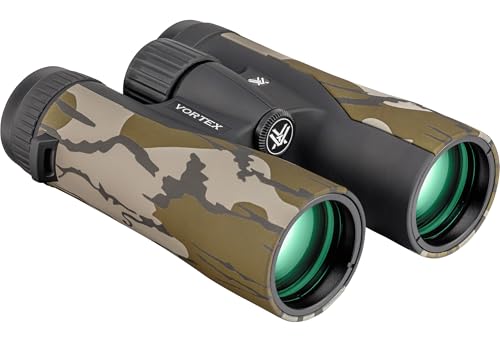
Vortex Crossfire HD 10×42 Binoculars

Vortex Diamondback HD 10×42 Binoculars

Bushnell 10x42mm Trophy XLT Binoculars

Vortex Copperhead HD 10×42 Binoculars

Steiner Marine 7×50 Binoculars
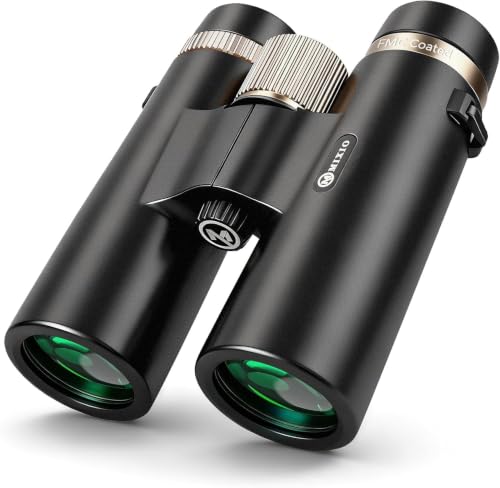
12×42 High Powered Waterproof Binoculars

10×42 High Powered Waterproof Binoculars


Aurosports 10×25 Compact Binoculars
A Breakdown Of The Leading Choices
The Crossfire HD is the kind of binocular that disappears in your hands once you’re scanning the horizon. Its 10×42 configuration, meaning 10 times magnification with 42mm objective lenses (the front glass that gathers light), gives you enough reach to read a port name across the harbor while still letting in plenty of light for dawn sailaways.
Compared to the Diamondback a few spots down, this Crossfire sits in a more approachable middle ground, with fully multi-coated lenses (multiple anti-reflective coatings on every glass surface) and a rubber-armored body that’s comfortable to grip on a slick deck. For most cruisers who want a do-it-all optic without overthinking the choice, this is the practical sweet spot.
Notable Gains
- Roof prism design keeps the body compact and slim enough to stow in a daypack.
- Fully multi-coated lenses improve color and contrast, so distant coastlines look crisp rather than washed out.
- Rubber armor protects against accidental drops on a rocking deck and improves grip in wet hands.
- Nitrogen purging and o-ring seals (internal inert-gas filling plus airtight gaskets) block sea spray and prevent internal fogging in temperature swings.
- Tripod adaptable when you want to steady the view from a fixed railing post.
Things To Consider
- Twist-up eyecups require a small learning curve if you’ve never adjusted binoculars before.
- At 10x, hand-shake is noticeable; resting against a rail improves the image considerably.
Who It Suits Best
First-time cruise-goers and casual wildlife watchers who want one reliable binocular that handles weather and casual wildlife spotting without specialized tuning.
Skip It When
Salt-spray obsessives will get more reassurance from the Steiner Marine 7×50, which is built specifically for life on the water.
The Diamondback HD takes the Crossfire formula one rung up the ladder, with select glass elements designed to cut chromatic aberration (color fringing around high-contrast edges, like a white ship against blue water) and lift overall color fidelity. On a long sea day that distinction becomes quietly obvious: distant mountains stop looking flat, and shorelines hold their detail even at the edges of the frame.
For cruisers who plan to spend hours at the rail, the Diamondback’s optical polish pays off where the cheaper Crossfire starts to feel slightly soft. The 10×42 footprint stays familiar, so there’s no learning curve if you’ve handled binoculars before.
A Strong Showing
- HD optical system delivers stronger edge-to-edge sharpness than entry-level 10×42 designs.
- Roof prism body remains slim and pocketable in a jacket or sling bag.
- Fully multi-coated surfaces push light transmission higher, helping in dim dawn or dusk conditions.
- Adjustable diopter (a small tuning ring that compensates for differences between your left and right eye) on the right eyepiece personalizes focus quickly.
- Rubber-armored chassis grips securely on damp hands and shrugs off bumps against railings.
Points To Note
- At full magnification, micro-tremors in the hands can soften the image unless braced.
- Slightly heavier than compact travel binoculars, so neck fatigue on all-day use is worth considering.
Built With In Mind
Enthusiastic cruisers and shore-hugging naturalists who spend hours scanning and want noticeably cleaner optics than entry-level options deliver.
Reach For A Different Pick When
Tight budgets lean toward the 10×42 High Powered Waterproof Binoculars from M MIXIO, which trade optical refinement for a friendlier spend.
The Trophy XLT earns its spot by doing something a lot of cruise-friendly binoculars don’t: offering a 6.2° angle of view (the angular width of the scene visible through the optics). That wider window makes tracking a flock of seabirds or a pod of dolphins feel natural, instead of chasing them around a narrow field.
Where the Vortex pair focuses on image polish, this Bushnell leans into the experience of scanning. For passengers who prefer sweeping the horizon to picking out one distant landmark, that wide-angle comfort is the real selling point.
Where It Delivers
- Wide 6.2° field of view makes moving subjects easy to follow from a swaying deck.
- Waterproof construction shrugs off spray and sudden rain squalls.
- Versatile 10×42 size handles coastlines, wildlife, and distant ships with equal comfort.
- Rugged exterior is built to handle the knocks of travel and shore excursions.
Less Ideal Details
- At 10x, the wider field helps track motion but hand-shake still shows up at full magnification.
- Optical clarity steps down slightly from the higher-tier Diamondback HD above.
Right Fit For
Wildlife-minded cruisers who want to follow seabirds, dolphins, and shoreline motion comfortably without losing subjects in a narrow frame.
Look Elsewhere When
Sharpness-focused shoppers get more out of the Vortex Diamondback HD 10×42, which prioritizes optical refinement over field of view.
The Copperhead HD slots in as Vortex’s entry into HD-grade glass without jumping all the way to the Diamondback’s level. The result is a binocular that handles color fidelity, edge sharpness, and weather sealing with surprising polish for its tier, and it lands well for casual cruisers who want real reliability.
Versus the Crossfire one slot up, this Copperhead tightens sharpness without a dramatic weight or size jump. For first-time shoppers who want Vortex-level build without premium-tier spend, this is the practical landing.
A Few Strong Suits
- HD optical system delivers cleaner color and edge detail than basic 10×42 designs.
- Waterproof, fogproof, and shockproof performance protects against spray, condensation, and the occasional drop.
- Adjustable eyecups and diopter create a personalized fit for eyeglass wearers.
- Compact roof prism body stows easily in carry-on or sling bag.
Worth Noting
- At 10x you’ll still want to brace against the rail for the steadiest image.
- Optical polish is a step below the Diamondback HD for shoppers seeking top-tier clarity.
Best Suited To
First-time cruise shoppers who want dependable weather sealing and HD-grade optics without the highest-tier spend.
A Better Fit Elsewhere
Long-distance landmark hunters should consider the 12×42 High Powered Waterproof Binoculars from M MIXIO for extra reach.
The Steiner Marine is a different animal from the rest of the list. The 7×50 setup means lower magnification (7x) paired with much larger 50mm objective lenses, which gather noticeably more light than the 42mm designs above. On overcast sea days and golden-hour sail-aways, that extra light intake is the difference between guessing at a coastline and reading it clearly.
Where the Vortex pair focuses on compact convenience, this Steiner is built for life on the water. The floating prism system and marine-grade construction make it forgiving when the deck gets wet or rough, and the lower magnification gives you a steadier handheld image at the cost of some reach.
Key Advantages
- 7x magnification is easier to hold steady than 10x for extended handheld viewing.
- 50mm objective lenses gather more light for brighter images in dim conditions.
- Sports auto focus keeps the image sharp from 20 yards to infinity without constant refocusing.
- Floating prism system uses flexible silicone mounts that absorb shock and resist water intrusion.
Trade Offs
- Larger body and heavier build, less comfortable for compact travelers.
- 7x reach is limited for distant landmarks several miles away.
Made For
Salt-spray cruisers, marine enthusiasts, and older passengers who prioritize a bright steady image and rugged construction over long-range reach.
Swap It Out When
Long-distance landmark hunters get more reach from the 12×42 High Powered Waterproof Binoculars, which sacrifice brightness for distance.
The 12×42 M MIXIO is for the cruiser who always wants just a bit more reach. Bumping from 10x to 12x doesn’t sound like much on paper, but at sea it translates into noticeably closer views of distant headlands, lighthouse markers, and the bow of a far-off cruise ship pulling into port.
Compared to the more refined Vortex optics above, this M MIXIO leans into reach and value. You give up some optical polish, but you gain a wide field of view and a body that shrugs off spray and shipboard humidity.
Real-World Strengths
- 12x magnification reaches distant coastlines, headlands, and far-off vessels.
- 303-foot field of view at 1000 yards supports scanning wide stretches of water.
- 20mm eyepieces deliver comfortable eye relief for glasses wearers.
- Waterproof construction holds up to spray and deck moisture.
Possible Compromises
- 12x amplifies shake noticeably; bracing is essential at full magnification.
- Optical refinement is a step below premium-tier glass in this category.
Perfect Match For
Landmark-spotting cruisers and shore-excursion planners who want extra magnification to read signs and details from a distance.
Consider Something Else When
Steady handheld viewing matters: the 7×50 Steiner Marine is easier to hold still for long sessions.
The 10×42 M MIXIO is the lower-spend sibling to the 12×42 above, sharing a familiar full-size footprint while trimming the magnification back to a more comfortable 10x. For casual cruisers who want the familiar feel of a traditional binocular without premium-tier spend, this is the honest budget entry.
Versus the Vortex Crossfire one slot up, this M MIXIO trades some optical refinement for a noticeably friendlier spend. You still get full-size handling, weather sealing, and a 294-foot field of view that makes scanning coastlines comfortable.
The Value In It
- 10×42 configuration is familiar and easy to handle for first-time binocular users.
- 294-foot field of view at 1000 yards supports steady scanning of shorelines.
- Waterproof construction handles spray and sea-air humidity without complaint.
- 20mm eyepieces give glasses wearers a full field without removing eyewear.
Soft Spots
- Optical clarity is a step below Vortex-tier glass in this list.
- Heavier than compact travel binoculars, so a neck strap is recommended for long sessions.
Whose Shelf It Belongs On
Casual first-time buyers and budget-conscious families who want full-size handling without overspending.
Not Your Match When
Optical polish matters most: the Vortex Crossfire HD 10×42 offers a clearer image at a modest step up.
The 15×56 monocular is the outlier on this list, and that is exactly the point. A monocular is a single-eye telescope, and 15x magnification with a 56mm objective lens puts distant landmarks, lighthouses, and far-off cruise ships right in your eyeline in a way a 10x binocular simply cannot.
Where the binocular options above split magnification across both eyes for steadier viewing, this monocular leans entirely into reach. You give up the natural feel of binocular viewing, but you get the kind of close-up that serious landmark hunters crave on a clear sea day.
Points In Its Favor
- 15x magnification pulls distant headlands, lighthouses, and ships noticeably closer.
- 56mm objective lens gathers significant light for bright, vivid views.
- BAK-4 prism (a high-grade glass prism that produces sharper images than standard BAK-7 glass) supports high-contrast image quality.
- Single-eye design is compact and lighter than a full binocular of similar reach.
- Fast focusing mechanism locks onto targets quickly.
Honest Caveats
- 15x is extremely shake-sensitive, so a railing or monopod is almost required for steady viewing.
- Single-eye viewing is less comfortable for extended use than a traditional binocular.
Who Should Grab It
Distant-landmark hunters and shore-excursion enthusiasts who want maximum reach and don’t mind single-eye viewing for short, focused sessions.
Where Another Pick Suits Better
All-day casual cruising is better served by the Vortex Crossfire HD 10×42, which delivers binocular comfort over long sessions.
The Aurosports 10×25 is the smallest binocular on the list, and for good reason. With 25mm objective lenses, it fits in a jacket pocket, weighs almost nothing, and disappears in a day bag until you need it. For travelers more interested in convenience than long-haul observation, that matters more than extra millimeters of glass.
Where the full-size picks above dominate light gathering and reach, this Aurosports leans entirely into portability. You trade significant brightness and reach for the kind of grab-and-go convenience that makes spontaneous deck viewing easy.
Everyday Perks
- Compact 10×25 frame slips into a pocket, purse, or small daypack.
- 10×25 configuration (10x magnification with 25mm front lenses) is light enough for one-handed holding.
- Stable 10x magnification keeps images steady for most casual viewing scenarios.
- Broad field of view supports tracking moving birds and shoreline motion.
Small Caveats
- 25mm objective lenses gather noticeably less light than the 42mm and 50mm designs above, so dim conditions suffer.
- Smaller body is easier to misplace in a cabin or shore-excursion bag.
Right Fit For
Casual day-bag travelers and spontaneous deck viewers who want grab-and-go convenience over long-range reach or maximum brightness.
Another Choice May Suit
Bird-watching cruisers who want better light gathering should consider the Vortex Crossfire HD 10×42 for sharper dawn and dusk viewing.
What Matters Most Before Choosing Binoculars For A Cruise
Magnification And Holding Steady
Most cruise binoculars live or die on how steady the image feels in your hands. 7x and 10x are the easiest to hold for long sessions without bracing, while 12x and 15x start to demand a railing or monopod. For older passengers or anyone prone to hand tremor, lower magnification almost always feels more comfortable.
Objective Lens Size And Light
The objective lens is the front glass that gathers light, and bigger numbers mean brighter images in dim conditions. 42mm covers most cruising needs, 50mm excels in dawn and dusk sail-aways, and 25mm sacrifices brightness in exchange for portability. Cruise itineraries with early port arrivals favor larger objectives.
Weatherproofing For Salt Air
Salt spray, deck splash, and sudden squalls all punish unprotected glass. Look for nitrogen purging with o-ring seals, which keep moisture out and prevent internal fogging. Without this, even a single spray event can leave you with clouded optics for the rest of the trip.
Field Of View And Tracking
Field of view is the width of the scene visible through the optics, usually expressed in feet at 1000 yards or as an angular degree. Wider fields make it easier to track seabirds, dolphins, and moving shorelines. Narrower fields give more detail on stationary subjects but lose fast-moving ones quickly.
Size, Weight, And Packing
A full-size 10×42 binocular is comfortable to use but takes up space in a carry-on. Compact 10×25 designs slip into a jacket but compromise on light. The honest trade-off is convenience versus optical performance, and your packing style usually decides it.
Key Considerations Across These Picks
Pitfalls Shoppers Hit
The most common mistake is buying high magnification without thinking about how it will be held. A 15x monocular sounds powerful on the spec sheet, but it demands a steady brace that not everyone has on a rocking deck. Equally common is ignoring weather sealing: salt air punishes unprotected glass quickly. Glass without nitrogen purging or o-ring seals tends to fog internally during temperature changes. Another trap is choosing the smallest, lightest binocular on the shelf without checking objective diameter, which often results in dim, unsatisfying images at dawn and dusk.
Where The Extra Money Goes
The jump from budget to mid-tier usually buys better glass coatings, which improve color fidelity and light transmission in dim conditions. Climbing from mid-tier to premium tier typically sharpens edge detail and reduces chromatic aberration (color fringing around high-contrast edges). It also tends to bring more rugged construction, better focus wheels, and longer-lasting weather sealing. Whether the upgrade is worth it depends entirely on how much time you plan to spend at the rail, and how much that time matters to you.
Frequently Asked Questions
What magnification is best for cruise binoculars?
For most cruisers, 7x to 10x offers the best balance between reach and a steady handheld image. Higher magnification pulls distant landmarks closer, though it amplifies hand-shake and usually requires bracing against a railing.
Are waterproof binoculars necessary for a cruise?
Yes, in practice. Salt spray, sudden rain squalls, and deck splash all punish unprotected glass. Nitrogen-purged, o-ring-sealed waterproofing (inert-gas filling plus airtight gaskets) prevents internal fogging and keeps the optics clear for the entire voyage.
Can I use compact binoculars on a cruise?
Compact binoculars work well for casual deck viewing and travel convenience. The trade-off is smaller objective lenses, which gather less light and produce dimmer images in early-morning and overcast scenarios.
Should I bring a monocular instead of binoculars?
Monoculars are excellent for short, focused distance viewing, and they pack smaller. For all-day casual viewing, traditional binoculars feel more comfortable because both eyes stay engaged and tracking moving subjects is easier.
Do I need a tripod for cruise binoculars?
Most cruise scenarios work fine handheld, especially at 7x to 10x. Tripods or monopods start to matter at 12x and higher, where hand-shake becomes a serious obstacle to a clean image.
Closing Remarks
Choosing binoculars for a cruise really comes down to how you spend your days at sea. Casual deck loungers get the most from a familiar 10×42 like the Crossfire or the M MIXIO 10×42. Wildlife watchers lean toward the wider Bushnell or the brighter Steiner. Landmark hunters and shore-excursion planners reach for the 12×42 M MIXIO or the 15×56 monocular. Whatever fits your itinerary, the right pair turns a glance at the horizon into something worth remembering.