Spotting a leopard in tall savanna grass or tracking a herd of elephants at dusk takes more than sharp eyes. The right optics turn a blur on the horizon into a clear, shareable memory, and the wrong pair leaves you squinting through dust and glare. This roundup gathers ten well-regarded binoculars suited to game drives, waterhole stops, and long glassing sessions from a safari vehicle.
The Leading Options At A Glance

Vortex Diamondback HD 10×42 Binoculars

Bushnell 10x42mm Trophy XLT Binoculars

Vortex Copperhead HD 10×42 Binoculars

Pankoo 20×55 Binoculars (Waterproof)
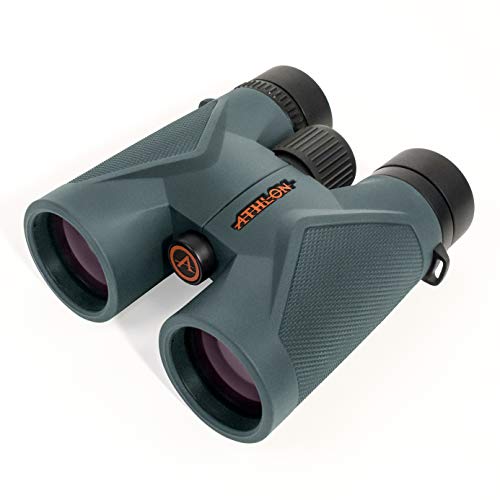
Athlon Optics 8×42 Midas UHD Binoculars

Steiner Marine 7×50 Binoculars

Pankoo 20×55 Binoculars with Phone Adapter

Vortex Crossfire HD 10×42 Binoculars

Vortex Viper HD 12×50 Binoculars

Pankoo 20×55 Binoculars (Waterproof)
The Diamondback HD is the pair you hand to a first-time safari goer and watch their face light up when a giraffe stops looking like a smudge on the horizon. Its 10×42 format strikes a practical middle ground, offering enough reach to scan acacia lines without the handshake of higher magnifications.
For travelers spending hours in a Land Cruiser, the rubber-armored chassis handles bumps and rooftop stowage reasonably well. Compared with the heavier 12×50 Viper covered later, this one stays comfortable on long game drives for most adults.
A Strong Showing
- Multi-coated optics pull in clean color during golden-hour drives
- 10x magnification reads well across mid-distance game spotting
- Armor coating absorbs the usual safari vehicle jolts
- 42mm objectives balance light gathering with manageable weight
- Wide enough exit pupil for eyeglass wearers
Things To Consider
- At 10x, hand-shake becomes noticeable without bracing on the door
- Owners commonly report the included neck strap is worth upgrading
Who It Suits Best
First-time safari travelers and casual wildlife watchers heading out on a guided East or Southern African trip.
A Better Fit Elsewhere
Reachers and long-lens lovers get more from the Vortex Viper HD 12×50 further down this list.
Bushnell’s Trophy XLT reads like a working optic built for people who don’t want to baby their gear. The 10×42 setup suits both open-bus safari drives and walking birding stops, making it a sensible all-rounder.
Where this pair separates itself is its combination of waterproof sealing and a forgiving field of view. For mixed itineraries that swap jeep game drives for boat trips or coastal birding, it handles the shifts without complaint.
Reasons It Performs
- Waterproof construction handles misty morning drives
- Generous field of view helps track moving herds
- Lightweight roof prism body fits daypack side pockets
- Solid choice for travelers who split time between safari and birding
Trade Offs
- Color contrast sits a notch below HD-tier glass in side-by-side viewing
- Lens caps are loose-fitting and easy to misplace on dusty roads
Made For
Travelers combining safari with birding or coastal excursions who want one pair for both.
Where Another Pick Suits Better
Photographers wanting phone digiscoping will find the Pankoo 20×55 with Phone Adapter a stronger fit.
The Copperhead HD punches into territory usually held by pricier binoculars, and that alone earns it a spot on any safari kit list. With HD glass elements, it pulls a clean image across dusty plains and shaded thickets alike.
Sized like the rest of the Vortex 10×42 family, it feels familiar if you’ve ever held the Diamondback. For travelers trying to balance a tight gear budget with a real safari-grade optic, the honest read is that this pair covers the bases.
What It Does Well
- HD optical path keeps edges sharp when panning across herds
- Waterproof and fogproof seals for cool dawn drives
- Adjustable eyecups accommodate glasses wearers
- Tactile grip armor survives backpack handling
- Diopter adjustment locks in for shared use on guided trips
Minor Gripes
- Slightly heavier than the Diamondback with similar glass
- Front lens coating attracts dust in dry conditions
Who Will Love This
Safari travelers wanting HD clarity without the premium price tier.
Skip It When
Wildlife spotters who prioritize brightness at dawn should look at the Steiner Marine 7×50 covered below.
Pankoo’s 20×55 trades a steadier view for serious reach, and on a wide-open savanna that trade can pay off. Spotting a lion pride in tawny grass from a kilometer away becomes genuinely possible, which is not something most 10x pairs can claim.
High magnification, often shortened to “20x” on spec sheets, brings subjects closer but amplifies every small wobble. From a moving vehicle, bracing against the door frame makes a real difference with this kind of glass.
Where It Delivers
- 20x magnification reaches distant herds and lone bulls
- 55mm objectives gather usable light at dusk
- Waterproofing keeps rain showers from cutting drives short
- Useful on vast plains like the Serengeti or Etosha
Honest Caveats
- Field of view narrows considerably, so finding fast-moving subjects takes practice
- Tripod use becomes practical on long glassing stops
- Color fidelity doesn’t match the HD-tier Vortex models
Best Suited To
Safari travelers heading to wide open terrain where distance is the main challenge.
Look Elsewhere When
Casual birders and short-range game viewing are better served by the Bushnell Trophy XLT.
The Athlon Midas UHD steps down from 10x to 8x magnification, and that choice pays dividends when you’re scanning for hours on end. ED glass (extra-low dispersion glass that reduces color fringing) keeps the image clean without weighing you down.
For travelers prone to motion sickness on bumpy roads, the steadier view at 8x can be a quiet lifesaver. The 8.1° angular field of view also helps you track a running cheetah without constant re-aiming.
Why It Works Well
- 8x magnification produces a steady image without bracing
- ED glass cuts color fringing around dark subjects
- Phase-corrected prisms sharpen contrast
- 17.2mm eye relief suits eyeglass wearers
- Wide field for tracking moving wildlife
Worth Noting
- 8x reaches a bit short for distant lone predators
- Not the lightest in its class during full-day carries
Quick Facts
Right Fit For
Safari goers who value comfort and steady views over maximum zoom during long days in the field.
Reach For A Different Pick When
Distance is your priority, and the Vortex Viper HD 12×50 brings extra reach to the same safari landscape.
The Steiner Marine brings serious light-gathering to the dawn and dusk hours when big cats are most active. A 7×50 format, where 50mm objectives feed a steady 7x magnification, is a classic for low-light wildlife work, and Steiner has refined the recipe over many product generations.
Compared to the lighter 10×42 Vortex pair, this one weighs more in the hand but rewards that weight with bright, contrasty images when the sun is barely above the horizon. For waterhole stops and evening drives, that matters more than raw reach.
What Stands Out
- 50mm objectives pull in usable light at dawn and dusk
- Sports auto-focus keeps subjects clear without constant adjustment
- Floating prism system absorbs shocks from rough roads
- Waterproof for boat trips and coastal add-ons
Softer Spots
- Bulkier than 42mm formats for day-long carry
- 7x magnification limits long-distance identification
Built With In Mind
Safari travelers prioritizing low-light performance and willing to carry extra weight for brighter glass.
A Better Fit Elsewhere
Lightweight packers may prefer the Athlon Midas UHD covered earlier in this roundup.
The same 20×55 platform paired with a phone adapter opens a different door: digiscoping. Holding your phone over the eyepiece turns these binoculars into a long-reach photography setup, which appeals to travelers building content during their trips.
For travelers who want shareable shots of distant elephants without hauling a telephoto lens, the adapter turns a budget binocular into a workable wildlife camera rig. The 1200-yard field of view claim is best treated as a generous ceiling.
Everyday Advantages
- Phone adapter enables digiscoping through the optic
- BAK4 prisms support clean color reproduction
- 20x magnification reaches far subjects for photo capture
- FMC green coating supports low-light use
Practical Considerations
- Adapter alignment takes patience in the field
- Hand-held 20x shots benefit from bracing or a monopod
Perfect Match For
Safari travelers who post trip photos and want to extend their phone camera’s reach without a separate lens.
Not Your Match When
Glass-first travelers who care more about pure optical clarity should consider the Vortex Diamondback HD 10×42 instead.
The Crossfire HD sits at the entry point of Vortex’s HD family, which makes it a comfortable starter optic for casual safari use. The included GlassPak harness adds real value for travelers who want quick deployment from a chest rig.
Sitting below the Diamondback in the lineup, it shares the 10×42 format but trims a few premium touches. For travelers who want HD resolution without overthinking their kit, it covers the basics well.
Advantages To Know
- HD optical system improves edge sharpness over standard glass
- GlassPak harness distributes weight comfortably
- Multi-coated lenses support bright daytime use
- Reliable Vortex build quality for the price tier
Points To Note
- Low-light performance trails the Steiner Marine 7×50
- Eyecups are basic compared to higher-tier Vortex models
Feature Card
Whose Shelf It Belongs On
Casual safari travelers and beginner wildlife watchers looking for a trustworthy HD starter optic.
Swap It Out When
Low-light performance matters more than daytime reach, and the Steiner Marine 7×50 serves that case better.
The Viper HD 12×50 is the pair serious wildlife spotters reach for when distance and clarity both matter. Bumping magnification from 10x to 12x and the front lens to 50mm brings noticeable reach without going full spotting-scope territory. For travelers who weigh every gram in their pack, it remains manageable for the power it delivers.
The trade-off lives in the handshake, since 12x magnifies every small wobble. From a stable safari vehicle or with a monopod, it pulls in details that 10x pairs miss, and the HD optical system preserves contrast across the frame.
A Favorable Mix
- 12x magnification reaches far subjects cleanly
- 50mm objectives support low-light use
- HD glass system preserves color fidelity
- GlassPak harness included for field carry
- Compact enough for full-size carry-on luggage
Less-Strong Areas
- Bracing becomes almost required at 12x
- Heavier than 42mm formats during long walking safaris
- Field of view narrows versus the 10x Vortex models
Feature Card
Who Should Grab It
Serious wildlife spotters prioritizing reach, especially on open savanna where every kilometer counts.
Where A Sibling Pick Shines
Travelers who want steadier handheld viewing should consider the Athlon Midas UHD 8×42 covered earlier.
Pankoo’s waterproof 20×55 rounds out the list as an accessible entry to high-magnification safari viewing. For travelers trying safari for the first time and unsure how often they’ll use the optic, this pair keeps the entry price approachable.
The BAK4 prisms (a high-grade glass prism that transmits more light than standard types) and FMC lenses deliver respectable clarity for the tier, though the optical quality trails the HD Vortex models covered earlier. For daytime game drives, the gap closes noticeably.
A Few Strong Suits
- 20x magnification reaches across wide plains
- Waterproof build for unpredictable weather
- BAK4 roof prisms support clean light transmission
- Approachable cost for first-time safari travelers
Some Limits To Know
- Color contrast is gentler than HD-tier competitors
- 20x demands bracing or a stable rest for sharp views
- Build quality won’t match premium-tier seals over years of hard use
Feature Card
Right Fit For
First-time safari travelers testing the waters without committing to a premium optic upfront.
Consider Something Else When
Long-term safari use is on the table, and the Vortex Crossfire HD 10×42 covered earlier is a more durable long-term choice.
What Matters Most Before Choosing Binoculars For Safari Viewing
Safari viewing puts unusual demands on optics. The combination of long-distance subjects, harsh sun, dust, and sudden weather changes narrows the field of practical choices.
Magnification and objective lens size shape the experience more than any other spec. A 10×42 format offers a versatile middle ground, while 8×42 prioritizes steadiness, and 12×50 or 20×55 push reach at the cost of stability. For most travelers, 8x or 10x covers 90% of what game viewing demands.
Optical coatings determine how the glass performs in bright sun. Fully multi-coated lenses (where multiple anti-reflective coatings are applied to every air-to-glass surface) handle midday glare better than single-coated alternatives, and HD or ED glass elements reduce color fringing around dark subjects like buffalo silhouettes against the sky.
Field of view matters when tracking moving herds or a running cheetah. Higher magnification narrows the field, so picking glass that balances reach and width depends on whether you mostly watch or scan.
Weather sealing protects against morning mist, sudden showers, and dust ingress. Waterproof and fogproof binoculars hold their optical alignment far longer than unsealed units in tough conditions.
Where Shoppers Go Wrong
Picking maximum magnification first leads to shaky, hard-to-use views on moving vehicles. Reach matters only when the image is steady enough to interpret.
Ignoring weight and ergonomics turns a great optic into a door hanger. Safari drives mean hours of holding, and heavier 50mm formats can wear out shoulders on long days.
Skipping weather sealing for a cheaper price often backfires within a season of dust and rain. Sealed optics last longer and hold their resale value.
What The Higher Tier Buys
Premium optics add HD or ED glass elements that cut color fringing and improve edge sharpness. You see the difference around high-contrast edges, like a dark animal against bright grass.
Better sealing, armor, and mechanical focus systems improve long-term durability. After years of handling, premium builds hold optical alignment where budget pairs can drift.
Lighter chassis designs make longer carries possible. Premium-tier roof prism bodies shave meaningful weight, which matters on walking safaris or long vehicle transfers.
Key Considerations Across These Picks
Mistakes Worth Dodging
Many first-time safari goers over-prioritize magnification and end up with shaky, hard-to-interpret views. A 10×42 format covers most game-drive scenarios better than 20×55, unless distance is the main challenge.
Another common slip is ignoring the harness and carry system. Long days in the field punish uncomfortable straps, and a good chest rig or padded case keeps the optic accessible when a sighting happens without warning.
Why Top Tier Costs More
The premium tier in safari optics brings better glass elements, tighter mechanical tolerances, and more consistent waterproof sealing. You see it in edge sharpness during wide pans and in how the optic holds its alignment after years of temperature swings. For travelers taking one or two safaris a year, mid-tier optics deliver most of the experience.
Frequently Asked Questions
What magnification works best for safari viewing?
For most safari viewing, 8x or 10x magnification covers the vast majority of sightings with steady, easy-to-interpret views. Higher magnifications like 12x or 20x reach farther but require bracing or a stable rest.
Are waterproof binoculars necessary for a safari?
Waterproof and fogproof binoculars hold up far better against morning mist, sudden rain, and dust. Sealed optics also survive the temperature swings between air-conditioned vehicles and hot savanna air.
Can phone adapters really take good safari photos?
A phone adapter over a binocular eyepiece, often called digiscoping, can produce shareable photos in good light. The technique takes practice to align the phone, and results depend heavily on holding the optic steady.
How much should you spend on safari binoculars?
Mid-tier optics in the 10×42 format deliver most of the safari experience without premium-tier pricing. Serious spotters who spend many days in the field benefit most from upgrading to HD glass and tighter weather sealing.
Do heavier binoculars mean better optics?
Not necessarily. Lens quality and coatings matter far more than weight, though heavier 50mm formats do pull in more low-light detail. For day-long carry, lighter 42mm formats are often the more comfortable choice.
Closing Remarks
The right safari binoculars depend on where you go and how you travel. Reach favors wide-open plains, while steadiness suits long game drives. Match the format to the terrain and trust your own hands to pick the weight you’ll carry comfortably.