Spotting a leopard in dry brush at golden hour, or sorting lions from shadows at the edge of a waterhole, comes down to your glass. The right binoculars sharpen distant detail without weighing down your neck on a long game drive, and the wrong pair turns magical moments into squinted guesses. This lineup covers proven safari workhorses, ultralight travel companions, and budget options that still hold up under African sun. Each pick addresses a different traveler profile, from first-time safari-goers to repeat visitors chasing specific bird species.
A Closer Look At The Lineup

Vortex Triumph HD 10×42 Binoculars

Bushnell 10x42mm Trophy XLT Binoculars

Nocs Provisions Field Issue 10×32 Binoculars

Steiner Marine 7×50 Binoculars
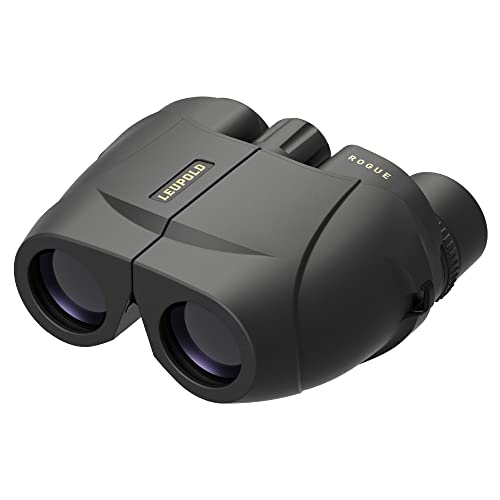
Leupold BX-1 Rogue 10x25mm Binoculars
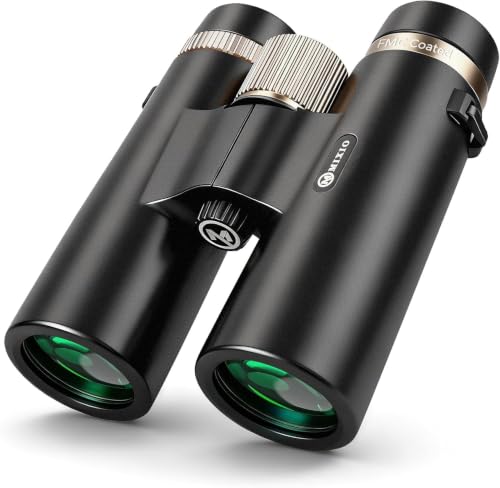
M MIXIO 12×42 Binoculars

M MIXIO 10×42 Binoculars

Vortex Crossfire HD 10×42 Binoculars

M MIXIO 15×56 Monocular Telescope
A Breakdown Of The Leading Choices
For travelers who plan a single serious investment before a once-in-a-lifetime safari, the Vortex Triumph HD 10×42 sets a sensible starting line. The 10x magnification (how much closer a subject appears, with higher numbers meaning stronger zoom) pulls distant elephants into view across open plains, while the 42mm objective lenses (the front glass that gathers light) keep images bright during dawn and dusk drives when big cats move.
Fully multi-coated optics mean each air-to-glass surface carries an anti-reflective layer, which improves clarity and color accuracy. A sealed, fog-proof housing shrugs off the temperature swings between cold morning game drives and warm afternoon interiors. For most safari-goers, this pair hits the sweet spot of optical quality and manageable weight.
Bright Spots
- HD optical system delivers sharp detail at long distances.
- Sealed and fog-proof housing handles temperature swings from air-conditioned vehicles to midday heat.
- Adjustable eyecups and a diopter (a small focus ring that corrects the difference between your eyes) let you fine-tune for comfort during long sightings.
- Rugged rubber armor absorbs bumps when stowed in the vehicle.
Points To Note
- 10x magnification amplifies hand tremor; bracing against the vehicle door helps steady the view.
- Larger 42mm objective makes these heavier than compact 32mm options for all-day carry.
Who It Suits Best
First-time safari travelers who want one reliable pair that handles most viewing distances across varied terrain.
Swap It Out When
Light-packers minimizing weight should consider the Nocs Provisions Field Issue 10×32 instead.
Where the Vortex Triumph leans into premium construction, the Bushnell Trophy XLT trades some refinement for a wider field of view. A wider field of view (the width of the area visible at a set distance) makes tracking moving animals, like a sprinting cheetah or a flock of guineafowl, considerably easier. You spend less time hunting for the subject and more time watching behavior.
The 10×42 configuration remains the classic safari workhorse, balancing reach and light gathering. Waterproof construction holds up against unexpected rain showers, which arrive fast on the savanna. For group safaris where multiple people take turns at the window, the forgiving view helps beginners find their subject.
The Value In It
- Wide angle of view simplifies finding and following fast-moving wildlife.
- 10×42 sizing suits most safari scenarios without specialized knowledge.
- Waterproof and fog-proof construction handles morning dew and brief showers.
- Reasonable weight for full-day carry on extended drives.
Things To Weigh
- Optical clarity doesn’t quite match the Vortex Triumph HD at the edges.
- Rubber armor is grippy but collects dust on dry drives.
Key Specs
Built With In Mind
Group safari travelers and families who hand binoculars back and forth across the vehicle.
Look Elsewhere When
Travelers chasing the sharpest edge-to-edge clarity should compare the Vortex Crossfire HD 10×42.
Safari vehicles rarely offer generous storage, and a heavy pair dangling from your neck grows tiresome by the third drive. The Nocs Provisions Field Issue trims weight where it counts, using a 32mm objective (smaller front lenses that gather less light but cut bulk) instead of the more common 42mm. At roughly 16.7 ounces, you barely notice them on a lanyard.
Despite the compact body, the optics use fully coated lenses (each glass surface treated with an anti-reflective coating to boost light transmission) and a Bak4 prism (a high-grade glass prism inside binoculars that improves light transmission and image clarity). The oversized focus wheel makes on-the-fly adjustments quick when the herd moves.
Everyday Wins
- Lightweight body reduces neck fatigue on full-day drives.
- Bak4 prism and fully coated optics deliver respectable image quality for the size.
- Oversized focus wheel allows fast adjustments when subjects shift.
- Compact form stows in a daypack alongside a field guide and water bottle.
Trade-Offs To Consider
- Smaller 32mm lenses gather less light than 42mm alternatives, so dawn and dusk viewing looks dimmer.
- 10x magnification in a compact body still magnifies handshake.
Feature Snapshot
Made For
Travelers prioritizing low weight and packability over maximum low-light performance.
Consider Something Else When
Early-morning and late-evening game drives benefit from the Vortex Triumph HD 10×42’s larger objective.
Steiner’s Marine series originally served mariners, but the 7×50 format translates surprisingly well to safari viewing. The lower 7x magnification steadies the view for older eyes or anyone with handshake concerns, while the generous 50mm objectives pull in ample light for low-light situations. On an Okavango Delta mokoro ride or a boat crossing, the floating body is a genuine safety net.
The Sports Auto Focus system keeps images sharp from about 20 yards to infinity, eliminating a chore during fast-paced viewing. That said, the larger body and heavier build makes them less practical for travelers planning long vehicle-based drives where weight matters.
Standout Benefits
- Floating prism system means a drop in water isn’t catastrophic.
- 7x magnification steadies the view for users with shaky hands.
- 50mm objectives gather strong light for dawn and dusk viewing.
- Sports Auto Focus reduces fiddling once set for your eyes.
Honest Caveats
- Bulkier and heavier than standard 10×42 safari picks.
- Lower magnification won’t reach the most distant subjects.
Quick Facts
Best Suited To
Travelers heading to water-heavy regions or boat-based safaris where flotation adds real value.
Reach For A Different Pick When
Land-based game drives benefit from the lighter, more compact Nocs Provisions Field Issue 10×32.
The Leupold BX-1 Rogue 10x25mm solves a problem many travelers overlook: what to bring as a backup pair. Luggage gets delayed, primary binoculars get lost, and a compact spare saves the trip. These fit easily in a jacket pocket, a daypack side pocket, or even a large coat pocket.
The 25mm objectives keep the body tiny, accepting reduced low-light ability in exchange for genuine pocketability. The inverted Porro prism design (a prism arrangement that folds the optical path for a wider, more three-dimensional view) is a classic choice for compact binoculars, delivering a wider depth feel than slimmer roof-prism designs.
The Good Stuff
- Genuine pocket-sized body for backup or casual use.
- Leupold’s Advanced Optical System delivers glare reduction in harsh sun.
- Lightweight build barely registers in luggage weight.
- 10x magnification still pulls in distant subjects.
Softer Spots
- 25mm objectives gather less light, so dawn viewing suffers.
- Compact body is harder to hold steady for extended sessions.
Perfect Match For
Travelers wanting a backup pair or a casual companion for short walks outside the main game drives.
A Better Fit Elsewhere
For dedicated full-day safari glassing, the Vortex Crossfire HD 10×42 serves more reliably.
Most safari binoculars cap at 10x, but the M MIXIO 12×42 pushes magnification further for travelers who specifically want to pull in distant birds or scan ridgelines for resting lions. The 12x pulls closer views of subjects that are typically too distant for standard 10x optics to resolve detail.
The trade-off shows up in stability. Higher magnification amplifies every tremor, so bracing against the vehicle or using a monopod (a single-legged support for steadying optics) becomes almost essential. The 42mm objective helps keep brightness reasonable despite the stronger zoom.
Everyday Perks
- 12x magnification reaches distant subjects beyond standard safari binos.
- 42mm objective keeps light gathering competitive.
- Waterproof housing handles unpredictable weather.
- 20mm eyepieces deliver comfortable eye relief (the distance your eye can sit from the lens while still seeing the full image) for glasses wearers.
Where It May Fall Short
- 12x magnification exaggerates hand shake; a stable rest improves the experience.
- At 1.3 lb, this pair weighs more than typical compact safari options.
Spec Overview
Whose Shelf It Belongs On
Bird-focused travelers and wildlife enthusiasts prioritizing reach over handheld comfort.
Where Another Pick Suits Better
Generalist safari-goers benefit more from the steadier view of the Vortex Triumph HD 10×42.
Not everyone wants to invest heavily in safari optics, especially on a first trip. The M MIXIO 10×42 sits at the accessible end of the safari binocular market while keeping the classic 10×42 configuration most travelers already know. You get the right magnification and a usable objective size without overpaying.
The 20mm eyepieces provide decent eye relief for glasses wearers, and the waterproof housing covers the essentials. For travelers who want functional safari glass without premium-tier cost, this pair handles the basics competently.
Strengths Worth Knowing
- Accessible price point for first-time safari-goers.
- Classic 10×42 sizing familiar to most travelers.
- Waterproof construction covers the basics.
- 294 ft field of view at 1000 yd is workable for general scanning.
Possible Compromises
- Optical coatings and glass quality sit below premium brands.
- Edge sharpness may soften compared to the Vortex Crossfire HD.
Who Should Grab It
Travelers on a first safari who want functional optics without the premium price tag.
Skip It When
Sharpness and long-term durability matter more; the Vortex Crossfire HD earns its higher cost.
Vortex’s Crossfire HD has earned a loyal following among outdoors-minded shoppers, and the 10×42 configuration deserves its reputation. The HD optical system uses select glass elements (lenses made from specially formulated glass that reduces distortion and color fringing) to minimize color fringing (chromatic aberration, where colors separate at high-contrast edges). The included harness keeps the binoculars against your chest for quick deployment.
Unlike the Triumph HD above, the Crossfire HD includes the GlassPak harness in the box. That matters more on bumpy roads where a neck strap lets the binoculars swing uncomfortably. For most safari travelers, this pair balances performance and practical accessories well.
Notable Upsides
- HD optics with select glass elements reduce color fringing at high-contrast edges.
- GlassPak harness included for quick deployment and protection.
- 10×42 sizing suits most safari scenarios.
- Rugged construction handles rough travel.
Small Caveats
- Slightly heavier than compact alternatives for travelers counting every ounce.
- 10x magnification still benefits from a steady rest for the sharpest image.
Feature Card
The Right Fit
Travelers who want a complete safari-ready setup with harness included right out of the box.
Not Your Match When
Ultralight packers should look at the Nocs Provisions Field Issue 10×32 for weight savings.
A monocular (a one-eyed version of binoculars) trades the second barrel for serious reach in a smaller package. The M MIXIO 15×56 delivers 15x magnification through a 56mm objective, pulling in subjects that standard 10x binoculars leave too distant to identify. The single-eye design fits in a coat pocket when collapsed.
The catch is the learning curve with one-eyed viewing, plus the high magnification’s sensitivity to tremor. A tripod or monopod becomes useful for prolonged sessions. The Bak4 prism and claimed light transmittance support low-light performance, useful at dawn.
Everyday Advantages
- 15x magnification reaches the farthest wildlife targets.
- Compact monocular form stows smaller than full binoculars.
- Bak4 prism supports decent light transmission.
- HD optics target reduced chromatic aberration.
Practical Considerations
- One-eyed viewing takes adjustment for binocular users.
- 15x magnification demands a stable rest for sharp images.
Who Will Love This
Travelers who want maximum reach in a minimum-size package and don’t mind one-eyed viewing.
Where A Sibling Pick Shines
For comfortable binocular viewing with steadier handling, the Vortex Crossfire HD 10×42 is easier on most travelers.
Choosing Safari Glass That Earns Its Weight
Magnification And Objective Lens Balance
The two numbers stamped on every binocular tell most of the story. The first is magnification (how much closer subjects appear), and the second is the objective lens diameter in millimeters. A 10×42 pair offers 10x zoom with 42mm front lenses, a combination that gathers enough light for varied conditions while keeping the body manageable. Higher magnification sounds appealing, but anything above 10x amplifies hand shake noticeably. Lower magnification produces steadier views but limits how far you can resolve detail.
Weight And Ergime For Long Drives
A typical safari day involves six to eight hours in a vehicle, often bouncing along dirt roads. A heavy pair around your neck adds up fast. Compact 32mm objectives trim ounces but sacrifice low-light ability. Consider how you’ll carry them: a harness distributes weight across shoulders and back, a neck strap keeps them accessible but adds strain, and a chest-mounted setup keeps them secure on rough terrain.
Weather Sealing And Durability
African conditions punish optics. Dust finds every seam, morning dew collects on lenses, and sudden rain appears without warning. Look for waterproof and fog-proof construction, which means the housing is sealed against moisture and purged of air to prevent internal fogging. Rubber armor absorbs minor bumps when the vehicle hits a rut. Real-world durability matters more than maximum magnification in this environment.
Matching The Binocular To Your Safari Style
Different trips call for different priorities. A walking safari in Rwanda benefits from lighter, compact pairs. A vehicle-based trip across the Serengeti rewards fuller-size binoculars with wider objectives. Bird-focused travelers want higher magnification and quality coatings. First-time safari-goers typically find 10×42 the most forgiving starting point.
Key Considerations Across These Picks
Common Buying Slip Ups
A frequent mistake is prioritizing magnification without considering stability. Stronger zoom amplifies every tremor, turning sharp optics into frustrating blurs without a steady rest. Another pitfall is choosing the smallest, lightest pair to save weight, only to find low-light performance too dim for dawn drives. Safari travelers also sometimes overlook harness and strap quality, ending up with binoculars that swing uncomfortably on bumpy roads.
Why Top Tier Costs More
Premium safari binoculars earn their higher cost through superior glass, better optical coatings, and tighter quality control. Higher-tier models deliver sharper images across the full frame, stronger low-light performance, and longer-lasting weather sealing. The upgrade pays off most for travelers who spend long hours observing, photograph through their optics, or visit regions with challenging lighting. For a single short trip, mid-range pairs handle the job without breaking the budget.
Frequently Asked Questions
What Magnification Works Best For African Safaris?
The 10x configuration suits most safari scenarios, balancing reach with steady handheld viewing. Lower 7x or 8x magnification steadies the view but limits distant detail. Higher 12x and beyond pulls in far subjects but demands a stable rest for sharp images.
Are Compact 32mm Binoculars Enough For Safaris?
Compact 32mm binoculars work for daytime viewing and travelers prioritizing weight savings. Dawn, dusk, and overcast conditions favor larger 42mm objectives that gather more light. Consider your itinerary’s typical drive times when deciding between compact and full-size.
Do I Need Waterproof Binoculars For Africa?
Waterproofing protects against unexpected rain, morning dew, and dust intrusion during dry drives. Most safari-grade binoculars include sealed construction. Non-waterproof pairs risk internal fogging and damage when humidity changes between air-conditioned vehicles and outdoor heat.
What Is Eye Relief And Why Does It Matter?
Eye relief is the distance your eye can sit from the eyepiece while still seeing the full image. Longer eye relief helps glasses wearers see the complete field of view. Shorter eye relief forces you to press close, which is tiring over long viewing periods.
Closing Remarks
The right binoculars turn distant shapes into memories you carry home. Match your pair to your itinerary, your physical comfort, and the light conditions you’ll actually face. A 10×42 workhorse suits most travelers, while specialized formats serve specific priorities. Take your time comparing the details, and your glass will reward every game drive.