A good tent shouldn’t cost as much as your hiking boots. Plenty of sub-budget shelters handle rain, wind, and three-season conditions without the premium price tag, but the cheap end of the market is littered with flapping nylon and bent poles. Finding cheap backpacking tents that actually keep you dry requires sorting weight, weather rating, and packed size against how you’ll really use them.
The ten shelters below cover solo missions, duo trips, family weekends, and backyard practice runs. Each one earns its spot for a specific reason, from ultralight packability to instant pop-up convenience. Read on for what fits your route, your budget, and your tolerance for setup time.
Your Options, Compared

Coleman Kids Wonder Lake Tent with Rainfly

ALPS Mountaineering Lynx 2-Person Tent

ALPS Mountaineering Lynx 1-Person Tent
Kodiak Canvas Flex-Bow Deluxe Tent
Kelty Late Start 4-Person Tent

ALPS Mountaineering Zephyr 2-Person Tent

High Peak South Col 3-Person Backpacking Tent
Coleman Sundome 2-Person Tent

Gazelle T4 Pop-Up Camping Tent

Dragoon Unlimited Ridgeback One-Person Tent
More On The Choices That Made The List
The Wonder Lake earns its spot by treating first-time campers like they matter. Polyester fabric, welded corners, and inverted seams do the quiet work of keeping rain out, while a full-coverage fly adds a second layer of protection on damp nights. Setup takes around ten minutes, which feels forgiving when small hands want to participate.
The glow-in-the-dark accents are a clever touch for sleepovers and backyard sessions, and the 7-by-4-foot floor fits two kids comfortably, or one parent plus gear. Compared with the ALPS Mountaineering Lynx 2-Person, this Coleman is less of a trail shelter and more of an introduction to sleeping outside. For most backyards, that’s exactly the right register.
What Works In Its Favor
- Frame tested against 35+ mph winds in manufacturer claims, giving you real headroom for gusty evenings.
- Welded corners and inverted seams keep seams drier than typical stitched construction at this tier.
- 3-foot center height lets small campers sit up without ducking, which matters more than it sounds.
- Included carry bag simplifies storage and keeps the tent ready between trips.
Worth Bearing In Mind
- The 3-foot peak means most adults will crouch or crawl inside.
- Polyester construction is weather-resistant but not a winter tent; you may find it underbuilt for shoulder-season cold.
Who It Suits Best
Families introducing young kids to camping, or anyone setting up a guest shelter for visiting nieces and nephews.
Consider Something Else When
The ALPS Mountaineering Lynx 2-Person Tent makes more sense if adults will be the primary occupants on real trail miles.
ALPS Mountaineering’s Lynx is the kind of tent that quietly overdelivers for entry-level backpackers. Aluminum poles (the metal alloy commonly used for its light weight and strength) replace the fiberglass you find on many entry-level tents, which keeps packed weight manageable and resists brittleness on cold mornings. The freestanding rectangular dome pitches with pole clips that snap into place, so two people can have camp set up before the coffee boils.
Half-mesh walls on each side set this shelter apart from its Taurus sibling, pushing more air through the tent on humid nights. For weekend loops and intro backpacking, the Lynx hits a comfortable middle ground between the ultralight Dragoon Ridgeback and the family-sized Kodiak Flex-Bow.
Good Reasons To Consider
- Aluminum poles cut weight without pricing the tent out of reach for casual hikers.
- Mesh side panels improve airflow compared with fully fabric-walled budget tents.
- Freestanding design means you can reposition the tent on flat ground without re-staking.
- Pole clips speed up setup compared with sleeve-style pole attachments on older designs.
Points To Keep In Mind
- Two-person ratings tend to feel tight for two adults plus packs; you’ll want the vestibule space for boots and bags.
- Owners commonly report needing to re-tension guylines after the first big rain.
Made For
First-time backpackers who want a durable shelter without committing to premium pricing.
Skip It When
The ALPS Mountaineering Lynx 1-Person Tent is a better fit when you’re regularly hiking solo and want to cut packed weight.
Solo backpackers who want real livability without paying for sub-two-pound ultralight fabrics find a sweet spot here. The Lynx 1 carries the same aluminum-pole DNA as its bigger sibling but shrinks the footprint to a single-occupant shelter, which means a smaller packed size in your pack and a faster pitch after a long day on the trail.
Mostly mesh walls let air move through the tent, so condensation stays manageable on cool nights near rivers. The aluminum frame handles wind better than the fiberglass poles you find on many comparably priced solo tents. Versus the Dragoon Ridgeback reviewed later, the Lynx 1 trades true ultralight weight for a roomier interior and better ventilation.
Benefits That Matter
- Extra-large #8 zippers (a heavier tooth size built for durability and snag resistance) on door and vestibule make entry easier in the dark.
- Freestanding aluminum setup lets you reposition the tent without re-staking every time.
- Mesh-dominant walls cut condensation on humid three-season trips.
- Compact packed profile suits thru-hikers building weekly mileage.
Trade-Offs To Consider
- Single-wall mesh design feels exposed in shoulder-season cold snaps.
- One-person floor plans are tight if you carry a pack and a dog.
Right Fit For
Solo backpackers and thru-hikers who want genuine trail performance without premium weight.
Reach For A Different Pick When
The Dragoon Unlimited Ridgeback One-Person Tent serves you better if every ounce in your pack matters and you want a bivy-style footprint.
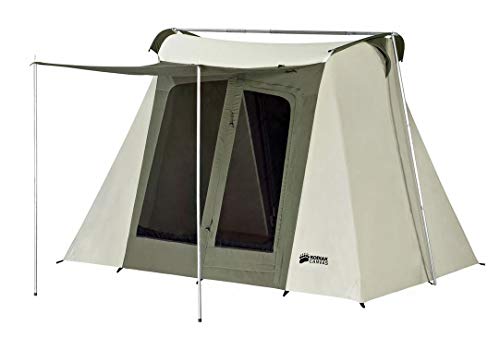
Kodiak’s Flex-Bow sits at the opposite end of the spectrum from the rest of this roundup. Hydra-Shield cotton duck canvas (a tightly woven cotton fabric treated to repel water while still letting the material breathe) replaces nylon, which keeps the interior quieter in temperature swings and far more breathable on hot summer afternoons. Two D-shaped doors on opposite ends let you walk through the shelter without crawling over a tentmate.
A 6’1″ ceiling means most adults can stand upright to change clothes, which is a luxury most backpack tents skip. The Flex-Bow frame keeps the canvas taut, and one person can usually pitch the tent in a reasonable window. Where the Kelty Late Start 4P prioritizes quick setup, the Kodiak prioritizes long-term comfort at a fixed camp.
A Few Strong Suits
- Cotton duck canvas handles sun exposure and temperature swings far better than thin nylon.
- Two large D-shaped doors with #10 YKK zippers (a premium Japanese zipper brand known for smooth action) make entry and exit easy.
- No-see-um mesh windows (extra-fine insect netting that blocks tiny biting midges) keep airflow high without inviting bugs inside.
- 9-by-8-foot floor suits family weekends, base camps, and shoulder-season hunting trips.
Some Limits To Know
- Canvas weight rules this tent out for any trip where you’ll carry it on your back.
- Owners commonly report needing to dry the canvas fully before long-term storage to prevent mildew.
Whose Shelf It Belongs On
Car campers, base-camp families, and hunters running cool-season stays who keep the vehicle close.
Not Your Match When
The Kelty Late Start 4P serves you better if you’ll be carrying your shelter any distance from the car.
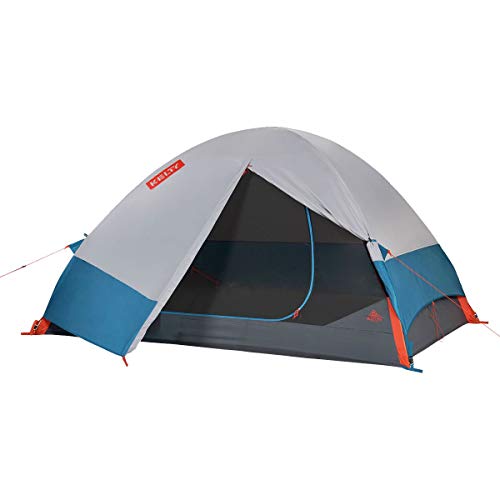
Kelty’s Quickcorner technology is the headline feature, designed to make pitching a four-person tent fast, even after sundown. Pre-bent aluminum poles give the tent steeper walls, which translates to more usable interior space and a roomier feel than flat-walled competitors. The aluminum frame keeps packed weight lower than fiberglass alternatives at this capacity.
Waterproof polyester fly coverage keeps rain off the body of the tent, and the overall design targets weekend campers who arrive late and don’t want to fight poles in the dark. Compared with the Kodiak Flex-Bow, the Late Start trades canvas comfort for genuine packability and faster setup.
The Good Stuff
- Quickcorners let you set up quickly even in suboptimal light or weather.
- Pre-bent poles create steeper walls and more standing room inside.
- Aluminum frame balances light weight against the cost barrier of carbon fiber.
- Four-person capacity comfortably fits a small family plus gear.
Honest Caveats
- The four-person rating is generous; two adults plus gear is more realistic for comfortable sleeping.
- Polyester fly needs re-tensioning in cold weather as the fabric tightens.
Feature Snapshot
Best Suited To
Late-arriving weekend warriors and campers who value setup speed over ultralight weight.
A Better Fit Elsewhere
The Kodiak Canvas Flex-Bow Deluxe Tent makes more sense for car campers prioritizing long-term comfort over quick pitch time.
The Zephyr targets warm-weather backpackers with one clear priority: airflow. Full mesh walls push air across the tent body from multiple angles, which matters when humidity turns a tent into a sauna at midnight. Pre-bent aluminum poles create the same steeper walls and extra headroom you see on the Kelty Late Start, but the mesh-dominant design favors heat dissipation.
Polyester construction and aluminum hardware keep the price approachable without sacrificing the livability upgrades that distinguish premium tents. Where the ALPS Lynx 2-Person is the all-around pick, the Zephyr specializes for the conditions where you need air moving through the shelter more than you need warmth retention.
Advantages To Know
- Full mesh walls maximize airflow for hot, sticky summer backpacking.
- Pre-bent poles create steeper walls and better headroom than flat-walled designs.
- Aluminum pole frame keeps weight reasonable for backpacking distances.
- Mesh layout doubles as stargazing mode on dry, clear nights.
Practical Considerations
- Mesh-dominant walls offer limited insulation on cold nights.
- You’ll want to seal the tent tighter for shoulder-season trips below 50°F.
Who Should Grab It
Summer backpackers in the Southeast, Midwest, and any humid climate where condensation ruins sleep.
Another Choice May Suit
The ALPS Mountaineering Lynx 2-Person Tent fits better when you camp across more seasons and want a balance of airflow and warmth.
The South Col pitches as a versatile mid-capacity shelter that won’t punish your back on the way to camp. At 9.7 pounds, this tent handles small-group treks where you need one shelter for two to three people without splitting into multiple tents. Setup uses included stakes and poles, and the freestanding design plays nicely with rocky or root-bound tent pads.
Water-resistant nylon construction keeps the body of the tent dry through standard three-season weather, though serious mountaineering conditions call for heavier-duty four-season shelters. Versus the Gazelle T4 reviewed below, the South Col carries weight you’d actually hike with, where the Gazelle demands car-camping weight.
Real Benefits
- Three-person capacity suits small groups splitting gear across one shelter.
- 9.7-pound packed weight stays reasonable for short backpacking trips.
- Water-resistant materials handle light-to-moderate rain without extra fly coverage.
- Included stakes and poles simplify packing for first-time owners.
Potential Drawbacks
- Three-person rating is tight for three adults; two plus a child is more comfortable.
- Nylon body requires seam-sealing maintenance over years of use.
Perfect Match For
Small-group backpackers and weekend hikers who want one shelter instead of multiple solo tents.
Where A Sibling Pick Shines
The Kelty Late Start 4P serves you better if you regularly roll into camp late and want faster pitch time at four-person capacity.
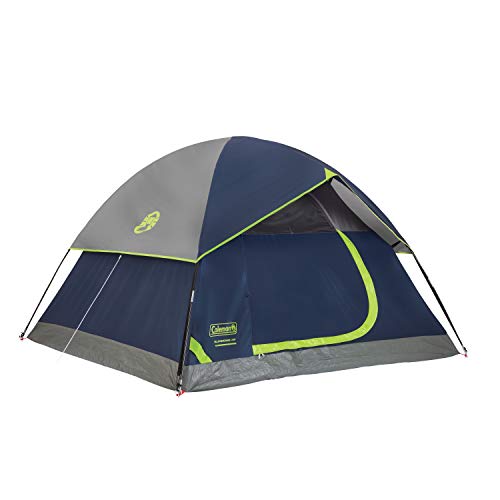
The Sundome is the tent most people picture when they picture budget camping. Coleman’s WeatherTec system layers welded floors, inverted seams, and protected zippers to keep rain out, and the continuous pole design (where a single pole threads through sleeves rather than multiple joined segments) simplifies pitching compared with older tent geometries. Setup takes minutes even for first-time owners, which is a real win for occasional weekend trips.
The 2-person classification works for solo campers who want storage space or for couples keeping packs inside. Where the Kelty Late Start targets families with four-person capacity, the Sundome handles solo or duo weekend loops with rain performance you can trust in shoulder seasons.
Real-World Strengths
- WeatherTec rain system layers protection through welded floors and inverted seams.
- Continuous-pole design speeds up setup compared with multi-segment frames.
- Affordable entry point for first-time tent owners.
- Snag-free zipper paths reduce frustration during late-night entries.
Where It May Fall Short
- The 2-person floor plan feels cramped for two adults with packs inside.
- Owners commonly report condensation in still, humid conditions without active ventilation.
Who Will Love This
Casual weekend campers and festival goers who want trusted rain protection without premium cost.
Swap It Out When
The Gazelle T4 Pop-Up Camping Tent fits better if you’ll camp with three to four people and want near-instant setup.
The Gazelle T4 makes setup almost disappear from the camping checklist. A pre-assembled hub design pops the tent up in around 90 seconds, and removable floor panels let you convert the shelter into a screened canopy on dry beach days. Mesh screens and a rain fly cover the two ends, so you decide between airflow and weather protection without swapping tents.
Polyester construction and a four-person footprint suit car camping, festival weekends, and beach overnights. Compared with the Kelty Late Start 4P, the Gazelle trades the backpacking-friendly packed weight for genuine instant-pitch convenience. Where the High Peak South Col suits backcountry miles, the T4 stays parked at the trailhead.
The Value In It
- Hub design pitches the tent in roughly 90 seconds with no separate assembly.
- Removable floor converts the shelter to a screen room for warm-weather use.
- Mesh walls and rain fly let you switch between ventilation and weather protection.
- Four-person capacity fits families and group festival setups.
What To Weigh
- Packed size rules out backpacking with this tent on your back.
- Hub design takes practice to fold back into the carry bag the first few times.
Built With In Mind
Festival campers, beach families, and car campers who measure success in minutes-to-pitch.
Look Elsewhere When
The High Peak South Col 3-Person Backpacking Tent makes more sense if you need a shelter you can actually carry into the backcountry.
The Ridgeback occupies unusual territory: a one-person shelter with genuine headroom and legroom, sized for an adult plus gear. A 42-inch peak and 90-inch floor length set this tent apart from cramped bivy sacks (minimal single-person shelters that hug the body closely), while 5.5 pounds packed weight keeps it portable for bug-out bags and emergency kits. Y-style stakes anchor the tent in loose soil and wind.
Waterproof construction handles rain and wet ground, and the design supports either solo overnight trips or short-term survival shelter use. Compared with the ALPS Lynx 1, the Ridgeback trades airy mesh for a tighter footprint and a heavier packed weight. Where the Lynx 1 targets backpackers, this tent targets preppers and emergency planners who need shelter ready at short notice.
Positive Takeaways
- 42-inch headroom sits well above typical bivy-style shelters.
- 5.5-pound packed weight suits bug-out bags and emergency supplies.
- Y-style stakes anchor securely in varied soil conditions.
- Roomy floor fits one person plus gear or two in emergency situations.
Factors To Consider
- Heavier than ultralight bivy sacks designed purely for backpacking.
- Single-wall construction may collect condensation on still, humid nights.
Who Should Grab It
Preppers, emergency planners, and solo campers who want survival-ready shelter with real interior room.
Where Another Pick Suits Better
The ALPS Mountaineering Lynx 1-Person Tent fits better for routine backpacking where lighter weight matters more than emergency-grade versatility.
Sorting Cheap Tents By The Specs That Matter
Cheap doesn’t have to mean flimsy when you know what separates a deal from a dud. Four attributes do most of the work: packed weight for your back, packed size for your pack, weather rating for the conditions you’ll face, and setup time for the trips where you’ll arrive tired and hungry. A tent that’s light and compact but can’t handle rain is a false economy on a wet shoulder-season trip.
Weight And Packed Size
Backpacking weight matters because every pound compounds across thousands of steps. Most sub-budget tents land between 4 and 8 pounds for two-person shelters, while ultralight options like the Dragoon Ridgeback drop closer to 5 pounds for one person. Packed size runs from car-friendly duffels to pack-sized stuff sacks.
For weekend loops and short miles, anything under 6 pounds for a two-person shelter feels reasonable. For thru-hikes and multi-day carries, dropping closer to 3 to 4 pounds per person becomes meaningful.
Weather Rating And Seasonal Use
Three-season tents cover spring through fall for most U.S. climates, while four-season shelters add snow load capability. The Kodiak Flex-Bow canvas handles cooler weather better than nylon thanks to its weight and breathability, while the ALPS Zephyr’s full mesh design runs warm in summer but cold below 50°F.
Match the tent’s seasonal rating to your typical trip calendar, not your wildest-case scenario. A four-season shelter is overkill for summer in the Appalachians and underbuilt for winter in the Rockies.
Setup Time And Pole Design
Pre-bent aluminum poles and clip-style attachments cut setup time compared with sleeve-style designs. The Gazelle T4 pop-up hub takes that logic to its endpoint at roughly 90 seconds, while continuous-pole designs on tents like the Coleman Sundome keep first-timers moving without instruction.
Count your realistic setup window: 5 minutes for a practiced solo backpacker feels long after dark, while a 15-minute pitch works fine for an unhurried family arrival.
Materials And Long-Term Care
Polyester and nylon dominate the budget tier for their light weight and price, and each requires periodic seam-sealing maintenance after years of use. Cotton duck canvas, like the Kodiak Flex-Bow, handles UV exposure better but adds serious weight and demands dry storage to prevent mildew.
Plan to dry any tent fully before storage, reseal seams every few seasons, and store poles and stakes separately to prevent fabric punctures in long-term storage.
Smart Trade-Offs When You’re Buying Budget
Common Shopping Slip Ups
Choosing by person rating rather than floor area leaves you cramped when two adults try to sleep with packs inside. Two-person tents typically measure around 28 to 35 square feet of floor space, which fits two sleeping pads snugly with little room for gear.
Ignoring vestibule space is the other common miss. Vestibules are the covered exterior areas extending from the tent body, and they keep boots, packs, and cooking gear dry while you sleep. A tent without adequate vestibule space forces you to store wet items inside, which leads to damp sleeping bags and condensation issues.
What The Higher Tier Buys
Premium tents earn their higher price through lighter fabrics, more refined pole geometry, and tighter quality control on seams and zippers. You also tend to get better ventilation design, more reliable weather seals, and longer manufacturer support windows.
Paying up makes sense when every ounce matters across multi-week trips, when you camp in genuine alpine weather, or when you simply want a tent that lasts a decade rather than three to five seasons. For casual weekend trips and backyard overnights, the budget tier delivers far more than its price suggests.
Frequently Asked Questions
What weight counts as lightweight for cheap backpacking tents?
Under 4 pounds per occupant is a reasonable lightweight target for budget tents. The Dragoon Ridgeback hits roughly 5.5 pounds for one person, while most two-person budget shelters land between 5 and 7 pounds total.
Are cheap tents actually waterproof?
Most budget tents handle moderate rain through factory-applied coatings and welded or taped seams, though long-term waterproofing requires occasional seam-sealer refreshes. The Coleman Sundome’s WeatherTec system and the Kodiak Flex-Bow’s treated canvas both handle typical three-season rain reliably.
How long do budget tents typically last?
Three to five seasons is typical for budget tents with reasonable care, though UV exposure, rough ground, and improper storage shorten lifespan. Dry storage between trips and periodic seam-sealing maintenance extend the useful life of most budget shelters.
Can I use a cheap backpacking tent in winter?
Three-season budget tents handle light snow loads but struggle with heavy winter precipitation and sustained sub-freezing temperatures. The High Peak South Col is a stronger cold-weather pick among the tents reviewed here, while serious winter camping calls for dedicated four-season shelters.
How important is pole material at this price tier?
Aluminum poles resist brittleness better than fiberglass and handle cold-weather pitching more reliably. Most budget tents with aluminum frames, including the ALPS Lynx series and the Kelty Late Start, pitch more smoothly in cold conditions than fiberglass-equipped competitors.
Closing Thoughts
The right cheap backpacking tent depends less on price than on how you actually camp. Solo backpackers find their match in the ALPS Lynx 1 or Dragoon Ridgeback, while families and car campers lean toward the Kodiak Flex-Bow or Gazelle T4. Match the shelter to your trip profile, and the budget tier delivers reliable protection without the premium markup.