A trail with a toddler rarely feels relaxing if your gear fights you the whole way. The right baby hiking backpack turns a steep mile into a manageable climb, keeps your child shaded and secure, and hands you a place to stash snacks, layers, and wipes. After sorting through this year’s crop, ten stand out for their mix of fit, comfort, and trail-smart construction. Whether you’re a first-time family hiker, a parent of a confident kid who wants to carry their own load, or somewhere in between, there’s a setup here worth a closer look.
The Essentials At A Glance

Osprey Ace 50L Kids’ Backpacking Backpack

Luvdbaby Hiking Baby Carrier Backpack

Deuter Kid Comfort Child Carrier

ClevrPlus Canyonero Baby Backpack Carrier

WIPHA Toddler Hiking Carrier with Sun Canopy
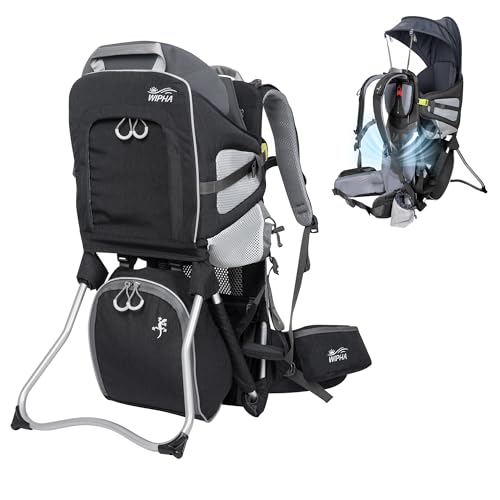
WIPHA Toddler Hiking Backpack Carrier (Black)

WIPHA Toddler Hiking Backpack Carrier (Green)

WIPHA Toddler Hiking Carrier (Black)

WIPHA Toddler Hiking Carrier (Sand)

WIPHA Toddler Hiking Carrier (Blue)
The Picks, Examined More Closely
Built for a child who wants to haul their own sleeping bag into a basecamp, the Osprey Ace 50L scales down Osprey’s adult hiking DNA into a frame that fits younger shoulders and torsos. Unlike the carrier-style picks later in this list, this is a pack your kid wears, not a seat your toddler rides in.
The ventilated back panel and adjustable hipbelt aim at long days on uneven ground, which matters when a child is still building trail stamina. For families transitioning away from carrying Junior entirely, this feels like a confidence-building graduation gift rather than just a backpack.
Everyday Advantages
- Torso and hipbelt adjustability lets the pack grow over multiple seasons, so one purchase can stretch through several camping years.
- AirSpeed suspension keeps air moving across a young hiker’s back on warm afternoons.
- Hipbelt snack pockets make granola bars reachable without stopping to dig through the main compartment.
- Adult-pack construction gives you confidence that zippers, buckles, and seams can handle rough use by curious hands.
Points To Note
- Capacity is sized for a child’s gear, so a parent still needs to manage shared supplies and snacks separately.
- Without a child seat or harness system, this is only suited to kids old enough to walk and balance under load, likely five and up.
- Some owners mention the pack runs warm against the back even with ventilation, especially in humid climates.
At A Glance
Right Fit For
Families with elementary-age kids who can carry a meaningful load and want to feel ownership of their own adventure.
Look Elsewhere When
You’re carrying a toddler who still needs a seat, in which case the Deuter Kid Comfort makes more sense.
The Luvdbaby carrier takes a soft, cushioned approach to toddler hauling, with a padded cocoon-style seat and a removable sun visor. Where the Osprey Ace is built for the child to wear, this is built for you to wear while your toddler rides along.
It leans toward the entry-level side of the category, which makes it appealing for parents testing whether family hiking sticks. The padded straps aim at keeping shoulders from barking on shorter routes, and the whole unit tends to be lighter than framed competitors.
Real Benefits
- Light overall weight keeps the parent from feeling overburdened on short, flat routes.
- Padded interior with safety straps gives a toddler a secure, contained seating position.
- Removable sun visor blocks glare and light wind, which helps on exposed ridges.
- Lower cost than framed carriers means a smaller commitment for new families.
Trade Offs
- Without a rigid frame, heavy loads can pull the carrier off-balance, and longer routes tend to fatigue shoulders faster.
- Storage is limited compared to the larger WIPHA models, so you’ll need a daypack for extra layers and water.
- Owners commonly report the fabric construction feels less rugged than framed options over multiple seasons.
Best Suited To
New parents doing short, casual hikes who want a lower-commitment entry into baby carrying.
A Better Fit Elsewhere
For longer treks where hip support matters, the WIPHA Toddler Hiking Carrier offers a sturdier platform.
Deuter’s Kid Comfort has long been the benchmark in the toddler carrier category, and this version carries the same engineering DNA that built the reputation. A structured frame, an adjustable cockpit, and a suspension system borrowed from adult packs put it in a different class from the lighter entries on this list.
For parents who hike regularly and want a carrier that holds up season after season, this is the kind of kit you keep moving from child to child. It feels substantial out of the box, which trades some portability for genuine long-haul comfort.
Why It Works Well
- Engineered suspension distributes weight across the hips, sparing your lower back on multi-mile climbs.
- Structured cockpit keeps a sleeping or fussy toddler securely seated without slumping.
- Generous storage under the seat swallows diapers, snacks, and rain layers for both parent and child.
- Sun canopy and weather protection tend to handle surprise drizzle better than soft-shell competitors.
Less Ideal Details
- The frame and harness add noticeable weight even before your toddler climbs in.
- Storage space, while roomy, sits lower on the pack and can feel awkward to access mid-stride.
- Cost runs noticeably higher than the WIPHA and ClevrPlus options on this list.
Feature Snapshot
Who Will Love This
Trail-experienced parents who want a carrier that lasts across multiple children and longer routes.
Reach For A Different Pick When
You’re trying to keep things light for a quick outing, since the WIPHA aluminum-frame models cut weight noticeably.
The ClevrPlus Canyonero keeps things simple and affordable, with a one-piece frame that removes the setup dance some framed carriers require. The five-point harness and flexible stirrups are the kind of small safety touches that matter when a toddler is bouncing along for miles.
It’s a sensible middle-of-the-road pick for families who don’t need the engineering depth of a Deuter but want more structure than a soft carrier offers. Day hikes to a state-park overlook are exactly its sweet spot.
What Earns Its Place
- One-piece frame means no fiddly assembly at the trailhead.
- Built-in kickstand lets you set the carrier down without propping it against a rock.
- Washable drool pad handles the inevitable snack explosions.
- Sun shade visor keeps a dozing toddler shaded on open stretches.
Things To Weigh
- Padding and suspension feel basic compared to the Deuter, which shows on longer outings.
- Storage is functional rather than generous, so a supplemental daypack may still be needed.
Made For
Families tackling easy-to-moderate day hikes on well-marked trails with a toddler in tow.
Skip It When
You’re planning multi-hour treks where you need hip-load engineering, since the WIPHA ergonomic carriers handle that better.
The WIPHA Toddler Hiking Carrier is built around one core idea: take the load off your shoulders and put it on your hips. A wide padded waist belt does most of the heavy lifting, which matters when your toddler and gear together add up fast.
Compared with the ClevrPlus Canyonero earlier in this list, this WIPHA leans further into ergonomic engineering without jumping to premium pricing. It’s a sensible upgrade for parents who want framed-carrier comfort on a more modest budget.
Everyday Wins
- Wide waist belt shifts weight to the hips, which is where the body carries load most efficiently.
- Adjustable straps fit a range of parent sizes, useful when two caregivers share the carrier.
- Integrated sun canopy shields a toddler on sunny stretches without a separate accessory.
- Storage compartment handles snacks, diapers, and a small change of clothes.
Practical Considerations
- Without the lightweight aluminum frame used in the newer WIPHA models, this unit runs heavier.
- Harness adjustability can take a minute to dial in for first-time users.
Perfect Match For
Parents who want hip-driven comfort for long walks, park visits, and casual hikes without crossing into premium pricing.
Consider Something Else When
Weight is the priority, since the WIPHA aluminum-frame carriers shed pounds without losing support.
The aluminum-framed WIPHA in black trims serious weight off the carrier category. At roughly 5.5 pounds on its own, it lets a solo parent manage a loaded hike without a second adult to spell them.
The lightweight frame keeps the seat stable on uneven ground, and child-lock buckles add a layer of safety for parents worried about a wiggly toddler. Compared to the WIPHA carrier above, this model trades some extra storage for a noticeably lighter overall feel.
The Value In It
- Aluminum frame keeps total weight low without sacrificing the structure that keeps a toddler upright.
- Child-lock buckles prevent a curious tot from unbuckling mid-trail.
- TUV-certified construction adds a third-party safety benchmark.
- Supports children up to 40 pounds across roughly the 6-month to 3-year range.
Factors To Consider
- Lighter construction can feel less rugged after heavy multi-season use.
- Storage runs tighter than larger framed carriers, so longer trips may still need a separate daypack.
Quick Technical Notes
Whose Shelf It Belongs On
Solo parents who need a genuinely light carrier that still holds a toddler safely on real trails.
Another Choice May Suit
For maximum storage capacity, the ClevrPlus Canyonero offers more cargo room at a similar weight.
The green version of the aluminum-frame WIPHA brings the same lightweight build in a color that blends into wooded settings. For parents who want their gear to disappear into the surroundings on nature hikes, that visual choice matters more than it sounds.
Specs and weight match the black sibling covered above, so the real difference here is aesthetic and a slightly different color-blocking on the harness. Functionally, it handles the same rocky, root-heavy trails just as well.
A Favorable Mix
- Aluminum frame keeps the carrier light enough for steep climbs and long days.
- Subdued green tone suits forested trails and looks at home in nature settings.
- TUV certification provides the same safety benchmark as the black version.
- Child-lock buckles prevent small hands from freeing themselves mid-trail.
Worth Bearing In Mind
- Same tight storage situation as the black aluminum model, so longer outings may need a supplemental pack.
- Lighter frame may show wear faster than heavier framed options on rough terrain.
Built With In Mind
Parents who hike wooded trails and prefer a low-visibility color that matches outdoor environments.
Swap It Out When
You want a darker color that hides dirt better between washes, in which case the black version makes more sense.
This WIPHA leans hardest into the ergonomic side of the lineup, with a weight-distribution system that claims to transfer most of the load to the hips. For parents whose backs protest first on a long outing, that’s the spec worth caring about.
It uses breathable 3D mesh padding across the back panel and shoulder straps, which keeps sweat from pooling during hot stretches. Versus the aluminum-frame WIPHA models earlier in this list, this one prioritizes cooling and load transfer over raw frame lightness.
The Practical Payoff
- Weight transfer to the hips reduces shoulder fatigue on long climbs.
- 3D breathable mesh padding keeps the parent’s back cooler during summer hikes.
- Wide waist belt handles uneven terrain without digging in.
- Ventilated back panel works well across warm and shoulder-season conditions.
Trade-Offs To Consider
- Added padding and mesh make this slightly heavier than the aluminum WIPHA models.
- Storage layout focuses on ergonomic fit, leaving less cargo room than bulkier framed options.
Who Should Grab It
Parents with back or shoulder sensitivity who hike for hours at a stretch in warm conditions.
Where A Sibling Pick Shines
The WIPHA aluminum-frame model trims more weight, making it the better match for true minimalist hikers.
The sand-colored version of the ergonomic WIPHA targets parents who hike in dry, sun-bleached terrain and want gear that doesn’t look out of place. Same hip-load engineering as the black sibling, just dressed in a lighter palette.
Lighter fabrics can show dirt faster than darker options, so the trade-off is aesthetic. For desert and canyon hikes, the visual fit earns its keep.
Practical Pluses
- Ventilated mesh back panel handles warm-weather hikes comfortably.
- Hip-weight distribution reduces strain on climbs that last more than an hour.
- Sand color blends into canyon, beach, and desert environments.
- Adjustable fit accommodates different parent body types.
Honest Caveats
- Lighter color shows trail dust and stains faster than darker versions.
- Same limited storage situation as the other ergonomic WIPHA models.
The Right Fit
Parents who hike in arid or sun-exposed regions and want a carrier that visually matches the terrain.
Not Your Match When
You want a low-maintenance color that hides trail dirt between washes, since the black ergonomic WIPHA handles that better.
The blue ergonomic WIPHA rounds out the color trio, sharing the same hip-load engineering as its black and sand siblings. It suits families who want something more visible on the trail, which can actually be a safety feature when hiking in busier or mixed-use parks.
For households where two parents take turns wearing the carrier, the broad adjustability earns its keep. It’s functionally identical to the other ergonomic WIPHA models, just in a different shade.
Everyday Perks
- Bright blue tone stays visible in low light and crowded trail settings.
- Hip-driven weight distribution reduces parent fatigue on longer outings.
- Breathable mesh padding handles warm-weather sweating.
- Adjustable straps make sharing between two caregivers straightforward.
Room For Improvement
- Storage capacity trails bulkier framed competitors like the Deuter Kid Comfort.
- Brighter color may show scuffs and wear on rougher routes.
Who It Suits Best
Two-caregiver households that want a shared, highly visible carrier with hip-load comfort.
Consider Something Else When
Maximum storage matters more than visibility, since the Deuter Kid Comfort carries far more cargo.
Choosing Baby Hiking Backpacks That Actually Fit Your Family
Picking a baby hiking backpack starts with matching the carrier to the child and the parent, not the other way around. A toddler who’s six to eighteen months needs a structured seat with a harness and stirrups, while a kid past three may prefer to carry their own pack and walk. For most families, the middle of that range is where the carrier shines.
Frame type matters more than people expect. Soft carriers feel light but transfer weight straight to your shoulders, which is fine for a thirty-minute loop and miserable on a three-hour climb. Framed carriers shift load to the hips, where your body is built to handle it, but they add bulk and storage. A frame made from aluminum cuts weight noticeably without sacrificing structure.
Fit and adjustability matter for two reasons. First, the carrier has to fit the parent wearing it, including shoulder strap length and waist belt circumference. Second, it has to fit the child sitting in it, with adjustable seat height, stirrup length, and harness points. A carrier that fits a five-foot-two parent won’t fit a six-foot-two partner without generous adjustability, and shared use is common in many families.
Sun protection and weather handling show up the moment you hike in anything but perfect conditions. A canopy that shades a sleeping toddler’s face prevents meltdowns. Storage pockets that hold rain layers and snacks mean fewer stops. Weight capacity and age range tell you how long the carrier will work before your child outgrows it.
Smart Choices For Family Trail Days
Common Slip Ups In The Category
New parents often buy a soft carrier because it’s lighter and cheaper, then regret it the first time they hike more than a mile with a heavy toddler. The shoulder strain that develops is real and discouraging, and it can sour the whole family on hiking. Skipping the framed option for short-term savings tends to cost more in the long run when you replace it after one season.
Another frequent miss is ignoring parent fit. A carrier that fits a 130-pound frame won’t fit a 200-pound frame, and an adjustable waist belt isn’t always enough to bridge the gap. Trying the carrier on with weight in it, even just a sack of rice, reveals problems that look invisible in product photos.
Where The Extra Money Goes
Premium carriers like the Deuter Kid Comfort cost more because the suspension system is genuinely more developed. The padding, the hip belt geometry, the frame materials, and the safety testing all add up. For families who hike weekly, that engineering earns its keep through reduced parent fatigue and longer product life across multiple children.
Higher tiers also tend to include better weather protection, more thoughtful storage layouts, and easier adjustability. None of that is essential for occasional park visits, but it changes the experience when hiking becomes a regular family habit.
Frequently Asked Questions
What age is best to start using a baby hiking backpack?
Most structured carriers are designed for children who can sit unassisted, typically around six months old. Weight limits, usually listed around 40 pounds, are the more reliable guide than age alone. Your toddler should also have strong head and neck control before extended trail use.
How much weight should a parent carry in a baby carrier?
A common rule of thumb is to keep the total loaded carrier under a third of the parent’s body weight, including the child. Going heavier puts strain on the hips and lower back, especially on climbs. For most adults, that means capping the combined weight around 30 to 40 pounds.
Can baby carriers be used on actual mountain trails?
Yes, but the carrier needs a structured frame, secure harness, and stirrups to handle uneven terrain. Soft carriers tend to shift and pull on rough ground, while framed options stay stable. For technical trails, an aluminum frame and hip belt make a meaningful difference.
How do you clean a baby hiking backpack?
Most carriers spot-clean well with mild soap and water, and the drool pads and seat cushions often come off for machine washing. Air drying is the safe default since high heat can damage harness webbing and frame adhesives. Avoid soaking the frame section or running the whole carrier through a washer.
Are used baby hiking backpacks safe to buy?
Used carriers can be a smart buy, but check the harness buckles, frame integrity, and stitching carefully before committing. Any carrier involved in a crash or showing stretched webbing should be skipped regardless of age. Replacement parts for major brands are usually available through the manufacturer.
Closing Remarks
The right baby hiking backpack depends on your child’s age, your hiking style, and how the carrier fits your body. Framed, hip-loading designs reward longer outings, while lighter soft carriers suit shorter casual walks. Whichever path you take, dialing in fit before you commit turns trail days with a toddler from a chore into something you’ll actually look forward to.