Hauling a newborn through airports, apartments, or tight grocery aisles while juggling a car seat that doesn’t click into anything is a fast way to lose patience. A matched baby stroller and car seat combo solves that pain by giving you one system that transitions from trunk to sidewalk without waking the baby or forcing a wrestling match. The seven travel systems below cover different priorities, from ultra-compact frames to preemie-friendly carriers, so you can match gear to your actual routine.
A Fast Comparison Of The Options

Graco Gomax Next Gen Travel System Car Seat Stroller Combo
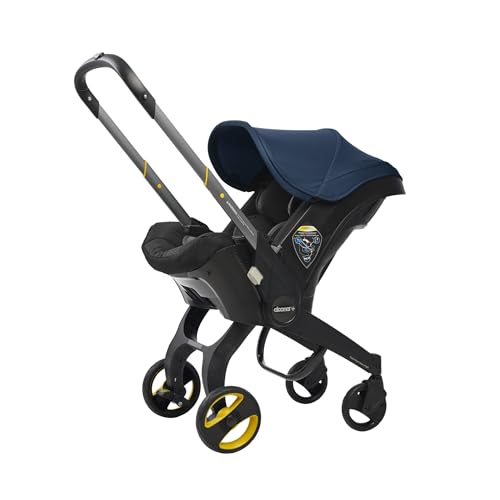
Doona Car Seat & Stroller Deep Blue All-in-One

Chicco Bravo 3-in-1 Travel System Quick-Fold Stroller
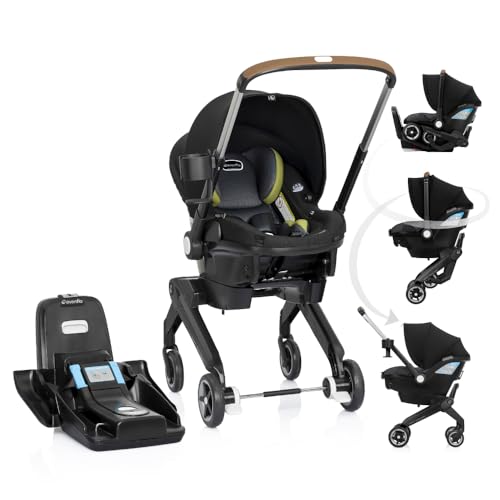
Evenflo Shyft DualRide Preemie and Infant Car Seat Stroller Combo

Chicco Viaro Travel System Quick-Fold Stroller with KeyFit 30

Graco Modes Nest Travel System 3-in-1 Car Seat & Stroller

Chicco Mini Bravo Plus Travel System Stroller with KeyFit 30
A Closer Look At Each Pick
The Graco Gomax Next Gen leans into the smallest-thing-that-still-works philosophy, and that matters when your trunk space doubles as a diaper-bag overflow zone. Its ultralight aluminum frame collapses into a footprint small enough to slip into overhead bins on most regional flights, which means rideshare parents and weekend travelers get real relief. The integrated Insta-Install Rigid LATCH (the Lower Anchors and Tethers for CHildren system used to secure infant car seats without seat belts) clicks into your car’s anchor points in seconds, cutting out the half-fumbled install that leaves parents sweating at the curb.
For a baby stroller and car seat setup you plan to lift into taxis and carry up three flights of stairs, the Gomax frame is the lightest option in this roundup. Where the Doona (Item 2) prioritizes a single-piece convertible shell, Graco splits duties into a separate car seat that nests into the frame. That separation tends to read as more comfortable for longer walks because the stroller seat is roomier.
What Makes Sense
- Frame folds compact enough to fit airplane overhead bins, ideal for grandparents who fly in to help.
- Rear-facing infant car seat clicks securely into the stroller frame with no adapter required.
- Rigid LATCH install cuts typical car-seat setup time from minutes to seconds.
- Lightweight aluminum build makes it manageable for shorter caregivers to lift repeatedly.
- Travel-system pricing lands well below premium convertibles for budget-conscious shoppers.
Trade Offs
- The stay-in-car base is sold separately, so the lowest entry price assumes you only need the seat.
- Smaller wheels and a narrow wheelbase trade smooth rides on rough pavement for compact folding.
- Storage basket sits shallow, so a full diaper bag hangs over the edge on longer outings.
Made For
City dwellers, frequent flyers, and anyone navigating apartments where storage space disappears fast.
Skip It When
The Evenflo Shyft DualRide (Item 4) is a smarter choice if your baby arrives early or under seven pounds and you need the smallest harness slots.
The Doona solves the one recurring nightmare in baby travel: transferring a sleeping infant between car and stroller without a single jolt. Its integrated wheels fold out from the car seat shell itself, so what looks like a regular infant carrier on the road becomes a full stroller the moment you pull the handle. There are no adapters, no second frame, no extra clicks to fumble with. For rideshare-heavy routines, that collapsing-action trick translates directly into fewer missed connections.
Unlike the Graco Gomax in Item 1, the Doona does not separate into a roomier stroller seat, so once your child outgrows the infant weight range, the unit retires. That built-in obsolescence is the honest trade-off behind the all-in-one convenience, and you should plan around it rather than fight it. Most owners report the fabric holds up well to frequent washing, and the adjustable handlebar genuinely helps taller parents avoid back strain.
A Few Strong Suits
- One-click wheel deployment turns a car seat into a stroller in about two seconds.
- Approved for use on most commercial aircraft without needing a separate carrier bag.
- Deep Blue colorway hides coffee stains and scuffs better than pale upholstery options.
- Compact footprint slips into narrow store aisles and crowded restaurant booths with ease.
Honest Caveats
- Higher upfront cost than modular travel systems because the engineering lives inside the seat.
- Weight lands on the heavier side once wheels deploy, which can tire out smaller caregivers on long walks.
- Limited storage beneath the shell, so a separate diaper bag becomes non-negotiable on longer days.
Feature Snapshot
Who Will Love This
Rideshare commuters, urban travelers, and parents who split childcare between two homes that each lack storage space.
Reach For A Different Pick When
The Chicco Bravo 3-in-1 (Item 3) is a stronger match if you want a stroller that survives past the infant stage without buying a second travel system.
The Chicco Bravo 3-in-1 earns its everyday-favorite badge by stretching one purchase across three life stages: infant car seat carrier, pramette bassinet, and toddler stroller. Instead of outgrowing the frame at twelve months, your child rides in the same seat from newborn through preschool years. That longevity is the real value, especially when you factor in the KeyFit 30 car seat clicking directly into the frame through the child tray. No adapters, no compatibility charts to memorize.
Comparing the Bravo to the Doona in Item 2, the trade-off is bulk. Where the Doona collapses to almost nothing, the Bravo wants trunk space and a closet corner, but it gives back a more comfortable toddler ride in return. The quick-fold mechanism is genuinely one-handed once you learn the trigger, though first-time parents often need a couple of dry runs to feel confident.
A Favorable Mix
- Three configurations extend useful life from newborn through toddlerhood, stretching your investment.
- KeyFit 30 car seat clicks directly into the stroller via the child tray, no adapter needed.
- Removable seat and canopy convert the frame into a lightweight infant carrier on demand.
- Polyester fabrics wipe clean and hold up through years of daily use.
Points To Note
- Folded footprint is bulkier than the Gomax or Doona, so small-car trunks feel the squeeze.
- Toddler mode feels less nimble on crowded sidewalks compared to three-wheel rivals.
- Wheels favor smooth pavement and tend to rattle over cobblestone or broken asphalt.
Key Product Details
Best Suited To
Growing families who want one stroller purchase to last from the hospital discharge through the preschool years.
Where Another Pick Suits Better
The Graco Gomax Next Gen (Item 1) is the better travel pick if you fly more than twice a year and need overhead-bin compatibility.
The Evenflo Shyft DualRide exists because not every baby arrives at the seven-pound threshold that most infant car seats require. It accommodates infants as small as three pounds, which matters for preemie parents whose NICU discharge day suddenly demands a car seat that fits. The shell uses a layered mix of polypropylene, steel, aluminum, and EPS foam (expanded polystyrene, the same crash-absorbing material used in bicycle helmets) for crash protection, then wraps the interior in soft polyester fill for comfort. That material stack tells you it was engineered with tiny riders in mind, not retrofitted later.
The wheel-up-to-wheel-down transition mirrors the Doona concept from Item 2, but the Shyft lets you leave the wheels in the base for a lighter carrier. That modularity is genuinely useful when you want to lift just the seat for a quick in-and-out, and it explains why newborn-stage parents gravitate toward this setup. It feels heavier than the Gomax once everything clicks together, so expect a learning curve before your muscle memory adapts.
Everyday Advantages
- Accepts infants from 3 lb upward, including most preemies discharged from NICU care.
- Wheels-up-to-wheels-down transition handles both carrier-only and stroller use in one unit.
- Leave the wheels in the base for a noticeably lighter carrier when running quick errands.
- Steel and aluminum internal frame adds rigidity without an outrageous weight penalty.
Things To Weigh
- Full assembly runs heavier than the Gomax or Mini Bravo frames, which matters on long walks.
- Toddler use ends earlier than the Bravo or Modes Nest, since the seat is infant-only.
- Wider wheelbase takes up more trunk room when folded.
Core Details
Perfect Match For
NICU graduates, twins with one smaller sibling, and first-time parents who want maximum harness adjustability from day one.
Swap It Out When
The Graco Modes Nest (Item 6) is the better long-term choice if you want one stroller that survives well past the infant stage.
The Chicco Viaro leans on a slim three-wheel design and an aluminum frame that makes one-handed sidewalk navigation feel less like steering a shopping cart. Treaded tires grip uneven pavement better than the typical foam-wheel travel stroller, so a quick trip across a cobblestone plaza doesn’t rattle your baby awake. Pair that with the KeyFit 30 car seat and its SuperCinch force-multiplying LATCH tightener, and you get a system where installation errors get corrected by the hardware itself rather than your patience.
Where the Bravo in Item 3 stretches across three configurations, the Viaro stays focused on infant-stage use with a toddler seat added for later. That simplicity is the point, and it lands at a noticeably lower price point than the convertible competitors. Apartment dwellers with narrow hallways and tight elevators tend to find the Viaro’s footprint easier to live with than wider alternatives.
What Works In Its Favor
- Three-wheel layout pivots sharply, useful for crowded coffee shops and bookstore aisles.
- Treaded tires roll over uneven surfaces with less rattling than foam-wheel rivals.
- SuperCinch LATCH tightener pulls the car seat firmly into place with minimal effort.
- Aluminum frame keeps total weight manageable for one-handed folding.
Practical Considerations
- Toddler configuration feels less padded than the Bravo for longer walks.
- Black-on-black upholstery looks sleek but shows lint and pet hair between washes.
- Storage basket is smaller than the Bravo’s, so overpackers feel the pinch on grocery runs.
Quick Facts
The Right Fit
Apartment dwellers, urban errands, and caregivers who want a stroller that turns on a dime in tight indoor spaces.
Not Your Match When
The Chicco Mini Bravo Plus (Item 7) is a better pick if small trunks and minimal closet space dominate your storage reality.
The Graco Modes Nest earns its place for one specific reason: the Slide2Me seat lifts to three different height positions, which lets you match the stroller seat to your own height rather than hunching over for the first six months. That sounds minor until you log a thousand diaper-bag-laden walks and notice your back complaining. Combined with the reversible seat that faces you or faces out, the Modes Nest adapts to developmental shifts without requiring a second stroller purchase.
Compared to the Evenflo Shyft DualRide in Item 4, the Modes Nest trades the all-in-one wheel-deploying cleverness for a more traditional frame, but it returns a stroller that grows with your child for several years. Owners commonly report the aluminum frame holding up well through second-child hand-me-down duty, though the bulk makes it a poor fit for apartments with narrow stairwells.
Practical Pluses
- Slide2Me seat raises to three heights, sparing caregivers from constant bending.
- Reversible seat switches between parent-facing and world-facing in seconds.
- Three configurations span infant carrier, pramette, and toddler stroller stages.
- Aluminum frame survives hand-me-down cycles between siblings.
Where It Is Less Suited
- Folded footprint is the largest in this roundup, so sedan trunks feel the squeeze.
- Reversing the seat adds a step that some caregivers skip out of frustration.
- Heavier than the Gomax or Viaro, which matters for stairs without an elevator.
Whose Shelf It Belongs On
Suburban families, parents planning multiple children, and caregivers who want one stroller purchase that genuinely lasts.
Look Elsewhere When
The Graco Gomax (Item 1) is a smarter pick if your life involves more airport gates than neighborhood sidewalks.
The Chicco Mini Bravo Plus solves the small-trunk problem with a free-standing quick fold that drops the frame into a compact shape without needing to lean it against a wall. The innovative fold-and-carry handle means you can collapse the stroller while still holding the baby, which is one of those small conveniences that adds up over hundreds of trips. The KeyFit 30 car seat clicks directly into the frame, so installation stays consistent across caregivers.
Where the Bravo 3-in-1 in Item 3 stretches across three configurations, the Mini Bravo Plus focuses on lighter daily use and smaller footprints. The trade-off shows up in ride comfort, since the lighter frame flexes a bit more over rough pavement. Parents in studio apartments or shared rideshares tend to rate this trade-off as worthwhile, while suburban families on long walks might find the full-size Bravo easier on their shoulders.
Notable Gains
- One-hand quick fold collapses the frame into a free-standing position in seconds.
- Compact folded footprint fits small trunks, hatchbacks, and tight closets.
- KeyFit 30 car seat clicks in and out without adapters.
- Three-position reclining backrest adjusts with one hand for napping babies.
A Few Limitations
- Lighter frame flexes more over rough pavement than the full-size Bravo.
- Storage basket is shallow, so diaper bags hang over the edge during longer outings.
- Slate/Grey fabric shows chalky stains from powdered formula spills.
Feature Rundown
Built With In Mind
Studio apartment dwellers, rideshare families, and grandparents who need a stroller that folds small enough to fit anywhere.
Where Another Pick Suits Better
The Chicco Viaro (Item 5) handles uneven pavement and longer neighborhood walks with noticeably more stability if your routine involves rougher sidewalks.
Choosing The Right Baby Stroller And Car Seat Setup
A baby stroller and car seat combo saves you from playing mix-and-match engineer at 3 a.m., but only when the system fits your actual routines. Start with the car seat itself, since safety ratings and crash performance are the one area where cutting corners is never worth it. Look for clear weight and height limits that match your newborn’s expected size, and confirm the seat installs correctly in your specific vehicle before committing.
Frame size matters more than people expect. A compact fold sounds great until you discover it does not fit your apartment closet or your sedan trunk. Measure your trunk with the seats up, then compare that against the folded dimensions of any stroller you are considering. Wheel configuration is the next big call: three-wheel designs pivot sharper in tight spaces, while four-wheel layouts tend to feel steadier on uneven sidewalks.
Real-life scenarios shape the rest. Frequent flyers should prioritize overhead-bin compatibility and one-piece convertibles like the Doona. NICU graduates need preemie-friendly harness slots that smaller seats cannot offer. Apartment dwellers benefit most from a free-standing fold that does not need a wall to lean against, while suburban families usually prefer reversible seats that grow with the child for years.
Material choices affect long-term ownership more than most shoppers realize. Polyester fabrics wipe clean and handle machine washing, while mesh panels improve airflow during summer walks. Aluminum frames keep weight down, but steel-reinforced seats add crash protection at the cost of heavier lifting. Think through who else will use the stroller, since a system that works for a six-foot caregiver might exhaust a shorter partner.
Key Considerations Across These Picks
Where Shoppers Go Wrong
Treating the stroller frame as the priority is a common trap. The car seat carries the actual safety responsibility, so skimping there to get a fancier frame inverts the priority order. Another misstep is buying for newborn use only and ignoring how long the system needs to last, which leads to replacing the entire setup at twelve months. Test the fold before you commit, since mechanisms that feel smooth in the showroom can feel clunky when you are holding a fussy baby in the other arm.
What The Upgrade Buys
Higher-tier models earn their premium through material upgrades and engineering details that show up during daily use. Features like one-hand fold mechanisms, rigid LATCH systems, and reversible seats all cost more but reduce the small frictions that accumulate into parenting burnout. The upgrade is worth it when your routine demands the convenience, but for occasional weekend use a mid-tier system handles the workload without the extra spend.
Frequently Asked Questions
How long do infants stay in a rear-facing car seat?
Most pediatric guidelines recommend keeping your child rear-facing until they reach the maximum weight or height limit printed on the seat, typically around age two. The specific number varies by brand and model, so check your car seat manual before flipping the orientation.
Can I use the stroller without the infant car seat attached?
Most travel systems let you remove the car seat and use the frame with a toddler seat once your child outgrows the infant stage. Frames like the Graco Modes Nest offer this flexibility built in, while the Doona retires entirely after the infant stage.
Do I need a separate base for the car seat?
Several models in this roundup include a stay-in-car base for easier daily transfers, but some frames install directly without a base. Check the included accessories for each travel system before buying extras you may not need.
How do I clean the stroller fabric?
Most polyester fabrics spot-clean with mild soap and warm water, and many seat pads remove for machine washing on a gentle cycle. Always air-dry the fabric to avoid shrinkage or heat damage to padding layers.
Are travel systems heavier than standalone strollers?
Generally yes, because the frame is engineered to support the car seat click-in connection and withstand loading cycles. The weight difference shows up most when lifting the system into a trunk or carrying it up stairs without an elevator.
Closing Remarks
The right baby stroller and car seat combo quietly fades into the background of your routine, which is exactly the goal. Match the system to your real life: preemie parents need harness range, frequent travelers need compact folds, growing families need longevity. Once the gear disappears into habit, you can focus on the parts of parenting that actually matter.