A soaked pack on a long approach is the kind of problem you only think about after it happens. The right rain cover slips on in seconds, sheds heavy weather, and lets you focus on the trail instead of your gear. This roundup covers ten covers built for different pack sizes, trip lengths, and terrain, from ultralight day hikes to family outings with a child carrier.
How The Shortlist Stacks Up

Tasmanian Tiger TT Raincover XL Black <100L

Osprey Poco Child Carrier Raincover
Onewind Ultralight Tent Footprint 4000mm

Unigear Backpack Rain Cover 5000mm

Onewind 10×10ft Waterproof Camping Tarp

onewind 6×8 ft Camping Tarp 70D OD Green

Onewind Ultralight Tent Footprint Pack Cover
Osprey Ultralight Raincover for Backpack

Onewind Compact Footprint 4000mm Silnylon

Tatonka Rucksack Rain Cover
A Breakdown Of The Leading Choices
Big packs need big covers, and the Tasmanian Tiger TT Raincover XL is sized for loads up to 100 liters. Built for multi-day expeditions where every liter counts, it slips over fully loaded haul bags without compressing straps or blocking hip belts. The understated black finish reads as tactical, which works well on routes where you prefer not to broadcast your presence.
Compared to the slimmer Unigear cover later in this list, this one trades a slimmer fit for raw coverage. For thru-hikers carrying bear canisters or mountaineers hauling rope, that room is genuinely useful.
Where It Excels
- Generous cut handles oversized expedition packs without fighting the load
- T-Cover Tex shell feels robust enough to shrug off branch scrapes on tight bushwhacks
- Integrated stuff sack keeps the cover compressed and easy to find when the sky opens up
- Doubles as a transport cover for airline travel or dusty bus rides
Trade Offs To Consider
- The oversized fit can flap in serious wind on a smaller daypack, though cinching helps
- It is a dedicated pack cover, not a tarp, so it will not replace your groundsheet
Feature Snapshot
Who It Suits Best
Expedition hikers and mountaineers running fully loaded packs above 70 liters on multi-day objectives.
Reach For A Different Pick When
The Osprey Poco Child Carrier Raincover is a better match for parents carrying a child instead of climbing hardware.
Most covers treat rain as a pack problem, but the Osprey Poco Raincover treats it as a kid problem. The shell is cut to fit over the Poco’s built-in sunshade, wrapping both child and carrier together so a sudden shower does not end the walk. Clear windows keep the view open, which matters more than it sounds when a toddler is already over the day’s agenda.
Unlike the Tasmanian Tiger XL above, this is a purpose-built shape rather than a generic sack. You will not get a universal fit here, and that is the point.
The Value In It
- Custom cut matches the Poco carrier frame, including the integrated sunshade
- Clear viewing panels let a child watch the trail without claustrophobia
- Waterproof shell keeps both rider and pack dry in steady rain
Honest Caveats
- Only fits Osprey Poco child carriers, so it has no use once your child outgrows the setup
- The full enclosure runs warmer in summer humidity, which parents in mild climates may notice
Made For
Parents hiking with a young child in a Poco carrier who want one-piece weather protection on the trail.
Consider Something Else When
The Tasmanian Tiger TT Raincover XL suits hikers carrying a standard trekking pack rather than a child carrier.
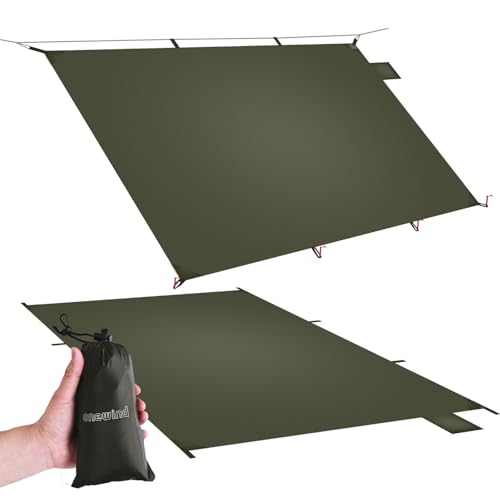
Groundsheets and pack covers rarely share shelf space, but this Onewind footprint does both jobs if you get creative. At 20D silnylon with a 4000mm waterproof rating, it weighs almost nothing in the pack yet throws down a serious barrier against wet ground and driving rain. Thru-hikers who already use a footprint under their shelter will recognize the logic of doubling it as a pack wrap in a storm.
Where the Unigear cover later in the list is shaped to slip on quickly, this one is a flat sheet. That tradeoff buys you gram-counting weight savings at the cost of a tailored fit.
Notable Gains
- 4000mm PU and silicone coated silnylon blocks sustained rain without soak-through
- Doubles as a groundsheet, shelter footprint, or emergency rain catch
- Packs down small enough to live in a side pocket until needed
Some Limits To Know
- No shaped cut, so you wrap and secure it yourself rather than slipping it on
- 20D fabric is light, which means it asks for careful handling around sharp tent stakes
Quick Technical Notes
Right Fit For
Thru-hikers and ultralight campers who want one piece of fabric to do double duty under a tent and over a pack.
Skip It When
The Unigear Backpack Rain Cover fits better for commuters who want a shaped cover that slips on in seconds.
Daily commuters and casual hikers usually do not need expedition-grade sizing, they need a cover that fits a 20 to 40 liter pack and stays put. The Unigear cover delivers on both fronts with a 5000mm waterproof rating and a pair of anti-slip straps that keep it from sliding down over your hip belt mid-stride. The 70D and 210T nylon blend beads water rather than soaking it up, which is what you want during a long rainy walk to work.
Next to the Tasmanian Tiger XL, this is a more focused everyday tool. It will not swallow a 100-liter load, but most people do not carry one.
Key Advantages
- 5000mm rating handles moderate to heavy rain without seepage
- Two anti-slip straps stop the cover from sliding down on a moving hiker
- 70D and 210T nylon blend balances durability with light weight
- Drain hole at the base keeps pooled water from collecting inside
Worth Noting
- Several size variants mean checking the right fit for your specific pack matters
- Owners commonly report the straps work best once you dial in the tension
Best Suited To
Daily commuters, students, and weekend hikers carrying mid-size packs in regions with frequent rain.
Where A Sibling Pick Shines
The Onewind Ultralight Tent Footprint suits thru-hikers who want a sheet that works under a tent and over a pack.
Strictly speaking, a 10 by 10 tarp is not a backpack rain cover. In practice, on a wet campsite it acts as a giant version of one. The Onewind tarp comes in at around 740 grams and packs small enough to ride along on a car-camping trip or a longer basecamp loop. Rig it as a covered kitchen, a hammock shelter, or a gear-drying station when your packs need a break from the rain.
Compared to the Unigear cover above, this is overkill for the daily commute and a lifesaver on a stormy weekend. It is the right tool when your whole camp needs weather protection rather than just your shoulders.
Noteworthy Benefits
- 10 by 10 foot coverage shelters a small group or a full kitchen setup
- Silnylon construction keeps the packed weight around 1.6 pounds
- Works as a hammock rain fly, ground tarp, or bushcraft shelter
Practical Considerations
- You will need cordage, stakes, and a few trees or poles to set it up properly
- Too large to function as a quick-slip pack cover on the trail
Whose Shelf It Belongs On
Car campers, group leaders, and basecamp-style backpackers who want one tarp to cover many configurations.
Look Elsewhere When
The onewind 6×8 ft Camping Tarp suits solo travelers who do not need to shelter three tents at once.
Solo backpackers do not need a tarp the size of a parking spot, and the onewind 6 by 8 hits a sweet spot for one-person shelters. The 70D nylon is a meaningful upgrade over the lighter 20D silnylon used in some footprints, trading a few grams for stronger tear resistance. The OD Green color blends into forest canopy, useful for hunters and wildlife photographers.
Where the larger 10 by 10 tarp is a group solution, this one is a personal one. It still requires rigging, but the footprint and weight are far easier to manage on a solo overnighter.
The Practical Payoff
- 70D nylon resists tearing better than ultralight silnylon on rough bark
- Compact 6 by 8 size covers one hammock or bivy comfortably
- OD Green color stays low-profile in wooded terrain
Points To Note
- Not a true pack cover, so it covers a shelter or gear pile rather than your bag in motion
- Needs ridgeline cordage and stakes, which often come separately
Who Should Grab It
Solo backpackers and hunters who want a tough, mid-size tarp for short routes and bivy setups.
A Better Fit Elsewhere
The Unigear Backpack Rain Cover is the more focused pick for keeping a moving pack dry in city rain.
Minimalist kit lists reward gear that pulls double duty, which is exactly what this Onewind footprint-turned-pack-cover does. The 360-degree wrap design keeps your bag dry when set on wet ground and doubles as a pack cover when the rain catches you mid-trek. Built-in webbing loops at every corner let you stake it down in a serious storm, which is more than most pack covers offer.
Compare it to the Onewind 20D groundsheet reviewed earlier: same brand, similar idea, but this one is shaped to actually function as a pack shield without much improvisation.
Standout Benefits
- 360-degree coverage protects your pack from all sides in steady rain
- Corner webbing loops allow staking in severe weather
- Pulls double duty as a groundsheet under a tent or bivy
Where It Is Less Suited
- Not a tailored shape, so it does not hug a backpack like a dedicated cover does
- Lightweight fabric asks for care around crampons and sharp hardware
Perfect Match For
Minimalist campers who want one piece of fabric to cover both a shelter floor and a pack.
Swap It Out When
The Tasmanian Tiger TT Raincover XL is a stronger pick for full-size expedition loads above 70 liters.
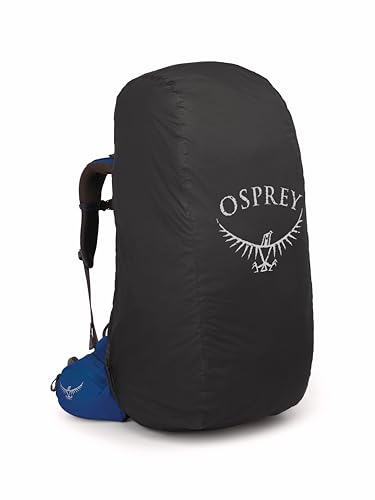
Osprey’s accessory line got a sustainability overhaul, and the Ultralight Raincover reflects that shift. The main fabric uses recycled materials and the DWR (durable water repellent) treatments are PFAS-free, so the water beading comes without the chemistry concerns of older coatings. Taped seams seal the spots where panels join, which is where cheaper covers tend to fail first.
Where the Unigear cover trades for added straps, this one keeps the profile clean and low. The honest read is that it is built for hikers who already trust the brand and want a simple, lightweight shell rather than a heavy-duty workhorse.
A Few Strong Suits
- Recycled main body fabric trims the environmental footprint
- PFAS-free DWR treatments bead water without persistent chemical concerns
- Taped seams strengthen the most common leak points
Less Ideal Details
- Lightweight build is not ideal for hauling abrasive cargo over long stretches
- Sized for specific Osprey packs, so non-Osprey owners should measure first
Feature Card
Who Will Love This
Day hikers carrying an Osprey pack who want a clean, low-profile cover from a brand they already trust.
Not Your Match When
The Unigear Backpack Rain Cover suits anyone carrying a non-Osprey pack and needing a 5000mm waterproof rating.
Travelers who already fill their pack to the brim care about packed size above almost everything else. The Onewind Compact Footprint folds down small enough to live in a jacket pocket, yet the 20D silnylon still carries a 4000mm waterproof rating thanks to its PU and silicone coatings. Pull it out when you need to sit on a wet log, lay gear on damp grass, or throw it over a small daypack in a pinch.
Compared to the larger Onewind footprint reviewed earlier, this is the storage-freak version of the same idea. It is not a dedicated pack cover, but for ultralight travelers the line between footprint and rain shield is blurrier than it sounds.
The Helpful Details
- Tiny packed size leaves room in carry-on bags and frame packs
- 4000mm rating handles the same storms as bulkier alternatives
- Silnylon is quiet in wind, unlike crinkly polyethylene footprints
Where It May Fall Short
- Limited coverage area means it will not wrap a large trekking pack fully
- Light fabric shows wear faster than 70D options on rough ground
Built With In Mind
Travelers, hostel hikers, and ultralight day-trippers with little room to spare in their pack.
Another Choice May Suit
The Tasmanian Tiger TT Raincover XL is a stronger fit for full-size backpacks above 70 liters.
Tatonka has been making outdoor gear in Germany for decades, and the Rucksack Rain Cover reflects that no-frills approach. Available in high-visibility red or camouflage green, it does one job: keep your pack dry. The simplicity is the appeal, since there is no harness of straps or complex sizing chart to wrestle with on a hurried morning.
For hikers in Europe or anyone who already runs a Tatonka pack, this fits the ecosystem naturally. Where the Unigear cover adds anti-slip straps and the Osprey adds recycled fabrics, Tatonka focuses on straightforward weatherproofing.
Points In Its Favor
- Long-standing design with a straightforward slip-on shape
- Color options improve visibility or blend into wooded terrain
- Waterproof build handles steady rain without drama
Things To Weigh
- Basic coverage lacks the anti-slip strap system of the Unigear cover
- Specs and sizing details are limited in the listing, so measuring your pack is wise
Who Should Grab It
European hikers and Tatonka pack owners who want a clean, simple rain shell without extra features.
Where Another Pick Suits Better
The Osprey Ultralight Raincover fits better for hikers who value recycled materials and taped seams.
Choosing The Right Pack Cover For Your Setup
The right cover depends on three things: pack size, trip length, and how wet your conditions actually get. Pack size matters most because an undersized cover fights your load, while an oversized one flaps in the wind. Trip length shapes weight priorities, since a thru-hiker counts every gram while a day hiker usually does not. Real-world conditions decide the rest, because a 4000mm rating handles most summer storms, while coastal and shoulder-season rain asks for closer to 5000mm or taped seams.
The fabric choice changes the ownership feel. Silnylon and 20D nylon fold tiny but want careful handling, while 70D blends shrug off scrapes at the cost of more space in your pack. If you hike with a child in a child carrier, a generic cover will not fit the frame, and a purpose-built shell is the practical answer.
Common Buying Traps And What The Upgrade Actually Buys
Mistakes Worth Dodging
Buying by waterproof rating alone is one trap, because a high number on cheap fabric with stitched seams still leaks through the needle holes. Look for taped or sealed seams when conditions get serious, and remember that 4000mm is already well above what most summer storms deliver. Another slip is grabbing a universal-size cover for a 100-liter expedition pack, which always ends with fabric stretched over the top and rain sneaking in at the bottom.
When Paying More Pays Off
Spending more on a cover usually buys stronger fabric, taped seam construction, and a better fit system. That matters most on multi-day trips, expedition loads, and routes where a soaked sleeping bag ends the journey. For a short day hike in mild weather, a simpler cover gets the job done without the weight or cost.
Frequently Asked Questions
What waterproof rating is enough for backpacking?
A 4000mm rating handles most backpacking rain, while 5000mm and taped seams are worth the upgrade in coastal or shoulder-season weather. Anything above that is mostly insurance against extreme storms.
Can a tent footprint double as a pack cover?
Yes, especially flat footprints with corner webbing loops. They will not hug a pack as neatly as a shaped cover, but in a storm the difference between a dry pack and a soaked one is small.
Do I need a pack cover if my backpack is already waterproof?
Most packs use water-resistant fabric, not fully waterproof construction, and zippers and seams leak in heavy rain. A cover adds a reliable outer layer without relying on the pack’s own DWR coating.
How do I size a backpack rain cover?
Measure your packed bag’s height and width, then match the cover to those dimensions. A cover should fully cover the top and reach near the bottom of the pack without compressing gear.
Are rain covers worth the weight for day hikes?
For short walks in light weather, a pack liner often does the job. For longer routes, commutes, or any trip with steady rain in the forecast, the small weight of a cover pays off the first time the sky opens up.
Closing Remarks
A good backpack rain cover is the kind of gear you forget about on sunny days and rely on completely in the wrong ones. Match the size to your pack, the waterproof rating to your climate, and the fabric to your trip length, and the rest is personal preference. Anything from this list will keep your kit dry, so the choice comes down to which design matches how you actually hike.