Glassing distant harbors from a mid-deck balcony is half the fun of a cruise, and the right pair of binoculars turns vague outlines into readable coastlines. Whether you’re tracking a pod of dolphins off the bow, scanning a glacier wall in Alaska, or pulling faces at passengers on a passing ship, this list rounds up nine solid options built for life at sea. Each pick is matched to a different cruising style, from ultralight pocket models to rugged full-size optics that shrug off salt spray.
A Quick View Of The Lineup

Vortex Diamondback HD 10×42 Binoculars

Bushnell 10x42mm Trophy XLT Binoculars
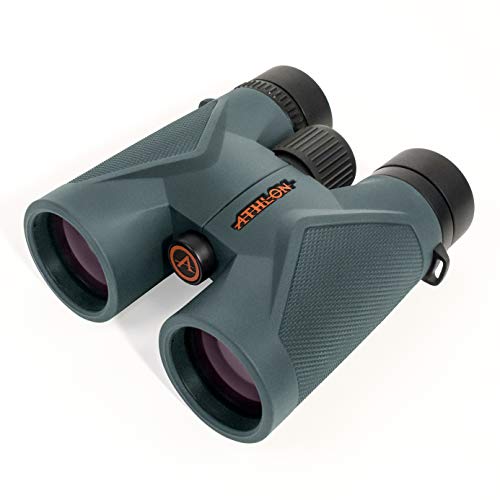
Athlon Optics 8×42 Midas UHD Binoculars

Steiner Marine 7×50 Binoculars

Vortex Crossfire HD 10×42 Binoculars
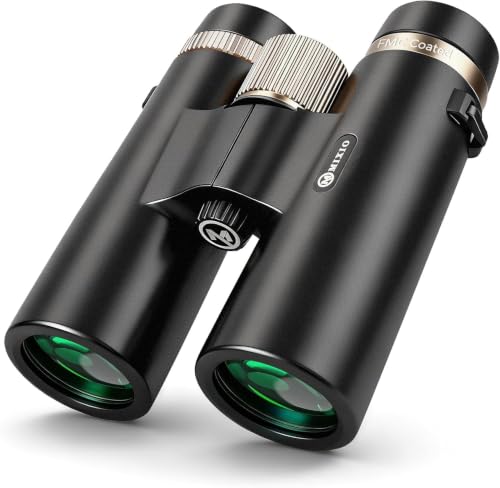
M MIXIO 12×42 High Powered Binoculars

M MIXIO 10×42 High Powered Binoculars

M MIXIO 15×56 Monocular Telescope

Aurosports 10×25 Compact Binoculars
More Details On Our Top Picks
The Diamondback HD has earned a loyal following among hikers and hunters, and that reputation carries over nicely to cruise decks. Its 10×42 configuration pairs meaningful reach with enough light-gathering diameter to keep images bright as the ship leaves port at dusk.
Fully multi-coated lenses help control chromatic aberration (color fringing around high-contrast edges), so distant harbor cranes and shoreline cliffs stay readable rather than smearing into halos. The rubber-armored chassis handles splashes and the occasional knock against a rail without drama.
Everyday Advantages
- 10x magnification pulls distant lighthouses, ships, and coastal ridges into readable detail from several hundred yards out
- 42mm objective lenses gather enough light for comfortable dawn and dusk viewing when most passengers have given up
- Fully multi-coated optics reduce glare off open water, which matters when the sun sits low over the bow
- Argon-purged (sealed with inert gas) body resists internal fogging when moving between air-conditioned lounges and humid decks
- Rubber armor and a textured grip hold steady with one hand while bracing against ship motion
Things To Consider
- Heavier than compact 25mm or 32mm models, so a neck strap or harness is worth packing for long days on deck
- 10x magnification amplifies hand shake on a moving platform; bracing against a rail is the practical workaround
- The included soft case is basic, and a hard case is worth considering for checked luggage on rough itineraries
Who It Suits Best
Travelers on multi-day cruises who want full-size optics with serious glass quality and don’t mind the extra neck weight.
Look Elsewhere When
Light packers prioritizing pocket-friendly size should reach for the Aurosports 10×25 Compact Binoculars instead.
The Trophy XLT leans into the wide-field experience that birders and casual cruisers tend to love. Compared to the Diamondback HD above, it prioritizes a broader view at the cost of some long-range reach.
That wider field makes tracking moving seabirds and following shorelines feel more natural, especially when the ship is rolling and your subject drifts across the frame. The 10x42mm format stays familiar and forgiving for first-time binocular users.
A Strong Showing
- Wide-angle view simplifies panning, which helps when following dolphins or seabirds that rarely hold a position
- Waterproof construction handles spray off the bow and sudden squalls
- 10×42 format balances reach and stability for general cruise use
- Comfortable eye relief (the distance your eye sits from the eyepiece) suits glasses wearers who want to keep their sunglasses on in bright sun
Worth Noting
- Less low-light performance than premium HD glass, so post-sunset viewing loses some punch
- Bulkier than ultralight travel binoculars, which may frustrate pack-light travelers
Key Specs
Made For
Birders, casual wildlife watchers, and travelers who want a forgiving wide view rather than maximum long-range reach.
Consider Something Else When
Cruisers chasing distant horizons across open ocean should consider the M MIXIO 12×42 High Powered Binoculars for extra reach.
The Midas UHD takes the opposite approach to magnification, dropping reach for steadiness. At 8×42, the image stays composed even when the deck shifts underfoot, which is a real advantage for first-time binocular users.
ED (extra-low dispersion) glass reduces color fringing, and that’s a feature usually reserved for pricier models. For passengers who wear glasses or share binoculars with the family, the longer eye relief (the distance your eye can sit from the eyepiece and still see the full image) helps everyone get a full view.
Real Benefits
- 8x magnification is noticeably steadier on a moving ship than 10x or 12x
- ED glass controls color fringing around high-contrast subjects like white lighthouses against blue sky
- Wide field of view helps locate fast-moving subjects quickly
- Generous eye relief works well for glasses wearers
Trade Offs
- Lower magnification means distant horizon details stay small compared to 10x or 12x alternatives
- Heavier than ultracompact travel models
At A Glance
Best Suited To
First-time cruisers, families with kids, and anyone with shaky hands who values a steady image over maximum zoom.
Not Your Match When
Travelers who want to read distant shoreline details from across a wide fjord should consider the Vortex Diamondback HD 10×42 Binoculars.
The Steiner Marine is purpose-built for water-going use, and the specs show it: large 50mm objectives that drink in low light, plus a 7x magnification that’s almost impossible to shake. Compared to the Athlon Midas above, this pair trades compactness for absolute stability and brightness.
The floating prism system (a flexible shock-absorbing mount that protects internal optics from drops and vibration) and armored body are designed for real deck use, and the rubber grip stays secure with wet hands. For open-ocean itineraries with long stretches between ports, this is the workhorse option.
Everyday Perks
- 7x magnification is the steadiest option on this list, ideal for rough seas
- 50mm objectives excel in low light, which helps during dusk arrivals and dawn departures
- Marine-grade construction handles salt spray and prolonged sun exposure
- Built-in sports autofocus keeps distant subjects sharp without constant refocusing
- Comfortable to hold for extended viewing sessions
Room For Improvement
- Bulk and weight rule out pocket carry; pack space is a real consideration
- Lower magnification makes very distant shore details harder to read
Who Will Love This
Ocean cruisers facing rough weather, salt spray, and long stretches of open water who value durability over compactness.
A Better Fit Elsewhere
River and coastal cruisers packing light will find the Aurosports 10×25 Compact Binoculars easier to live with day to day.
The Crossfire HD sits just below the Diamondback in Vortex’s lineup, and for many cruisers, that’s exactly the sweet spot. The 10×42 configuration matches the Diamondback’s, so you get the same familiar reach without paying for the higher-tier glass.
The bundled GlassPak harness is a real differentiator, letting you carry the binoculars comfortably on long shore days without a neck strap digging in. For cruise passengers who plan to wear their binoculars more than they stash them, that harness pays off fast.
The Practical Payoff
- 10×42 format delivers the most popular balance of reach and light gathering
- HD optical system improves sharpness and color over older non-HD designs
- Included harness keeps the binoculars accessible during shore excursions
- Rugged build quality holds up to typical cruise travel abuse
Honest Caveats
- Slightly bulkier than dedicated compact travel binoculars
- Glass quality falls a notch below the Diamondback HD for critical low-light use
Feature Snapshot
Perfect Match For
Budget-conscious travelers who still want HD optics and a comfortable carry system for active shore days.
Skip It When
Maximum low-light performance matters more than value; in that case, the Vortex Diamondback HD 10×42 Binoculars step up.
The M MIXIO 12×42 pushes beyond the standard 10x ceiling, and that’s the whole point. When a coastline appears miles away and you still want to read harbor names or count seabirds on a cliff, the extra magnification does real work.
The trade-off shows up in image stability: 12x amplifies every micro-shake, especially with a rolling deck underfoot. Bracing against a rail or using the binoculars from a seated position becomes routine rather than optional.
Strong Points
- 12x magnification reveals detail that 8x or 10x models simply can’t resolve at distance
- 42mm objective balances brightness against the higher zoom factor
- Waterproof construction handles spray and rain without concern
- Large eyepieces provide a comfortable viewing experience for extended sessions
Points To Note
- Noticeably heavier than 10×42 alternatives at around 1.3 lb
- Stability demands a steady hand, rail, or seated position
- Field of view is narrower than 10x models, which makes finding subjects harder
Right Fit For
Cruisers who prioritize long-distance detail over ease of use and don’t mind steadying themselves against a rail.
Reach For A Different Pick When
Stability matters more than reach; the Steiner Marine 7×50 Binoculars are steadier on rough days.
The 10×42 sibling to the 12×42 above offers a more forgiving experience for general cruise use. You give up the extra reach and gain a steadier view and a slightly wider field, which matters more than people expect when scanning shorelines.
For most cruise days, this is the configuration that requires the least adjustment. It’s approachable for first-time binocular users without feeling under-specced for veteran wildlife watchers.
Bright Spots
- 10x magnification strikes a practical balance between detail and stability
- 42mm objectives gather enough light for most viewing conditions
- Waterproof sealing shrugs off spray and sudden weather changes
- More forgiving than the 12x version for casual hand-held use
A Few Limitations
- Glass quality is a clear step behind premium HD models for twilight viewing
- Heavier than ultracompact 25mm or 32mm travel binoculars
Whose Shelf It Belongs On
Generalists who want one pair of binoculars that handles shore excursions, harbor arrivals, and casual whale watching without compromise in any direction.
Swap It Out When
Pocket carry is the priority; the Aurosports 10×25 Compact Binoculars fit a jacket pocket.
Technically a monocular (single-barrel optic) rather than binoculars, the 15×56 earns its place by solving a problem none of the binoculars above fully solve: packing serious reach into a single hand. A monocular slips into a coat pocket or day bag in ways a binocular simply can’t.
The 56mm objective pulls in significant light, and 15x magnification is the upper practical bound before stabilization becomes nearly impossible on a moving ship. Bracing is mandatory, but for solo travelers and tight luggage, the trade is worth it.
Why It Works Well
- 15x magnification reaches farther than any binocular on this list
- Single-barrel design fits in pockets and small bags where binoculars won’t
- 56mm objective gathers ample light for dawn and dusk use
- BAK-4 prism (a high-grade glass prism that improves light transmission and image clarity) helps preserve image brightness
Possible Compromises
- Single-eye viewing lacks the depth perception that binoculars provide
- 15x demands bracing against a rail or stable surface to be usable
- Not ideal for sustained wildlife tracking compared to binocular pairs
Quick Facts
Built With In Mind
Solo travelers with strict pack limits who want maximum reach in minimum space.
Another Choice May Suit
Travelers who prefer two-eye viewing for comfort should pick the M MIXIO 12×42 High Powered Binoculars instead.
The Aurosports 10×25 is the smallest pair here, and that’s its whole appeal. It fits in a jacket pocket, weighs almost nothing, and is the kind of binocular you actually have with you when the moment happens.
The 25mm objective gives up significant light gathering compared to the 42mm and 50mm models above, so low-light viewing is limited. For daytime sightseeing and quick grabs at harbor views, though, the convenience is hard to beat.
What Pays Off
- 10x magnification is impressive for a binocular this small
- Pocketable form factor means you actually use them rather than leaving them in the cabin
- Lightweight enough to wear around the neck without fatigue
- Family-friendly size works for kids and adults alike
Less Ideal Details
- 25mm objective limits brightness in low light, so dawn and dusk viewing loses detail
- Build quality is a clear step below full-size optics, so rough handling is a real concern
The Right Fit
Casual cruisers, casual birders, and anyone who values having binoculars within reach more than maximum optical performance.
Where A Sibling Pick Shines
Cruisers who want serious low-light performance should upgrade to the Steiner Marine 7×50 Binoculars.
What Matters Most Before Choosing Binoculars For Cruise
Picking the right pair starts with matching the optic to the way you actually cruise, not to the most impressive spec sheet.
Magnification Versus Stability
Higher magnification means more detail at distance, but it also amplifies every wobble, especially on a moving ship. Most cruise passengers get the best results with 8x or 10x. Anything beyond 12x typically requires bracing against a rail or seated position to be usable.
Objective Lens Size And Light Gathering
The objective lens is the front-facing glass that gathers light. Larger objectives (42mm, 50mm) produce brighter views at dawn, dusk, and in shaded fjords, but they add bulk. Smaller 25mm objectives trade brightness for pocket-friendly size. For daytime cruising, 25mm works fine; for low-light itineraries like Alaska or Norway, larger is better.
Waterproofing And Build Quality
Salt spray, sudden rain, and accidental splashes are part of life on a cruise ship. Waterproof construction protects the internals and prevents fogging. Rubber-armored bodies also handle the inevitable knock against a rail or cabin door.
Eye Relief For Glasses Wearers
Eye relief is the distance your eye sits from the eyepiece while still seeing the full image. If you wear glasses, longer eye relief (15mm or more) lets you keep them on while using the binoculars. Shorter eye relief forces you to remove glasses, which is inconvenient in bright sun.
Key Considerations Across These Picks
Where Shoppers Go Wrong
The most common mistake is choosing maximum magnification without considering ship motion. A 15x monocular sounds impressive until you try to hold it steady on a rolling deck. Equally common is overlooking waterproofing; non-sealed binoculars can fog internally when moving between air-conditioned cabins and humid decks. Finally, pack size matters more than spec sheets suggest; binoculars left in the cabin get used far less than pocketable pairs.
What Separates Premium From Basic
Higher-tier models invest in better glass elements, like HD or extra-low dispersion (ED) optics, that control chromatic aberration (color fringing) and improve low-light clarity. Premium models also tend to feature argon or nitrogen purging, which prevents internal fogging. Build quality improves too, with rubber armor, better focus mechanisms, and longer warranties. The honest read is that premium glass matters most for low-light use; for daytime cruising, mid-tier options deliver most of the experience at a lower price.
Frequently Asked Questions
What magnification is best for cruise ship binoculars?
Most cruise passengers find 8x or 10x ideal because it balances reach with stability on a moving ship. Higher magnifications like 12x or 15x are useful for very distant shorelines but require bracing against a rail.
Are waterproof binoculars necessary for a cruise?
Waterproofing is strongly recommended because salt spray, rain, and sudden splashes are common on deck. Sealed construction also prevents internal fogging when moving between air-conditioned interiors and humid outdoor areas.
Can I use compact 25mm binoculars on a cruise?
Yes, compact binoculars work well for daytime sightseeing and casual wildlife spotting. They are noticeably dimmer in low light compared to 42mm or 50mm models, so dawn and dusk viewing is limited.
Do I need image stabilization for cruise use?
Image stabilization is a useful bonus but not essential. A steady hand braced against a rail provides similar benefits at lower cost. Most cruise passengers do fine with non-stabilized optics.
What is eye relief and why does it matter?
Eye relief is the distance your eye sits from the eyepiece while still seeing the full image. Longer eye relief (15mm or more) matters for glasses wearers who want to keep sunglasses on while viewing.
The Takeaway
The right binoculars for a cruise depend less on specs and more on how you actually spend your days at sea. Heavy-duty 7×50 marine optics suit rough-weather voyages, 10×42 HD models handle most itineraries gracefully, and pocketable 10×25 pairs shine when convenience matters most. Pick the option that matches your itinerary and packing style, and those distant coastlines will pull into focus exactly when you want them to.