A cooler road trip asks more of its gear than almost any other outing. You’re loading the car at dawn, parked on blacktop by noon, and rolling into camp after dinner. Ice either survives that gauntlet or it doesn’t, and so does the food your family actually wants to eat. This roundup covers eight coolers and portable fridges that handle the heat, the bumps, and the long hours on the road, from compact hard-shell road companions to compressor-driven electric fridges that plug right into your car.
A Fast Comparison Of The Options


YETI Tundra Haul Wheeled Cooler

YETI Roadie 32 Wheeled Cooler

LAKA 45 Quart Rotomolded Cooler
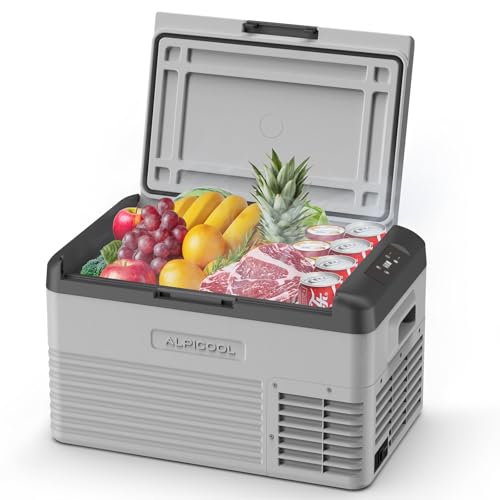
Alpicool CL30 29 Qt Car Fridge

Alpicool 28 Qt Portable Freezer

Alpicool GC30 29 Qt Car Fridge

Alpicool GC40 39 Qt Car Fridge
The Strengths Of Each Pick
The Roadie 24 sits in a sweet spot most coolers never find. Tall enough to stand a wine bottle upright, slim enough to slide behind a front seat without a fight. The redesigned shell uses a rotomolded (one-piece rotationally molded) build that shrugs off the everyday scrapes of a packed trunk.
You notice the weight drop the first time you lift it out of the back seat. For a day trip where the cooler rides from the kitchen to the car to the picnic blanket, that matters. Compared to the bulkier Tundra Haul below, this one favors mobility over capacity.
What Makes Sense
- Updated shell is lighter than the previous generation while keeping the same footprint
- Tall interior clears upright wine bottles, a small but useful design choice
- Slim profile fits between seats and behind SUVs without blocking the cabin
- Compatible with YETI’s Tie-Down kit for truck bed or boat transport
- Quick-drain spout empties meltwater in seconds, useful at the campsite
Honest Caveats
- Capacity is generous for two, tight for a family of four on day two of the trip
- No wheels, so the weight shows up on longer carries from parking to campsite
Who It Suits Best
Day-trippers and couples packing lunch, drinks, and a bottle of wine for a single overnight stop.
Skip It When
The YETI Tundra Haul makes more sense for large families hauling a full weekend of food and drink.
The Tundra Haul is the first YETI on wheels, and you feel why that matters the moment you pull it across a gravel campsite. The rotomolded shell is the same tank-tough build the brand built its name on, just bolted to a set of tires that can take the abuse.
What changes the experience is the wheel system. Solid, single-piece tires roll over curb cuts and dirt roads without going flat, which is the right trade for a cooler that often lives outdoors. Compared to the Roadie 24, this one trades compactness for raw capacity and hauling comfort.
Real-World Strengths
- One-piece rotomolded construction handles drops and rough truck-bed hauls
- NeverFlat wheels roll over gravel, sand, and cracked pavement without deflating
- Generous interior swallows a long weekend of food and drinks for a family
Points To Keep In Mind
- Even on wheels, the empty weight is substantial, so stairs and steep banks still require lifting
- Footprint is large, worth measuring your cargo area before committing
Quick Facts
Made For
Large families and tailgaters hauling a full weekend of food across rough surfaces.
Consider Something Else When
The YETI Roadie 32 Wheeled Cooler fits better when trunk space is tight but you still want a rolling option.
The Roadie 32 splits the difference between the smaller Roadie 24 and the Tundra Haul. You get a periscope handle that telescopes out for towing, the same NeverFlat wheels as the bigger Tundra, and an interior that comfortably holds provisions for two days of eating.
On the road, the retractable handle is the detail you appreciate most. It collapses flat when you don’t need it, so the cooler slides under a seatback or against a wall in a hotel room. Where the Tundra Haul is a beast for long weekends, this one feels like the Goldilocks option for most trips.
The Upside
- Periscope handle pulls out for easy towing, then retracts for storage
- Non-slip BearFoot feet keep the cooler planted on truck benches and boat decks
- LipGrip handles stay out of the way until you need them for a two-person lift
- Puncture-resistant wheels handle rocky boat ramps and gravel drives
Worth Noting
- Heavier than the non-wheeled Roadie 24 once you load it with ice and drinks
- Still smaller than the Tundra Haul for feeding a large crew over multiple days
Right Fit For
Couples and small families who want YETI build quality with wheels but don’t need a Tundra-sized capacity.
A Better Fit Elsewhere
The YETI Tundra Haul is the smarter move when you regularly feed four or more people for a full weekend.
LAKA’s 45-quart cooler borrows the rotomolded playbook from premium brands and aims it at a friendlier price point. The thick PU (polyurethane) foam walls and a tight-fitting gasket are the workhorses doing the cold-retention job, and the included basket keeps your sandwich fixings from sitting in meltwater.
In real use, this is the kind of cooler that handles a long weekend at the lake without demanding constant attention. You pre-chill your drinks, pack it tight, and the ice holds for days in moderate weather. The trade-off is no wheels, so you’ll know it in your arms on longer carries from the car to camp.
What Pays Off
- Rotomolded shell and thick foam walls deliver multi-day ice retention in the right conditions
- Included basket keeps food elevated above meltwater for easier cleanup
- Non-slip feet keep the cooler planted on boat decks and truck tailgates
- Drain plug makes end-of-trip emptying quick and tidy
Small Caveats
- No wheels or telescoping handle, so moving a fully loaded cooler takes muscle
- Performance depends heavily on pre-chilling the contents and the outside temperature
Feature Snapshot
Best Suited To
Road trippers who want YETI-style build and ice retention without the YETI price tag.
Reach For A Different Pick When
The YETI Roadie 32 Wheeled Cooler is the better answer when you also need to roll it from car to camp.
Once you go compressor, the ice-chest mental model starts to feel ancient. The Alpicool CL30 is a 12V refrigerator that drops to true freezing temperatures, runs on your car’s power outlet, and keeps milk cold or ice cream solid without a single bag of ice.
The 29-quart capacity lands at a useful size for two to three people, and the temperature range of -4°F to 68°F means it pulls double duty as fridge or freezer. Compared to the LAKA hard cooler above, you’re trading ice runs for plug-in convenience, with the catch that it needs power to run.
Strengths Worth Knowing
- Compressor cooling reaches true freezing, not just cold-drink temps
- 12/24V DC and 110-240V AC compatibility covers car, RV, and home use
- LED display shows current temperature at a glance, no guessing
- Single-zone design simplifies the controls, useful if you’ve never used a car fridge
Practical Considerations
- Requires a power source at all times, so plan for battery management off-grid
- Compressor noise can be noticeable in a quiet tent at night
Who Will Love This
Overlanders and long-haul road trippers who plug into the car outlet and want set-and-forget cooling.
Where Another Pick Suits Better
The YETI Roadie 24 Cooler is the better pick when you camp off-grid with no access to vehicle power.
The 28-quart Alpicool is the smaller sibling of the CL30, and the dimensions are tuned for the back seat of a sedan. You can slide it behind a passenger seat or wedge it into a hatchback cargo area without redesigning your packing layout.
It still pulls genuine freezer temperatures and runs on the same voltage range as the larger units. The 28-quart capacity holds roughly 40 cans, which is enough for a couple’s road trip without forcing a daily grocery stop. Against the CL30 above, the trade is size, not capability.
A Favorable Mix
- Compact 28-quart body fits in tight back-seat and cargo spaces
- Wide 12/24V DC and 110-240V AC compatibility for vehicle and shore power
- Operates as fridge or freezer with the same temperature controls as larger units
Factors To Consider
- Less interior space than the CL30, so meal planning matters more
- Compressor units use battery power, factor in your alternator and battery health
Feature Card
Perfect Match For
Sedan and compact SUV owners who want compressor cooling without sacrificing cabin space.
Not Your Match When
The Alpicool GC40 makes more sense for families who need the extra room for three or more days of food.
The GC30 leans into the same fast pull-down performance as the bigger Alpicool units, with a MAX mode that drops temperatures quickly when you load warm drinks from a roadside store. The ECO mode is the everyday setting, tuned to sip battery rather than gulp it.
In hot climates, that fast pull-down is the feature you’ll brag about. Pre-cooling a warm interior used to mean waiting and waiting, but the compressor design eats that problem for breakfast. Side by side with the CL30 above, the difference is the speed-versus-efficiency tuning rather than capacity.
Points In Its Favor
- MAX mode pulls interior temperature down fast, useful after loading warm items
- ECO mode runs more efficiently for overnight use without draining your battery
- Compressor technology beats older semiconductor coolers for speed and depth of cooling
Where It May Fall Short
- Compressor cycling produces a low hum that may bother light sleepers in a tent
- Single-zone design forces a single temperature across the whole interior
Built With In Mind
Hot-climate road trippers who load warm drinks often and need fast recovery cooling.
Look Elsewhere When
The LAKA 45 Quart Rotomolded Cooler is the right answer for true off-grid trips where no power is available.
The GC40 is the big sibling of the GC30, and the extra 10 quarts of space change the way a family road trip plays out. You can pack a full run of breakfast supplies, lunch fixings, and dinner proteins for two or three days, all at freezer temps, all without ever buying ice.
That capacity comes with a footprint that needs planning. In most SUVs and truck cabs, the GC40 lives happily in the cargo area, but smaller sedans will feel the squeeze. Compared to the GC30, you’re trading cabin space for genuinely longer stretches between grocery stops.
Real Benefits
- 39-quart interior feeds a family for two to three days without resupply
- Same MAX and ECO compressor modes as the smaller GC30 for flexible use
- Runs on 12/24V DC and 110-240V AC for vehicles, RVs, and home backup
Possible Compromises
- Larger footprint demands a real cargo area, so measure your trunk first
- Heavier than the GC30 even empty, which shows up during loading and unloading
Spec Overview
Whose Shelf It Belongs On
Families running multi-day trips who want compressor convenience with full-size capacity.
Swap It Out When
The Alpicool CL30 is the better fit for solo travelers and couples who don’t need the extra interior space.
What To Match Your Road Trip Style Against
Capacity sets the floor for your cooler decision, but it’s not the only variable. A 45-quart hard cooler for two people is overkill, while a 28-quart compressor fridge for a family of four is a recipe for constant restocking. Match size to crew and trip length first, then check how the cooler moves with you.
Ice retention matters most for hard coolers in summer sun. Rotomolded shells with thick foam walls hold ice longer than cheaper injection-molded (plastic melted and shot into a mold) alternatives, but no passive cooler keeps ice forever. Plan on refilling ice every two to three days, or skip the ice entirely with a compressor fridge. Electric units need a power plan, so consider whether your rig has a dual-battery setup or a campsite with shore power (a hookup to an external electrical outlet at a campground).
Portability shapes the day more than most shoppers expect. Wheels help on long carries from the parking lot to a beach or picnic spot, but they add weight and bulk. Hard coolers without wheels are easier to lift into trunks and stack with luggage, while wheeled models win on flat ground. Pick the friction you’d rather deal with on your specific trip.
Key Considerations Across These Picks
Wrong Turns To Avoid
The most common mistake is choosing a cooler that’s too small and buying a second one mid-trip. A rough rule: 10 quarts per person per day for a hard cooler with ice, and 8 quarts per person per day for a compressor fridge. Skipping that math leads to overflow and warm drinks.
Another trap is buying a hard cooler for off-grid camping. Passive coolers need ice, and ice melts. If you camp far from ice resupply, a compressor fridge with a portable power station is the honest answer, even at higher upfront cost. Match the cooler to the realistic power situation on the road.
Where The Extra Money Goes
Premium hard coolers earn their price through rotomolded construction, thicker insulation, and hardware that doesn’t corrode after a season. The mid-tier LAKA build shows how that construction can land at a friendlier price, but the brand reputation behind the shell still matters over years of use.
In compressor fridges, higher tiers typically mean faster cooling, lower draw, and more reliable temperature holding in extreme heat. The MAX and ECO modes on the Alpicool units are a good example of that engineering showing up in the real-world user experience. Pay for the cooling speed and battery efficiency if your trips run long or your routes swing through hot climates.
Frequently Asked Questions
How long does ice last in a rotomolded hard cooler?
In moderate weather, a well-packed rotomolded cooler holds ice for three to five days, and high-end models can stretch further in the right conditions. Pre-chilling the contents and minimizing how often you open the lid makes the biggest difference.
Can a 12V cooler run while the car is off?
Yes, but it draws from your battery. Most portable fridges sip around 1 to 3 amps per hour, so a healthy car battery can run a small unit overnight. For multi-day off-grid use, a portable power station or dual-battery setup is the safer choice.
Do I need a compressor fridge or a hard cooler for a road trip?
It depends on access to ice and power. Hard coolers are simpler and cheaper, ideal for trips with regular ice stops. Compressor fridges are worth the cost when ice is hard to find or when you want set-and-forget cooling for perishable food.
How big should a cooler be for a family of four?
For day trips, 40 to 50 quarts is comfortable. For multi-day trips, step up to 60 quarts or larger with a hard cooler, or 35+ quarts with a compressor fridge. The right size also depends on how much of the load is drinks versus food.
Are portable car fridges noisy?
Compressor fridges produce a low hum when the compressor cycles, similar to a small dorm fridge. Most people find the sound unobtrusive while driving, though light sleepers in a quiet tent may notice it overnight.
Wrap Up
The right cooler road trips gear depends on how you actually travel, not just how long the trip is. Day-trippers on paved roads and families camping near their car will be happy with a quality hard cooler, while overlanders and long-haul road trippers get more out of a compressor fridge they can plug in. Pick the build that matches your power situation, your crew, and the way you pack the car, and the rest of the road trip tends to take care of itself.