The search for a cooler that fits in a backpack usually starts the same way: you’re packing for a trail, a long train ride, or a kid’s tournament and don’t want to lug a hard-shell beast on your shoulder. Backpack coolers trade some raw capacity for hands-free carry, which matters more than spec sheets admit. These eight picks cover everything from soft daypacks to wheeled hard coolers, so you can match the format to the trip instead of forcing a square peg into a hiking trail.
A Fast Comparison Of The Options

Igloo Peanuts Snoopy Soft Sided Cooler
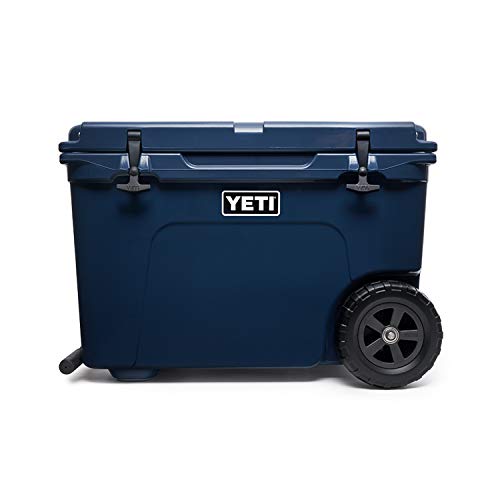
YETI Tundra Haul Portable Wheeled Cooler

TOURIT 38 Cans Backpack Cooler
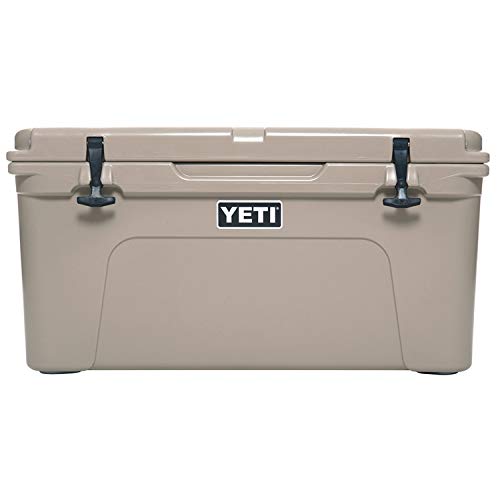
YETI Tundra 65 Cooler (Desert Tan)

YETI Roadie 32 Wheeled Cooler
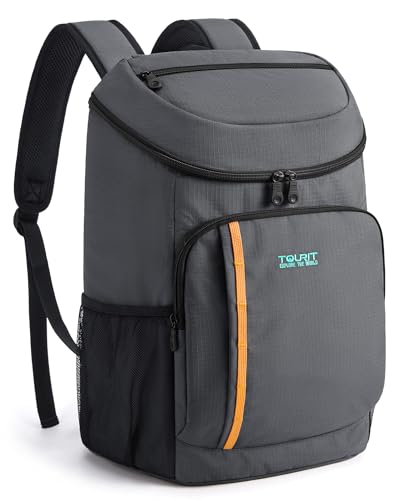
TOURIT 30 Cans Lightweight Cooler Backpack

TOURIT 30 Cans Double Deck Lunch Backpack

SPARTER Backpack Cooler 33/49 Can
Taking A Closer Look At The Options
This soft-sided pick leans hard into personality, with embroidered Snoopy and Charlie Brown artwork set against a retro color-blocked panel layout. The exterior is built from 600-denier canvas with a water-resistant faux-suede face panel, so a quick rain shower at the soccer field won’t soak through. It’s clearly aimed at parents packing lunches or anyone who wants a cooler that doesn’t look like every other soft pack on the trail.
Inside, the insulated liner does the actual work of holding temperatures, and the front pocket gives you a small staging area for utensils or snacks. Capacity sits on the modest side, so you’re packing for one or two people rather than a tailgate crew. Think of it as a personality-forward lunch hauler, not a long-haul ice chest.
The Case For It
- Durable 600D canvas shell holds up to daily playground use
- Water-resistant faux-suede panel handles splash and light rain
- Front utility pocket keeps napkins and utensils close at hand
- Licensed artwork is a conversation starter with kids
- Lightweight form is easy for small hands to carry
Things To Consider
- Capacity runs small for full-day group outings
- Faux-suede may show dirt and require spot cleaning over time
Feature Snapshot
Best Suited To
Parents packing school lunches and casual park-goers who want a cooler with character.
Consider Something Else When
You need real hiking capacity, in which case the TOURIT 38 Cans Backpack Cooler is the better trail-ready upgrade.
The Tundra Haul is YETI’s answer to a recurring problem: hard coolers are indestructible but awful to move across a parking lot. NeverFlat Wheels, meaning a solid one-piece tire construction, take the load off your back, while the StrongArm Handle uses welded aluminum and grippy contact points to feel planted even at full capacity. It carries the same rotomolded shell and lid-latch system that made the Tundra lineup famous.
Compared to the Snoopy soft cooler above, this is a different category entirely: a wheeled cargo cooler, not something you’d toss over a shoulder. You trade the backpack-friendly footprint for serious thermal performance and the kind of build that shrugs off tailgates, boat decks, and rocky campsites.
Useful Touches
- NeverFlat solid wheels handle rough asphalt and gravel
- Welded aluminum StrongArm handle provides leverage for heavy loads
- Rotomolded body matches the rest of the Tundra lineup
- Heavy-duty rubber T-Rex lid latches resist breakage over time
Worth Noting
- Tall body can be awkward to load into some SUV cargo areas
- Empty weight runs heavy compared to soft packs
- Wheels add bulk for storage in tight apartments
Who It Suits Best
Tailgaters and campers who move serious volume but want wheels instead of a rope-and-tow setup.
Look Elsewhere When
You want a shoulder-friendly soft pack for trail use, in which case the SPARTER Backpack Cooler delivers more hands-free carry.
The TOURIT 38 Cans splits your load across two stacked compartments: a smaller 4-liter top section for dry goods, snacks, or utensils, and a 24-liter bottom that’s the real insulated cooler. Total dimensions run roughly 11.8 by 8.3 by 17.5 inches, so the pack sits tall on your back without ballooning outward. It’s pitched at hikers who want to keep sandwiches separate from cold drinks.
Where the Snoopy cooler is all charm, this one is pure utility. The split design pays off when you’re carrying both a packed lunch and drinks, or when you want to stage ice separately from anything that should stay dry. It’s noticeably larger than the 30-can TOURIT covered later, so check the dimensions against your torso length before committing.
Standout Benefits
- Dual compartments keep cold drinks separate from dry food
- 38-can capacity handles family-sized day outings
- Leak-proof liner construction contains melted ice
- Tall, narrow profile clears narrow trail sections
Trade Offs
- Taller pack can shift load on shorter torsos
- More zippers mean more potential failure points over years of use
Quick Facts
Made For
Day hikers and picnickers who need both food-grade space and a generous drink compartment in one pack.
Skip It When
Your trips are short and you want something lighter, in which case the TOURIT 30 Cans Lightweight Cooler Backpack is a leaner carry.
The Tundra 65 is the closest thing in this roundup to a stationary fortress. Rotomolded construction, meaning the plastic shell is rotationally cast as one continuous piece, wraps a thick layer of PermaFrost Insulation. Ice retention here is the headline feature, and the FatWall design pushes extra foam thickness into the walls rather than the lid. The whole cooler is also certified bear-resistant, which says a lot about how seriously the latch and shell are built.
This is the opposite end of the spectrum from the Snoopy soft pack and even the TOURIT backpacks: a big, heavy, multi-day cooler meant for the truck bed or campsite, not your shoulders. If you need volume and days of cold holding without a power source, the Tundra 65 still sets the category benchmark.
A Strong Showing
- PermaFrost Insulation plus FatWall design extends ice retention
- Bear-resistant certification for true backcountry trips
- Single-piece rotomolded shell resists cracking under stress
- T-Rex lid latches use heavy-duty rubber instead of brittle plastic
- Holds a generous load of fish, game, or food for groups
Points To Keep In Mind
- Heavy and awkward to move without wheels or a second person
- Truck-bed-only size rules out casual day use
At A Glance
Who Should Grab It
Multi-day campers, hunters, and basecamp cooks who need serious volume and don’t mind the weight.
A Better Fit Elsewhere
You want something you can actually carry on a hike, in which case the YETI Tundra Haul adds wheels to the same tough build.
The Roadie 32 sits in the middle of YETI’s lineup: smaller than the Tundra 65, but built around the same rotomolded toughness with the addition of NeverFlat wheels and a retractable Periscope Handle. LipGrip Handles stay flush against the body so they don’t catch on car doors or boat rails, and Bearfoot non-slip feet keep the cooler planted on slick surfaces. Capacity lands at roughly the size of a beach day for two or three people.
It’s the most day-trip-friendly YETI on this list and a better match than the Tundra 65 if you don’t need to feed a crowd. The Periscope Handle retracts for storage, which is a real win for apartment dwellers who don’t have garage space.
Where It Delivers
- Retractable Periscope Handle collapses for clean storage
- NeverFlat wheels handle sand and uneven pavement
- LipGrip Handles stay flush to avoid snags
- Bearfoot non-slip feet grip wet boat decks
- Smaller footprint fits behind a car seat
Room For Improvement
- Still heavy for a one-person lift into a hatchback
- Smaller capacity means more ice refills on long days
The Right Fit For
Beachgoers and weekend tailgaters who want hard-cooler performance in a more portable package.
Swap It Out When
You’re feeding a large group on a multi-day trip, in which case the YETI Tundra 65 covers the same audience at scale.
This is the entry-level TOURIT soft pack, and the lightest option in the roundup at roughly 1.1 pounds empty. Dimensions come in at about 13 by 7.5 by 17 inches, which keeps the body slim against your back on short hikes. A high-density insulation layer and a leak-proof inner liner work together to keep ice and condensation inside the bag rather than on your shirt.
Capacity sits around 30 standard 330-milliliter cans, which is plenty for a couple on a half-day hike or a family at the splash pad. It’s the natural starting point for anyone who hasn’t carried a cooler backpack before, and it weighs less than most laptop bags.
Useful Strengths
- Lightweight empty weight reduces fatigue on shorter trails
- Leak-proof liner keeps condensation from soaking straps
- Slim profile suits narrower shoulders and smaller frames
- Lower price point for first-time cooler backpack shoppers
Practical Considerations
- Insulation window is shorter than premium hard coolers
- Strap padding can feel thin under heavier loads
Whose Shelf It Belongs On
Casual hikers and picnickers stepping into the cooler-backpack category for the first time.
Reach For A Different Pick When
You want longer ice retention and a sturdier shell, in which case the TOURIT 38 Cans Backpack Cooler adds capacity and dual compartments.
The Double Deck Lunch Backpack borrows the same high-density insulation and wipe-clean leak-proof liner from the wider TOURIT line, then layers in a stacked layout for separating food from drinks. Dimensions run about 12 by 6.5 by 17 inches, keeping the bag narrow and short enough to wear on a commuter train without bumping into fellow passengers. Front pockets keep utensils and napkins within reach.
Where the Igloo Snoopy soft cooler is playful, this one is purpose-built for the office fridge or school cubby crowd. The double-deck approach also makes it easier to grab a drink from the top without digging through ice.
What Helps Most
- Double-deck layout speeds up lunch access
- Wipe-clean lining handles spills from ice packs
- Narrow profile fits under most desks and train seats
- Insulation holds temperatures for standard workday windows
Things To Consider
- Lunchbox proportions limit large-bottle storage
- Fabric shell isn’t as rugged as rotomolded hard coolers
Perfect Match For
Office commuters and students who want a single bag for lunch, snacks, and a drink.
Where Another Pick Suits Better
You need weekend-trip capacity, in which case the SPARTER Backpack Cooler delivers bigger volume for the same backpack form factor.
The SPARTER Backpack Cooler pushes the soft-pack format to its capacity ceiling, with enough room for roughly 33 to 49 cans depending on packing density. A thickened 8-millimeter foam layer combined with a silver PEVA seal targets roughly 20 hours of cold retention, which is plenty for a beach day or a long drive. The seamless hot-pressed liner adds a real leak barrier, though it’s worth flagging that the zipper itself isn’t fully waterproof.
It carries more than the TOURIT 38 Cans pack covered earlier and does so at a similar backpack-friendly footprint. The honest trade-off shows up in strap comfort: pack it full and you’ll feel every can.
Notable Gains
- Large internal capacity for group beach or tailgate days
- 8mm foam insulation targets long cold-hold windows
- Silver PEVA seal adds extra thermal and leak resistance
- Backpack straps free your hands for kids, gear, or a beach umbrella
Less Ideal Details
- Zipper design means the bag should be carried upright to avoid seepage
- Fully loaded weight can strain shoulder straps on longer walks
- Bulky when empty, harder to store than a smaller daypack
Technical Highlights
Built With In Mind
Beach groups and family picnics that need big capacity without giving up hands-free carry.
Not Your Match When
You carry short solo hikes, in which case the TOURIT 30 Cans Lightweight Cooler Backpack is a friendlier everyday weight.
What To Weigh Before Choosing a Backpack Cooler
Capacity Versus Carry Comfort
The single biggest trade-off in this category is how much you can pack versus how long you want to carry it on your shoulders. A 30-can pack feels fine for a couple of miles, while a 49-can load makes itself known by the halfway mark. Match capacity to trip length, not to wishful thinking about leftovers. Rotomolded hard coolers like the Tundra 65 ignore this trade-off by leaning on truck beds and wheels, so they make sense only when you have a vehicle staging the trip.
Insulation And Ice Strategy
Insulation is rated in two ways: foam thickness and ice retention hours. The SPARTER’s 8-millimeter foam and the TOURIT packs’ high-density layers are designed for all-day holds, not multi-day trips. Pre-chilled contents and frozen water bottles beat loose ice for keeping temperatures stable. Hard coolers with PermaFrost-style insulation stretch into multiple days but cost you in weight.
Form Factor And Use Case
Backpack-style soft coolers shine when you need hands-free movement, like biking to a picnic, hiking to a lake, or juggling kids at the park. Wheeled hard coolers like the Tundra Haul and Roadie 32 win on flat ground but get awkward on stairs or sand. Soft totes like the Igloo Snoopy sit in between: easier to carry than a hard cooler, less wearable than a true backpack.
Practical Ownership Notes
Soft coolers need the liner wiped down after every use to prevent mildew at the seams. Backpack straps should be checked periodically, especially on heavily loaded packs, because webbing tends to fray before the rest of the bag fails. Hard coolers reward a quick rinse of the drain plug and a glance at the latches before storage.
Key Considerations Across These Picks
Where Shoppers Go Wrong
The most common mistake is choosing capacity over comfort and discovering it halfway through a hike. A 49-can backpack cooler sounds generous until you’re carrying it on a three-mile trail in summer heat. The other trap is assuming all “leak-proof” claims are equal: some bags use sealed liners while others rely on standard zippers that admit moisture when laid flat. Reading the fine print on zipper behavior matters more than the headline insulation claim.
Where The Extra Money Goes
Premium hard coolers earn their higher cost through rotomolded shells, thicker foam walls, and hardware like rubber T-Rex latches that survive years of rough use. Soft-cooler premiums tend to fund longer ice retention, more durable outer fabrics, and smarter pocket layouts. The upgrade makes sense if you camp often or carry food for groups, but casual day-trippers get most of the benefit from the mid-tier options.
Frequently Asked Questions
What size backpack cooler do I need for a day hike?
For one or two people on a half-day outing, a 30-can soft pack is plenty. Larger groups or full-day trips with food and drinks push you toward the 38- to 49-can range, keeping in mind the carry weight tradeoff.
How long do backpack coolers actually keep ice?
Soft backpack coolers typically hold ice for roughly 16 to 20 hours depending on outside temperature and how full the bag is. Hard rotomolded coolers stretch that window into multi-day territory but cost you in weight and portability.
Can I put ice directly in a backpack cooler?
Most backpack coolers in this category are designed with leak-proof liners that handle loose ice and melted water. Lay the bag flat only briefly, since most designs work best when carried upright to keep the seal effective.
Are backpack coolers better than tote coolers?
Backpack coolers win for hands-free carry on trails, bikes, and crowded venues. Tote coolers are simpler to load in a car trunk and tend to cost less, but they get tiring on longer walks.
How do I clean a backpack cooler after use?
Wipe the inner liner with a damp cloth and mild soap, then leave the bag open to air-dry completely. Skipping the drying step is the fastest path to mildew, especially along zipper seams.
Bottom Line
The right backpack cooler depends entirely on the trip: a quick lunch at the park points you to the playful Igloo Snoopy or the TOURIT Double Deck Lunch pack, while a full day on the trail makes the TOURIT 38 Cans or SPARTER the smarter carry. Multi-day basecamps and tailgates still belong to the wheeled YETI hard coolers, which trade portability for raw thermal performance. Pick the format that matches your real trip, and you’ll never feel stuck hauling the wrong cooler again.