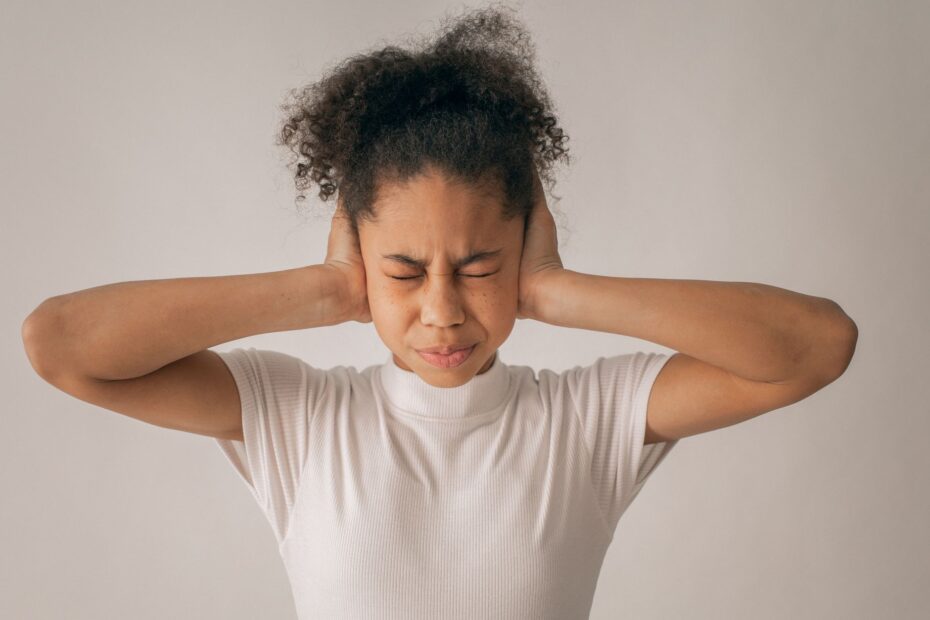
Cabin-pressure shifts on ascent and descent drive pressure equalization across your eardrum. Air moves through each Eustachian tube to balance the middle ear, producing a click or pop. Trouble begins as nasal congestion or swelling slows that airflow and leaves your hearing muffled or painful.
The details below cover pressure shifts, gentle equalization, congestion, children, and warning signs, so you can make calmer choices from boarding through arrival.
Cabin Pressure Changes Create the Pop
At 30,000 feet, cabin pressure remains lower than pressure at sea level. As the aircraft climbs or descends, pressure outside your eardrum shifts. Air inside the middle ear must shift with it, or the eardrum (tympanic membrane) bends inward or outward.
Airplane ear, also called aerotitis media or ear barotrauma, describes stress across the eardrum caused by unequal air pressure. Even a modest pressure mismatch can cause fullness, a dull ache, or muffled hearing because the membrane moves less freely.
A pop does not automatically signal damage. The sound marks a brief release as pressure becomes closer on both sides of the eardrum. Your ear can feel normal again within moments after that release.
Cabin pressure changes matter most during descent and ascent because those phases move air in opposite directions. You feel the result in the middle ear, not in the ear canal, which explains why earwax removal or ear drops rarely solve a pressure problem.
That distinction matters because only the passage connecting the middle ear to the throat can rebalance pressure.
The Eustachian Tube Moves Air Behind the Eardrum
Each Eustachian tube runs from the middle ear toward the back of the nose and throat. It stays closed for much of the day, then opens briefly during swallowing, chewing, or yawning. That short opening gives air a path across the eardrum.
The Middle Ear Holds a Small Air Space
Your middle ear sits behind the eardrum and contains air. The eardrum works best as pressure in that space matches cabin pressure. A mismatch can make sound seem distant, as though cotton sits in your ear.
The Eustachian tube works like a small valve. Air moves between the middle ear and upper throat each time the tube opens. That movement can produce the click or pop you hear during a flight.
Jaw and Throat Movements Open the Tube
| Body movement | Change behind the eardrum | Common sensation |
|---|---|---|
| Swallowing lifts throat muscles. | The tube can open briefly. | You may hear a soft click. |
| Yawning widens the jaw and throat. | Middle-ear air can shift. | You may feel pressure ease. |
| Chewing moves the jaw repeatedly. | The tube gets repeated chances to open. | You may feel several small pops. |
Swallowing and yawning work because they move muscles near the tube opening. They do not change pressure in the ear canal itself. For your ears, steady gentle movement gives the tube more chances to open than waiting until pain builds.
That mechanism also explains why a hard attempt can backfire. Your goal is a small pressure release, not a dramatic crack. Mild clicks during descent are a better sign than pain or straining.
Descent Places More Demand on the Middle Ear
During ascent, cabin pressure falls and air in the middle ear expands. That expanding air can move outward through the Eustachian tube with less effort. Takeoff can still cause pressure, but the direction of airflow is more forgiving.
| Flight phase | Cabin pressure direction | Middle-ear air movement |
|---|---|---|
| Ascent | Cabin pressure drops. | Expanding air moves outward. |
| Descent | Cabin pressure rises. | Air must move inward. |
Descent reverses the pressure pattern. Rising cabin pressure pushes inward on the eardrum, while fresh air must enter the middle ear through a tube that can be swollen or slow to open. That is why ear pressure during flight can feel strongest near landing.
You may feel fullness, muted sound, repeated popping, or a focused ache during the final 20 minutes of descent. A traveler with spring allergies can feel fine at takeoff, then develop ear pain when landing as nasal swelling narrows the tube opening.
Your response should start before discomfort becomes sharp. Stay awake as descent begins, keep water nearby, and begin swallowing before the cabin pressure rise becomes obvious. Small actions at that point are easier on the eardrum than late, forceful attempts.
Starting before discomfort appears turns equalization from a rescue maneuver into a manageable habit.
A Flight-Day Routine Reduces Pressure Buildup
Pressure relief works best as a routine rather than an emergency response. Short flights can begin descent soon after the seatbelt sign turns off, leaving less time for your ears to adjust. Set out what you need before landing preparation begins.
- Before boarding: Check for nasal congestion, pack water, and bring gum or an age-suitable sucking option for descent.
- During climb: Start swallowing or slow jaw movements as the aircraft gains altitude rather than waiting for a blocked sensation.
- Before descent: Finish a restroom visit and keep water or gum within reach before cabin crew landing preparation.
- Near landing: Stay awake and swallow, chew, or yawn every few minutes while cabin pressure rises.
- After arrival: Continue gentle swallowing as you walk through the terminal, especially after a congested trip.
Your most useful window is the final part of descent, not the moment the wheels reach the runway. A sleeping passenger loses repeated swallowing opportunities, so waking before landing can make a real difference for your middle-ear pressure.
Start equalizing at the first hint of fullness. Waiting until your ear hurts leaves a narrowed tube with less room to open gently.
Gum is not required for pressure equalization. Water, saliva, a yawn, or a slow jaw movement can work because each action encourages swallowing and throat movement. Pick an option you can repeat comfortably through descent.
Gentle Equalization Methods Limit Strain
Repeated small openings place less strain on the eardrum than a single hard push. Chewing gum, sucking candy, sipping water, swallowing, and a broad yawn are sensible starting methods for how to pop your ears on a plane.
The Valsalva Maneuver Uses Light Pressure
Swallowing and yawning do not always open a congested tube. A gentle Valsalva maneuver can add a small inward flow of air. Close your mouth, pinch your nostrils, and blow very lightly without letting air escape through your lips.
Stop as soon as pressure eases. Hard blowing can worsen pain, trigger dizziness, or injure the eardrum. Your successful attempt should feel mild, not like straining to inflate a balloon.
Hard Blowing Is Not a Better Method
- Use light pressure: Aim for a subtle release rather than a loud crack or painful shove.
- Pause between attempts: Swallow or yawn between tries so throat muscles have time to open the tube.
- Stop with pain: Sharp pain, spinning sensations, or worsening blockage signal that you should stop hard attempts.
- Avoid ear candles: The pressure mismatch sits behind the eardrum, and ear candles can burn skin.
That restraint matters most as swelling blocks airflow. A narrowed tube does not respond well to greater force. For your next flight, focus on earlier swallowing and gentler pressure changes rather than repeated hard blowing.
When airflow is restricted by swelling, even well-timed techniques may provide only limited relief.
Nasal Congestion Can Narrow the Tube Opening
A cold, allergy flare, sinus congestion, or recurring Eustachian tube dysfunction can shrink the passage air needs to cross. Nasal congestion affects the tube entrance near the throat, so your ear can feel blocked even with a clear ear canal.
Your travel plans deserve a realistic check during heavy congestion. Postponing nonessential air travel can spare you severe discomfort. For necessary travel, a clinician or pharmacist can discuss whether decongestants or nasal sprays fit your health history.
Oral decongestants can raise heart rate or blood pressure, and they can clash with some medicines. Pregnancy, heart conditions, high blood pressure, and glaucoma call for individualized medical advice.
Short-term nasal sprays can reduce swelling for some travelers, but use beyond label directions can lead to rebound congestion. Persistent tube trouble deserves clinical care, especially after the same severe flight pattern repeats. That approach aligns with guidance from the American Academy of Otolaryngology-Head and Neck Surgery.
Medication is not the only factor. Hydration, sleep, allergy control already discussed with a clinician, and timely swallowing during descent all affect your comfort. Your safest plan accounts for both congestion and the direction of cabin pressure change.
Children Need Help With Swallowing During Descent
Babies and young children cannot reliably describe ear pressure, and children’s Eustachian tubes can equalize less efficiently. Crying near landing can reflect fatigue, hunger, or ear discomfort, so a prepared response works better than guessing.
Your child benefits from swallowing during descent. Offer breast or bottle feeding, a drink from an age-suitable cup, or a pacifier for an infant. Gum and hard candy do not belong with children who could choke.
- Stay awake nearby: Your child gets more chances to swallow as cabin pressure rises.
- Keep a drink ready: Small sips can prompt repeated swallowing without a struggle.
- Use familiar items: A usual bottle, cup, or pacifier can reduce resistance in a noisy cabin.
- Track severe episodes: Your pediatrician needs details about repeated pain, fever, drainage, or hearing changes.
Recurring severe symptoms deserve pediatric advice before another trip, particularly after ear surgery, an active ear infection, or ongoing hearing concerns. Your plan can then match the child’s medical history instead of relying on cabin routines alone.
A child who sleeps through descent does not need to be startled awake solely for ear pressure. But a child with a history of painful flights may benefit from a calm wake-up shortly before descent, followed by a drink or pacifier.
Blocked Ears Can Linger After Landing
For hours after touchdown, fullness and mild muffled hearing can persist when the tube remains swollen or slow to reopen. Ears blocked after flying can clear within minutes or several hours. A cold or allergy flare can extend that blocked feeling into the next day or longer.
Gentle Steps After Landing
Swallowing, yawning, hydration, and light jaw movement give the tube repeated chances to open after the cabin-pressure shift ends. You can repeat a mild Valsalva maneuver, but hard repeated blowing is not a home fix for a stubborn blockage.
Ear drops rarely solve this problem because the mismatch sits behind the eardrum rather than in the ear canal. Track whether your hearing improves, stays unchanged, or worsens over several hours after arrival.
Symptoms That Need Medical Care
Persistent severe pain, ongoing hearing loss, spinning dizziness, bleeding, or ear drainage can point to significant ear barotrauma. An urgent care clinician can inspect the eardrum, while an ENT specialist can look into recurring tube dysfunction or stubborn hearing changes.
You should seek prompt medical care for sudden major hearing loss, severe vertigo, drainage, or blood. Those signs go beyond routine ears popping during flights and deserve more than repeated pressure maneuvers.
Lasting symptoms deserve attention because the eardrum can remain irritated after a strong pressure mismatch. Your clinician can check for fluid, membrane injury, or another ear condition that does not match routine airplane ear.
Practical Takeaways for Your Next Flight
Your ear is built to equalize pressure, but descent asks it to move air inward through a narrow passage at the moment congestion can interfere. Start swallowing before discomfort rises, use gentle methods rather than force, and seek care for severe or lingering symptoms.
Most pops are part of normal pressure balancing. Pain, drainage, blood, severe dizziness, or major hearing changes are different signals. Your next step should match the symptom rather than treating every pop as damage.
FAQ
How do you stop your ears from popping when flying?
You cannot and should not stop every pop because the sound can mark healthy pressure equalization. Your goal is to reduce painful pressure by swallowing, chewing gum, sipping water, yawning, and staying awake during descent so your Eustachian tubes open repeatedly.
What happens if your ears do not pop on a flight?
Your middle-ear pressure can remain mismatched with cabin pressure, causing fullness, muffled hearing, and pain. Mild blockage can fade after landing, but severe pain, drainage, vertigo, or persistent hearing loss can signal barotrauma that needs medical care.
How do you unblock your ears before a flight?
Your best preparation is addressing congestion before travel with hydration and appropriate medical advice. A clinician or pharmacist can discuss oral decongestants or nasal sprays for your situation, while medication choices should fit pregnancy, heart conditions, blood pressure concerns, and current medicines.
How long do blocked ears last after flying?
Your blocked sensation can clear within minutes or several hours after landing as the Eustachian tube opens. Congestion can keep your ear full into the next day or longer, while persistent hearing changes, severe pain, dizziness, bleeding, or drainage warrant medical care.
Why do ears hurt more during landing than takeoff?
Your cabin pressure rises during descent, so air must enter the middle ear to match it. That inward movement is harder through a swollen or blocked Eustachian tube, leaving the eardrum pulled inward and producing sharper pain.
What causes ears to pop during flights?
As the aircraft climbs or descends, changing cabin pressure affects the area around the eardrum. Your Eustachian tubes open briefly to move air into or out of the middle ear, bringing pressure on both sides of the eardrum closer together.