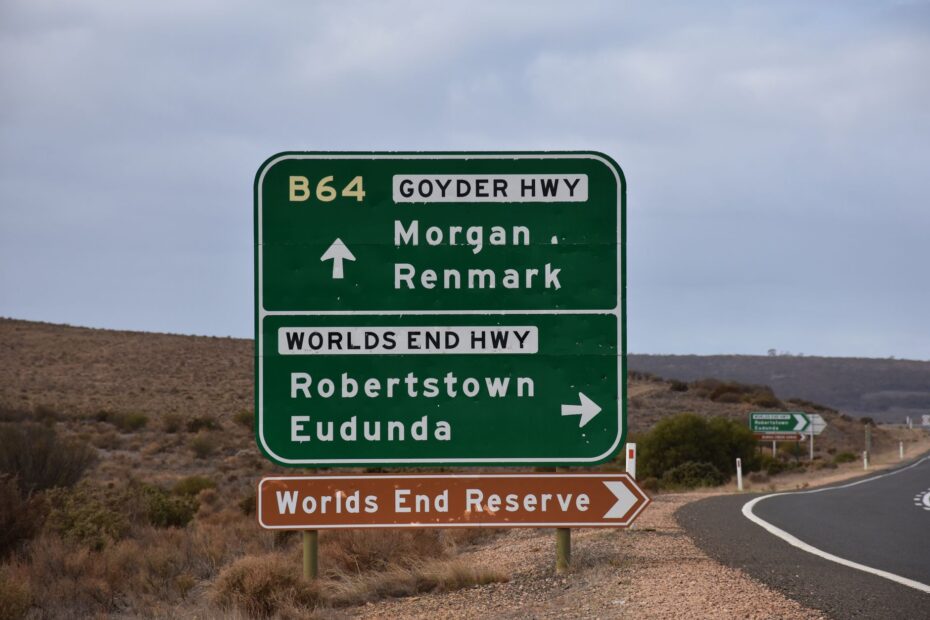
Behind the wheel, you choose the route, stops, and timing, while an operator handles transportation, lodging, and sightseeing on a fixed itinerary. Your choice turns on control, planning work, privacy, and destination complexity.
This comparison covers costs, group pace, local knowledge, and hybrid itineraries for travelers choosing between independent travel and organized support.
Control Separates the Two Travel Formats
Road Trips Put You in Charge
A road trip is self-directed travel where you or your party select the driving route, stops, lodging, activities, and daily rhythm. You could leave Denver at sunrise, spend two hours at Garden of the Gods, then switch your overnight stop after finding a cabin outside Salida.
Your vehicle becomes transport and base camp. That control suits a couple wanting long coffee breaks, a family needing an unscheduled pool afternoon, or a repeat visitor who already knows which neighborhoods deserve extra time.
Guided Tours Run on a Shared Schedule
A guided tour is an arranged trip where an operator coordinates transport, accommodation bookings, sightseeing, and timing. A tour guide can travel with your group for the full trip or meet your group at a museum, park, or historic district.
The guided tour meaning is straightforward: someone else handles the main schedule while you follow the planned route. Your group still has personal choices around meals, shopping, and open evenings, yet meeting times remain fixed.
Several labels can blur the choice. Independent travel means you book and direct the trip yourself. A self-guided tour gives you maps, an itinerary, or booked hotels without a full-time escort. A hosted tour supplies trip-leader help but leaves wider blocks of open time.
That degree of support determines how much of each day remains yours to shape.
| Travel format | Who directs the day | What you receive |
|---|---|---|
| Road trip | You and your party | Your route, vehicle, stays, and activities |
| Guided tour | Tour operator and tour guide | Scheduled transport, planned visits, and coordinated hotels |
| Self-guided tour | You, within a planned route | Itinerary materials and selected reservations |
| Hosted tour | You, with trip-leader help | Group coordination without constant guiding |
Daily Choices Change Your Pace, Privacy, and Workload
Control reaches beyond departure time. It decides how much driving you do, whether lunch becomes a three-hour detour, how closely you share space with strangers, and who handles a missed train or closed attraction.
| Factor | Road trip | Guided tour |
|---|---|---|
| Your flexibility | You alter stops, meals, and overnight locations. | You follow meeting times and planned stops. |
| Itinerary control | Your party selects the route and activities. | The operator sequences sites and transport. |
| Transportation | You drive, fuel, park, and route the vehicle. | Coaches, trains, transfers, or local drivers are arranged. |
| Planning effort | You handle reservations and backup plans. | The operator handles core logistics. |
| Privacy | Your party spends most time alone. | Your schedule includes group travel and shared visits. |
| Local expertise | You research places on your own. | A guide explains sites and local customs. |
| Disruptions | You solve delays, closures, and route changes. | The operator reroutes the group or adjusts bookings. |
A trip can be any journey, from a weekend in Chicago to a two-week drive through Utah. A tour is a more specific trip with an organized itinerary or structured sightseeing. Your road trip can include a guided afternoon, and your tour can include open evenings.
The difference between a road trip and a guided tour is not about one format winning every time. Your choice rests on whether autonomy feels restorative or whether logistical work takes time away from the destination.
Planning Duties Move From You to the Operator
Independent Routes Need Detailed Preparation
Before the first mile, independent travel leaves you with dozens of linked decisions. A wrong turn near a national park can cost an hour, while a full parking lot near a downtown hotel can force an expensive detour.
- Route design: Map driving hours, scenic stops, road closures, and realistic meal breaks for your group.
- Vehicle readiness: Check tires, fluids, roadside coverage, rental rules, charging access, and fuel range.
- Reservations: Book lodging, timed entries, parking, and dining in places with short visitor windows.
- Local rules: Review toll systems, mountain-road restrictions, speed rules, and border paperwork before departure.
- Backup plans: Keep alternate hotels, weather routes, and flexible activities for disrupted days.
A rental car gives you reach beyond rail lines and city centers, but it also leaves parking, fuel stops, and navigation in your hands. Your itinerary needs room for traffic, weather, and the slower pace of children, mountain roads, or unfamiliar cities.
Operators Coordinate the Fixed Parts
On a guided trip, the operator arranges airport transfers, hotel check-ins, attraction timing, luggage flow, and group messages. That structure matters in Venice, where vehicle access ends outside the historic center and water transfers need careful timing.
You still need personal preparation. Bring required documents, understand physical demands, set aside money for gratuities and drinks, and arrive at meeting points on time. A tour removes much of the planning burden, not your responsibility for readiness.
Your tour confirmation should list included meals, room type, baggage limits, optional excursions, and arrival instructions. A vague itinerary can leave your travel budget exposed.
Travel Costs Depend on What the Fare Covers
A low nightly room rate can vanish under fuel, tolls, airport surcharges, and parking. Your road-trip total includes vehicle rental or wear, insurance, charging or gasoline, lodging, meals, admissions, and charges from late changes.
| Expense area | Your road-trip spending | Your guided-tour spending |
|---|---|---|
| Transport | Rental, fuel, tolls, parking, and insurance | Selected transfers and group transport in the fare |
| Lodging | You select rate, location, and cancellation terms | Chosen hotels are bundled or listed in the itinerary |
| Activities | You pay for tickets and guided excursions separately | Named visits and admissions are included or excluded |
| Meals | You set the food budget each day | Some breakfasts or group meals can be included |
| Changes | You absorb rebooking charges or seek refunds | The operator handles itinerary-wide changes |
Sticker price alone tells you little. Match hotel quality, transport class, admissions, meals, and airport transfers before judging value. Your time has value too, especially during a seven-day international visit with three hotel changes.
Guided tours can make financial sense where a guide, timed entry, and shared transportation replace separate bookings. A self-drive route can cost less for four family members sharing one room and one vehicle, while solo rental-car expenses can rise fast.
Privacy and Local Knowledge Produce Different Days
Stopping at a farm stand because the peaches smell better than lunch plans is a road-trip pleasure. You can linger at an overlook, sleep late after a long hike, or move two nights from Santa Fe to Taos without group approval.
Privacy changes the feel of each day. Your conversations, playlists, and meal timing stay within your party, which can matter after eight hours in a car with children or during a quiet anniversary trip.
A skilled tour guide can turn a stone wall or market lane into a story with dates, customs, and local detail. You gain language help, historical interpretation, and practical cues about etiquette that a guidebook can miss.
Group travel adds company at dinner and built-in conversation during long transfer days. Yet your group moves at one pace, so a 20-minute photo stop can feel rushed or drag on. Shared coordination reduces isolation but limits unstructured time.
Destination Difficulty Points Toward the Better Fit
Familiar Roads Favor Self-Directed Travel
Couples, families, repeat visitors, and confident drivers can gain more from a self-directed route. Your days can match nap schedules, mobility needs, food preferences, and a deep interest in one region rather than a fixed circuit of headline sites.
For example, a family driving the Blue Ridge Parkway can stop every 45 minutes, choose a motel with a pool, and skip a trail after rain. That freedom matters where the road itself is part of the experience.
Complex Routes Favor Organized Support
New international visitors and solo travelers seeking company can find steadier footing with arranged travel. Your operator handles unfamiliar rail stations, luggage transfers, language barriers, and hotel arrival procedures that can consume a large share of a short visit.
Remote terrain shifts the calculation. Iceland winter roads, limited parking around Zion National Park, border crossings, and tightly timed landmark access reward local coordination. A guide also gives your party a clear contact during weather disruptions or medical concerns.
Independent travel vs guided tour becomes a practical choice in destinations where small errors carry large consequences. A missed ferry, closed mountain pass, or wrong rail platform can reshape your entire day.
When the stakes vary along a route, dividing responsibilities can preserve flexibility without inviting avoidable setbacks.
Hybrid Itineraries Split the Work by Location
Some vacations work better as a mix rather than a single format. You can drive between Portland and Bend, reserve your own lodging, then join a guided rafting day on the Deschutes River where equipment, river knowledge, and safety briefings matter.
Guided excursions fit segments where local access changes the experience. City walks, wildlife outings, food tours, glacier hikes, and cave visits give your guide a clear role in interpreting a place or handling entry rules.
A complex segment can sit inside an independent itinerary. Your rental car can cover California’s coast, while a two-night organized visit handles Channel Islands boat timing or a backcountry permit area. That choice keeps open-road time while easing pressure in the hardest segment.
Book the fixed portion around the least flexible point in your route, such as a permit date, remote lodge transfer, or limited ferry crossing. Leave the surrounding days loose.
A self-guided tour vs guided tour decision can also work by region. Use booked hotels and route notes for a simple driving area, then join a fully guided segment where transport connections or access rules become demanding.
Your Priorities Set the Better Choice
Control, effort, confidence, and destination complexity usually determine which option fits best. Choose private driving where detours and your own pace outweigh the work of driving, booking, and handling disruptions.
Choose a guided itinerary where coordinated transportation, local interpretation, and a set plan outweigh schedule freedom. Your comfort with unfamiliar roads, public transportation, and language barriers matters as much as your travel budget.
- Count real hours: Add route research, reservations, driving, parking, and recovery time before choosing independent travel.
- Match equal services: Compare lodging, admissions, transfers, meals, and insurance rather than headline totals.
- Read daily timing: Review departure hours, walking distance, open periods, and optional activity charges for every tour day.
- Match your group: Pick private driving for intimate time or group travel for shared meals and built-in company.
- Split the itinerary: Keep simple regions self-directed and place hard logistics inside an arranged segment.
A confident driver visiting New England in fall may want every detour. A solo visitor crossing several countries in ten days may value an operator’s coordination far more. Your best format is the one that leaves energy for the places you came to see.
Final Look at Your Travel Choice
Your vacation feels better where its structure matches your tolerance for responsibility. Drive yourself where spontaneous stops and private time are the reward. Join a guided itinerary where local knowledge and transport coordination give you more usable time at the destination.
FAQ
What is the main difference between a road trip and a guided tour?
A road trip puts you in charge of the route, vehicle, stops, lodging, and daily schedule. A guided tour puts an operator in charge of core transportation logistics, hotel coordination, sightseeing times, and group movement.
What does a guided tour mean?
A guided tour is an arranged trip where an operator plans a route, transportation, lodging, sightseeing, or several of those elements. Your guide can lead the full itinerary or meet your group at specific sites, giving you local explanations and keeping the schedule moving.
Does a guided tour include transportation, lodging, and activities?
That can include transportation, lodging, activities, or only selected parts of the trip. Your confirmation should state which hotels, transfers, admissions, meals, and excursions are included before you commit to the itinerary.
Is a road trip cheaper than joining a guided tour?
A road trip can cost less for a family sharing one vehicle and one room. Guided travel can cost less work and fewer separate bookings in destinations where transfers, timed entry, local guides, and hotels add up quickly.
Which option gives travelers more flexibility and free time?
That gives you more flexibility because you choose departure times, stops, meals, and overnight locations. Guided tours give you planned open periods, but group meeting times and scheduled visits shape the day.
Is a guided tour worth it for new or international travelers?
At unfamiliar rail stations, language barriers, luggage transfers, and tightly timed attractions can make organized support worthwhile for first-time international visitors. Your operator handles core logistics, leaving you with fewer moving parts to track.