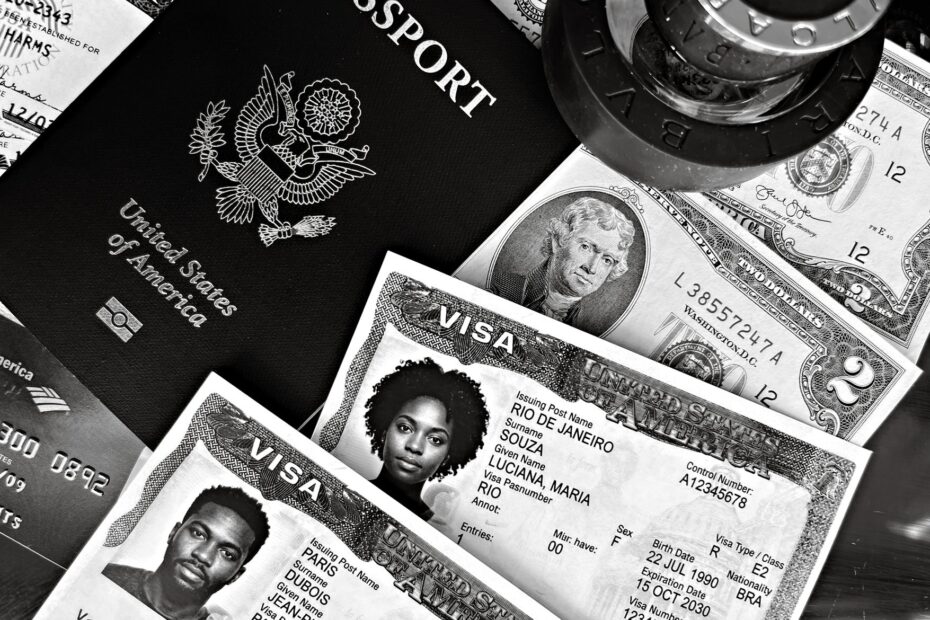
A visitor permit generally covers temporary travel, while a work permit authorizes employment. A tourist category covers travel, family visits, and leisure activities, while a work category ties your labor to defined immigration rules, an employer, a role, and a permitted period.
This comparison covers visitor limits, employment filings, work permits, and entry records for travelers weighing a visit against a job abroad.
Visitor and Worker Categories Serve Different Purposes
At entry, border staff assess the activity behind your trip. A B-2 Tourist Visa covers tourism, visits with relatives, and leisure travel. The B-1 Business Visitor Visa and B-1/B-2 Visitor Visa can also cover certain short business-visitor activities, such as meetings or contract discussions, without opening local employment rights.
Employment routes serve a narrower purpose. Your work permission can depend on a named employer, occupation, work location, pay arrangement, and period of authorized employment. A visitor category does not become a worker category because you receive a job offer during your stay.
Visa labels differ across countries. The United Kingdom separates visitor routes from work routes overseen by the UK Home Office, while the U.S. Department of State issues visitor and temporary worker visas. Your planned activity carries more weight than the wording printed in your passport.
Key Differences Shape Your Immigration File
A holiday plan and an employment contract produce very different immigration records. Visitor filings focus on your travel purpose, available funds, and plans to leave. Worker filings can require a company petition, evidence of your qualifications, and records tied to a defined role.
| Factor | Tourist Visa | Work Visa |
|---|---|---|
| Travel purpose | Your tourism, family visit, or leisure trip | Your employment under stated immigration terms |
| Work rights | You cannot take local paid employment | Your employment is limited to the role and authorization granted |
| Eligibility | Your travel purpose, funds, and departure plans | Your job offer, qualifications, skills, and route rules |
| Employer role | You rarely need an employer filing for your visit | Your employer sponsorship or petition is commonly required |
| Documents | Your passport, trip plans, and financial evidence | Your contract, credentials, filings, and required records |
| Length and extensions | Your stay is limited to a short temporary visit | Your authorized period follows the worker category and filing |
The difference between a tourist visa and a work visa becomes clear once paid duties enter your plans. A visitor category fits sightseeing or family time. A worker category fits a local job, even where the role lasts only a few months.
That distinction matters before travel, not after you begin duties. Your stated purpose, documents, and activities should point to the same category, because conflicting facts can raise questions at a visa interview or border inspection.
That consistency is especially important because visitor classification generally does not authorize local employment.
Visitor Status Does Not Cover Local Employment
A lighter visitor filing does not give you access to the local labor market. As a B-2 holder, you can tour museums, visit relatives, and attend social events, but you cannot accept paid employment. A job offer in your email does not authorize your start date.
Your payment source is not the only issue. Immigration staff can examine who benefits from your labor, where you perform the work, and whether the activity resembles a local job requiring employment authorization.
Remote work, freelance assignments, unpaid placements, and volunteer roles can raise separate concerns. A three-day unpaid assignment at a local business can resemble employment. A remote task for an overseas employer can also face country-specific visitor limits, so your destination’s rules matter before you perform productive work.
Job searching and interviews sit apart from starting a job. Some destinations permit interviews under local visitor rules, yet your duties cannot begin until employment authorization takes effect. That line keeps a potential offer from becoming unauthorized work.
Short business visits require the same care. Meetings, conferences, and contract discussions may fit a B-1 Business Visitor Visa, while hands-on labor for a local business can fall outside visitor activity. Guidance on those boundaries comes from the U.S. Department of State.
Employment Routes Depend on Sponsorship and Eligibility
A job offer starts an immigration process rather than opening a worksite door. Many worker categories require your employer to file a petition or sponsorship record before your start date. After an employer submits the filing, U.S. Citizenship and Immigration Services, known as USCIS, handles many U.S. employment cases.
- Written job terms Your contract should state your role, pay, work location, employer, and planned start date.
- Role credentials Your degree, trade history, licensing, or experience must fit the category sought.
- Identity records Your route can require passport copies, biometrics, police records, or medical records.
- Employer filing Your employer may need a petition, labor paperwork, and filing fees before you can begin.
U.S. temporary worker visas show how narrowly each category can operate. The H-1B visa covers specialty occupations linked to a related degree. H-2A and H-2B visas cover agricultural and temporary nonagricultural labor, while the L-1 intracompany transferee visa covers qualifying company transfers.
The phrase what is a work visa has no single universal answer because each country sets its own worker categories. Still, the central rule stays consistent: your permission is tied to a lawful purpose, stated conditions, and the immigration route attached to your job.
Visas, Status, and Work Permits Control Different Rights
A visa mainly allows you to seek entry at a border or airport. Your immigration status controls your activities after admission, including your length of stay and employment rights. Your arrival record can set a departure date that differs from the visa date in your passport.
| Document or term | What it controls for you |
|---|---|
| Visa | Your ability to seek entry for a stated travel purpose |
| Immigration status | Your permitted activities and authorized stay after entry |
| Arrival record | Your permitted stay period or departure date |
| Work permit or EAD | Your employment authorization in certain U.S. categories |
Your visa expiration date and permitted stay are not always the same date. In the United States, Customs and Border Protection records admission details through the I-94 arrival record. A valid visa does not extend your stay, and a longer I-94 period does not give you work rights.
A work permit vs work visa comparison can clear up a common source of confusion. A work permit, also called an Employment Authorization Document or EAD, is a separate card for certain U.S. categories. A work visa can connect entry permission to a defined employment route.
Review each document after a job change, international trip, or extension filing. Your passport, visa, I-94 record, status notice, and EAD can carry different dates and restrictions. One valid document does not erase a limit found in another.
Those separate limits become decisive when determining whether a particular job falls within your authorization.
Worker Categories Limit the Job You Can Perform
A worker petition can link your employment rights to more than an employer name. Your job title, pay, occupation, location, and period of employment can appear in the filing. A major duty change or move to another company can require a new immigration filing before you switch roles.
Do not assume a second job is covered because your main job is lawful. Separate employment can need separate permission, even where both roles are part-time or connected to the same organization.
An H-1B visa, an EAD, and a Green Card serve different legal roles. An H-1B links you to a qualifying specialty position. An EAD gives you employment authorization through its own category, while a Green Card gives you permanent residence without a fixed worker-visa end date.
Work visa validity and extensions depend on the category, your employer’s continuing compliance, your passport expiration date, and immigration rules in the destination country. A change in employment can matter as much as the date printed on your visa. Keep your records current so a filing need does not appear after your job changes.
A New Offer Requires a Lawful Change of Plans
That filing need becomes urgent after a visitor receives a job offer. Holding a tourist visa does not bar you from pursuing a work route later, yet your visitor status remains limited until valid employment permission takes effect. Paid duties should not begin while a petition, status filing, or visa process remains pending.
A Lawful Sequence for a New Job Offer
Your next steps depend on the destination’s immigration rules and the worker route involved. Employer sponsorship and consular processing can add separate stages, particularly where a visa interview abroad is required.
- Confirm the role Get written terms listing your employer, duties, pay, work location, and anticipated start date.
- Identify the category Match your qualifications and job type to the worker route available for that role.
- Start employer filing Have your employer submit the required petition or sponsorship record.
- Wait for permission Begin paid work only after your status or employment authorization takes effect.
- Follow entry rules Attend consular processing abroad where the destination requires an interview or visa issuance.
Some cases allow a change of status without departure, while others require consular processing at an embassy or consulate. Do not enter as a visitor while concealing a plan to start unauthorized employment. Misrepresentation can harm later visa filings even after a genuine offer appears.
Visa overstays and unauthorized employment can create separate problems. An overstay concerns time spent beyond your permitted period, while unauthorized work concerns activity outside your status. Either issue can affect later travel, status filings, or visa interviews.
Your Planned Activity Should Direct the Visa Choice
Those filing rules lead back to the activity on your calendar. Use a visitor category for a genuine temporary visit, and use a worker category for planned employment. Unauthorized employment can lead to visa cancellation, removal, fines, and future immigration restrictions affecting your travel.
A Four-Point Travel Check
- Name the activity Write down whether your trip involves tourism, meetings, interviews, training, or paid labor.
- Review local rules Confirm whether your planned tasks require employment authorization in the destination country.
- Verify all dates Review your passport, visa, I-94 record, and employment document dates before departure.
- Use government sources Review the destination embassy, consulate, or immigration authority before your plans change.
- Seek legal advice Speak with a qualified immigration lawyer about your role, nationality, travel history, and intended activity.
Your choice should match the work you truly plan to perform, not the route that appears fastest. Tourist visa vs work visa decisions carry less risk where your travel purpose, work rights, and immigration status point in the same direction.
Careful preparation can spare you a difficult correction later. Keep copies of your filings, admission records, offer letter, and employment authorization. Those records show the timeline behind your travel and work plans.
Final Takeaways
A visitor visa gives you permission to visit, not permission to work. Your lawful route depends on your activity, not the length of your trip or the strength of a job offer. Match your plans to the correct category before travel, then follow the limits attached to your status after entry.
Your documents tell separate parts of the story. A visa concerns entry, an I-94 record concerns your stay, and a work permit can concern employment authorization. Checking all three can help you spot a conflict before it affects your travel or job start.
FAQ
Is a work visa the same as a tourist visa?
No. A tourist visa covers your temporary visits, such as sightseeing, family time, and other visitor activities. A work visa covers your employment under defined terms, including your employer, duties, location, qualifications, and period of work. Your visitor status does not become work permission because you receive an offer.
Can you work in the United States on a B-2 tourist visa or B-1/B-2 visitor visa?
No. A B-2 Tourist Visa and B-1/B-2 Visitor Visa do not permit local paid employment in the United States. Your freelance work, unpaid assignment, volunteer role, or remote task can also raise concerns where it resembles local employment. Review the activity rules before performing productive work during your visit.
What activities are allowed on a tourist visa versus a work visa?
A tourist category can cover sightseeing, family visits, leisure travel, and certain visitor activities. A work category covers employment under its stated terms. Your B-1 business activity can include meetings or contract discussions, but productive labor for a local employer requires the relevant employment authorization.
Do you need a job offer or employer sponsorship to get a US work visa?
Many U.S. temporary worker visas require a job offer and an employer petition. Your employer may need to submit filings before your work can begin. The H-1B visa, H-2A and H-2B visas, and L-1 intracompany transferee visa each have separate eligibility rules.
How long is a work visa valid?
Your work visa period depends on the country and category. An H-1B visa can begin with a period tied to an employer filing, while H-2 and L-1 categories follow different limits. Extensions can depend on your employer, continued eligibility, passport date, and immigration rules.
Can you attend job interviews or look for work while visiting on a tourist visa?
Some destinations permit job interviews under local visitor rules, but an interview does not authorize your job start. Your work duties must wait until the required employment authorization takes effect. Check the destination’s visitor rules before scheduling interviews or recruiting meetings.